• Technical Panel
    • Glass Panel
    • Q Panel
  • Software – Hermes®
  • Ceiling Supply Unit

      • Motorized Column
      • Non-Motorized Column
    • S-Column
    • Abitus
    • Ares
    • Atlas
    • Tor
  • Bed Heads
    • Adonis
    • Ais
    • Antea
    • Aura
    • Aura Light
    • Icarus
    • N270
  • Projects
  • Tedisel Medical
  • News
  • Contact
  • Private zone
© 2025 Tedisel Medical. All rights reserved.
Tedisel Medical Tedisel Medical
  • Products
    • diamond_menu_tedisel_medical

      Technical Panel

      Glass Panel
      Q Panel

      submenu-software-tedisel-medical

      OR Software

      Hermes

      submenu-unidad_suministro_techo-tedisel-medical

      Ceiling Supply Unit

      Column
      > Motorized
      > Non-Motorized

      S-Column
      Abitus
      Ares
      Atlas
      Tor

      submenu-cabeceros-tedisel-medical

      Bed Head Units

      Adonis
      Ais
      Antea
      Aura
      Aura Light
      Icarus
      N270

  • Projects
  • Tedisel Medical
  • News
  • Contact
  • LOGIN
  • Products
  • Projects
  • Tedisel Medical
  • News
  • Contact
  • LOGIN
En
  • Portuguese
  • French
  • Spanish
Sign in

Sign in

Tedisel Medical
En
  • Portuguese
  • French
  • Spanish
19Nov

Light, an ally in hospital recovery

November 19, 2025 tedisel Critical Areas, Operating Rooms

In today’s hospitals, where medical technology offers unprecedented precision, an essential component of the patient’s environment often goes unnoticed: light. It is not only functional lighting that facilitates the work of healthcare personnel, but also lighting that directly influences the biological rhythms of the human body and, when used properly, can become as effective a therapeutic tool as medical treatment.

Implementing lighting systems that respect and support circadian cycles is an opportunity to optimize patient recovery, improve sleep quality, reduce postoperative cognitive disturbances and promote general wellbeing within healthcare facilities. In this article we explore in detail the concept of circadian lighting, its relevance in the hospital setting, the scientific evidence supporting its use, and the main technical and design challenges involved in its application.


What is circadian lighting and why does it matter in a hospital?


What is circadian lighting and why does it matter in a hospital?

Humans have a “biological clock” that regulates multiple physiological functions over an approximately 24-hour cycle: the circadian rhythm.

Circadian lighting – or “human-centric lighting” when talking about human-centric design – is an artificial lighting system that seeks to mimic the dynamic patterns of natural light (intensity, spectrum, duration) to favorably influence these biological rhythms. In short: provide bright, bluish light during the day for activation; and warmer, dimmer light at night to promote rest.

 

Circadian lighting - or "human-centric lighting" when talking about human-centric design - is an artificial lighting system that seeks to mimic the dynamic patterns of natural light (intensity, spectrum, duration) to favorably influence these biological rhythms.Provide bright, bluish light during the day for activation; and warmer, dimmer light at night to promote rest.

Why is this especially relevant in hospitals? Because hospitalized patients – and also staff working shifts – are subjected to lighting environments that often do not respect natural day/night patterns. They spend hours in insufficient light, or at night with lighting levels that inhibit melatonin production, or without clear day-dark contrasts. This can desynchronize the biological clock and affect the patient’s recovery, sleep, cognition or well-being.

Circadian lighting in hospitals is not a decorative luxury, but a healthcare intervention that allows “lighting to heal” and not just “lighting to see”.


Tedisel circadian lighting technology: wellness and precision in every intervention

Helping to ensure that ICU and operating room areas have precise, patient-friendly lighting is essential. It has been proven that one of the determining factors in the appearance of complications or in the slowing down of recovery is the alteration of the circadian rhythm and sleep.

Inadequate exposure to light in hospital environments -especially in the surgical area- can have a significant impact on the well-being of both patients and medical staff.

Therefore, from Tedisel Medical we offer circadian lighting solutions integrated into our products, such as ceiling supply units, designed to:

  • Reduce fatigue and improve the alertness of healthcare personnel.
  • Easily adapt to any surgical procedure or equipment.
  • Reduce stress and promote patient comfort.
  • Promote environmental hygiene, reducing the risk of contamination.


Implementation of circadian lighting in ORs and ICUs

For lighting to act as a true synchronizer of circadian rhythms and contribute to the recovery process, a carefully planned lighting design is essential. At Tedisel Medical, we integrate these principles into our products – such as ceiling supply units for operating rooms – incorporating key factors such as intensity, light spectrum or color, duration, timing of exposure and dynamic transition.


Circadian lighting in hospitals is not a decorative luxury, but a healthcare intervention that allows "lighting to heal" and not just "lighting to see".


The following are the essential elements that ensure an effective circadian lighting system tailored to the most demanding hospital environments.

  • Intensity: “where we are” vs. “what we need”.

During the day, providing sufficient lighting to trigger the circadian system is a priority. In many hospital environments, light levels are often insufficient, when scientific evidence indicates that higher levels favor better biological synchronization.
At night, on the other hand, exposure to high illuminances in the patient’s visual field, especially in blue-cyan wavelengths, should be avoided so as not to interfere with melatonin secretion or disturb rest.

  • Light spectrum: blue for daytime, warm for nighttime.

During the morning and midday, light with a higher blue content promotes arousal, regulates the circadian rhythm and enhances feelings of alertness. At night, the goal is just the opposite: minimize visual stimuli by using warm color temperatures and reducing the blue component so as not to suppress melatonin production.
Studies show that hospital environments with blue-reduced lighting at night lead to higher melatonin secretion and better REM sleep quality in patients. 

  • Dynamics: mimicking natural light as a model

Circadian lighting should not be static, but evolve throughout the day. At dawn, the light should offer soft activation; at midday, it should reach its maximum intensity; and at dusk, it should transition to warm tones and lower luminance.
This “light choreography” reproduces the natural solar cycle and transmits a coherent signal to the organism that reinforces the internal biological clock.

  • Synchronization of environments: patient and caregivers

Circadian design should not only focus on the patient’s room. It is also crucial to consider spaces for medical and nursing staff – such as ICUs, night corridors or rest rooms – where visual, circadian and comfort needs must be balanced.
Staff working night shifts, for example, require lighting that promotes alertness and accuracy during work, but also allows for appropriate transitions to rest. The most recent reviews emphasize that healthcare environments should seek a balance between visual efficiency, circadian well-being and psychological comfort for all users of the hospital space.


Clinical Evidence and Benefits of Circadian Lighting in Hospitals

The implementation of circadian lighting systems in hospital environments has shown very promising results, supported by a growing number of clinical studies. Although further research is still required to define optimal parameters of intensity, duration and light spectrum, current evidence points to significant improvements in both patients and healthcare staff.

Among the main benefits observed are improved sleep and increased melatonin production, faster cognitive recovery and a lower incidence of delirium and confusion, especially in intensive care units. In addition, a reduction in hospital falls, improved mood and lower anxiety in patients, as well as increased well-being, satisfaction and performance among healthcare professionals have been documented. Taken together, these effects contribute to shorter recovery times and shorter hospital stays, optimizing both the patient experience and the efficiency of the care environment.

Adopting a circadian lighting design means moving from “light to see” to “light to heal”. Incorporating therapeutic lighting strategies – bright and rich in blue component during the day, warm and dim at night – promotes faster cognitive recovery, improves emotional well-being, reduces sleep-related drug dependence and reduces complications such as delirium, confusion or falls.

At Tedisel Medical, we offer a comprehensive approach to the implementation of these solutions, adapting to the existing environment and the needs of each facility. We firmly believe in innovation applied to health, betting on improving the environmental quality and efficiency of the hospital system through light.

We look to the future with the conviction that circadian lighting will be a key tool in the medicine of tomorrow. Because, ultimately, a hospital that “sees to heal” is one that uses light not only to illuminate spaces, but to stimulate the natural biological processes of the human body, accelerating recovery and improving the experience of patients and professionals.


Read more
27Oct

Technology in operating rooms: advances and their impact on patient safety

October 27, 2025 tedisel Critical Areas, Medical equipment, Software, suspended columns, technical panel

Medicine is advancing by leaps and bounds, and operating rooms are one of the scenarios where technological innovation is making the most visible difference. If we think of an operating room just 30 years ago, the image was very different from today’s: less digitized equipment, less systems integration and processes much more dependent on human effort.

Today, operating rooms have become truly intelligent spaces. Minimally invasive surgery, robotics, real-time monitoring and, increasingly, solutions that guarantee not only efficiency for professionals, but also safety and confidence for patients, converge there.

In this article we will discuss how technology is transforming the work in operating rooms and what is the direct impact on patient safety. In addition, we will look at concrete examples of how products such as HERMES control software or Tedisel ceiling supply units contribute to more ergonomic, safer and more efficient surgical environments.


HERMES control software by Tedisel contributes to more ergonomic, safer and more efficient surgical environments.


1. A new era in operating rooms

For decades, patient safety in surgery depended mainly on the capability of the medical team and the quality of the instruments. However, the risks were high: hospital-acquired infections, human error due to fatigue, limited monitoring and long recovery times.

Today, thanks to digitalization and the incorporation of advanced systems, these risks have been significantly reduced. Technology does not replace the medical team, but it does act as an ally that offers precision, support in decision-making and a safer and more efficient work environment.

A prime example is control software systems, such as our HERMES, which transform the operating room into a fully integrated space. Thanks to this solution, different devices are centralized and coordinated from a single interface, providing efficiency and safety. One success story is that of the CMA Granollers Health Center, where each piece of equipment used to operate in isolation and now everything is managed in a unified way: from lighting, cameras and monitors, to communication systems and environmental parameters. This integration reduces the risk of errors, optimizes communication between professionals and allows the surgeon to focus all his attention on what is most important: the patient and the surgical procedure.
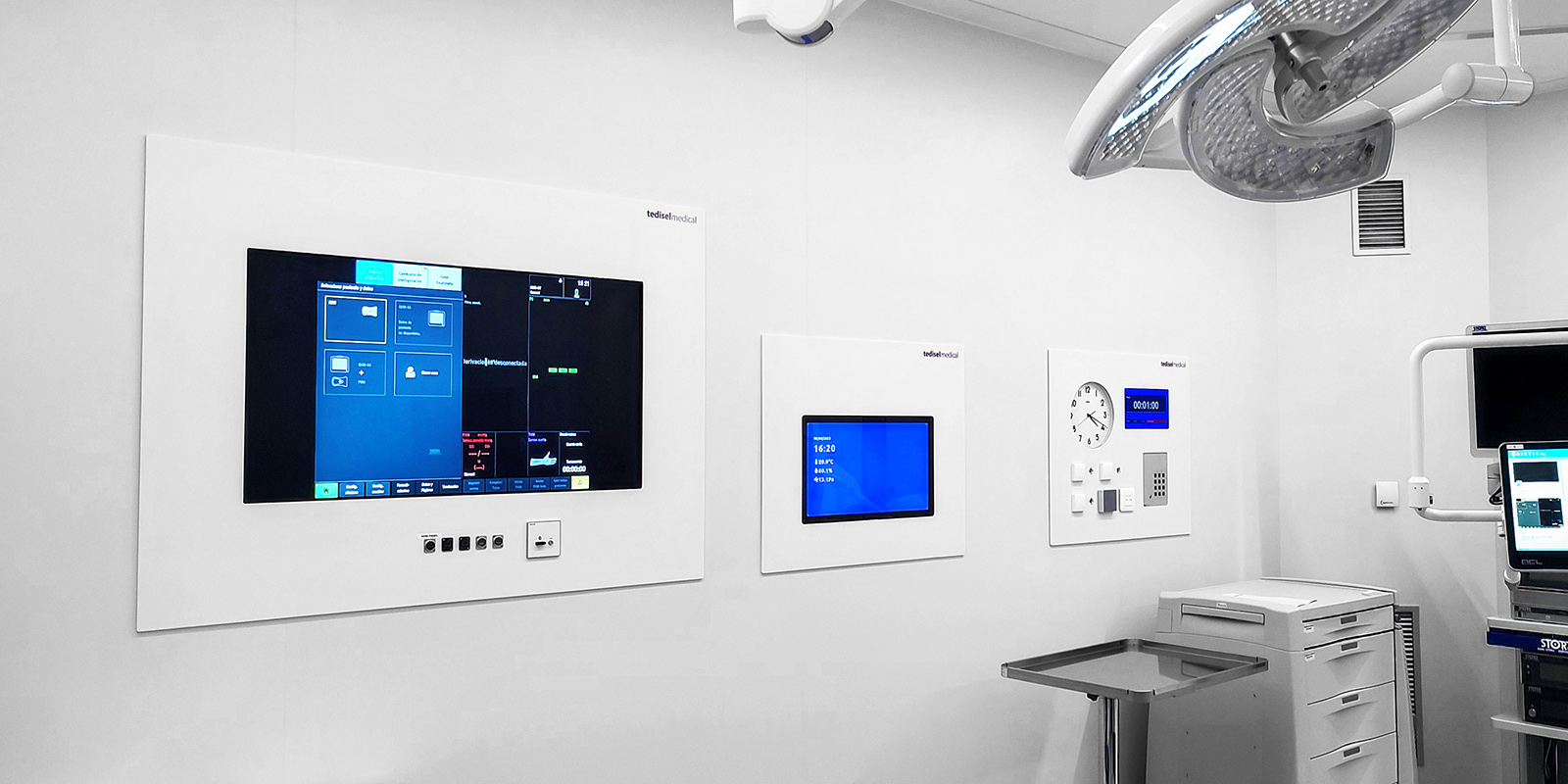
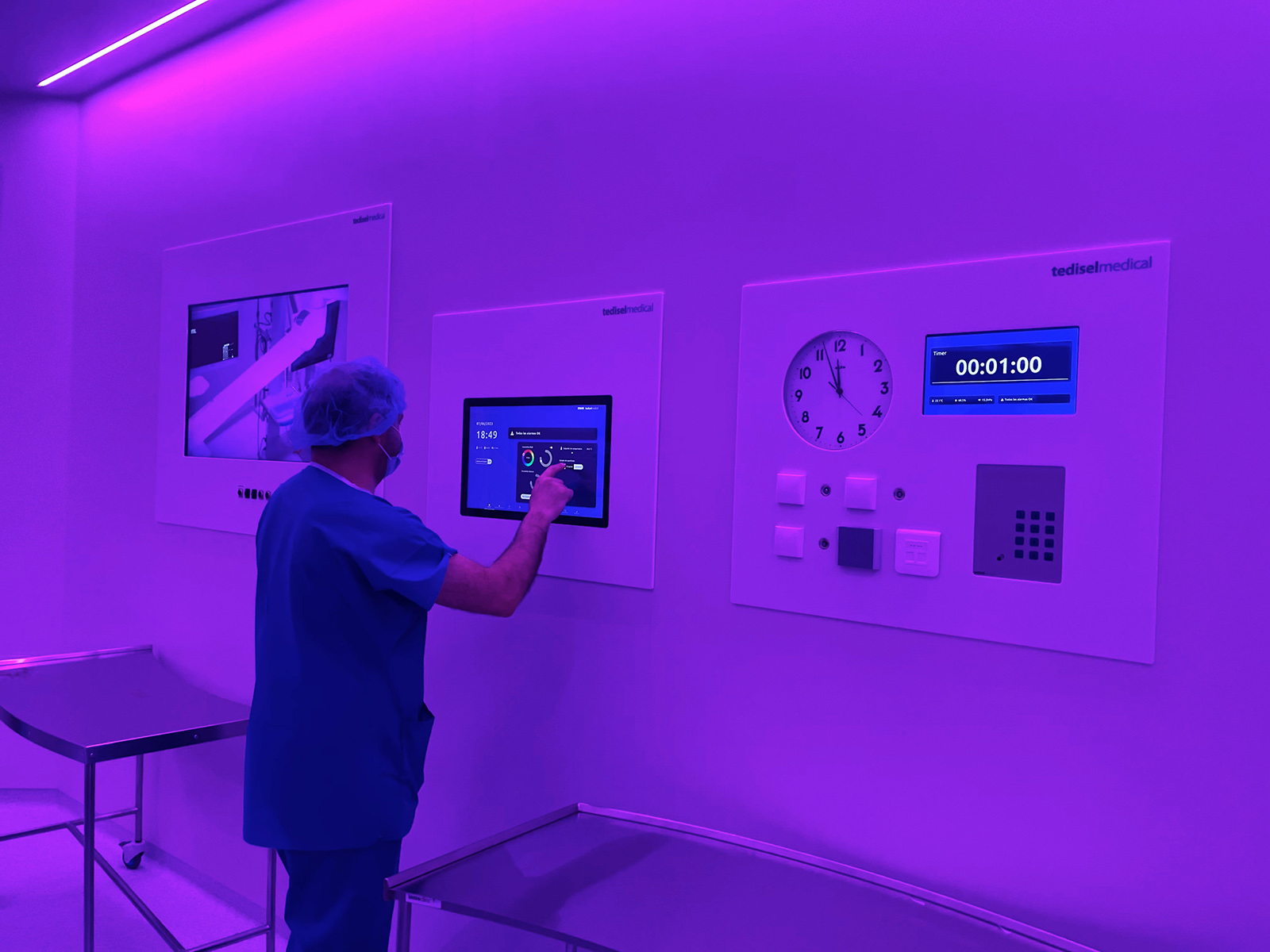
 

One success story is that of the CMA Granollers Health Center, where each piece of equipment used to operate in isolation and now everything is managed in a unified way: from lighting, cameras and monitors, to communication systems and environmental parameters.


2. Technological advances that have transformed the operating room

  • Minimally invasive and robotic surgery: Laparoscopic techniques and surgical robots have reduced the need for large incisions, which directly results in less postoperative pain and lower risks of infections. For example, a procedure that used to require weeks of recovery can now be resolved with just a few days of hospitalization.
  • Advanced real-time monitoring: Today’s systems allow constant and precise observation of the patient’s vital signs. In addition, thanks to artificial intelligence algorithms, it is possible to detect minute variations that could go unnoticed by the naked eye, generating early warnings for the medical team.
  • Augmented reality and surgical simulation: Surgeons can train on high-fidelity simulators and plan complex procedures with 3D images. This preparation reduces risks and increases confidence during the actual procedure.
  • Digital integration and control software: This is where solutions such as those from Tedisel come into play, offering Hermes software designed to integrate the entire operating room into a unified system. This means that lighting, columns, screens and even the air-conditioning system can be managed from a single platform. The impact on safety is enormous: fewer distractions, less wasted time and greater responsiveness to any unforeseen event.


3. Ergonomics as a pillar of safety

An operating room must not only be technologically advanced, but also comfortable and efficient for the staff working in it. Ergonomics is key because surgeons and nurses spend hours in demanding positions, handling delicate equipment and responding to critical situations.

In this regard, Tediselmedical’s motorized columns represent a fundamental advance. They allow the height and position of medical equipment to be adjusted automatically and precisely.

What does this mean in practice?

  • The surgeon does not need to make forced movements to reach devices.
  • The nursing staff can quickly adapt the room layout according to the procedure.
  • The workflow is optimized, reducing downtime and minimizing errors.
  • In addition, a motorized column not only improves the comfort of the equipment, but also avoids risky situations: an incorrectly positioned cable, equipment in the wrong position or an overload of devices can become a problem during surgery. Thanks to these systems, everything is organized in a safer and more functional way.


Tediselmedical's motorized columns represent a fundamental advance. They allow the height and position of medical equipment to be adjusted automatically and precisely.


4. Direct impact on patient safety

The key question is:

how does all this benefit the patient?

  • Fewer infections: digitized operating rooms make it possible to control sterilization and instrument traceability with greater precision.
  • Fewer human errors: by centralizing functions in a control software, the risk of confusion or operational errors is minimized.
  • Faster recoveries: thanks to less invasive techniques and ergonomics that streamline procedures, patients experience fewer postoperative complications.
  • Greater confidence: for both patients and their families, knowing that state-of-the-art technology is being used generates peace of mind.


An illustrative example: an operating room equipped with Tediselmedical’s Hermes software can, in a matter of seconds, adjust lighting, project images on high-resolution monitors and automatically record procedure data. All this allows the medical team to concentrate solely on the surgery, without wasting time on manual adjustments or repetitive checks.


5. Use cases: how technology changes daily practice

Imagine a complex cardiac surgery. The operating room is equipped with:

  • Tedisel motorized columns, which organize the workspace, avoiding cables on the floor and ensuring that each piece of equipment is within proper reach.
  • Centralized Hermes software, from which monitors, lighting and communication systems with other areas of the hospital are managed.
  • Real-time monitoring, which detects variations in vital signs and immediately alerts the anesthesiologist.


In this scenario, the patient receives a safer procedure with less chance of complications. For the medical team, the environment is more comfortable, reducing fatigue and the risk of errors.


6. Challenges and opportunities

Despite advances, the implementation of technology in operating rooms faces challenges:

  • High initial investment: equipping an operating room with advanced systems requires a significant budget.
  • Constant training: personnel must receive continuous training to take full advantage of the tools.
  • Equity of access: not all hospitals, especially in less developed regions, have these solutions.


However, the opportunities are enormous. The operating rooms of the future will be increasingly connected, with full data integration, predictive artificial intelligence and systems that ensure even greater safety.


7. Tediselmedical solutions: innovation at the service of patient safety

In this context, companies like Tediselmedical have positioned themselves as key allies in the transformation of operating rooms. Our products are not only focused on technology, but on the real impact it has on patient safety and well-being.

  1. HERMES software: centralizes the management of the different operating room systems, optimizing efficiency and reducing risks.
  2. Motorized operating room columns: improve the ergonomics and organization of the surgical space, ensuring a safer environment.
  3. Customized solutions: adapted to the specific needs of each hospital, maximizing the technological investment.


The added value of these solutions lies in the fact that they are not simply tools, but true facilitators of safety and confidence in an environment where every detail counts. The future promises even smarter operating rooms, where the synergy between healthcare professionals and technology will ensure not only better clinical outcomes, but also a more humane and safer experience for patients.


In short, the mission is clear: to make every surgical procedure more precise, more efficient and, above all, safer.

Read more
05Feb

Dog-Assisted Therapy in ICU’s for the Comprehensive Recovery of Patients

February 5, 2025 tedisel Critical Areas, Hospitals

In the hospital world, where medical technology is fundamental, an innovative approach is emerging that goes beyond conventional treatments: therapy assisted by dogs. This pioneering initiative is transforming Intensive Care Units (ICUs) by integrating dogs as a key tool to promote both the emotional and physical recovery of patients.


“The program not only seeks to alleviate the negative effects of the hospital environment, but also aims to humanize these spaces, improving the quality of life of patients and offering a new path towards integral well-being.“


Dog-assisted therapy in ICUs is a response to a number of crucial needs: reducing pain, anxiety and fear, particularly in hospitalized children, who often face a highly stressful experience in these types of units. This practice also favors the creation of a warmer and less intimidating hospital environment, moving away from the rigidity and coldness that often characterizes clinical and hospital settings.

In addition, it encourages the participation of young patients in their recovery process, promoting adherence to treatment, stimulating their motivation and accelerating their physical and emotional improvement.

This novel approach opens up new horizons for intensive care, where science and empathy go hand in hand in favor of the patient’s overall health.


Dog-Assisted Therapy in ICU's for the Comprehensive Recovery of Patients


Impact on patient health

The positive impact of dog-assisted therapy has been widely supported by numerous studies, which demonstrate its psychological and physiological benefits in patients.

Renowned hospitals throughout Spain such as the Hospital del Mar, the Hospital 12 de Octubre and the Hospital Vall d’Hebron have already incorporated this therapy into their treatments, recognized for its immediate effects in reducing stress and anxiety, which generates a calmer environment and promotes the emotional well-being of patients.

Physiologically, interaction with dogs has been shown to have a remarkable capacity to lower blood pressure, reduce heart rate and stimulate the release of endorphins and oxytocin, hormones associated with feelings of pleasure and tranquillity.

In addition, research indicates that patients who receive visits from therapy dogs experience lower levels of the stress hormone cortisol, which not only improves their immune response, but also speeds up the recovery process. For patients with chronic illnesses or undergoing long-term treatments, the presence of a therapy dog can offer significant emotional relief.


A tool for physical and emotional rehabilitation

Therapy dogs not only offer companionship and emotional support, but also play a key role in the physical rehabilitation of patients. Those with reduced mobility or who have spent long periods in bed find in these animals an incentive to move, exercise and actively participate in their recovery.

In patients who have suffered strokes or musculoskeletal injuries, interaction with a dog can motivate them to perform small movements that, over time, contribute to the restoration of their motor skills.

In addition, dog-assisted therapy has proven to be especially beneficial for children with developmental disorders, such as autism, and for older adults with dementia. In these cases, the dogs act as social mediators, fostering communication, interaction with the environment and emotional expression. Their presence not only reduces anxiety and agitation, but also stimulates cognitive and sensory abilities.

A notable example of this type of intervention took place in 2019 at the Hospital Sant Joan de Déu, where a program of dog-assisted therapy was implemented in pediatrics, with promising results in improving the well-being and participation of children in their treatments.

 

Dog-assisted therapy in ICUs is a response to a number of crucial needs: reducing pain, anxiety and fear, particularly in hospitalized children, who often face a highly stressful experience in these types of units.


Selection and training of therapy dogs

In order for the dogs to integrate successfully into the environment of an Intensive Care Unit (ICU) and other hospital spaces, they must go through a rigorous selection and training process. Not just any dog is suitable for this role; those with a calm, balanced and sociable temperament are sought, who enjoy human contact and are able to remain calm in highly controlled and often stressful environments.

The selection process begins with a behavioral evaluation in which the dog’s reactions to various stimuli, its tolerance to physical contact and its ability to respond to unforeseen events are analyzed. Once selected, the dogs begin a specific training program, which includes adaptation to noises and medical devices, interaction with people in different states of health and understanding of basic and advanced commands.

In addition, the training process also extends to healthcare professionals and dog handlers, who learn how to facilitate interaction between the dog and patients without altering the clinical environment or compromising the safety of either party.

“The selection process begins with a behavioral evaluation in which the dog’s reactions to various stimuli, its tolerance to physical contact and its ability to respond to unforeseen events are analyzed.“


The future of animal-assisted therapy in hospitals

The success of the pilot programs in different hospitals has encouraged various medical institutions to consider extending animal-assisted therapy to other areas. Specialties such as pediatrics, oncology and long-stay units have begun to evaluate the implementation of these programs, with the aim of improving

As medicine advances with cutting-edge technology, these types of initiatives remind us of the importance of the human factor and emotional support in the healing process.

In the near future, it is possible that therapy dogs will become a regular presence in hospitals, offering their unconditional support to those who need it most and reinforcing the vision of more comprehensive medical care focused on the patient’s well-being.


Read more
26Nov

Optimizing Medical Device Interoperability in Critical Care Units: Key to Reducing Medical Workplace Stress

November 26, 2024 tedisel Critical Areas, Hospital technology, Medical equipment

Eighty-seven percent of medical professionals report that administrative tasks are one of the main sources of stress in the work environment. This challenge underscores the need to implement solutions that improve workflow efficiency, especially in critical areas such as Intensive Care Units (ICUs). The interoperability of medical devices and the adoption of electronic documentation are presented as essential tools to reduce administrative burdens, allowing healthcare teams to focus on what really matters: patient care.


Lessons from the pandemic

The COVID-19 pandemic highlighted the need for a robust healthcare system capable of relying on technology to optimize information management. This global challenge acted as a catalyst for the accelerated implementation of technological tools, marking a turning point in the digital transformation of healthcare.

“We envision a future where interoperability elevates the ability of medical teams to deliver personalized care in critical environments.”

Medical devices will be interconnected, forming secure and reliable networks that enable new clinical applications. These new clinical applications include decision-support systems, remote monitoring and process automation, fundamental elements for more efficient and accurate care. With our integrated solutions and expertise, we are leading this change in Critical Care and Intensive Care Units.


We envision a future where interoperability elevates the ability of medical teams to deliver personalized care in critical environments


What is interoperability?

Interoperability refers to the ability of medical devices and systems to share and exchange data in a continuous, automated and secure manner within a standardized technology network. This functionality allows information to be processed efficiently, contributing directly to the improvement of healthcare.

Benefits of interoperability

1.Improved clinical outcomes
Interoperability helps prevent adverse events by leveraging human capabilities with intelligent technologies. This enables more immediate, personalized and accurate care, significantly minimizing the margin of human error.

2. Workflow optimization
By eliminating inefficiencies, interoperability reduces the risk of errors and staff burnout. It automates tasks such as data entry or device programming, and facilitates remote access to information in integrated formats. This accessibility speeds up decision-making in real time, improving the quality of care.

3. Preparing for a flexible future
Platforms for connected medical devices that are scalable, modular, secure and based on open standards are essential. These features ensure that systems can dynamically adapt to the changing needs of the healthcare sector.

4. Automated clinical documentation
Interoperability also strengthens clinical data management by automating electronic records.


This not only speeds up access to crucial information, but also reduces errors that could compromise patient safety, ensuring more reliable and accurate care.
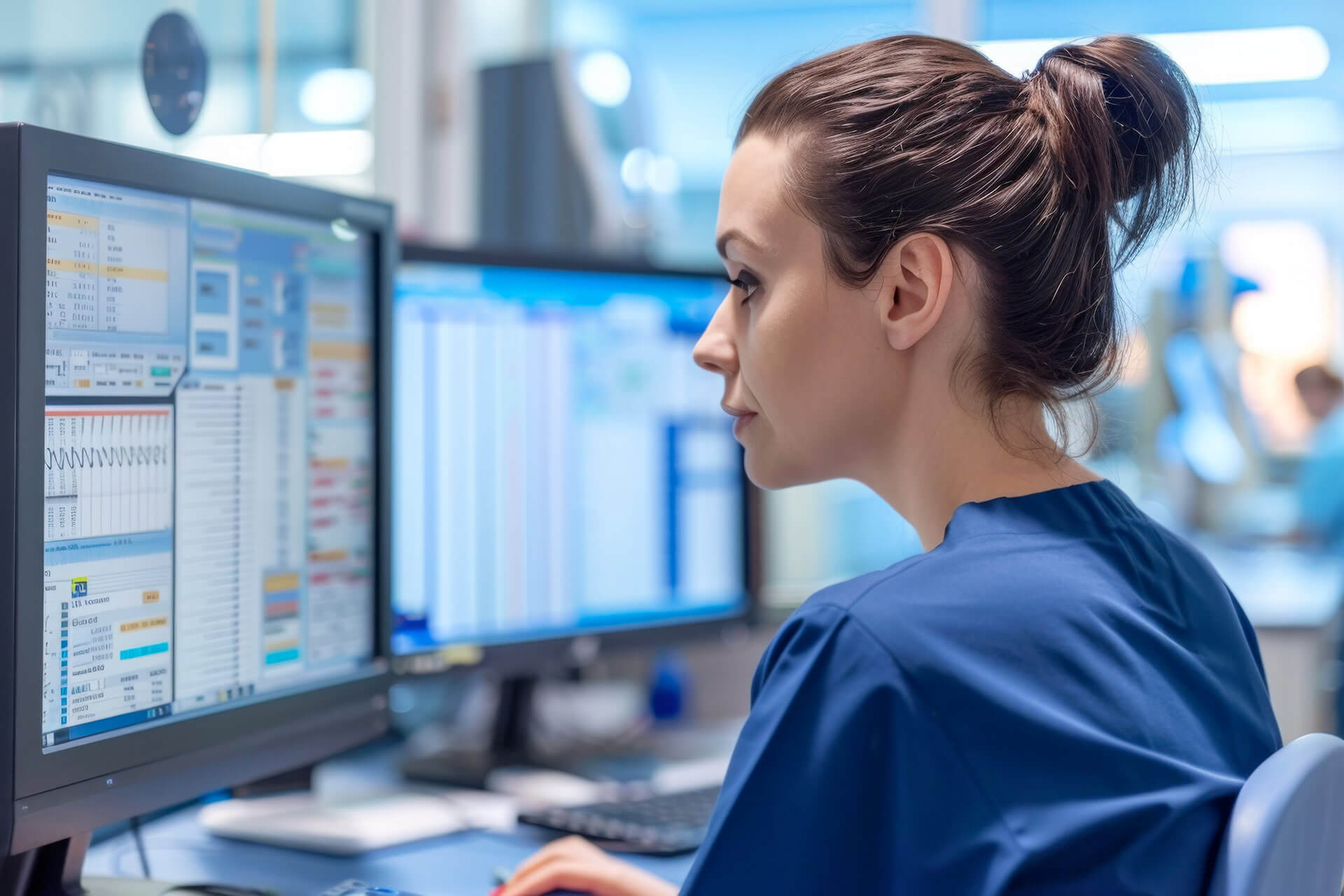
 

Interoperability refers to the ability of medical devices and systems to share and exchange data in a continuous, automated and secure manner within a standardized technology network


Tedisel Advanced Solutions

At Tedisel Medical, we offer the Hermes Software solution, fully adaptable to our Diamond and QPanel technical panels. This tool facilitates the integration of reliable electronic data on therapies, patients and medical devices into hospital information systems. It also ensures that this data is available at the point of care, improving clinical decision making in an agile and accurate manner.


Key benefits

  • Reduced errors
    Automating documentation minimizes errors and frees healthcare staff from tedious administrative tasks.
  • Improved patient care
    Comprehensive, highly reliable data is at professionals’ fingertips at the critical moment of care.

Safety in critical environments: An essential priority

In critical areas, the protection of therapy and monitoring devices against unauthorized access and tampering is essential. Our commitment is to ensure a secure continuum of care, while protecting hospitals’ and patients’ sensitive assets and data, in compliance with current regulations.
Integrated cybersecurity measures

  • Robust protection on devices, systems and during data exchange.
  • Restricted access control to authorized users to ensure privacy and security of information.
  • Guaranteed security throughout the lifetime of our products, providing long-term confidence.


Centro de Salud CMA Granollers


Case Study: Innovation in critical care

Interoperability is a strategic pillar in modern healthcare systems. Public and private sector decision makers must embrace this technology to stay at the forefront of data management and quality of care.

A prominent example is the Virgen del Rocio University Hospital, which has implemented the ehCOS SmartICU system in its intensive care units. This system enables the automation of data capture from patient-connected medical devices, integrating them directly into the electronic medical record and other hospital systems. This approach has transformed the quality of critical patient care, demonstrating the positive impact of interoperability in healthcare.


The importance of automated electronic documentation

The integration of electronic clinical records enables rapid access to accurate information, reducing errors and improving patient safety. It also ensures the availability of data at the point of care to support clinical decision making.

Advantages of electronic documentation

  • Reduced risk of errors by automating records.
  • Increased patient focus by reducing administrative tasks.
  • Access to reliable and comprehensive medical data in real time.


Security in critical environments

In critical care, protecting devices and data is essential. Ensure a continuum of care while safeguarding sensitive hospital and patient assets and data. Implement robust cybersecurity measures that include:

  • Controlling access to systems and devices for authorized users only.
  • Security during data exchange.
  • Protection during the entire product lifecycle.


A future driven by artificial intelligence

Digitization is advancing rapidly, and interoperability is the next logical step in data management. Technologies such as artificial intelligence will play a key role in the analysis and processing of large volumes of information.

However, this transformation is not without its challenges. It requires investment in technological infrastructure and training of professionals to operate the systems effectively.


“An essential pillar for tomorrow’s healthcare: interoperability is crucial for current and future healthcare systems. Industry leaders, both public and private, must prioritize its adoption to keep pace in data management and ensure quality healthcare.”


Read more
22Aug

Improving Development in Neonatal Units: Innovative Strategies and Approaches

August 22, 2024 tedisel Critical Areas, Hospital technology, Hospitals

Neonatology units play a vital role in the care of newborns and premature infants who require specialized care in their first days of life. In addition to providing intensive care, these units also care for healthy babies in the Newborn Nursery. Neonatal care is essential in any hospital, as it responds to diagnostic, therapeutic, care and rehabilitation needs during the perinatal and neonatal period.


The Stressful Environment of Neonatal Intensive Care Units (NICU)

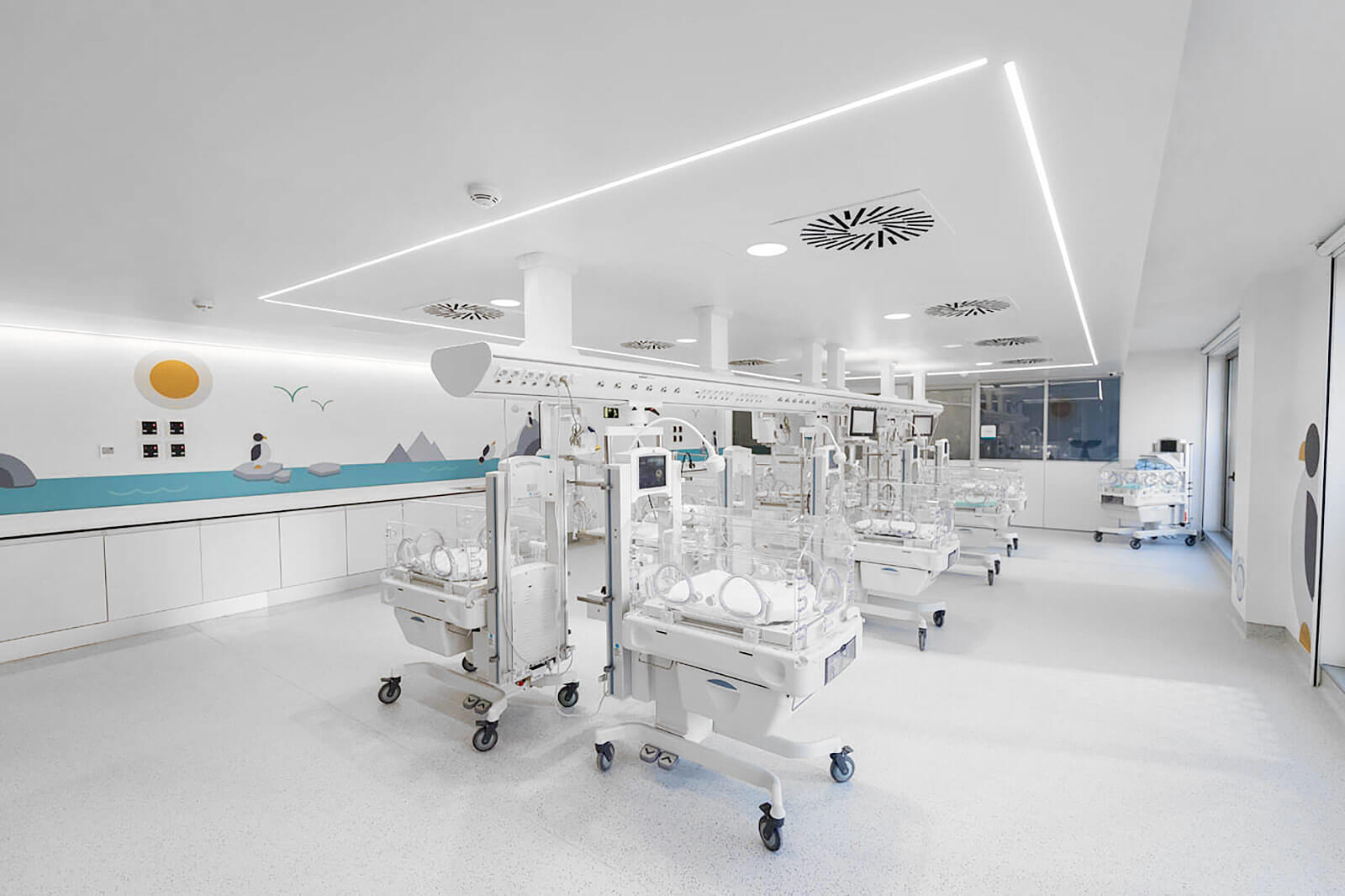
Neonatal intensive care units (NICUs) for premature infants are high-stress environments for all involved: the parents, who face constant anxiety and concern for their child’s health; the physicians and nursing staff, who must manage critical situations and make quick decisions; and, in particular, the infants themselves, who are exposed to multiple stressors. These factors include the constant noise of hospital equipment, bright light, frequent medical interventions and early separation from their mothers. This combination of elements not only affects the emotional well-being of everyone present, but can also interfere with the physical and neurological development of premature infants.


Improving Development in Neonatal Units: Innovative Strategies and Approaches.


The Importance of Minimizing Stress

Stress can drain energy that infants should be using for neurological growth and development. Therefore, it is critical to establish a NICU environment that promotes healthy development and minimizes stressors as much as possible.


The NICU Noise Challenge

Noise in the Neonatal Intensive Care Unit presents complex challenges for newborns. It is not only a matter of protecting infants from excessive noise levels, but also of providing them with opportunities for positive sound stimulation, a delicate balance critical to their development.

Determining when noise becomes a problem and where the line is drawn between harmful noise and healthy auditory stimuli is critical. For premature infants, whose neurological sensitivity is especially high, excessive or inappropriate sounds can be particularly harmful, interfering with their brain development and causing unnecessary stress. On the other hand, the total absence of auditory stimuli can result in an environment lacking the stimulation necessary for sensory and cognitive development.

Controlled and soft sounds, such as parental voice, soft music or nature sounds, can have positive effects, promoting calmness and facilitating neurological development. Implementing measures such as soundproofing rooms, using quieter hospital equipment and training staff on noise reduction practices are crucial steps to improve the listening environment in the NICU.


Noise in the Neonatal Intensive Care Unit presents complex challenges for newborns
Hospital Quirónsalud Córdoba


Technological Innovations for an Optimal Hearing Environment

In addition, emerging technologies such as real-time sound monitoring systems and personalized hearing interventions are being explored as innovative solutions to this problem. These tools can help create an optimal listening environment, adapting to the specific needs of each infant and minimizing the negative effects of noise.


The Importance of Hospital Equipment in the NICU

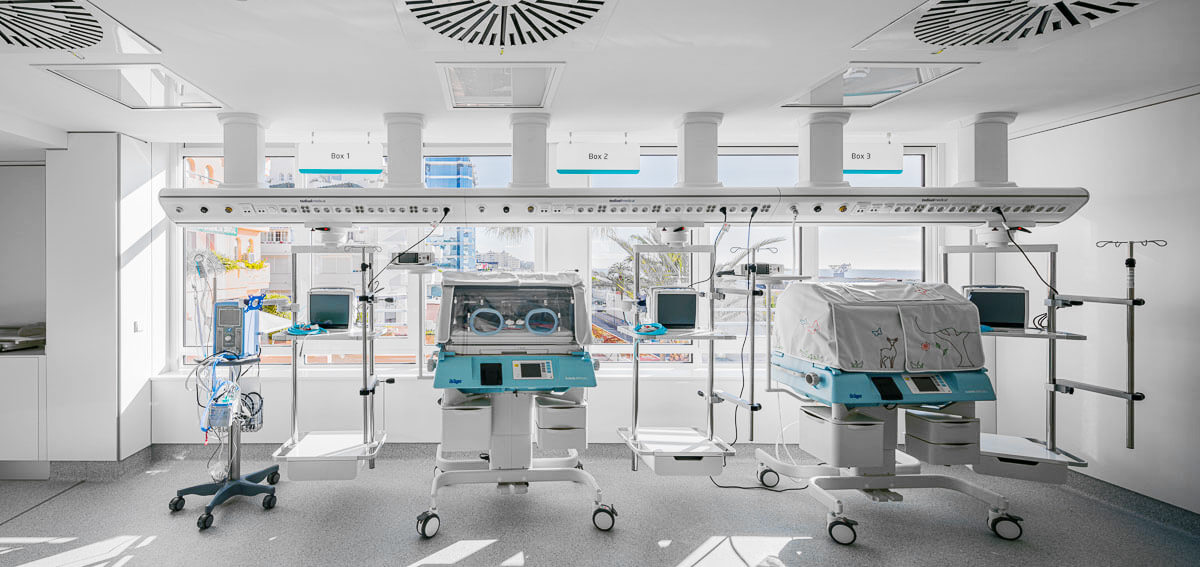
At Tedisel Medical, we fully understand the importance of equipment that effectively suits both the design of the environment within the NICU room and the improvement and streamlining of work. That’s why our suspended units are highly qualified to provide optimal care and promote the well-being of premature infants, as well as to improve the efficiency and effectiveness of medical staff. The following are some of these reasons:


1. Safety and Well-Being of Preterm Infants

Premature infants are extremely vulnerable and require a carefully controlled environment for their survival and development. The right hospital equipment can make a big difference in:

  • Accurate and Continuous Monitoring: Advanced vital monitoring equipment allows for continuous and accurate surveillance of infants’ vital signs, which is crucial for detecting and responding quickly to any changes in their condition.
  • Environmental Control: Proper regulation of temperature, humidity and light levels is essential. Equipment such as incubators and environmental control systems help create a stable environment that protects babies from adverse external factors.
  • Sensory Stress Reduction: The use of technologies that minimize noise and vibration can reduce stress in infants, which is critical to their neurological and overall development.


2. Efficiency and Effectiveness of the Medical Staff

Medical staff in the NICU must be able to perform their work as efficiently as possible to provide optimal care for infants. The design and layout of hospital equipment play a crucial role in this:

  • Accessibility and Ergonomics: Hospital equipment should be located so that it is easily accessible to physicians and nurses, allowing them to perform their tasks quickly and with less physical effort. This includes the arrangement of monitors, respirators and other critical devices.
  • Optimized Workflow: A room design that facilitates movement and communication among staff can significantly improve workflow. This includes strategic placement of workstations, storage areas and well-designed hospital equipment. 


Hospital Quirónsalud Marbella


3. Improving the Quality of Care

Advanced technology and thoughtful design can lead to significant improvements in the quality of care provided:

  • Accuracy in Treatments: State-of-the-art equipment allows for the precise administration of drugs and treatments, reducing the risk of errors and improving clinical outcomes.
  • Facilitation of Medical Procedures: Tools and devices specifically designed for the NICU can make medical procedures less invasive and more effective, which is crucial for fragile infants.


4. Emotional Support for Parents

The design of the NICU environment and the layout of hospital equipment can also influence the experience of parents, who are going through an extremely difficult time:

  • Family Interaction Spaces: Areas designed for parents to safely interact with their babies can provide important emotional support. Equipment that allows skin-to-skin contact (kangaroo method) and participation in daily care is beneficial for both babies and parents.
  • Communication and Education: Technology that facilitates communication between medical staff and parents, as well as educational tools about caring for their babies, can empower parents and reduce their anxiety.


“At Tedisel Medical we are dedicated to providing comprehensive solutions in hospital equipment and its arrangement in the NICU. We recognize that this is not only crucial for the direct care of premature infants, but also for optimizing the work of medical staff and providing emotional support to families.“


A well-designed and equipped environment can have a significant impact on clinical outcomes and the overall NICU experience. Through a constant combination of research, technology and best practices, we seek to create an environment that not only minimizes harmful noise, but also provides positive sound stimuli necessary for the healthy growth and development of these vulnerable patients.
Read more
06Aug

Humanization and Consequences of Environmental Noise in the Hospital Environment: A Vital Challenge

August 6, 2024 tedisel Critical Areas, Hospital technology, Hospitals

In the hospital environment, especially in Intensive Care Units (ICU), noise is not only a nuisance, but a critical factor affecting the health and well-being of patients. The severity of the conditions of patients admitted to these areas requires more rigorous measures to control this element, whose impact is often underestimated. Noise can significantly aggravate the condition of critically ill patients, underscoring the urgency of addressing this problem effectively to ensure optimal care in delicate situations.

Noise in hospital environments can have adverse physical and psychological consequences on the health of individuals. From sleep disturbance and demotivation to decreased performance and communication difficulties, its effects are varied and detrimental. In addition, noise can trigger physiological stress responses, such as increased blood pressure and heart rate, as well as changes in the levels of hormones such as noradrenaline, adrenaline and cortisol, which negatively affect the overall health of patients.

The World Health Organization (WHO) highlights the adverse effects of noise on hearing and sleep, stating that it should not exceed 30 decibels (dB) to ensure an adequate night’s rest and avoid interference with physiological functions and mental health. In the case of hospitals, especially in critical areas such as ICUs, it is recommended to maintain the decibel range between 30 and 40 dB to protect the health of patients.

To address this challenge, the implementation of tools that measure, monitor, and manage environmental noise in ICUs is crucial. In addition, strategies based on circadian rhythm, such as regulating lighting and establishing clear daily routines through clocks and calendars, can improve the ICU experience for patients. Adjustments in family visits, especially during prolonged stays or critical times, can also provide additional emotional support that contributes to patients’ well-being.


Noise in hospital environments can have adverse physical and psychological consequences on the health of individuals


Related projects

An outstanding example of innovation in this regard is the Smart ICU project at Vall de Hebron Hospital, which has transformed intensive care through advanced technologies and intelligent data management. This initiative, a pioneer in Spain, allows continuous, real-time monitoring of patients, improving the quality of care and facilitating medical research.

Another innovative project that seeks to humanize the ICU is the “A Wish Granted” initiative of Hospital Quirónsalud Córdoba, which gives patients the opportunity to receive a personalized gift during their stay in the unit, providing an additional stimulus in their recovery process and connection with the outside world.


Air Quality and Temperature: Key Elements in the Hospital Environment

Air management in these hospital areas is highly specialized compared to other hospital sectors. In addition to complying with general energy recovery standards to avoid waste, an exceptionally high level of filtration is required within the cubicles, reaching Class I. This implies the use of up to three consecutive filtration levels, the last one being a HEPA (High Efficiency Particulate Air) filter. The flow of renewed air must reach 30 cubic meters per hour per square meter, ensuring that the air in the room is renewed about 10 times every hour.

As for temperature, it is maintained within a narrow range, generally between 22º and 24º Celsius, with a controlled relative humidity between 44% and 55%. To achieve this level of control, precise climate control is required to match both the outside conditions and the energy needs of the system. This control is achieved by means of climate control units located on the roof of the building. 

These large, yet relatively lightweight units mark a significant step forward in improving care in intensive care units. Equipped with internal humidification systems that maintain air humidity at optimal and constant levels, they represent an innovation that directly impacts the physical, emotional and psychological well-being of patients during difficult moments in their lives.

On the other hand, Bellvitge Hospital has implemented a significant transformation in its ICU, using multisensory technology to improve both the physical and emotional well-being of critical patients. By incorporating elements such as lights, projections, sounds and vibrations, this medical center has redesigned the 64 cubicles of its ICU. The main objective is to promote both functional and cognitive rehabilitation of critical patients, offering them immersive experiences tailored to their individual needs, such as recreating natural environments, calm night environments or showing personal photographs to generate a more comfortable and welcoming environment.


Humanization in the ICU

A recent project in the Intensive Care Unit (ICU) recognizes the importance of addressing the emotional and psychological needs of critically ill patients. Although this medical environment is designed to handle complex situations, it is crucial to remember that each patient is an individual with unique emotions.

“The state of vulnerability in which they find themselves can lead to significant emotional disturbances. Therefore, it is essential that the ICU team of professionals not only focus on the physical aspects of care, but also consider the emotional and psychological well-being of patients.“


As Dr. Melcior Martínez, head of the ICU at Quirónsalud Badalona Hospital, emphasizes, this comprehensive care is essential to provide quality care and promote the satisfactory recovery of patients.

These initiatives, along with other measures to humanize the ICU experience, are key to promoting a faster and more successful recovery. By emphasizing the individual needs of each patient and providing a calmer and more welcoming hospital environment.

That is why at Tedisel Medical we are committed to offering the best solutions for ICUs, such as our Suspended systems that have been successfully implemented in numerous units, seeking the optimization and ergonomics that are so necessary in these crucial spaces for health.


Universitary Hospital of Pilsen


Read more
12Feb

Optimizing patient and staff care: the crucial role of efficient workflow in the operating room and ICU

February 12, 2024 tedisel Critical Areas, Hospitals, Medical equipment, Operating Rooms

Did you know that behind every successful surgery and critical patient care lies complex medical equipment and a team of highly skilled professionals? The key lies in sophisticated medical equipment and coordinated collaboration among healthcare professionals.

“These aspects materialize through efficient workflows in the Operating Room (OR) and Intensive Care Unit (ICU), crucial elements ensuring optimal outcomes for both patients and medical staff.”


Crucial Coordination: The Determining Role of Workflow in the OR and ICU

Efficient workflows in the OR and ICU play a crucial role in reducing errors and ensuring seamless coordination among healthcare professionals and hospital staff. In the OR, centralized and well-coordinated optimization involves precise steps such as patient preparation, anesthesia administration, and surgical execution. Collaboration among surgeons, anesthesiologists, nurses, and support staff is imperative to provide the best patient care. Similarly, workflow in the ICU focuses on continuous monitoring and treatment of critically ill patients, requiring effective communication and coordination to address changing patient needs.

Effective workflow management goes beyond mere efficiency; it constitutes a critical component in both patient and clinical staff experience, encompassing aspects of safety and positive health outcomes. Given the gravity of the consequences that can arise from errors or delays, hospitals must make significant investments in high-quality medical equipment to minimize potential risks. In this context, the contribution of Tediselmedical stands out, offering a wide range of models specifically designed for the ICU and OR, providing optimal solutions for hospital environments.


Crucial Coordination: The Determining Role of Workflow in the OR and ICU


Challenges in OR Control Systems: The Critical Relevance of Efficient Integration

The introduction of advanced diagnostic and imaging technologies in operating rooms and intervention rooms has transformed these spaces into increasingly complex and crowded environments, filled with various medical devices and screens. In addition to tables and lighting, temperature regulations, time, numerous procedure screens, communication system monitors, etc… are rapidly being integrated into the hybrid operating room setup.

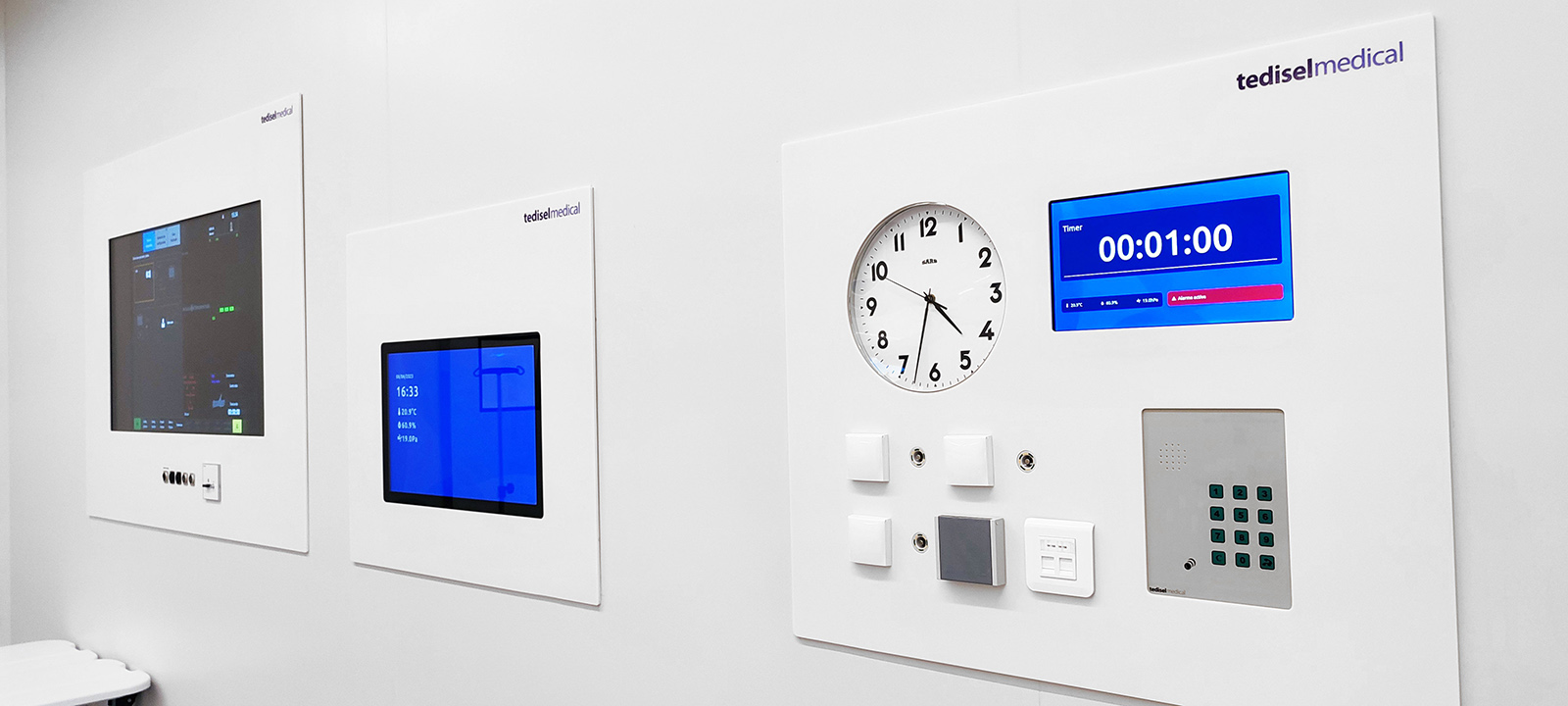
OR centralization systems like our Q-PANEL and DIAMOND models have been developed to simplify and optimize the operating room, unifying data and providing access to video and controls for all devices through a central panel. This allows perioperative staff to efficiently perform various tasks without the need to extensively move around the operating room, while ensuring optimal patient safety.


Optimizing Patient and Staff Care: The Crucial Role of Efficient Workflow in the Operating Room and ICU


Surgical Optimization with Tedisel Technical Panels

The introduction of centralization systems in operating rooms with our innovative technical panels, such as the Diamond model and the Q Panel, brings notable benefits for medical work optimization. This approach allows the medical team to perform a greater number of interventions in the same room, eliminating the need to transfer material or personnel between different spaces, a common practice in conventional operating rooms. The advanced functionality of our panels significantly enhances safety, efficiency, ergonomics, and productivity in hybrid operating rooms.

Specific advantages include:

  • Quick Access to Crucial Information: Our panels ensure quick access to crucial information (Hermes Software), without typical distractions or interruptions.
  • Flexibility with Control: Q Panel controls allow easy room reconfiguration, adapting front doors to different elements, features, and accessories as per specific needs.
  • Efficiency in Preparation and Cleaning: Simplification of equipment connection and disconnection between interventions streamlines preparations and cleaning.
  • Customized Design for the Operating Room: The installation and arrangement of our equipment are meticulously designed to meet the specific needs of the operating room, providing solutions that enhance the overall effectiveness of the surgical process.


Clínica Girona


Hospital Distrital Beja (Portugal)


In summary, optimizing workflow in the OR and ICU emerges as a critical factor directly impacting patient safety and outcomes. Tedisel’s outstanding contribution in this field is manifested through a variety of meticulously designed models to adapt to the complexities of contemporary hospital environments. Tedisel’s implementation of advanced technologies not only simplifies procedures but also enhances the overall effectiveness of the surgical process, setting a standard for a future of more efficient and safer healthcare. Ultimately, Tedisel’s constant pursuit of excellence reflects its commitment to continuous improvement in patient care and the medical staff experience in the hospital environment.


Read more
06Sep

Quality Hospital Equipment in Critical Areas: Ensuring Effective and Safe Medical Care

September 6, 2023 tedisel Critical Areas, Medical equipment

Medical care in hospitals is a complex process that demands the collaboration of doctors, nurses, technical staff and an adequate infrastructure. However, one of the most fundamental aspects of ensuring quality care lies in hospital equipment. Particularly in critical areas of hospitals, such as intensive care units (ICU), operating rooms and emergency units, adequate and quality equipment is essential to provide efficient and safe treatment to patients.


In this article, we will explore the importance of quality hospital equipment in critical areas and how its relevance positively impacts medical care for both healthcare personnel and patients. Through understanding this crucial aspect, we will be able to understand how the choice of safe, accurate and reliable devices can make the difference between effective care and potentially risky care in critical medical environments.


We will explore the importance of quality hospital equipment in critical areas and how its relevance positively impacts medical care for both healthcare personnel and patients


Hospital equipment in critical areas

The quality of hospital equipment in critical areas is essential to ensure the safety, accuracy and reliability of medical care. These medical devices play a crucial role in the continuous monitoring of patients, the accurate administration of medications, the performance of surgical interventions and the efficient response to emergency situations. Choosing safe, high-quality devices can make the difference between effective and safe care and a potential risk to patients’ health.

Quality hospital equipment is reflected in several key aspects:


1. Patient safety
Patient safety is a top priority, and quality medical devices play a crucial role in this regard. These devices are designed and manufactured to the highest safety standards, ensuring the protection of patients during their medical care. The reliability and proper maintenance of these devices significantly reduce the possibility of errors or failures that could jeopardize patient safety. With reliable equipment, healthcare professionals can provide safer and more effective care, which translates into greater peace of mind for both patients and their families. In medical environments where every decision can have a critical impact on patients’ lives, the safety offered by these devices is essential to ensure quality care and prevent adverse situations. 


2. Accuracy and reliability
of medical devices are critical in critical areas such as Intensive Care Units (ICUs), where critically ill patients require constant monitoring. Accurate equipment enables timely assessment and response to changes in the patient’s condition, while reliability ensures continuous care without unnecessary interruptions. Accurate measurements facilitate informed decisions to provide appropriate treatment, and the absence of technical failure ensures a safe environment for healthcare professionals and patients, which is vital to providing quality care and preserving lives.


3. Efficiency and productivity
Quality hospital equipment plays an essential role in improving the efficiency and productivity of medical and nursing staff. Modern, well-designed devices are designed to simplify processes, enable intuitive operation and facilitate integration with other hospital systems. By optimizing these capabilities, quality equipment reduces staff workload, giving them more time to focus on direct patient care. The automation and efficiency of these devices allow healthcare professionals to devote more energy and focus to providing high-quality, comprehensive care, improving the experience for both staff and patients.


4. Technological innovation
The quality of hospital equipment is closely related to the incorporation of technological innovation in the medical field. Advances in technology have given rise to the development of more advanced and specialized equipment, such as high-resolution imaging systems, robot-assisted surgery devices and latest generation patient monitors. These innovations enable more precise, less invasive and highly personalized medical care. By adopting these innovative technologies, hospitals can provide more effective treatments and with enhanced results, which improves the quality of life of patients and strengthens the position of the medical center as a referent in the cutting edge of medicine.


5. Cost-effectiveness
Although quality hospital equipment may have a higher initial cost, it is often more cost-effective in the long run. Quality devices are designed to withstand prolonged use and often require less maintenance, resulting in lower repair and replacement costs over time. In addition, these devices offer superior overall performance, which streamlines medical processes and provides more effective outcomes. Increased patient satisfaction from receiving effective, high-quality care also contributes to a hospital’s positive reputation, which can attract more patients and generate more revenue.


The quality of hospital equipment in critical areas is essential to ensure the safety, accuracy and reliability of medical care


Medical Equipment for Critical Areas: Innovative Solutions from Tedisel Medical

As Tedisel Medical, we understand the importance of optimizing space and facilitating the mobilization of staff in critical areas of hospitals. That’s why we have developed a range of ceiling mounts designed specifically to meet these needs.

Our flagship product, Abitus, is a highly ergonomic and flexible ceiling suspension that allows up to two sliding columns per bed, providing the maximum versatility and robustness in the market. We also present Atlas, another outstanding option that offers varied solutions and stands out for the possibility of placing accessories on technical rails and vertical trolleys. We also have Ares, a compact hanging system designed to optimize space in critical areas.


ABITUS/COLUMN – Hospital Virgen del Camino (SPAIN)


As part of our commitment to excellence in medical equipment, we are excited to present one of our most recent projects: the installation of the Atlas model at Beja Hospital, Portugal. Designed especially for critical areas such as ICU and neonatology, this project has been a unique opportunity to demonstrate how our innovative solutions can make a real difference in the efficiency and fluidity of the medical staff’s work, while optimizing the available space for more effective care. If you are interested in learning more about how our solutions have improved the quality of care in various hospitals and medical centers, we invite you to explore our success stories and contact us to find the perfect solution for your needs.


Hospital Equipment for Critical Areas: Innovative Solutions from Tedisel Medical
ATLAS – Hospital Distrital de Beja (PORTUGAL)


In conclusion, it is clear that the importance of quality hospital equipment in critical areas of hospitals is inescapable. These devices play a crucial role in patient safety, operational efficiency, diagnostic accuracy and the provision of high quality care. Investing in quality equipment and properly maintaining it enables hospitals to create a safe and efficient environment for patient care, thereby improving medical outcomes and the overall care experience. With accurate and reliable devices, medical and nursing staff can focus on providing more effective care and spend more time directly on patient care. Incorporating innovative technologies and solutions tailored to the specific needs of critical areas drives the evolution of medicine and ensures advanced and effective medical care.

At Tedisel Medical, we are committed to continuing to provide state-of-the-art equipment solutions designed to optimize medical care in critical environments and contribute to a safer and more efficient healthcare system. If you are looking to improve the efficiency and quality of care in your hospital, contact us to find the ideal solution for your needs. Together, we can continue to raise the standards of care and provide excellent patient care in critical areas.

Read more
14Nov

The importance of technology in healthcare

November 14, 2022 tedisel Critical Areas, Medical equipment, Operating Rooms, Software, technical panel

The revolution we are experiencing in healthcare, especially in the wake of the pandemic, is the result of improvements in technology and digitization, whether for the design of hospitals, operating theatres, new intervention techniques, patient care… 


The commitment to innovation and technology for our well-being

The technology & innovation binomial is behind the paradigm shift in our health and well-being. 

Thanks to their mutual understanding, and with hospital engineering, Big Data, IoMT and 5G as a backdrop, we obtain millions of health care data every day, allowing us to reformulate health policies and make informed decisions. And by equipping healthcare workers with better tools, medical and care errors are being reduced like never before.

The use of innovative portable medical devices such as calorie or exercise trackers, oximeters, etc., together with the growth of telemedicine applications and platforms, virtual reality in health, robotic surgery or even artificial organs, represent a before and after in medicine.


Growth of telemedicine applications and platforms, virtual reality in health or robotic surgery


The Covid-19 pandemic as a driver of innovation in the health sector

One of the main consequences of the Covid-19 pandemic has been the drive for innovation in healthcare, promoting new and better technologies to tackle any healthcare challenge of this magnitude.

Whether out of obligation, necessity or a desire for cutting-edge innovation in healthcare, the COVID-19 pandemic has highlighted the need for innovative technologies that improve health outcomes, providing rapid solutions even in environments where infrastructure and resources are scarce. 


The telemedicine push

New methods and systems for health management and monitoring were catapulted during the collapse of healthcare facilities in the pandemic. 

The enormous problems of face-to-face healthcare generated the need to promote telemedicine, an option that has opened up a new landscape of medical care and telematic monitoring. This is the use of ICT (information technology) in remote healthcare, whether to diagnose, monitor or treat the patient.

Videoconferencing, the use of smartphone apps to monitor our health, remote procedures and other telemedicine tools represent significant financial and logistical savings for healthcare systems, facilitating personalised care at any time of day from a single platform. In addition, it reinforces security and the need for real and up-to-date information for patients with complicated health situations.  


“Video consultations, digital telemedicine kits and the use of artificial intelligence for diagnosis are a health trend that is here to stay.”


Telemedicine push


Robotic procedures: greater precision, efficiency and speed

Another of the fastest growing healthcare technology sectors is robotics. Robots have transformed surgery, simplifying times and deliveries or facilitating disinfection, as well as almost completely eliminating human error and allowing real, live interaction. 

Some of the portable medical robots are:

  • Surgical assisting robots: Help surgeons complete complex micro-procedures without making large incisions.
  • Cleaning robots: Disinfect hospitals and their areas. 
  • Diagnostic robots: Store hundreds of thousands of images to help diagnose disease.


“Thanks to artificial intelligence and 5G, robotic technology has entered the healthcare sector to take a fundamental and necessary step forward in hospitals around the world.”


Surgical assisting robots


Robotic intelligence and software advances

Advances in software are one of the mainstays of the increased use of intelligent robotics in hospitals. Proof of this are the Q Panel or Diamond technical panels, which allow centralised control of the operating theatre, or the Hermes software itself, the digital brain to centralise all controls and obtain data and analysis of the operating theatre or critical area.


Paneles técnicos Q Panel o Diamond


If you want to know more about our technical panels, critical area control software and the revolution they are part of together with IoMT in the healthcare sector, click here.

Read more
19Oct

Technical panels in operating theatres

October 19, 2022 tedisel Critical Areas, Medical equipment, Operating Rooms, technical panel

Technical panels are one of the essential devices in every operating theatre and critical area. And in recent years, advances in design and functionality have led to significant innovation in their use and finishes.


What are technical panels and what are they used for?

Technical panels are a fundamental part of every hospital’s medical equipment. Their ergonomic and customised design allows centralised control of the operating theatre status, as well as supplying electricity.

These equipment, adaptable to the needs of the operating room, have different sizes and a variety of control and communication accessories. 

Although Corian is the ideal material due to its high resistance to chemical products, easy cleaning and disinfection, they can be manufactured in different materials, always offering safety and reliability. 

In addition to its functionality, the high quality and customisable finishes give the wall recessed installation an optimal final result.


Why are they so innovative?

Their modernisation and customisation makes it possible to complete an optimal workplace design, adapting them to the structural conditions, use and individual work processes. 

They are compatible with technical equipment and save costs and time through their installation, durability, reliability and user-friendliness. And thanks to their easy-to-clean surface, infections are prevented. At the same time, the healing of patients is stimulated by promoting a pleasant and comfortable environment for both patients and staff. 

And ultimately, in addition to its excellent functionality, the hospital projects a modern and personalised image.


What models do we have at Tedisel?

At Tedisel Medical we specialise in the manufacture of medical equipment for hospitalisation, critical areas and operating theatres. 

Among our devices and medical equipment, the Q Panel and Diamond panels stand out.

Q Panel is the classic model, famous for its Corian surface and its flexibility in terms of size and integration of components. This model can incorporate a touch screen for Hermes, the digital brain that allows centralising all controls and obtaining data and analysis of the operating room or critical area.

Diamond is a glass control and display panel that stands out for its simplicity and technology. Diamond centralises all the visual elements needed in an operating theatre or critical area and is also compatible with Hermes software. 

One of the main features shared by our range of panels is that they are registrable, i.e. it is not necessary to close the whole operating theatre to perform any maintenance task on the panel. 

In addition, both Q Panel and Diamond allow customisation of panel sizes and finishes according to the hospital’s needs. 


Features, benefits and accessories of our OR Panels


Q Panel

The Q Panel model can incorporate a large display monitor, electrical outlets, clocks, timer and many more components and provisions. It is designed to focus all the controls, elements and displays needed for an operating room, being compatible with PACS, nurse station and software control.

These are some of its features:

  • Made of Corian (other materials on request).
  • Different sizes available on request (up to 4 front doors)
  • Easy access for maintenance
  • Flush or surface mounted system
  • Touch or display screens
  • Loudspeakers


In addition, Q Panel front doors can be adapted and fitted to different elements, features and accessories, such as:

  • Internal PC
  • Foldable keyboard
  • Video and data
  • Electrical sockets
  • Digital and analogue clocks
  • Hands-free telephone
  • Alarm repeaters
  • Gas control
  • Temperature and humidity sensors/display


Diamond

Diamond also supports PACS display, nurse station and software control.

Features include:

  • Displays from 22″ to 55″  
  • FHD to 4K resolution
  • Durable black glass surface
  • Modular structure


As for its complements, the PLUS model is the best option to add accessories such as:

  • Foldable keyboard
  • Integrated PC
  • Video and data sockets
  • Electrical sockets
  • Digital clocks


Why are they important in operating theatres and critical areas?

The combination of functionality and individual design marks the importance of technical panels in operating theatres and critical areas. 

We all know that planning a new hospital or renovating old units requires a perfectly organised planning process. Especially in critical areas and patient rooms.

More and more consideration is being given to the harmonious design of rooms where devices, materials and colours work in unison to create a stimulating environment for healing and, incidentally, to reduce the length of stay of patients. 

That makes all the difference, as does flexibility and functionality. Thanks to these, we can quickly adapt to changing situations or new contexts, as seen with the Covid.19 pandemic. 

This is why good, individualised design and maximum functionality & flexibility are essential for the hospital of today and the future, and one of the parts of the medical equipment that ensures this is the technical panels.


Case studies

In Tedisel Medical we are backed up by our extensive experience promoting projects with technical panels in hospitals both nationally and internationally.

Here are some examples:Hospital de Chaves
Hospital Mora d’Ebre
Hospital Villa Tunari
SutomoPortugal
Spain
Austria
IndonesiaNizwa Hospital
Tan Hung Hospital HCM City
CHR Bertoua Maroua
Project Installation
Lebanon
Vietnam

Cameroon
UAEMiranda de Ebro
Bisperb Jerg Hospital
Sutomo
Demo Karl Storz
CMH Cahore
Spain
Italy
Indonesia
UAE
Poland
Showroom Preno
Hospital Villa Tunari
Nizwa Hospital
Tan Hung Hospital HCM City
Spain
Austria
Lebanon
Vietnam

Read more
    12
logo-tedisel-mini

An expert insight into medical equipment

SANT LLUC, 69-81 08918 BADALONA (BARCELONA · SPAIN)
+34 933 992 058  [email protected]

made_in_barcelona_OK_tedisel_medical
TUV_certificado_ISO

© 2025 Tedisel Iberica SL. All rights reserved.
Privacy Policy. Legal Note. Cookies Policy.