



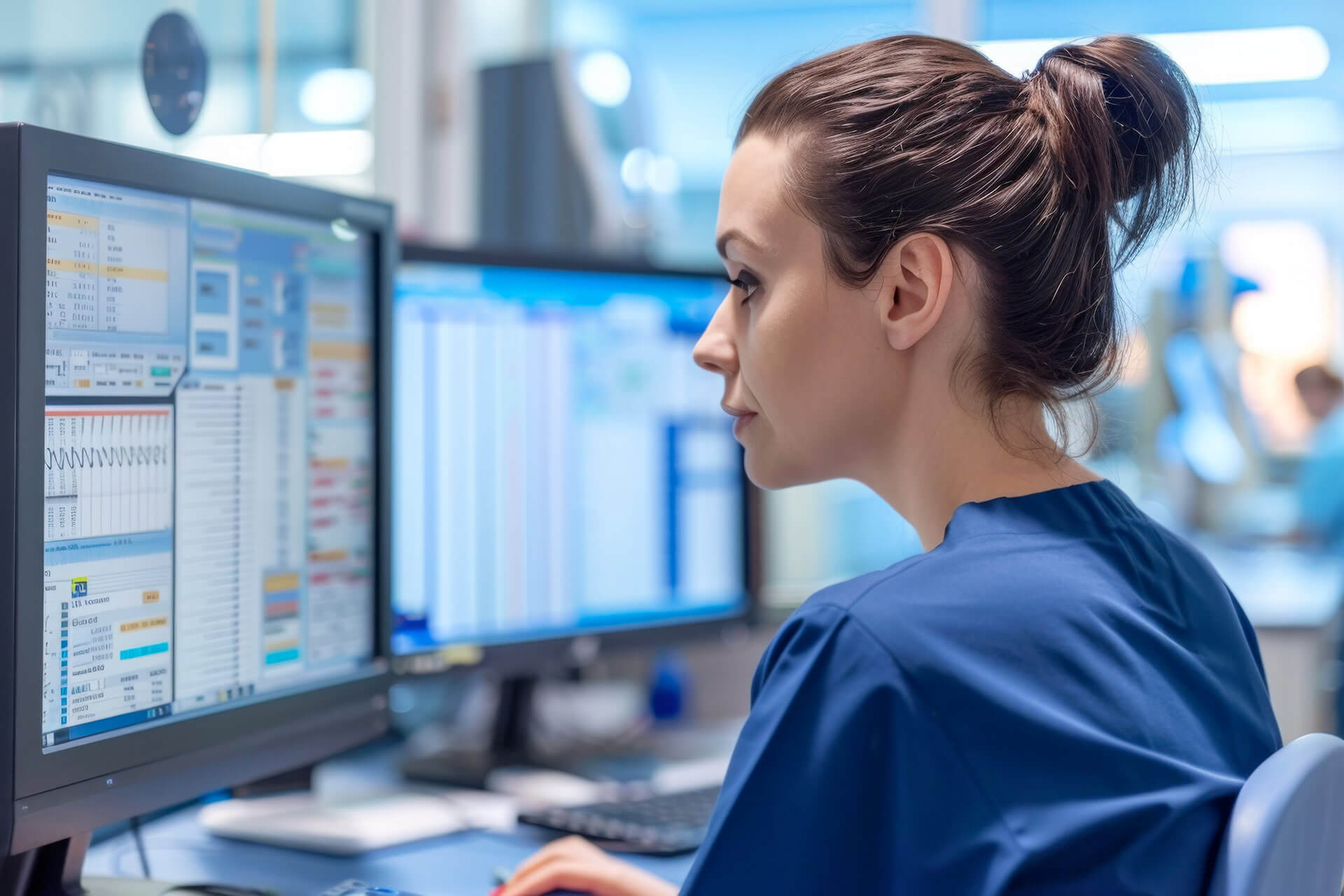
Eighty-seven percent of medical professionals report that administrative tasks are one of the main sources of stress in the work environment. This challenge underscores the need to implement solutions that improve workflow efficiency, especially in critical areas such as Intensive Care Units (ICUs). The interoperability of medical devices and the adoption of electronic documentation are presented as essential tools to reduce administrative burdens, allowing healthcare teams to focus on what really matters: patient care.
Lessons from the pandemic
The COVID-19 pandemic highlighted the need for a robust healthcare system capable of relying on technology to optimize information management. This global challenge acted as a catalyst for the accelerated implementation of technological tools, marking a turning point in the digital transformation of healthcare.
“We envision a future where interoperability elevates the ability of medical teams to deliver personalized care in critical environments.”
Medical devices will be interconnected, forming secure and reliable networks that enable new clinical applications. These new clinical applications include decision-support systems, remote monitoring and process automation, fundamental elements for more efficient and accurate care. With our integrated solutions and expertise, we are leading this change in Critical Care and Intensive Care Units.

What is interoperability?
Interoperability refers to the ability of medical devices and systems to share and exchange data in a continuous, automated and secure manner within a standardized technology network. This functionality allows information to be processed efficiently, contributing directly to the improvement of healthcare.
Benefits of interoperability
1.Improved clinical outcomes
Interoperability helps prevent adverse events by leveraging human capabilities with intelligent technologies. This enables more immediate, personalized and accurate care, significantly minimizing the margin of human error.
2. Workflow optimization
By eliminating inefficiencies, interoperability reduces the risk of errors and staff burnout. It automates tasks such as data entry or device programming, and facilitates remote access to information in integrated formats. This accessibility speeds up decision-making in real time, improving the quality of care.
3. Preparing for a flexible future
Platforms for connected medical devices that are scalable, modular, secure and based on open standards are essential. These features ensure that systems can dynamically adapt to the changing needs of the healthcare sector.
4. Automated clinical documentation
Interoperability also strengthens clinical data management by automating electronic records.
This not only speeds up access to crucial information, but also reduces errors that could compromise patient safety, ensuring more reliable and accurate care.
Tedisel Advanced Solutions
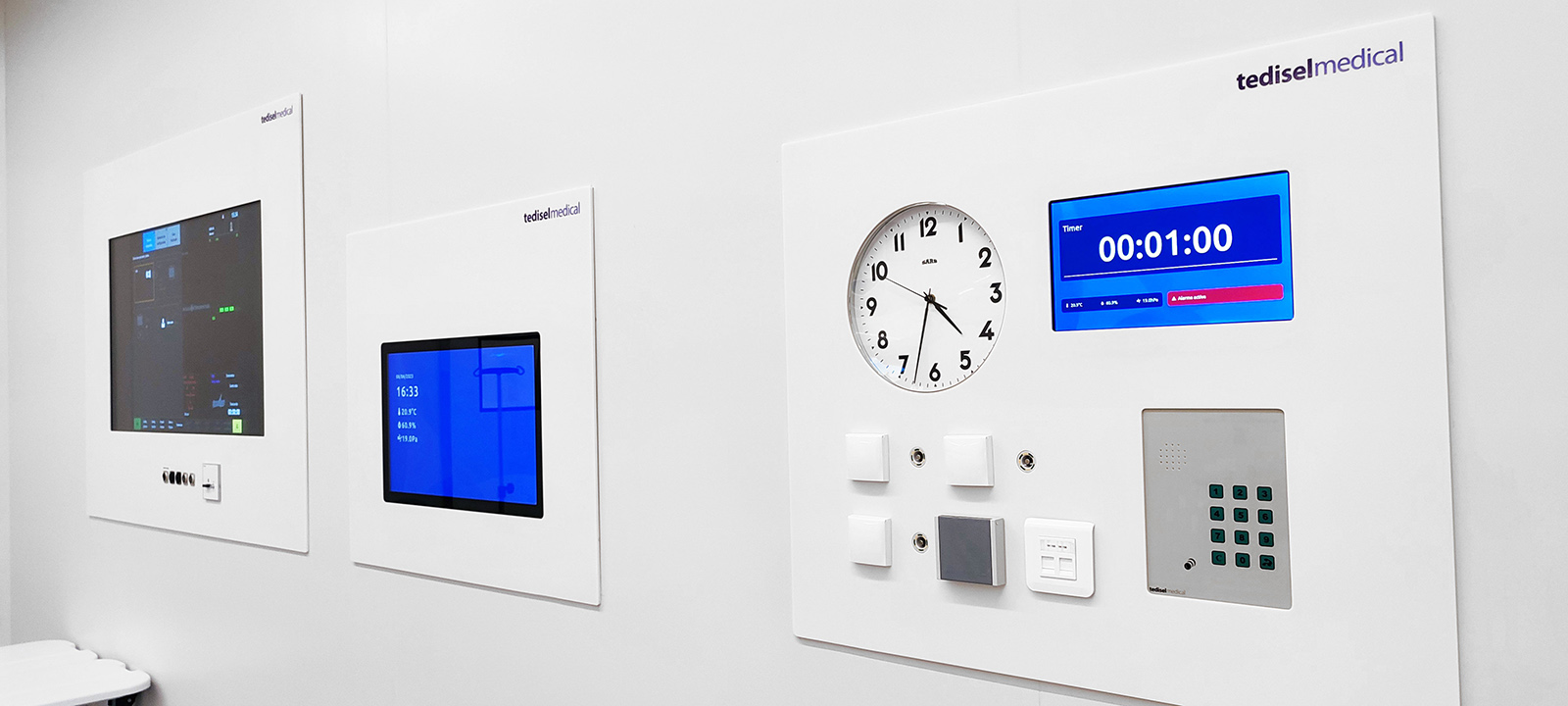
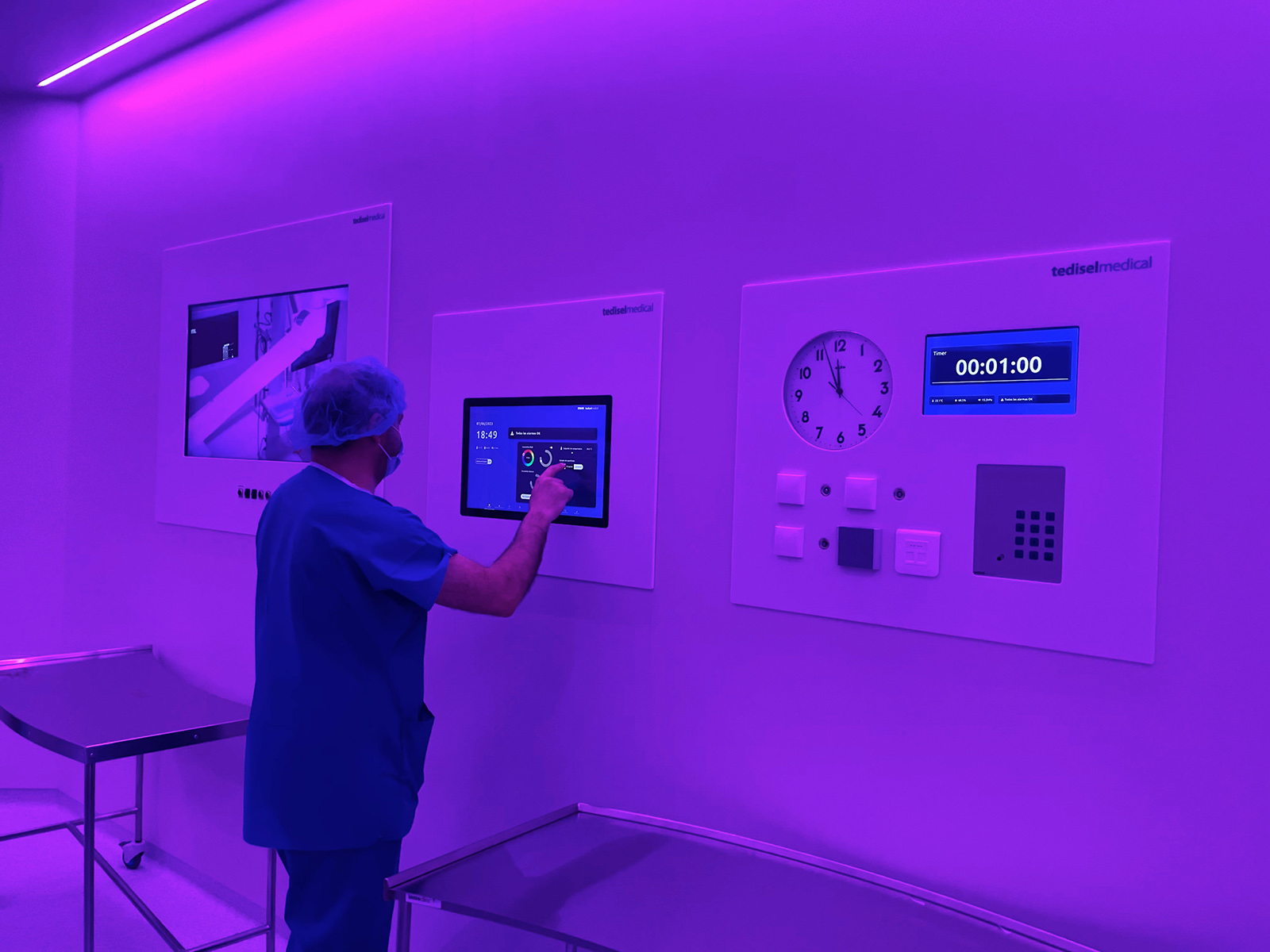
At Tedisel Medical, we offer the Hermes Software solution, fully adaptable to our Diamond and QPanel technical panels. This tool facilitates the integration of reliable electronic data on therapies, patients and medical devices into hospital information systems. It also ensures that this data is available at the point of care, improving clinical decision making in an agile and accurate manner.
Key benefits
- Reduced errors
Automating documentation minimizes errors and frees healthcare staff from tedious administrative tasks. - Improved patient care
Comprehensive, highly reliable data is at professionals’ fingertips at the critical moment of care.
Safety in critical environments: An essential priority
In critical areas, the protection of therapy and monitoring devices against unauthorized access and tampering is essential. Our commitment is to ensure a secure continuum of care, while protecting hospitals’ and patients’ sensitive assets and data, in compliance with current regulations.
Integrated cybersecurity measures
- Robust protection on devices, systems and during data exchange.
- Restricted access control to authorized users to ensure privacy and security of information.
- Guaranteed security throughout the lifetime of our products, providing long-term confidence.
Centro de Salud CMA Granollers
Case Study: Innovation in critical care
Interoperability is a strategic pillar in modern healthcare systems. Public and private sector decision makers must embrace this technology to stay at the forefront of data management and quality of care.
A prominent example is the Virgen del Rocio University Hospital, which has implemented the ehCOS SmartICU system in its intensive care units. This system enables the automation of data capture from patient-connected medical devices, integrating them directly into the electronic medical record and other hospital systems. This approach has transformed the quality of critical patient care, demonstrating the positive impact of interoperability in healthcare.
The importance of automated electronic documentation
The integration of electronic clinical records enables rapid access to accurate information, reducing errors and improving patient safety. It also ensures the availability of data at the point of care to support clinical decision making.
Advantages of electronic documentation
- Reduced risk of errors by automating records.
- Increased patient focus by reducing administrative tasks.
- Access to reliable and comprehensive medical data in real time.
Security in critical environments
In critical care, protecting devices and data is essential. Ensure a continuum of care while safeguarding sensitive hospital and patient assets and data. Implement robust cybersecurity measures that include:
- Controlling access to systems and devices for authorized users only.
- Security during data exchange.
- Protection during the entire product lifecycle.

A future driven by artificial intelligence
Digitization is advancing rapidly, and interoperability is the next logical step in data management. Technologies such as artificial intelligence will play a key role in the analysis and processing of large volumes of information.
However, this transformation is not without its challenges. It requires investment in technological infrastructure and training of professionals to operate the systems effectively.
“An essential pillar for tomorrow’s healthcare: interoperability is crucial for current and future healthcare systems. Industry leaders, both public and private, must prioritize its adoption to keep pace in data management and ensure quality healthcare.”