• Technical Panel
    • Glass Panel
    • Q Panel
  • Software – Hermes®
  • Ceiling Supply Unit

      • Motorized Column
      • Non-Motorized Column
    • S-Column
    • Abitus
    • Ares
    • Atlas
    • Tor
  • Bed Heads
    • Adonis
    • Ais
    • Antea
    • Aura
    • Aura Light
    • Icarus
    • N270
  • Projects
  • Tedisel Medical
  • News
  • Contact
  • Private zone
© 2025 Tedisel Medical. All rights reserved.
Tedisel Medical Tedisel Medical
  • Products
    • diamond_menu_tedisel_medical

      Technical Panel

      Glass Panel
      Q Panel

      submenu-software-tedisel-medical

      OR Software

      Hermes

      submenu-unidad_suministro_techo-tedisel-medical

      Ceiling Supply Unit

      Column
      > Motorized
      > Non-Motorized

      S-Column
      Abitus
      Ares
      Atlas
      Tor

      submenu-cabeceros-tedisel-medical

      Bed Head Units

      Adonis
      Ais
      Antea
      Aura
      Aura Light
      Icarus
      N270

  • Projects
  • Tedisel Medical
  • News
  • Contact
  • LOGIN
  • Products
  • Projects
  • Tedisel Medical
  • News
  • Contact
  • LOGIN
En
  • Portuguese
  • French
  • Spanish
Sign in

Sign in

Tedisel Medical
En
  • Portuguese
  • French
  • Spanish
13Jan

Sustainable trends in hospital equipment manufacturing

January 13, 2025 tedisel Hospitals, Medical equipment

Sustainability is a global priority, and hospitals are looking for ways to align with these practices every day.


In a world increasingly focused on sustainability trends, hospital equipment manufacturing is no exception.


As hospitals and healthcare facilities seek to reduce their environmental impact, medical equipment manufacturers are adopting greener practices.


These trends not only benefit the environment, but also offer economic and social advantages to the healthcare industry.


Sustainable trends in hospital equipment manufacturing


Use of recyclable materials

One of the most prominent approaches in the manufacture of sustainable hospital equipment is the use of recyclable materials.

This shift responds to the growing demand for products that minimize waste and promote the circular economy.

Recycled metals

Many medical equipment, such as stretchers, anesthesia carts and device holders, are already made from recycled metals. This reduces the extraction of new resources and reduces the energy required to produce virgin materials.

For example, the use of recycled steel can reduce carbon emissions by 50% compared to steel produced from scratch.

Reusable plastics

Plastic is a widely used material in the medical industry because of its versatility and strength. However, it is also a major source of pollution. Several manufacturers are developing innovative recyclable and biodegradable plastics to replace single-use plastics in equipment such as syringes, masks and tubing.

Sustainable glass

Glass, used in vials and other medical containers, is also being recycled and reused to a greater extent. This change reduces the amount of waste and conserves natural resources such as silica.
 

One of the most prominent approaches in the manufacture of sustainable hospital equipment is the use of recyclable materials

Hospital Universitario Guadalajara


Reducing the carbon footprint of production

Manufacturing hospital equipment has historically been an energy- and resource-intensive process. However, companies are implementing measures to minimize their carbon footprint.

This is the case of renewable energy. Many factories are adopting sources, such as solar and wind, to power their production processes, reducing greenhouse gas emissions.

On the other hand, the incorporation of advanced technologies, such as 3D printing, is revolutionizing the way equipment is manufactured. 3D printing makes it possible to manufacture parts with precision, reducing material waste and energy consumption.

In addition, the supply chain is also being optimized to reduce emissions. Transportation in electric vehicles and local production minimize the distance that products travel.


Equipment to optimize energy consumption

Hospitals, as we already know, are facilities with high energy consumption due to the constant need to keep equipment running.

Manufacturers respond to this challenge by developing devices that consume less energy without compromising efficiency. This is the case of:

LED lighting in equipment

LED lights in surgical lights and diagnostic devices are not only more durable, but also consume up to 80% less energy than traditional lights.

Energy-efficient equipment

Devices such as vital signs monitors and MRI machines are being redesigned to operate more energy-efficiently.

Intelligent energy management

Incorporating energy management systems into equipment allows hospitals to monitor and optimize energy use.


Hospital Universitario QuirónSalud Madrid


Benefits of sustainability in hospital equipment

The adoption of sustainable practices in the manufacture of hospital equipment offers multiple benefits, mainly highlighting that the reduction in the use of natural resources, the recycling of materials and the reduction of emissions preserve the environment.

There are also long-term economic savings, despite the initial investment.

And with environmental regulations becoming increasingly stringent, adopting sustainable practices not only helps to comply with these regulations, but also enhances the reputation of companies and hospitals.


Innovation and a sustainable future

Sustainability in hospital equipment manufacturing is evolving hand in hand with technological advances and new approaches such as:

Biodegradable materials

These materials can replace traditional plastics in a wide range of applications.

Circular economy

Betting on business models based on the circular economy, where products at the end of their useful life are recycled to create new equipment.

Collaboration in the value chain between manufacturers, hospitals and suppliers


“The transition to sustainability in the manufacture of hospital equipment is a necessity in the current context, and not just a mere trend. By adopting recyclable materials and designing energy-efficient equipment, the industry is leading a positive shift towards a greener future.“
 

Read more
18Dec

The implication of artificial intelligence in medical equipment manufacturing

December 18, 2024 tedisel Hospital technology, Hospitals, Medical equipment

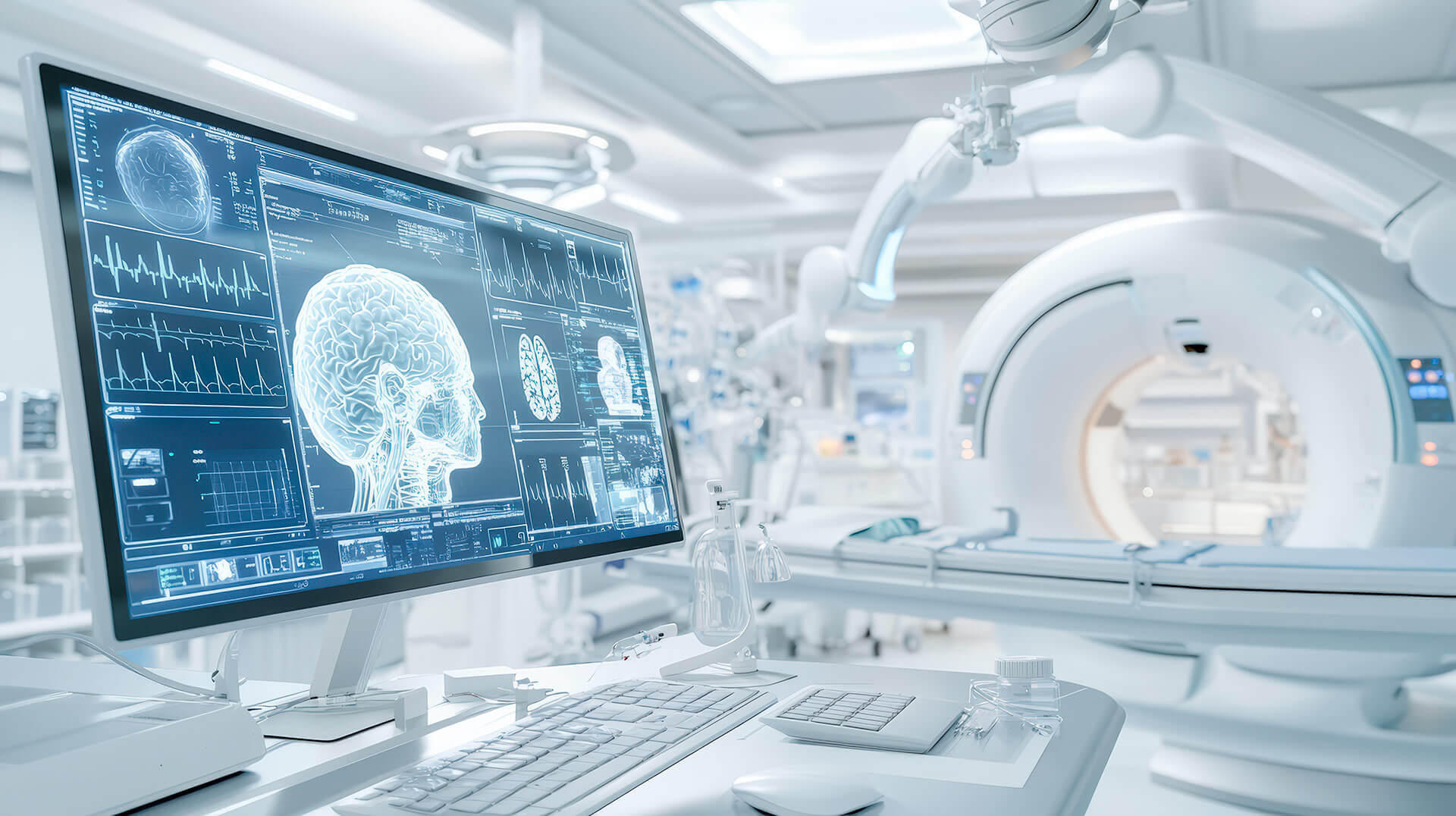
Artificial Intelligence (AI) has almost completely transformed numerous areas within the healthcare sector, and the manufacturing of medical equipment is no exception.


With advances ranging from device design to the optimization of production processes, AI has driven a leap in the quality, efficiency, and personalization of healthcare technology in hospital equipment.


But what does the application of Artificial Intelligence in the manufacturing of medical equipment actually entail?


Artificial Intelligence (AI) has almost completely transformed numerous areas within the healthcare sector, and the manufacturing of medical equipment is no exception


Optimized device design

AI helps design medical devices with unprecedented precision. Machine learning tools can analyze vast amounts of clinical and biomechanical data to create customized designs tailored to the specific needs of patients.

For example, algorithms can identify patterns in medical imaging data, such as X-rays or CT scans, to generate prosthetics that accurately replicate a patient’s anatomy.

Additionally, AI can predict device performance prior to manufacturing through virtual simulations.


Additive manufacturing, personalization, and automated processes

Additive manufacturing, such as 3D printing, has clearly benefited from AI. Printing parameters like temperature, speed, and materials are optimized to ensure consistent, high-quality results.

AI also revolutionizes production lines through intelligent automation. AI-guided robots are capable of assembling medical devices with micrometric precision, minimizing the likelihood of human errors.

Moreover, AI-based systems can predict the maintenance needs of production machinery by analyzing real-time data and using machine learning models to detect wear before it becomes a critical issue.


Benefits of AI in medical equipment manufacturing

AI enhances efficiency by optimizing every stage of manufacturing, from design to production and distribution. This results in lower costs and reduced time to market for new medical devices.

“Ability of artificial intellegence to accurately analyze data helps identify product defects long before they reach the market, enabling manufacturers to deliver customized medical devices at scale.“


Practical examples in the healthcare industry

Some noteworthy advancements include surgical robots performing procedures with remarkable precision, wearable devices for cardiovascular health monitoring, and smart glucose meters that aid in managing chronic conditions like diabetes.

Other innovative technologies include digital twins, which simulate treatments based on personalized data, and sleep tracking devices that improve rest and recovery for patients and athletes.


Benefits of AI in medical equipment manufacturing. Some noteworthy advancements include surgical robots performing procedures with remarkable precision.


Challenges of AI in healthcare

Of course, it’s not all smooth sailing.

There are several challenges to address. For starters, the manufacturing of medical devices is highly regulated, and incorporating AI adds an extra layer of complexity. Manufacturers must demonstrate that their AI-based systems are safe, effective, and compliant with applicable regulations.

Furthermore, AI relies on large volumes of data to function well, raising concerns about patient information privacy and security. In addition to strict measures to protect this data, there’s the challenge of integrating AI with existing systems, which is not always straightforward.

Finally, there is a reliance on specialized talent, which can be difficult to recruit or find.


The future of the AI & medical equipment tandem

With the momentum of AI technology, its impact on hospital equipment is set to grow significantly in the short and medium term.

Emerging trends influenced by AI include:


Smart and connected devices
The integration of sensors and machine learning capabilities in medical devices will enable real-time patient health monitoring and automatic adjustments of device performance.


Enhanced simulation
AI-based models will simulate real-world conditions with greater accuracy, improving device design and validation.


“Artificial intelligence has permanently transformed the landscape of medical equipment manufacturing, enhancing the efficiency, quality, and personalization of devices.


Read more
16Dec

Care-Centered Work Environments: Designing Hospital Solutions for the Future

December 16, 2024 tedisel Hospital technology, Hospitals, Medical equipment

In an ever-changing environment, where healthcare demands are rapidly evolving, the design of functional, safe and versatile workspaces stands as an essential component to ensure excellent services.

Careful and well-structured design not only optimizes the efficiency and productivity of healthcare staff, but also enhances clinical outcomes and ensures a safer and more satisfying experience for patients.


Care-Centered Work Environments: Designing Hospital Solutions for the Future


The Relevance of Strategic Planning and Design in Hospitals

Hospital architecture and strategic planning are critical to ensure efficient and sustainable operations over time. Forward-thinking hospital design not only improves daily workflows, but also enables agile integration of new technologies and adapts to the growing demands of the healthcare sector.

Every element, from spatial organization to the strategic placement of medical equipment, directly impacts the optimization of internal processes. These design decisions not only streamline daily activities, but also minimize the operational burden on staff, improving their performance and promoting a more functional and safer work environment.


“Effective planning not only responds to today’s needs, but anticipates tomorrow’s challenges, laying the foundation for a more resilient and adaptable healthcare system.“


The Relevance of Strategic Planning and Design in Hospitals


Medical Supply Units: Ensuring Efficiency and Versatility

In critical areas of a hospital, such as operating rooms and intensive care units, medical supply units such as ABITUS, ARES, ATLAS and TOR play a vital role in organization, safety and work efficiency. These suspended and integrated solutions are designed with flexibility to adapt to the specific needs of each environment, optimizing space layout.

In addition to improving ergonomics and preventing disorganization, these units reduce risks associated with equipment handling and provide quick and orderly access to necessary supplies. With these innovations, healthcare professionals can focus on providing quality care without unnecessary distractions.


Hospital HC Miraflores


Infection Prevention and Control: A Non-Negotiable Priority

The control of hospital-acquired infections, known as nosocomial infections, is one of the greatest challenges in modern healthcare. These infections pose significant risks to both patient health and hospital operating costs, in addition to increasing the burden of care for healthcare personnel.

To address this, it is essential to implement robust hygiene and prevention strategies that include strict protocols and the use of advanced technologies designed to minimize the spread of pathogens. This proactive approach not only reinforces safety in all areas of the hospital, but also protects the health of patients and workers.


Comprehensive Services that Create Value

Our commitment goes beyond manufacturing quality products; we offer a comprehensive approach that seeks to enhance every hospital investment. We provide specialized technical support, personalized consulting and ongoing training to keep medical equipment operating at peak performance.

This approach not only prolongs the useful life of devices, but also ensures constant uptime, reducing downtime and maximizing overall hospital performance. With our solutions, we ensure that professionals can focus on what really matters: saving lives.


Hospital Materno Infantil Quirónsalud de Sevilla


Designing the Future of Healthcare

Creating care-centered hospital environments involves much more than infrastructure; it is a combination of intelligent design, technological innovation and continuous training. By providing solutions that optimize functionality, enhance safety and ensure sustainability, we are helping to build hospitals ready for the challenges of tomorrow.


“By combining strategic planning, advanced medical systems, rigorous infection control, and training and support services, we are setting new standards in healthcare, with an approach that puts both patients and staff first.“


Read more
10Oct

Music therapy in hospitals: improving well-being

October 10, 2024 tedisel Hospitals

Have you heard of music therapy in hospitals?

Numerous studies have shown that the professional use of music has positive effects on people, leading to its application in a variety of health-related contexts. 


What is hospital music therapy?

Hospital music therapy is a therapeutic discipline that uses music to improve patients’ physical, emotional and mental well-being. 

In the hospital setting, music can be a powerful tool for relieving stress, reducing pain and facilitating patient recovery, leading more and more hospitals to include it in their complementary treatments.


Hospital music therapy is a therapeutic discipline that uses music to improve patients' physical, emotional and mental well-being


Objectives of music therapy in hospitals

The objectives of hospital music therapy are tailored to specific patient needs and clinical contexts. Among the most important are

  • Pain reduction: through active listening or musical improvisation, music can help divert attention from pain.
  • Reducing anxiety and stress: music therapy aims to create an atmosphere of relaxation and reduce psychological distress.
  • Improved emotional state: music is a powerful emotional channel, and music therapy seeks to improve patients’ moods, alleviating feelings of depression, loneliness or despair.
  • Cognitive and sensory stimulation: in patients with neurological diseases, music therapy can be used to improve cognitive, sensory and motor skills.
  • Facilitating emotional expression: in situations of illness, patients often have difficulty expressing their feelings verbally. Music therapy can facilitate this expression through music, helping them to process their emotions.
  • Palliative care support: music therapy can improve the quality of life of terminally ill patients by providing emotional and physical comfort.


The objectives of hospital music therapy are tailored to specific patient needs and clinical contexts


Benefits of music therapy in hospitals

The benefits of music therapy in the hospital setting have been widely documented. Among the most important are

  • Improved pain perception: studies have shown that music therapy can act as a non-pharmacological analgesic, helping patients to better tolerate pain. This is particularly useful in treatments such as chemotherapy or after surgery.
  • Reduced medication use: By reducing pain and anxiety, music therapy can reduce the need for medication, particularly analgesics and anxiolytics.
  • Improved quality of sleep: patients tend to notice an improvement in the quality of their sleep, which helps recovery.
  • Aids physical rehabilitation: in patients suffering from neurological disorders, music has been successfully used to improve motor control and coordination. Music therapy can be integrated into physical rehabilitation programs, helping patients to improve their mobility.
  • Emotional support for staff and loved ones: relaxation and emotional relief for loved ones and healthcare staff, who face high levels of stress in the hospital environment. 
  • Humanizing the hospital environment: it helps create a warmer, more human environment within the hospital, reducing the coldness and sense of isolation that patients often feel.


The benefits of music therapy in the hospital setting have been widely documented


Examples of music therapy in hospitals

There are many examples of the successful implementation of music therapy in hospitals around the world, with different types of patients and clinical situations.

  • Cancer patients: in many hospitals, cancer patients benefit from music therapy sessions while undergoing chemotherapy or radiotherapy. Music is used to calm anxiety before and after treatment, helping to reduce associated physical and emotional symptoms such as pain, fatigue and depression. One example is the work of Memorial Sloan Kettering Cancer Center in New York, which offers personalized music therapy sessions to cancer patients.
  • Intensive care units (ICUs): in pediatric and adult ICUs, music therapy programs have been set up to reduce patient stress and help stabilize vital functions. For example, at the Children’s National Medical Center in Washington D.C., therapists use string and soft wind instruments to create a soothing atmosphere in the neonatal ICU, helping to improve heart rate and breathing in premature babies.
  • Patients suffering from dementia or Alzheimer’s disease: in hospitals and geriatric care facilities, music therapy has proved effective in improving memory and cognition in people with dementia. By listening to music associated with their memories, patients can benefit from increased social interaction and reduced agitation.
  • Neurological rehabilitation: in cases of rehabilitation after stroke or brain injury, music therapy is used to help patients regain their motor and cognitive abilities. One example is rhythmic auditory stimulation, which uses musical rhythm to improve gait in patients with Parkinson’s disease.


“Hospital music therapy is a powerful, non-invasive intervention that dramatically improves patients’ quality of life.”

By reducing pain and anxiety, improving emotional well-being and humanizing the hospital environment, this therapy is proving to be an essential tool in healthcare, with tangible benefits for patients, families and hospital staff.


Read more
25Sep

Trends and Challenges in Hospital Construction in 2024

September 25, 2024 tedisel Hospitals

Inflation, prices, labor, and supply continue to be the main issues in hospital construction in 2024. 

This is the main finding of the 2024 Hospital Construction Survey conducted by Health Facilities Management magazine of the American Society for Health Care Engineering (ASHE).

Despite the growing demand, factors such as high inflation and a lack of skilled labor have complicated project execution, a situation worsened by ongoing global supply chain disruptions. 

These challenges have forced hospital construction project managers to make difficult decisions under increasing pressure, with delays and cost increases affecting most recent projects.


A Complex Landscape

Nearly half of the healthcare professionals surveyed have experienced cost increases and delays ranging from 76% to 100% of their projects since 2021. 

Additionally, two-thirds of managers report that the current inflationary context has led them to reduce the “scope” of their projects. This is particularly significant considering that the survey gathered opinions from over 500 managers and executives from hospitals and health systems, as well as professionals in architecture, engineering, and construction.


“Nearly half of the healthcare professionals surveyed have experienced cost increases and delays ranging from 76% to 100% of their projects since 2021.”


Inflation, prices, labor, and supply continue to be the main issues in hospital construction in 2024


Persistent Challenges

The current situation is undoubtedly complex. 

The COVID-19 pandemic, while no longer the primary threat, left a series of structural problems that continue to affect the construction of healthcare facilities. The shortage of skilled labor is one of the main challenges facing hospital construction today. The lack of qualified workers has even surpassed issues related to inflation and supply.

Consequently, competition for labor is fierce, driving up costs and causing project delays. This situation is especially delicate in markets where large industrial construction projects compete directly with healthcare facility projects for the same resources.

To mitigate these issues, organizations have begun to make significant adjustments to their projects.


“65% of respondents have reduced the scope of their projects, while 56% have turned to value engineering to keep costs under control.”


Trends and Challenges in Hospital Construction in 2024


Impact on Equipment and Infrastructure

Cost and availability issues not only affect new construction projects but also the renovation and replacement of medical equipment for hospital operations.

The focus on improving energy efficiency and decarbonization has also led to an increase in demand for electrical and energy management systems.


Investments in Technology and Cybersecurity

The survey also highlights an increase in investments in technology, especially regarding the connectivity of hospital equipment and systems.

However, this increase in connectivity also brings greater cybersecurity risks. As more critical systems are connected to hospital IT networks, the risk of cyberattacks increases.


Improvement in Project Management

Despite the challenges, hospital construction managers have learned to better manage projects in this complex environment. 

The 2024 survey shows a slight improvement in meeting deadlines and budgets compared to the previous year. This improvement is less about a reduction in market problems and more about more accurate planning and adjusted expectations.

In summary, inflation has severely impacted the hospital construction and renovation sector, which suffers from a shortage of skilled labor and materials. 

This combination of factors has not only caused delays in building and equipping hospitals but also a significant increase in costs.


Read more
10Sep

Humanizing hospital rooms: merging medical care and architectural design

September 10, 2024 tedisel bed head units, Hospitals, Medical equipment

Hospital humanization focuses on designing spaces that prioritize the patient, creating environments that facilitate faster recovery by providing safety, rest, and care.

When a patient is admitted for a medium to long period, the hospital room temporarily becomes their home. Therefore, the design of these rooms must go beyond functionality and traditional design, embracing also the humanization of the space.


Importance of the Environment in Patient Recovery

There is a direct relationship between patient recovery and the surrounding environment. In recent years, there have been numerous changes and improvements in healthcare architecture, with an increasing focus on a more human and approachable architecture, moving away from the overly medicalized environment. This trend is also reflected in the choice of medical equipment that adapts to this new humanized architecture. 


“At Tedisel Medical, we are committed to developing, innovating, and manufacturing hospital equipment to improve staff efficiency and provide quality patient care.”


Humanizing Hospital Rooms: Merging Medical Care and Architectural Design


Humanization of Hospital Spaces

The humanization of hospital spaces goes beyond providing a pleasant environment for patients; it also involves creating an optimal environment for medical and support staff. It is crucial to design considering the needs of all the people interacting in the hospital environment.

 For example, the Hospital del Mar has initiated a significant architectural transformation process to adapt to the demands for greater comfort and functionality for patients and healthcare professionals.

This project focuses on the new hospitalization areas, where priority has been given to the inclusion of natural light, controlled lighting systems and specially designed furniture to enhance the experience of all involved. In addition, advances have been introduced such as electronic tablets placed next to each bed, which will not only function as work tools for medical staff, but also as sources of entertainment and education for patients, even offering health advice. Lockers with keypad access have also been installed to ensure the safety and comfort of patients during their stay. This comprehensive approach seeks not only to optimize medical care, but also to enhance well-being and quality of life in the hospital environment.

The hospitalization areas have been designed with wide spaces and corridors, and the nursing checkpoint has been located at strategic points to facilitate communication with patients. A highlight has been the emphasis on the humanization of the spaces, with the collaboration of artist Perico Pastor, a Hospital del Mar user. Pastor has embellished the bathrooms in all the rooms with a dozen of his original works. In his own words: 


“Art is to share and to accompany. So, imagine going to a hospital and, when you feel down and enter the bathroom, you find a painting, a work of art!”


Importance of Materials and Design in Hospital Humanization

Careful choice of materials can have a significant impact on the transformation of hospital spaces, adding warmth and comfort. Using natural materials such as wood to clad medical equipment can generate a more welcoming atmosphere, providing patients and families with a sense of familiarity and tranquility in the hospital environment. A prime example of this philosophy is evident in our projects, such as the Lusíadas Porto Hospital, where our AIS headboard adapts to specific needs, always offering the best solution for patients.


At Tedisel Medical, we are committed to developing, innovating, and manufacturing hospital equipment to improve staff efficiency and provide quality patient care
Hospital Lusíadas Porto


The choice of furniture also plays a crucial role in this perception. Selecting the right medical equipment, which not only fulfills its technical function but also significantly enhances the ambiance of the room, contributes to a more human and less institutional atmosphere.

At Tedisel Medical, we are committed to integrating medical devices into the design of hospital equipment with our bed head units. We design and equip equipment with wall covering options, which helps reduce the feeling of being in a hospital environment and creates a more welcoming and less clinical environment. 

Our products stand out for their adaptability in terms of lighting. We recognize that indirect light can create a relaxed atmosphere, while focused lighting is essential for medical procedures. For this reason, we at Tedisel strive to offer a wide variety of lighting options, ranging from direct to indirect and night lighting. We introduce our Aura Light model to complement all hospitalization areas, ensuring adequate lighting for every need. In addition, we understand the importance of acoustic comfort, proper ventilation and humidity control to avoid nuisances such as unwanted noise, unpleasant odors and excessive humidity. Consequently, we are committed to ensuring that all our products comply with established regulations and requirements, ensuring an optimal and comfortable hospital environment for patients and medical staff alike.


AIS Artistic Bed Head


More private spaces and recovery-enhancing spaces

Designing more private and recovery-focused spaces is an increasingly relevant trend in the hospital setting. Creating environments where patients can feel sheltered from noise and hustle and bustle is crucial to their well-being. Examples such as the therapeutic gardens in the new extension of the Hospital Universitario 12 de Octubre illustrate this evolution towards a more serene and comforting environment. These open spaces and the integration of green areas not only promote physical recovery, but also contribute to humanizing the hospital environment, providing a haven for calm and healing.


“Functionality and optimization in all hospital areas are paramount elements that should not be neglected in the humanization process.”


The rooms must be well designed, with an optimal arrangement of hospital equipment and an appropriate selection of materials to facilitate the work of healthcare personnel. Involving staff in the design from the outset is crucial to ensure an efficient working environment. It is vital to ensure sufficient space around beds for staff and equipment, as well as accessible toilets and adequate space for wheelchair use and assistance. In addition, the integration of new technologies in hospitals can boost efficiency and improve the patient recovery process by implementing humanization projects such as those that many hospitals, such as the Vall d’Hebron Hospital Campus, are progressively implementing. Mobile applications can promote patient participation and improve direct communication between patients and healthcare staff, thus optimizing workflow and medical care.


Read more
22Aug

Improving Development in Neonatal Units: Innovative Strategies and Approaches

August 22, 2024 tedisel Critical Areas, Hospital technology, Hospitals

Neonatology units play a vital role in the care of newborns and premature infants who require specialized care in their first days of life. In addition to providing intensive care, these units also care for healthy babies in the Newborn Nursery. Neonatal care is essential in any hospital, as it responds to diagnostic, therapeutic, care and rehabilitation needs during the perinatal and neonatal period.


The Stressful Environment of Neonatal Intensive Care Units (NICU)

Neonatal intensive care units (NICUs) for premature infants are high-stress environments for all involved: the parents, who face constant anxiety and concern for their child’s health; the physicians and nursing staff, who must manage critical situations and make quick decisions; and, in particular, the infants themselves, who are exposed to multiple stressors. These factors include the constant noise of hospital equipment, bright light, frequent medical interventions and early separation from their mothers. This combination of elements not only affects the emotional well-being of everyone present, but can also interfere with the physical and neurological development of premature infants.


Improving Development in Neonatal Units: Innovative Strategies and Approaches.


The Importance of Minimizing Stress

Stress can drain energy that infants should be using for neurological growth and development. Therefore, it is critical to establish a NICU environment that promotes healthy development and minimizes stressors as much as possible.


The NICU Noise Challenge

Noise in the Neonatal Intensive Care Unit presents complex challenges for newborns. It is not only a matter of protecting infants from excessive noise levels, but also of providing them with opportunities for positive sound stimulation, a delicate balance critical to their development.

Determining when noise becomes a problem and where the line is drawn between harmful noise and healthy auditory stimuli is critical. For premature infants, whose neurological sensitivity is especially high, excessive or inappropriate sounds can be particularly harmful, interfering with their brain development and causing unnecessary stress. On the other hand, the total absence of auditory stimuli can result in an environment lacking the stimulation necessary for sensory and cognitive development.

Controlled and soft sounds, such as parental voice, soft music or nature sounds, can have positive effects, promoting calmness and facilitating neurological development. Implementing measures such as soundproofing rooms, using quieter hospital equipment and training staff on noise reduction practices are crucial steps to improve the listening environment in the NICU.


Noise in the Neonatal Intensive Care Unit presents complex challenges for newborns
Hospital Quirónsalud Córdoba


Technological Innovations for an Optimal Hearing Environment

In addition, emerging technologies such as real-time sound monitoring systems and personalized hearing interventions are being explored as innovative solutions to this problem. These tools can help create an optimal listening environment, adapting to the specific needs of each infant and minimizing the negative effects of noise.


The Importance of Hospital Equipment in the NICU

At Tedisel Medical, we fully understand the importance of equipment that effectively suits both the design of the environment within the NICU room and the improvement and streamlining of work. That’s why our suspended units are highly qualified to provide optimal care and promote the well-being of premature infants, as well as to improve the efficiency and effectiveness of medical staff. The following are some of these reasons:


1. Safety and Well-Being of Preterm Infants

Premature infants are extremely vulnerable and require a carefully controlled environment for their survival and development. The right hospital equipment can make a big difference in:

  • Accurate and Continuous Monitoring: Advanced vital monitoring equipment allows for continuous and accurate surveillance of infants’ vital signs, which is crucial for detecting and responding quickly to any changes in their condition.
  • Environmental Control: Proper regulation of temperature, humidity and light levels is essential. Equipment such as incubators and environmental control systems help create a stable environment that protects babies from adverse external factors.
  • Sensory Stress Reduction: The use of technologies that minimize noise and vibration can reduce stress in infants, which is critical to their neurological and overall development.


2. Efficiency and Effectiveness of the Medical Staff

Medical staff in the NICU must be able to perform their work as efficiently as possible to provide optimal care for infants. The design and layout of hospital equipment play a crucial role in this:

  • Accessibility and Ergonomics: Hospital equipment should be located so that it is easily accessible to physicians and nurses, allowing them to perform their tasks quickly and with less physical effort. This includes the arrangement of monitors, respirators and other critical devices.
  • Optimized Workflow: A room design that facilitates movement and communication among staff can significantly improve workflow. This includes strategic placement of workstations, storage areas and well-designed hospital equipment. 


Hospital Quirónsalud Marbella


3. Improving the Quality of Care

Advanced technology and thoughtful design can lead to significant improvements in the quality of care provided:

  • Accuracy in Treatments: State-of-the-art equipment allows for the precise administration of drugs and treatments, reducing the risk of errors and improving clinical outcomes.
  • Facilitation of Medical Procedures: Tools and devices specifically designed for the NICU can make medical procedures less invasive and more effective, which is crucial for fragile infants.


4. Emotional Support for Parents

The design of the NICU environment and the layout of hospital equipment can also influence the experience of parents, who are going through an extremely difficult time:

  • Family Interaction Spaces: Areas designed for parents to safely interact with their babies can provide important emotional support. Equipment that allows skin-to-skin contact (kangaroo method) and participation in daily care is beneficial for both babies and parents.
  • Communication and Education: Technology that facilitates communication between medical staff and parents, as well as educational tools about caring for their babies, can empower parents and reduce their anxiety.


“At Tedisel Medical we are dedicated to providing comprehensive solutions in hospital equipment and its arrangement in the NICU. We recognize that this is not only crucial for the direct care of premature infants, but also for optimizing the work of medical staff and providing emotional support to families.“


A well-designed and equipped environment can have a significant impact on clinical outcomes and the overall NICU experience. Through a constant combination of research, technology and best practices, we seek to create an environment that not only minimizes harmful noise, but also provides positive sound stimuli necessary for the healthy growth and development of these vulnerable patients.

Read more
06Aug

Humanization and Consequences of Environmental Noise in the Hospital Environment: A Vital Challenge

August 6, 2024 tedisel Critical Areas, Hospital technology, Hospitals

In the hospital environment, especially in Intensive Care Units (ICU), noise is not only a nuisance, but a critical factor affecting the health and well-being of patients. The severity of the conditions of patients admitted to these areas requires more rigorous measures to control this element, whose impact is often underestimated. Noise can significantly aggravate the condition of critically ill patients, underscoring the urgency of addressing this problem effectively to ensure optimal care in delicate situations.

Noise in hospital environments can have adverse physical and psychological consequences on the health of individuals. From sleep disturbance and demotivation to decreased performance and communication difficulties, its effects are varied and detrimental. In addition, noise can trigger physiological stress responses, such as increased blood pressure and heart rate, as well as changes in the levels of hormones such as noradrenaline, adrenaline and cortisol, which negatively affect the overall health of patients.

The World Health Organization (WHO) highlights the adverse effects of noise on hearing and sleep, stating that it should not exceed 30 decibels (dB) to ensure an adequate night’s rest and avoid interference with physiological functions and mental health. In the case of hospitals, especially in critical areas such as ICUs, it is recommended to maintain the decibel range between 30 and 40 dB to protect the health of patients.

To address this challenge, the implementation of tools that measure, monitor, and manage environmental noise in ICUs is crucial. In addition, strategies based on circadian rhythm, such as regulating lighting and establishing clear daily routines through clocks and calendars, can improve the ICU experience for patients. Adjustments in family visits, especially during prolonged stays or critical times, can also provide additional emotional support that contributes to patients’ well-being.


Noise in hospital environments can have adverse physical and psychological consequences on the health of individuals


Related projects

An outstanding example of innovation in this regard is the Smart ICU project at Vall de Hebron Hospital, which has transformed intensive care through advanced technologies and intelligent data management. This initiative, a pioneer in Spain, allows continuous, real-time monitoring of patients, improving the quality of care and facilitating medical research.

Another innovative project that seeks to humanize the ICU is the “A Wish Granted” initiative of Hospital Quirónsalud Córdoba, which gives patients the opportunity to receive a personalized gift during their stay in the unit, providing an additional stimulus in their recovery process and connection with the outside world.


Air Quality and Temperature: Key Elements in the Hospital Environment

Air management in these hospital areas is highly specialized compared to other hospital sectors. In addition to complying with general energy recovery standards to avoid waste, an exceptionally high level of filtration is required within the cubicles, reaching Class I. This implies the use of up to three consecutive filtration levels, the last one being a HEPA (High Efficiency Particulate Air) filter. The flow of renewed air must reach 30 cubic meters per hour per square meter, ensuring that the air in the room is renewed about 10 times every hour.

As for temperature, it is maintained within a narrow range, generally between 22º and 24º Celsius, with a controlled relative humidity between 44% and 55%. To achieve this level of control, precise climate control is required to match both the outside conditions and the energy needs of the system. This control is achieved by means of climate control units located on the roof of the building. 

These large, yet relatively lightweight units mark a significant step forward in improving care in intensive care units. Equipped with internal humidification systems that maintain air humidity at optimal and constant levels, they represent an innovation that directly impacts the physical, emotional and psychological well-being of patients during difficult moments in their lives.

On the other hand, Bellvitge Hospital has implemented a significant transformation in its ICU, using multisensory technology to improve both the physical and emotional well-being of critical patients. By incorporating elements such as lights, projections, sounds and vibrations, this medical center has redesigned the 64 cubicles of its ICU. The main objective is to promote both functional and cognitive rehabilitation of critical patients, offering them immersive experiences tailored to their individual needs, such as recreating natural environments, calm night environments or showing personal photographs to generate a more comfortable and welcoming environment.


Humanization in the ICU

A recent project in the Intensive Care Unit (ICU) recognizes the importance of addressing the emotional and psychological needs of critically ill patients. Although this medical environment is designed to handle complex situations, it is crucial to remember that each patient is an individual with unique emotions.

“The state of vulnerability in which they find themselves can lead to significant emotional disturbances. Therefore, it is essential that the ICU team of professionals not only focus on the physical aspects of care, but also consider the emotional and psychological well-being of patients.“


As Dr. Melcior Martínez, head of the ICU at Quirónsalud Badalona Hospital, emphasizes, this comprehensive care is essential to provide quality care and promote the satisfactory recovery of patients.

These initiatives, along with other measures to humanize the ICU experience, are key to promoting a faster and more successful recovery. By emphasizing the individual needs of each patient and providing a calmer and more welcoming hospital environment.

That is why at Tedisel Medical we are committed to offering the best solutions for ICUs, such as our Suspended systems that have been successfully implemented in numerous units, seeking the optimization and ergonomics that are so necessary in these crucial spaces for health.


Universitary Hospital of Pilsen


Read more
24Jul

Tedisel Medical: Leader in Spanish Hospital Technology

July 24, 2024 tedisel Hospital technology, Hospitals

Spain’s leading hospitals have taken a step forward by choosing Tedisel Medical’s cutting-edge technology, according to data from the Spanish Healthcare Recovery Monitor (MRS). This preference is reflected in practically all medical centers in the country, where Tedisel Medical solutions have been adopted in critical areas, hybrid operating rooms, integrated operating rooms, intensive care units (ICU), hospitalization, and resuscitation rooms, among others. In both public and private healthcare, this technology supports the delivery of world-class medical care, as confirmed by the MRS, an independent study widely recognized for its thorough analysis of the reputation of the Spanish healthcare system.


Leadership in Public Healthcare

Highlighting achievements in the public sector, the Hospital Clínic de Barcelona is positioned as the second-best hospital in the country, with an outstanding score of 8,288, followed in fourth place by the Hospital Universitario 12 de Octubre with a rating of 7,825 points.


Innovation at Hospital Clínic de Barcelona

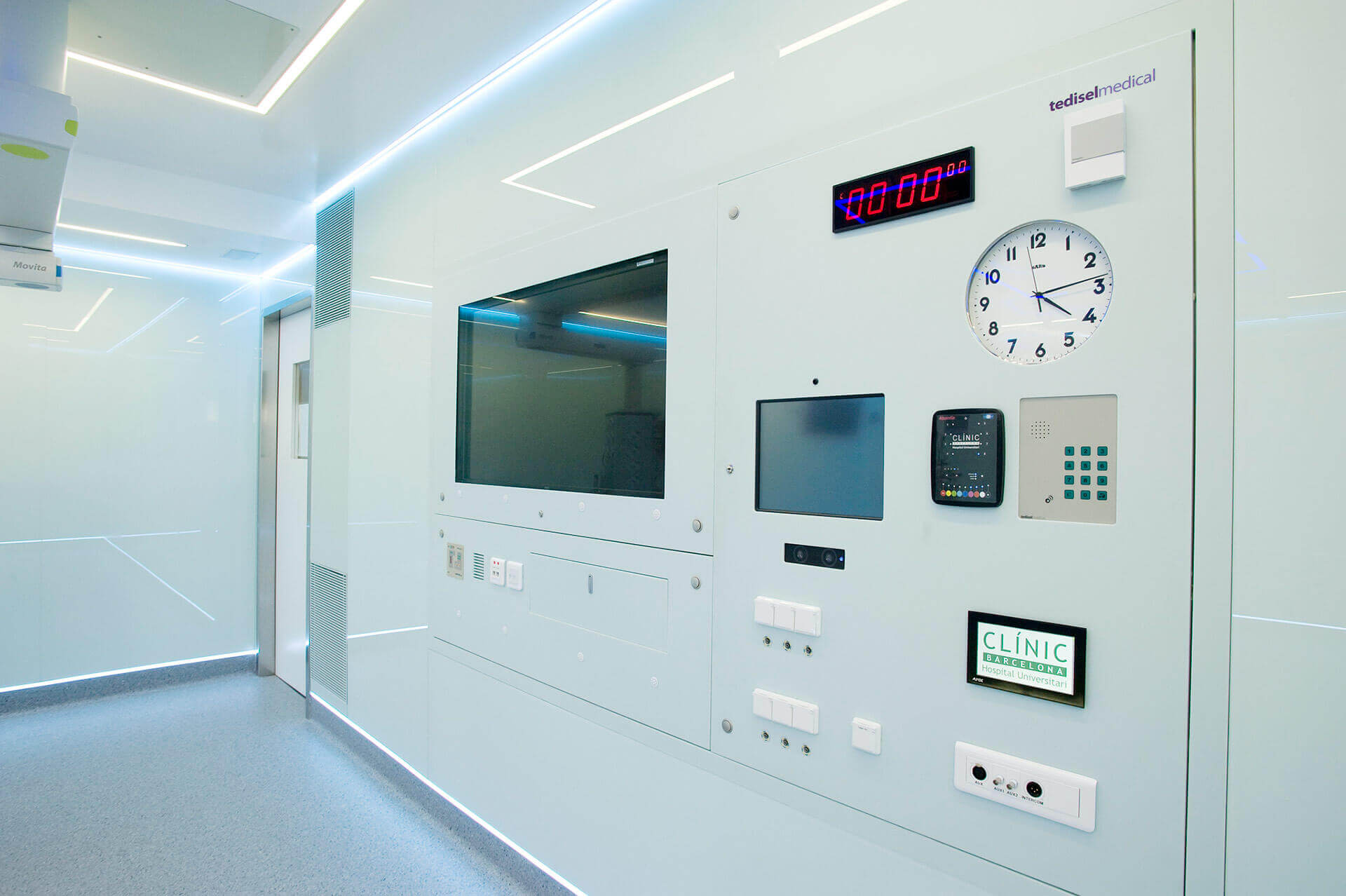
Both hospitals have been pioneers in the healthcare sector. For example, the Hospital Clínic in Barcelona has been innovative in incorporating integrated operating rooms, pioneers in Spain for “highly complex” neurosurgery operations. In this context, Tedisel Medical offered solutions adapted to the needs of this operating room, installing our technical panel model Q panel with 4 doors.


Spain's leading hospitals have taken a step forward by choosing Tedisel Medical's cutting-edge technology, according to data from the Spanish Healthcare Recovery Monitor (MRS)


Expansion of the Hospital Universitario 12 de Octubre

On the other hand, the new expansion of the 12 de Octubre University Hospital in Madrid has been recognized as one of the largest hospitals in Spain. Inaugurated in 2023 by Isabel Díaz Ayuso, this extension was highlighted as a milestone in Spanish and European civil engineering. Tedisel Medical is proud to have contributed to the equipment of the critical areas, such as ICU and PACU, of this nationally leading hospital. This hospital has a full range of clinical specialties and cutting-edge technologies, and Tedisel Medical has been instrumental in providing innovative solutions to improve the quality of medical care, thus contributing to the construction of this state-of-the-art facility.


Leadership in Private Healthcare

In the private sphere, the QuirónSalud group stands out as one of the leaders, with several of its hospitals ranked among the top twenty. Hospital Universitario QuirónSalud Madrid ranks second with a total score of 6,810 points, while Hospital QuirónSalud Barcelona stands out in eighth place with a rating of 5,808 points.


Alliance with Tedisel Medical

The QuirónSalud group has achieved important achievements and has relied on our solutions and equipped various projects throughout Spain. For example, Hospital QuirónSalud Barcelona has been recognized as the best private center in Catalonia for the second consecutive year, climbing two positions and consolidating its place in the overall top ten, according to the IEH 2022. The Coordenadas Institute of Governance and Applied Economics carries out this ranking annually to analyze the excellence of the public and private hospitals in Spain that are most committed to the quality and sustainability of a universal healthcare system. It evaluates parameters such as quality of care, hospital service, patient welfare, and satisfaction, as well as innovative capacity, personalized care, and efficiency in the use of resources of these centers.


Analysis of the Spanish Hospital Network: An Overview of its Diversity and Quality

The hospital network in Spain stands out for its diversity and breadth, with more than 700 hospitals throughout the country, of which 342 are publicly owned and 429 are privately owned. This extensive healthcare system plays a key role in the health and well-being of the population, providing a wide range of medical services and specialties.

The Healthcare Recovery Monitor emerges as an essential tool to assess the quality and performance of these hospitals, involving a variety of healthcare professionals and experts in the field. Through this comprehensive evaluation process, it seeks to ensure that healthcare standards in Spain remain high and are continuously improved.

Highlighting Tedisel Medical’s contribution to improving healthcare in the country, it is impressive to see that 70% of hospitals in Spain have chosen to collaborate with our company. This endorsement reflects recognition and confidence in our ability to provide sustainable and innovative hospital equipment that positively impacts clinical outcomes and patient experience nationwide.


“In a context where quality and efficiency in healthcare are more critical than ever, Tedisel Medical reaffirms its commitment to delivering advanced technological solutions that drive excellence in healthcare. We are proud to contribute to improving the lives of patients in Spain and beyond, and we will continue to work to innovate and lead in the field of medical technology.”


Read more
04Jul

Artificial Intelligence: Innovating Healthcare and Pioneering the Future

July 4, 2024 tedisel Hospital technology, Hospitals

Artificial intelligence (AI) is revolutionizing the field of medicine, with applications ranging from speeding up the slow and costly development of new drugs to analyzing a patient’s genome. These emerging technologies enable the rapid learning and analysis of vast amounts of information from medical records, imaging tests and scientific advances, significantly transforming medical practice and research.


“Today, AI is defined as technology capable of simulating human intelligence processes, including: Learning, Reasoning and Self-Correction.“

Artificial Intelligence: Innovating Healthcare and Pioneering the Future


Transforming the Pharmaceutical Industry

Innovation in the pharmaceutical industry is critical to the future of healthcare, and AI is transforming this sector. By streamlining therapy selection and improving clinical trial design, AI empowers our ability to develop and produce advanced medicines. This allows us to accelerate the availability of crucial treatments on the market, significantly improving the efficiency and effectiveness of the pharmaceutical process. In addition, AI can identify patterns and predictions that traditional methods cannot detect, thus optimizing every stage of drug development, from initial discovery to production and distribution.


Improved Diagnosis and Treatment

The ability of AI to analyze large volumes of data enables doctors to offer more accurate and effective diagnoses and treatments. According to engineer Juan José Cerrolaza, a researcher at the BioMedIA Laboratory at Imperial College London, “artificial intelligence is not going to replace doctors. It is an ally. AI can examine and learn from clinical data, identify early signs of disease and recommend personalized treatment options based on the latest scientific evidence.


The ability of AI to analyze large volumes of data enables doctors to offer more accurate and effective diagnoses and treatments


Automation and Assistance in Radiology

Numerous tasks can be automated to assist the radiologist. AI can interpret medical images, detect anomalies and generate detailed reports, which not only increases the accuracy but also the speed of diagnoses. This is particularly beneficial in high-demand, high-pressure environments, where speed and accuracy are crucial.


AI can interpret medical images, detect anomalies and generate detailed reports, which not only increases the accuracy but also the speed of diagnoses


AI in Psychiatry and Psychology

Artificial intelligence is also acquiring a very significant role in the fields of psychiatry and psychology. In this field, the development of computational studies that analyze messages posted on social networks stands out. These analyses make it possible to create algorithms capable of predicting the risk of a user suffering from some psychopathology.


Global Impact and Accessibility

In addition to improving work in advanced medical settings, AI is crucial for providing diagnoses in developing countries or remote areas where the lack of qualified medical personnel is a constant challenge. The ability of AI to examine medical images and produce accurate reports can have a considerable impact, improving access to healthcare and decreasing health inequalities globally. In resource-limited regions, AI can provide essential support, facilitating early and effective diagnoses that would otherwise not be feasible.


The Future of AI in Medicine

AI is only in the early stages of its integration into medicine. As technologies continue to advance and the global database grows, AI capabilities will expand, offering new solutions and further improving the quality of medical care. Collaboration between technology experts and healthcare professionals will be key to maximizing the benefits of AI and ensuring its ethical and effective implementation.


Collaboration between technology experts and healthcare professionals will be key to maximizing the benefits of AI and ensuring its ethical and effective implementation


Facilitates medical decision making

Healthcare professionals follow a structured process when making medical decisions, considering the following aspects:


  • Access to objective and reliable evidence
    the availability of reliable data and studies is critical to support medical decisions. Artificial intelligence can help collect and analyze large amounts of medical data, providing objective evidence to support clinical decisions.


  • Thorough research
    Before making a decision, medical professionals conduct extensive research into the patient’s health problem, seeking to understand their medical history, available treatments and management options. Artificial intelligence can streamline this process by quickly accessing and analyzing large medical databases and scientific literature.


  • Interpretation of existing data
    Accurate interpretation of medical data is essential for making informed decisions. Artificial intelligence can help interpret medical test results, diagnostic images and other clinical data, identifying patterns and trends that may go unnoticed by human professionals.


  • Risk-benefit assessment
    Medical professionals must carefully weigh the risks and benefits of each treatment option or medical intervention. Artificial intelligence can help calculate and evaluate these risks and benefits, providing predictive analytics to help guide clinical decisions toward the best outcome for the patient.


In conclusion, artificial intelligence is playing a transformative role in medicine, spanning from pharmaceutical research to medical care in remote regions. The synergy between AI’s analytical capabilities and human clinical judgment is leading to significant advances in medical decision making, providing healthcare professionals with access to reliable evidence, streamlining research, improving data interpretation, and facilitating risk/benefit assessment. This combination of technology and human knowledge is redefining the healthcare paradigm, promoting a more efficient, accessible and accurate approach to improving global health and ensuring optimal care for all.


Read more
  • 12345
logo-tedisel-mini

An expert insight into medical equipment

SANT LLUC, 69-81 08918 BADALONA (BARCELONA · SPAIN)
+34 933 992 058  [email protected]

made_in_barcelona_OK_tedisel_medical
TUV_certificado_ISO

© 2026 Tedisel Iberica SL. All rights reserved.
Privacy Policy. Legal Note. Cookies Policy.