• Technical Panel
    • Glass Panel
    • Q Panel
  • Software – Hermes®
  • Ceiling Supply Unit

      • Motorized Column
      • Non-Motorized Column
    • S-Column
    • Abitus
    • Ares
    • Atlas
    • Tor
  • Bed Heads
    • Adonis
    • Ais
    • Antea
    • Aura
    • Aura Light
    • Icarus
    • N270
  • Projects
  • Tedisel Medical
  • News
  • Contact
  • Private zone
© 2025 Tedisel Medical. All rights reserved.
Tedisel Medical Tedisel Medical
  • Products
    • diamond_menu_tedisel_medical

      Technical Panel

      Glass Panel
      Q Panel

      submenu-software-tedisel-medical

      OR Software

      Hermes

      submenu-unidad_suministro_techo-tedisel-medical

      Ceiling Supply Unit

      Column
      > Motorized
      > Non-Motorized

      S-Column
      Abitus
      Ares
      Atlas
      Tor

      submenu-cabeceros-tedisel-medical

      Bed Head Units

      Adonis
      Ais
      Antea
      Aura
      Aura Light
      Icarus
      N270

  • Projects
  • Tedisel Medical
  • News
  • Contact
  • LOGIN
  • Products
  • Projects
  • Tedisel Medical
  • News
  • Contact
  • LOGIN
En
  • Portuguese
  • French
  • Spanish
Sign in

Sign in

Tedisel Medical
En
  • Portuguese
  • French
  • Spanish
17Mar

Progress and challenges of hospital engineering in medical equipment

March 17, 2023 tedisel bed head units, Hospitals, Medical equipment, Software, technical panel

Today we want to find out about the most important developments and challenges in hospital engineering and medical equipment, the changes in the healthcare landscape and what the healthcare industry is facing.
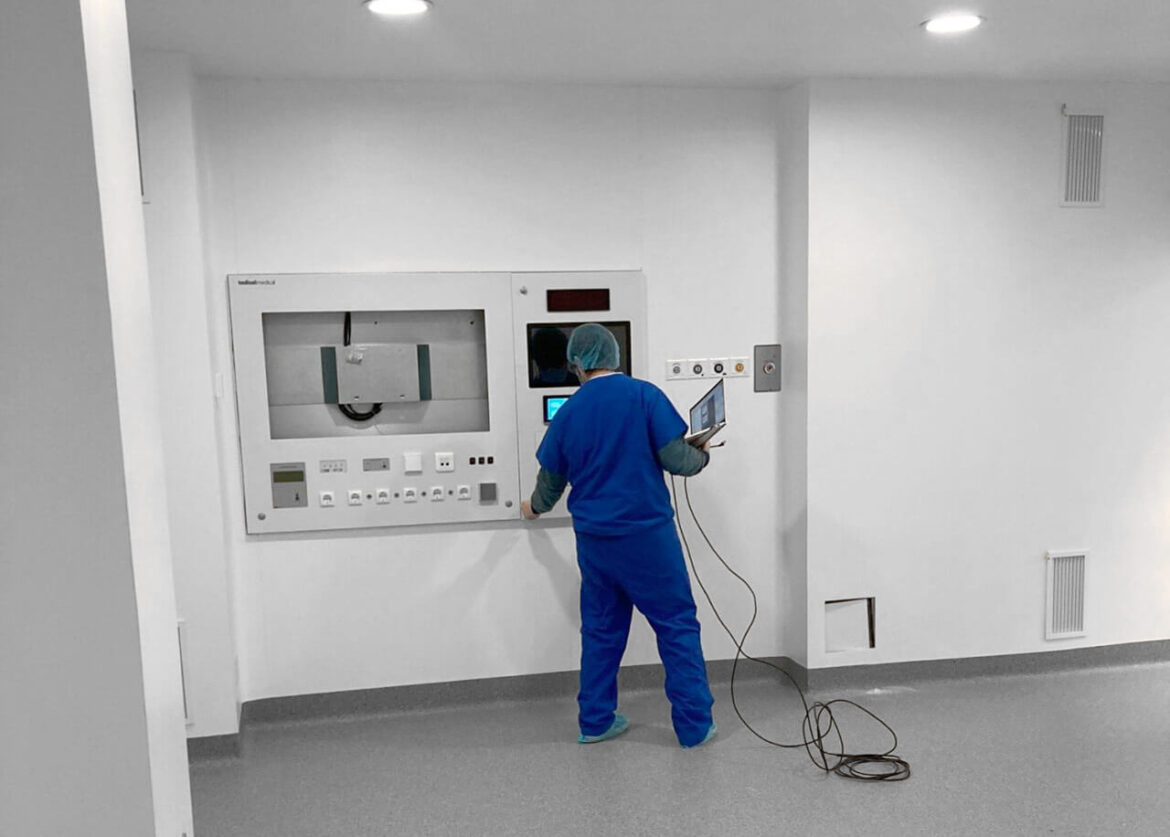
 

Developments and challenges in hospital engineering and medical equipment
© i3 Ingenieros. Clínica Oftalmológica IOA (Madrid – Spain)


Hospital engineering: a growing discipline

Hospital engineering combines engineering, architecture and medicine in order to improve efficiency and safety, comfort for patients and healthcare staff.

In recent decades, great advances have been made globally, always with the focus on the introduction of state-of-the-art technologies in the design, construction and equipment of hospitals. Modern hospitals are designed for today and tomorrow by maximising efficiency in patient care through the use of state-of-the-art materials, devices and technologies. We are talking about cleaning systems, living comfort, operating theatres, etc. 

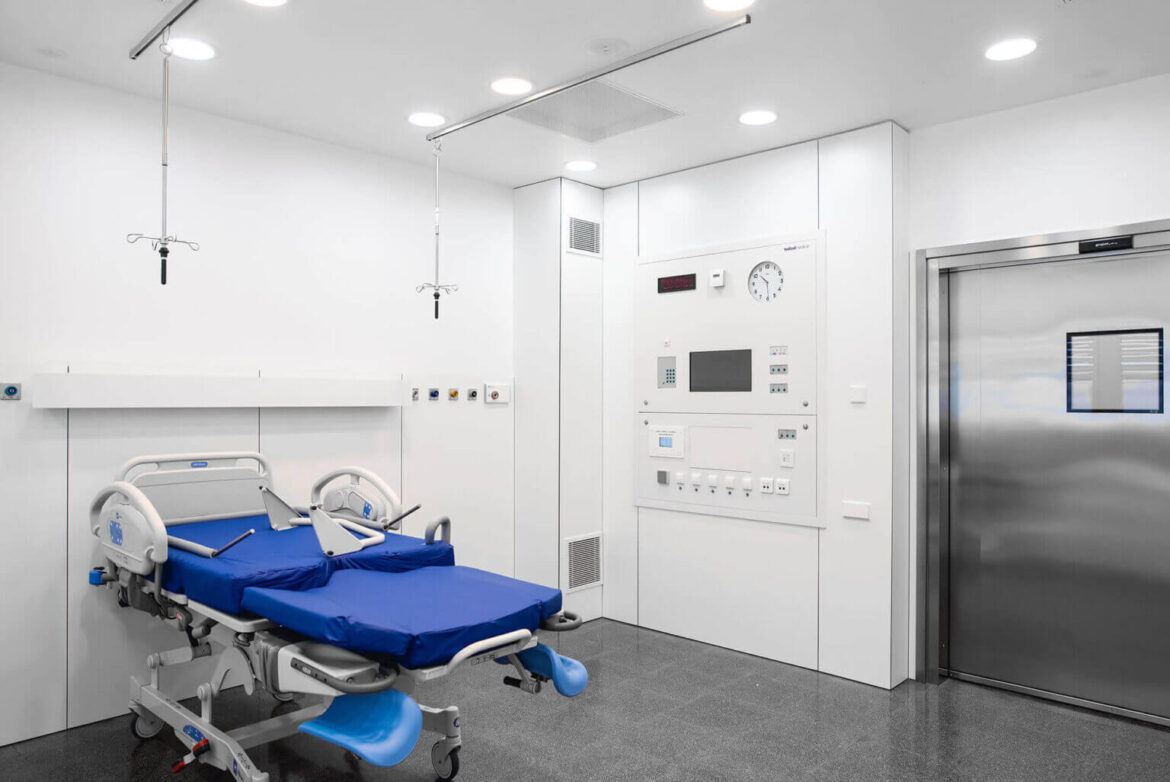
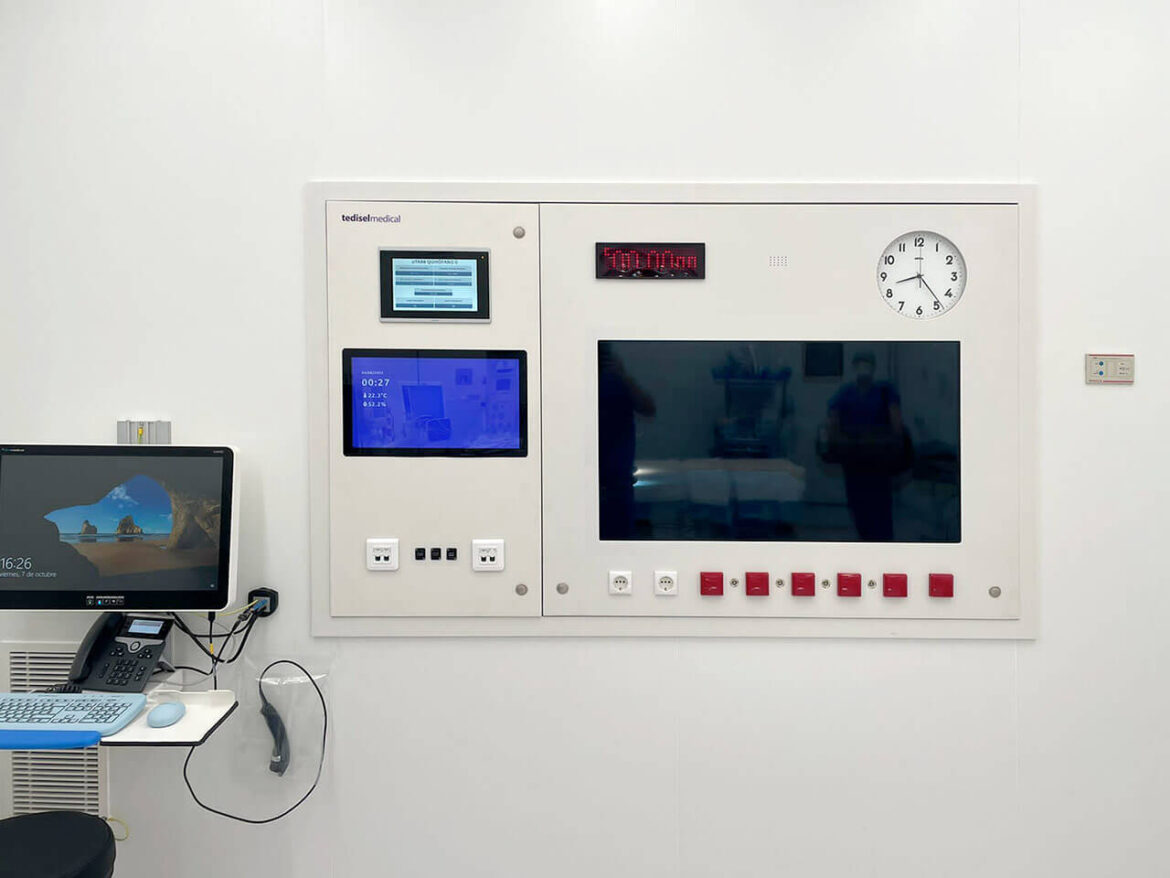
In particular, advanced medical equipment, such as CT scans and MRIs, the promotion of information technologies (ICT) and the development of new materials and designs/aesthetics of medical devices, such as technical panels, columns, headboards… In our case, we are manufacturers of hospital equipment for hospitalisation areas, critical areas and surgical block for public and private hospitals all over the world.

These elements are particularly noteworthy in helping to improve the patient experience and complete more comfortable and accessible facilities, adopting a holistic approach to medical care.
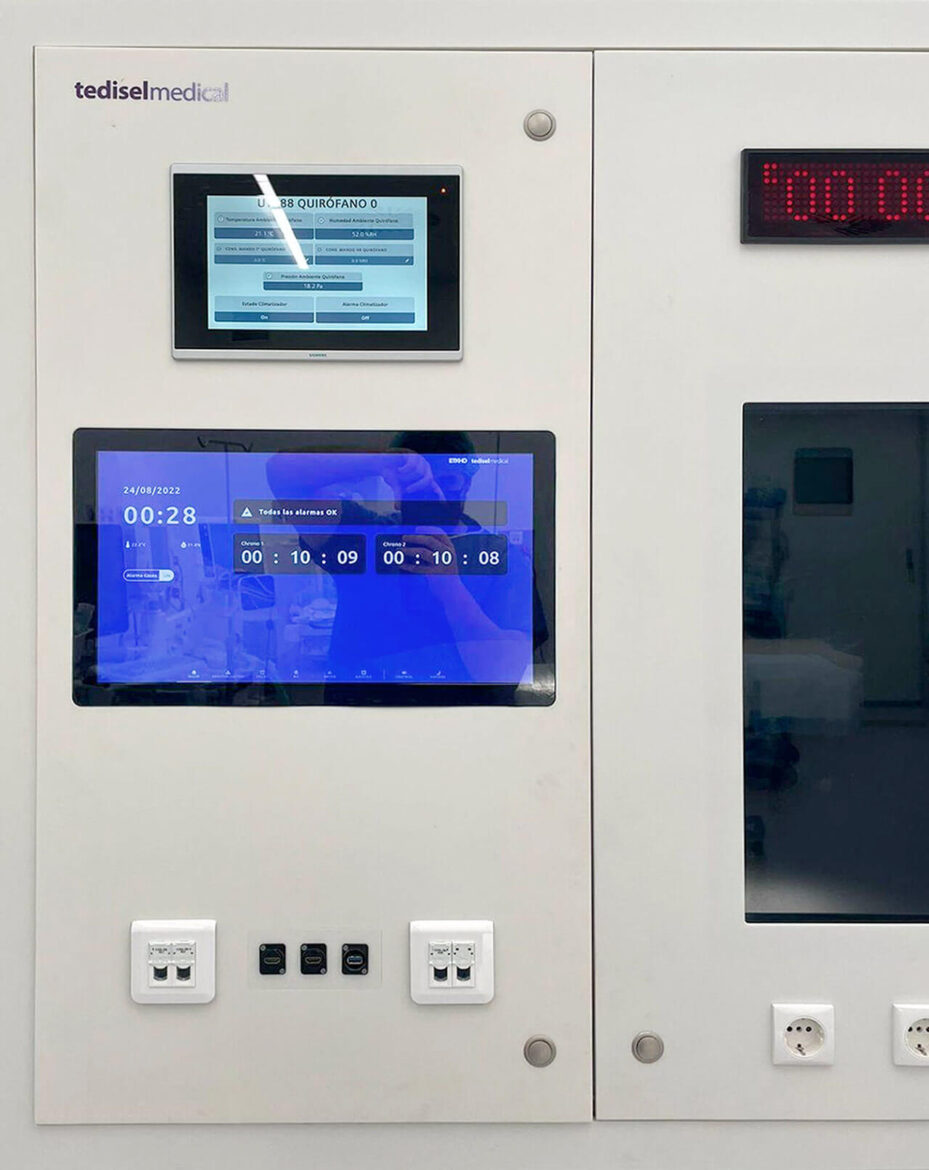
 

Hospital engineering: a growing discipline 
© tedisel medical. QPANEL + HERMES. Hospital Rey Juan Carlos (Madrid – Spain)


Unstoppable progress

Going into more detail, some of the most recent developments in this area include:

  • Information and communication technologies (ICT): Hospitals are increasingly connected for better information management and efficient decision-making.
  • Tracking and monitoring systems: Enabling faster and more accurate care in case of emergency through telemedicine and interconnectivity thanks to wearables, home health gadgets and other elements.
  • Automation systems: Automation systems, such as robots and medical devices with Machine Learning & Artificial Intelligence, are helping to reduce the number of human errors and increase efficiency in hospitals.
  • Cutting-edge equipment: There is a firm commitment to bring cutting-edge hospital equipment to hospitals, always with the study, ergonomic design and efficiency of the work areas for the comfort of the patient, the medical team and the technical service.


The greatest challenges in hospital engineering

Beyond the advances and progress that we can see, we also find challenges, obstacles and barriers in hospital engineering, such as: 

  • Lack of access to quality health care services in rural and low-income areas. 
  • Lack of funding and rising cost of health care
  • The paradigm shift to sustainability
  • Problems in integrating and implementing new technologies
  • Challenges of security, cybersecurity and access to information with the Internet of Medical Things (IoMT)
  • Balancing efficiency and quality


The greatest challenges in hospital engineering
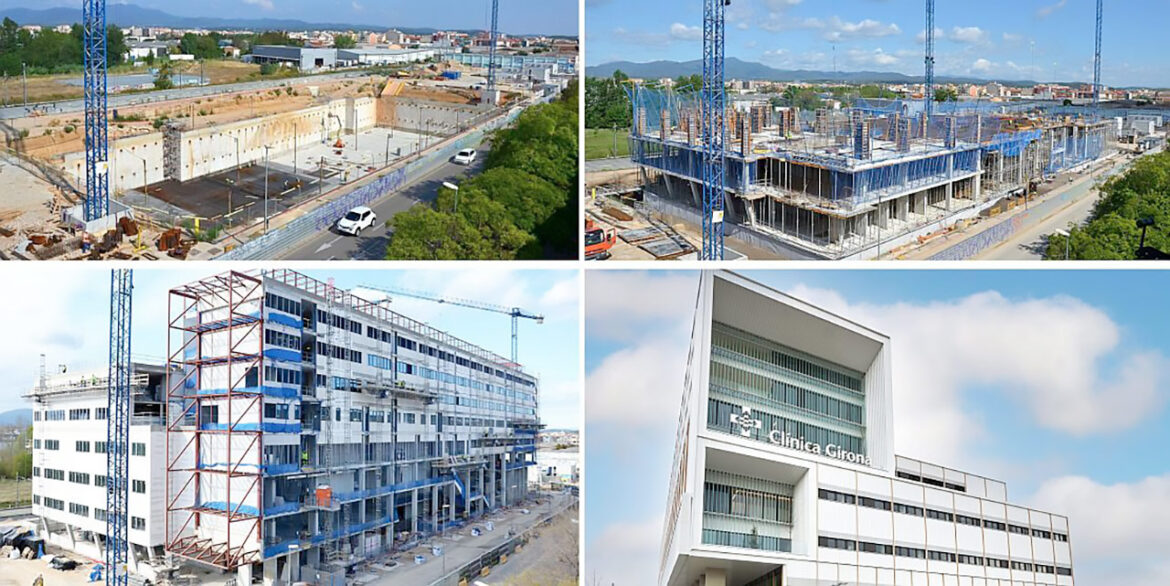
© tedisel medical. Clínica Girona (Girona – Spain)


What does the present and the future hold?

At Tedisel Medical we are aware that hospital engineering is evolving rapidly, in a constant search for solutions that improve efficiency, safety and quality in hospitals.

“There are also major challenges to be addressed, such as financing, integration, safety and the integration of the latest medical equipment.”
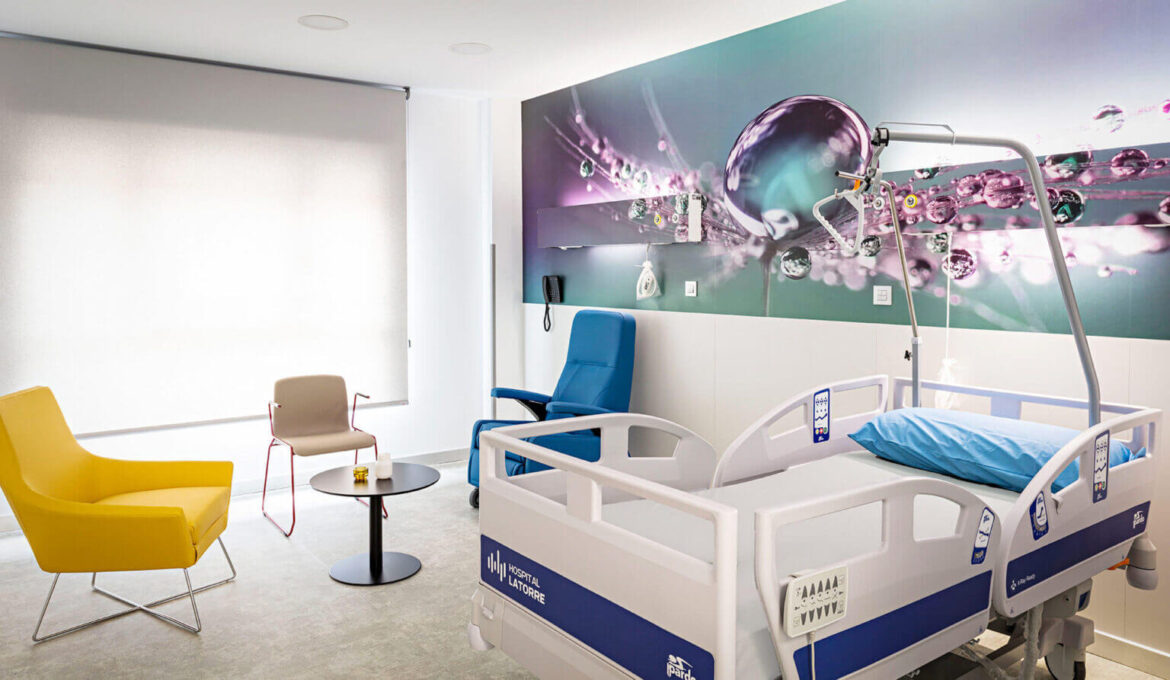
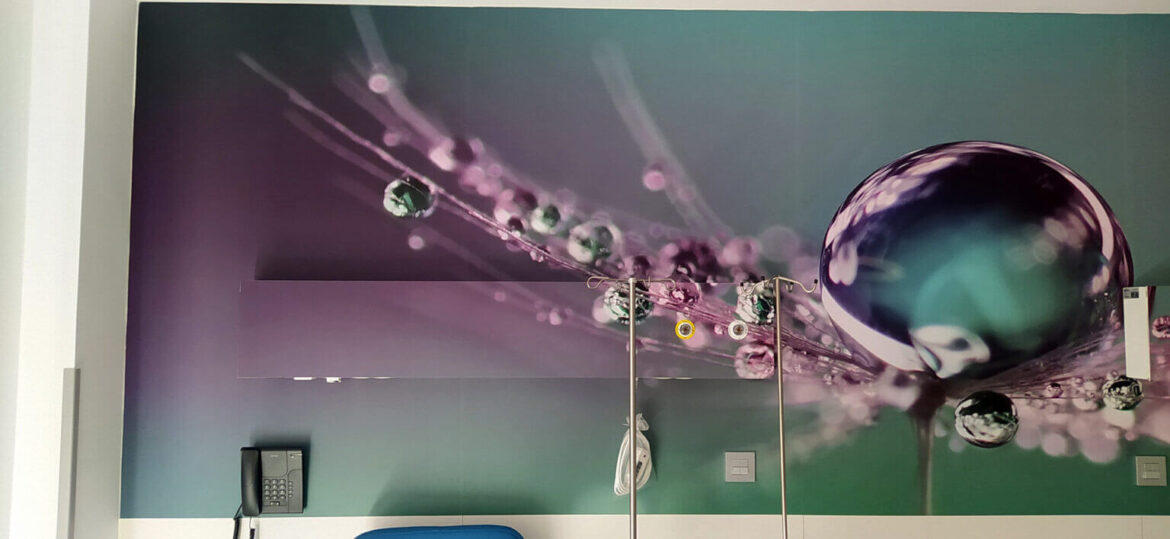


© tedisel medical. Hospital Latorre (Soria – Spain)
 

Read more
14Dec

The importance of health information systems

December 14, 2022 tedisel Hospitals, Medical equipment, Operating Rooms, Software

The changes and evolution in the patterns of habits and morbidity and mortality in developed countries has led to a modification and adaptation of health information systems in accordance with the real health problems of society.


What is a health information system?

The WHO defined a Health Information System (HIS) as “the structure for the collection, processing, analysis and treatment of information necessary for the organisation and activity of health services, as well as for research and teaching”.    

The HIS arose as a response to the need to establish a system for evaluating and monitoring the state of health of the population.  

It has always been defined as a tool for the collection, analysis, processing and transmission of the information necessary for the proper functioning and management of health and educational services. 

These systems vary in complexity, although they all have three common features; which are: 

  • Data collection
  • Processing 
  • Analysis and transmission of information 


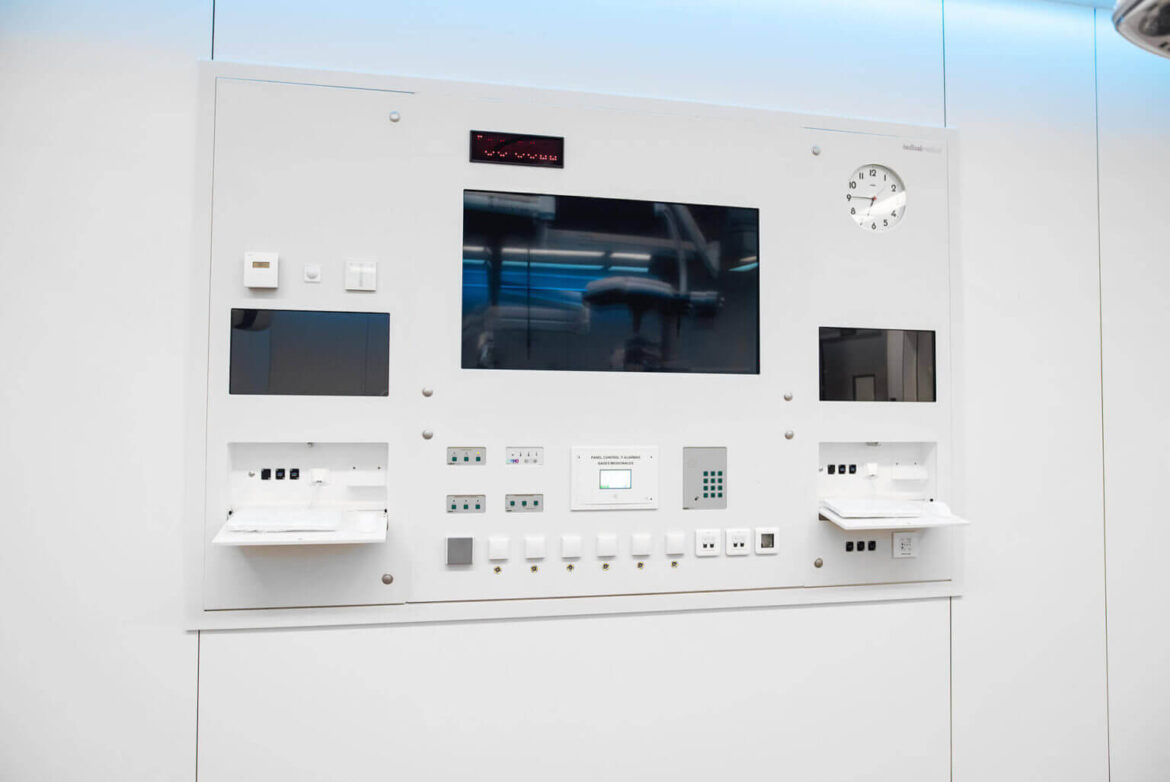
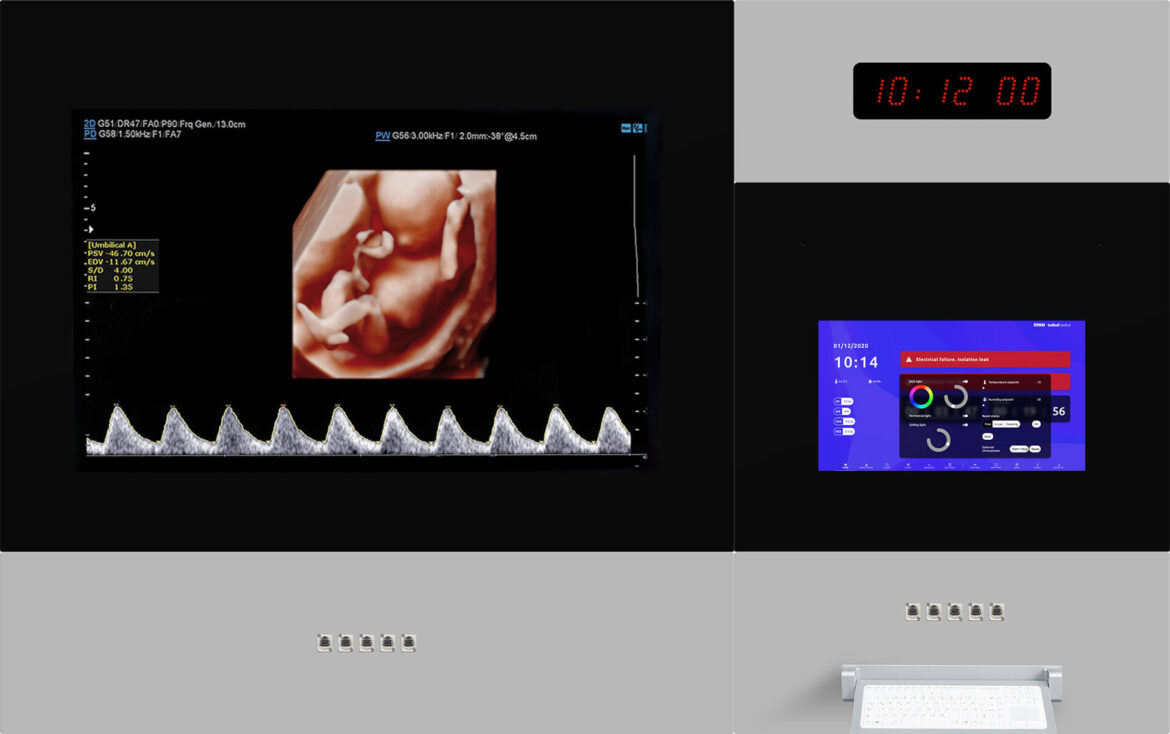
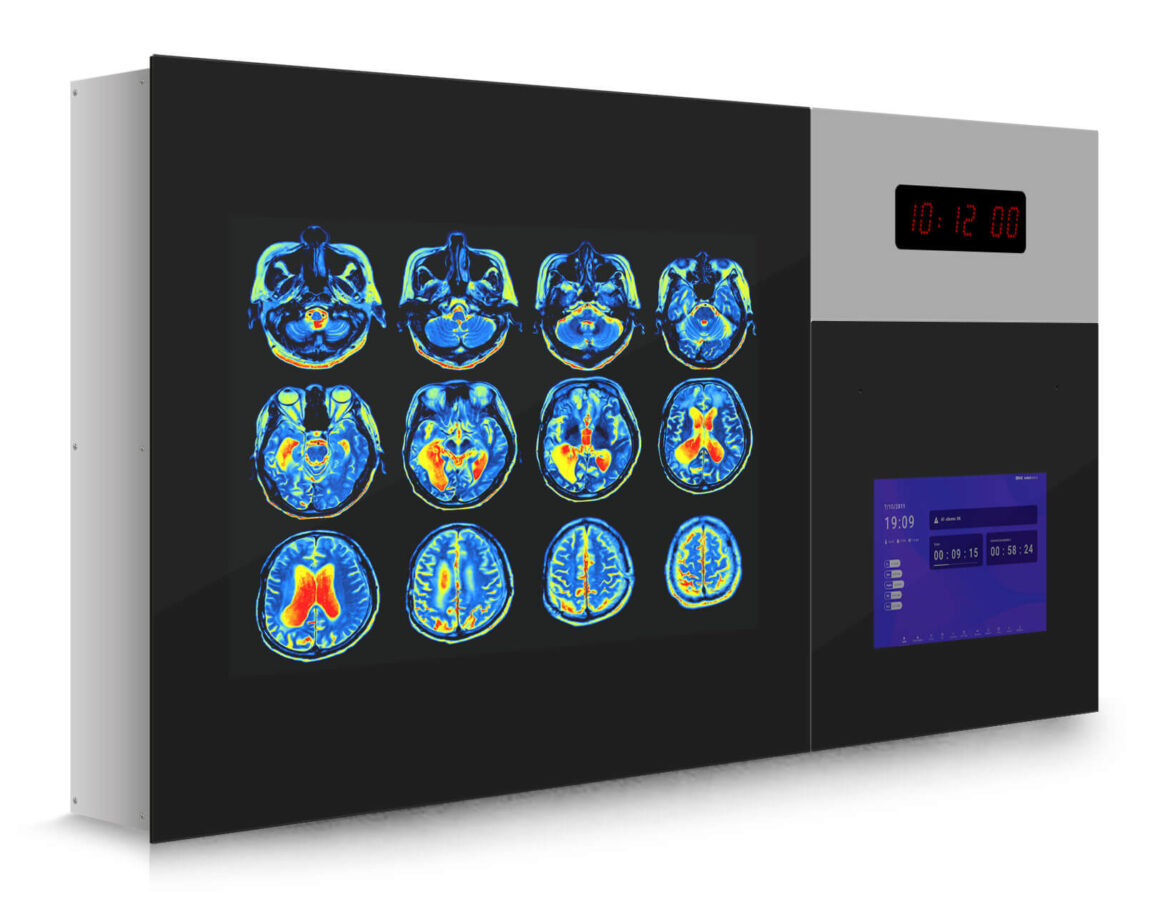
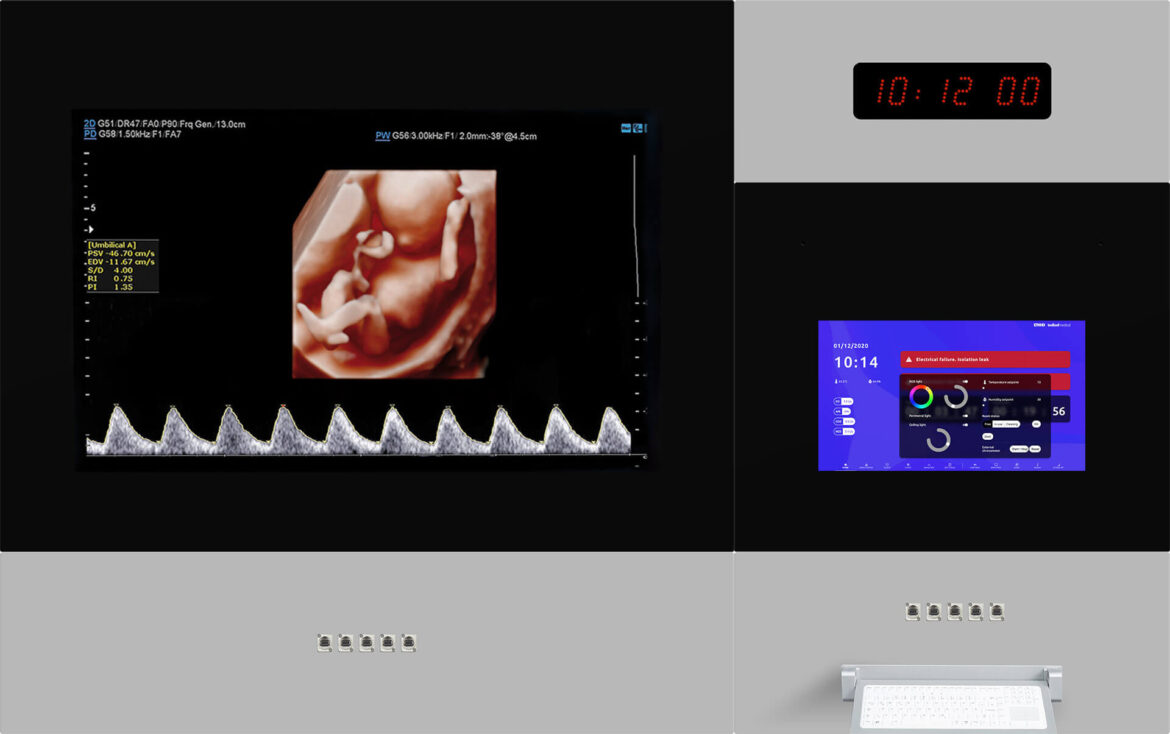
Sistemas de información sanitaria: nuestro panel de control DIAMOND con integración del software de control HERMES
DIAMOND Technical panel + Hermes Software


Purpose and uses of an information system

The main purpose of health information systems is to inform and intervene. The information should focus on assisting decision-making in health care settings. 

The information system not only generates a multitude of data, but is also able to provide the right information to the right person in a timely manner.  For this, it is necessary that all information is well organised, accurate and accepted by the different actors in the system. 

Each system responds to a specific need. However, in general, they are useful for:


  • Evaluating health programmes that promote the principles of equity, effectiveness and efficiency, in addition to health planning. 
  • Manage health services in pursuit of utilisation and rationalisation of available resources. 
  • Investigate and create aetiological hypotheses.
  • Understand the health status of the population through epidemiological surveillance of diseases and risk factors. 


Benefits of implementation

The implementation of these systems additionally offers a number of benefits for healthcare workers, as they: 

  • Promote the efficient use of economic resources. 
  • Improve clinical patient care, reducing potential errors that may occur.
  • Speed up the flow of information, making it more reliable and complete.
  • Allow healthcare professionals to make appropriate decisions.


In this case, one of the great advantages of these systems is the possibility of organising and storing information to facilitate full access to it. This means a significant improvement in productivity, thus avoiding the repetition of tests due to lack of information. 


HERMES® Control software

At Tedisel, we believe in the importance of good information management in order to improve the quality of healthcare.

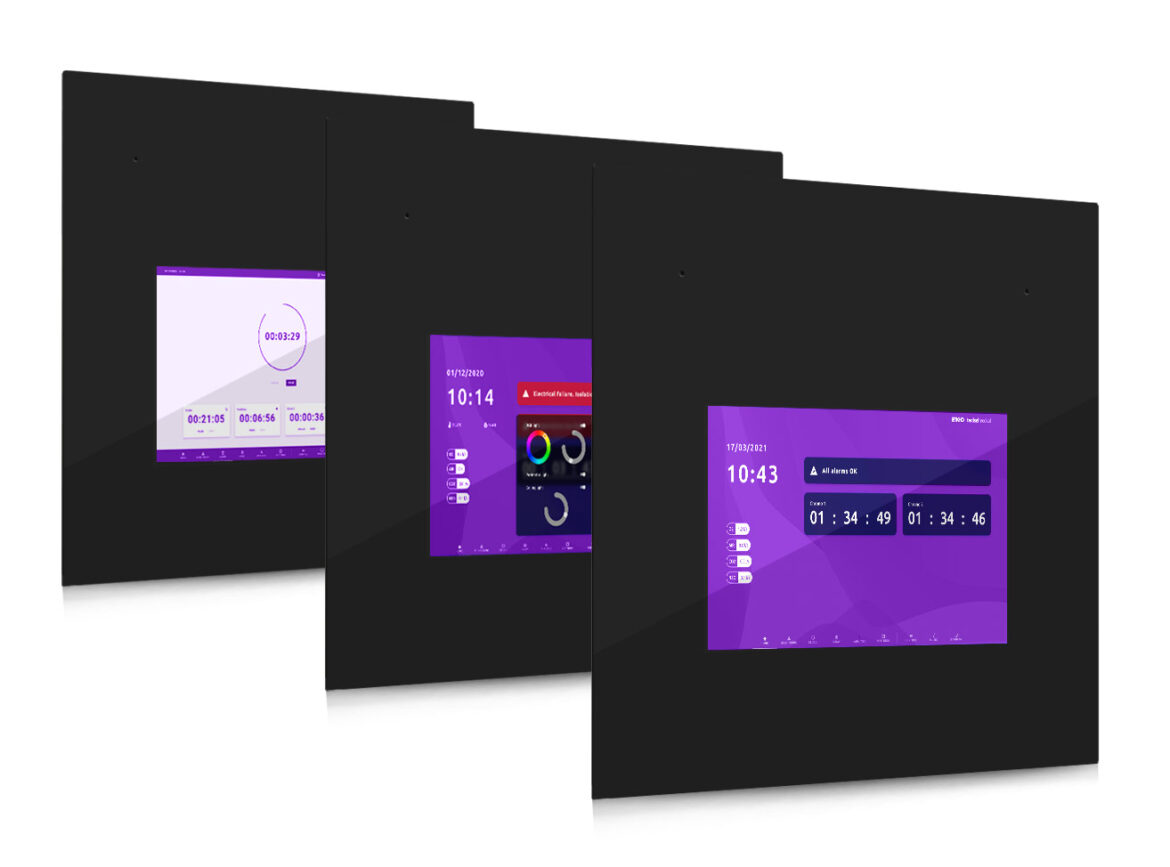
That is why we offer the Hermes® Control software

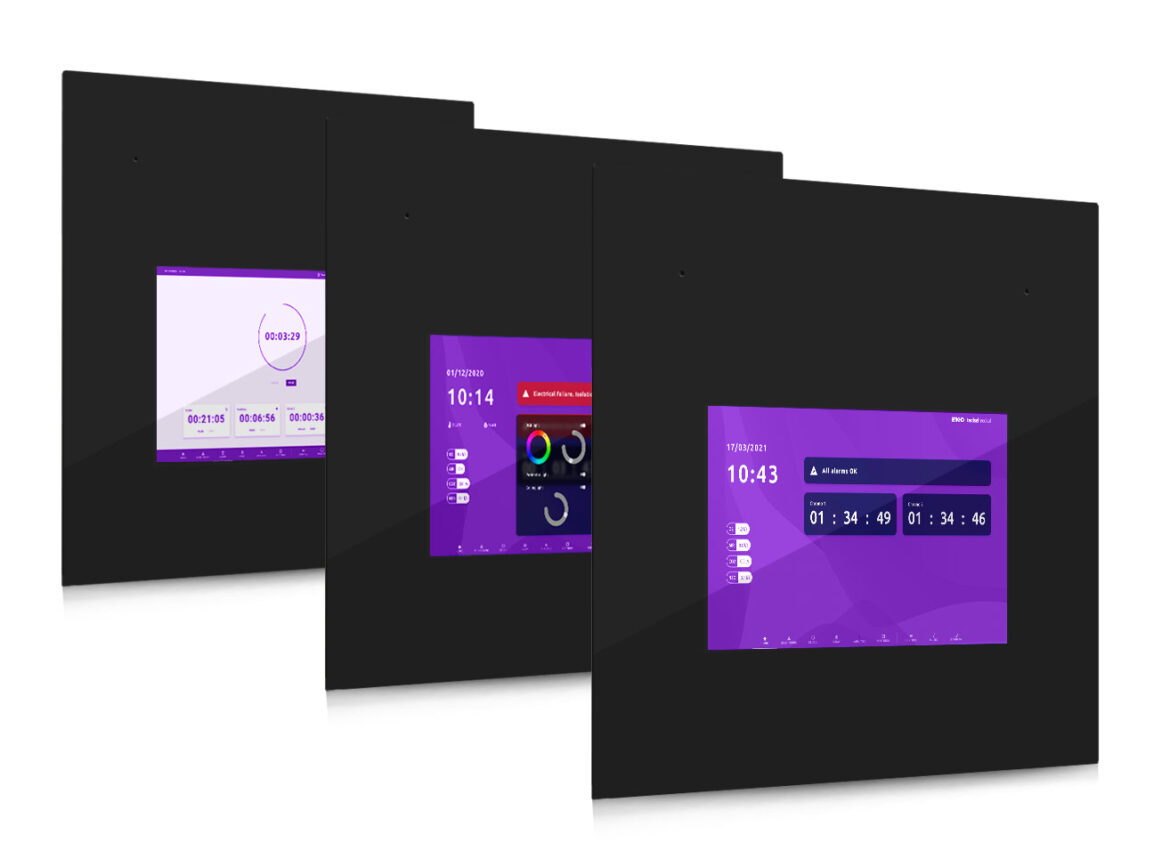
A digital brain that allows to centralize all the controls to obtain data and analysis of the operating rooms or surgical areas.


Sistemas de información sanitaria: la utilidad de nuestro software de control HERMES®

This is already present in several hospitals around the world and allows: 


Intelligent data analysis
It monitors the operating theatre and provides it with all the necessary data for optimal and economical use.

Centralised overview
It allows you to manage the operating room controls and displays from one place.

Easy operation
With its intuitive interface, all functions can be accessed at the touch of a button.


“Health information systems are a great help in the planning and management of information in healthcare establishments. They also make it possible to economise on economic resources for the smooth running of the hospital by carrying out studies on the quality and efficiency of the care provided. “


Read more
28Jul

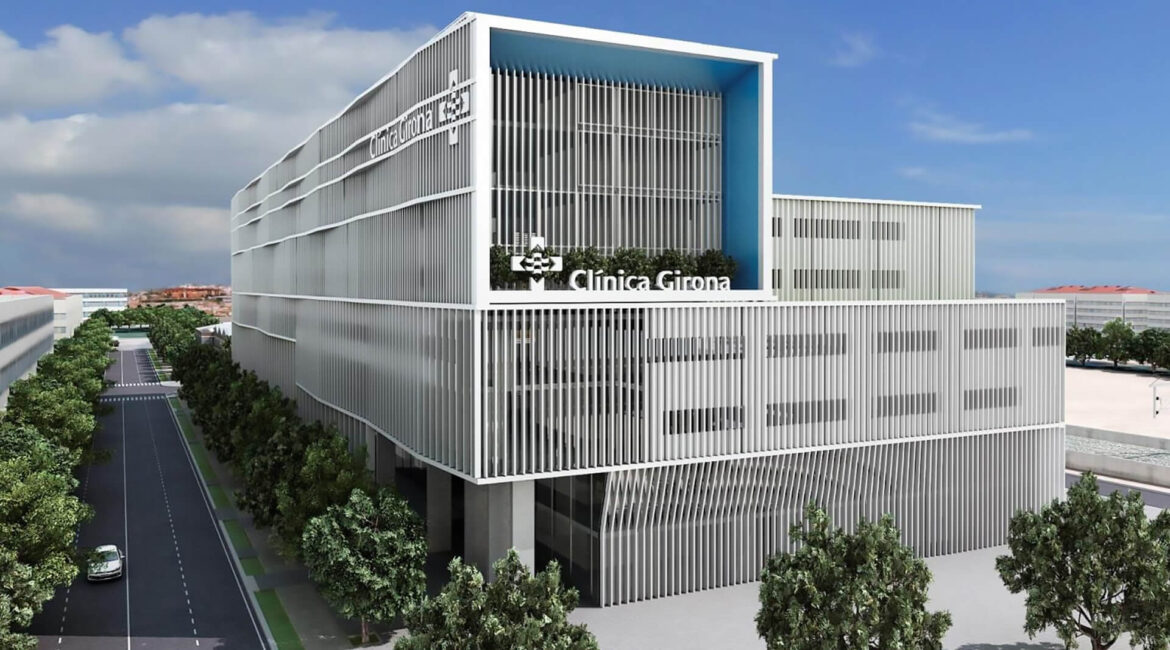
New project in Clínica Girona

July 28, 2022 tedisel Hospitals, Medical equipment

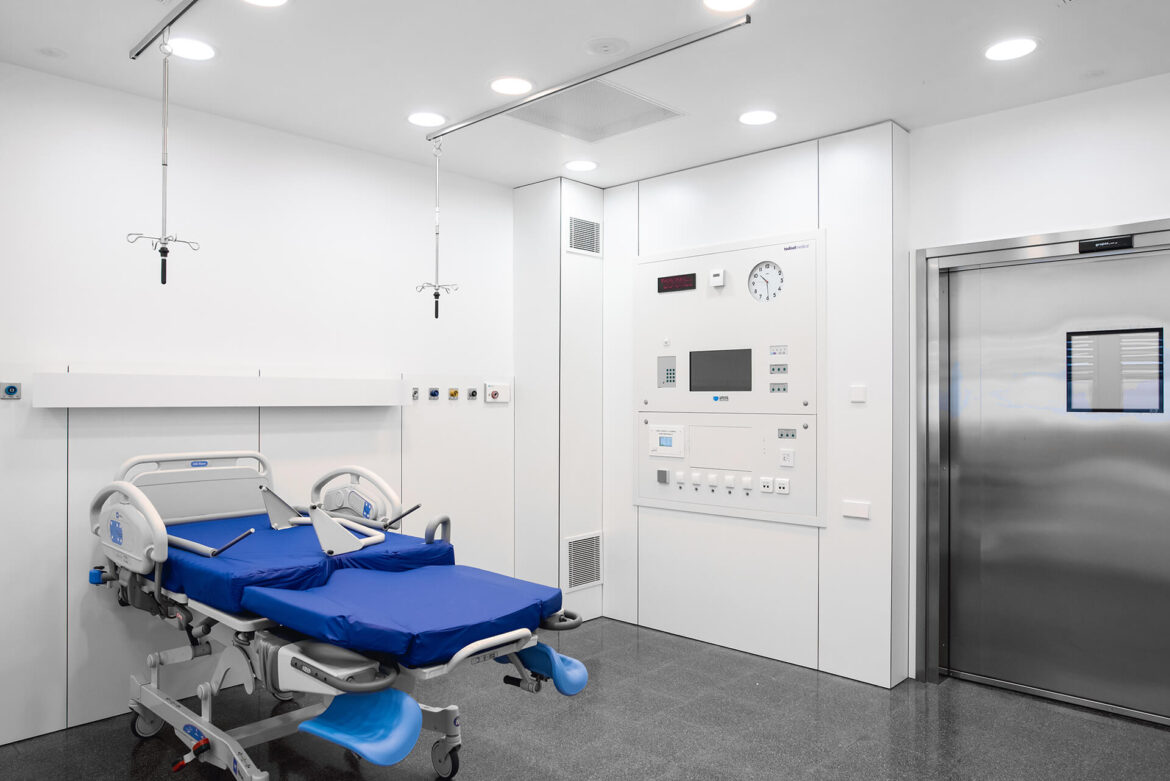
In Tedisel Medical, one of our last projects of installation of hospital equipment for hospitalization areas, critical areas and surgical block has taken place in Clínica Girona.


Clínica Girona: the before and the after

The new Clínica Girona is now up and running and at full capacity. After several years of work and effort, this health centre in the south of Girona, located on carrer Barcelona, has replaced the historic facilities on carrer Joan Maragall, which housed the city’s first clinic in the 1930s. The new building now has 41,000 m2 to provide the best healthcare service in Girona.


A refurbishment for the present and the future

The new private facility of Clínica Girona triples the surface area of the old headquarters, and has required a significant investment. The facility will employ 600 people, including medical and administrative staff and other services. In addition, it will boost the urban development of this sector and revalue the area, as the mayor, Marta Madrenas, pointed out, as it is the southern gateway to the city. 

In short, a clinic with a lot of light, which is committed to the biophilic health model, and with modern, cutting-edge facilities that will help to improve the health of all Girona residents.


Reconfiguring rooms, operating theatres and floors

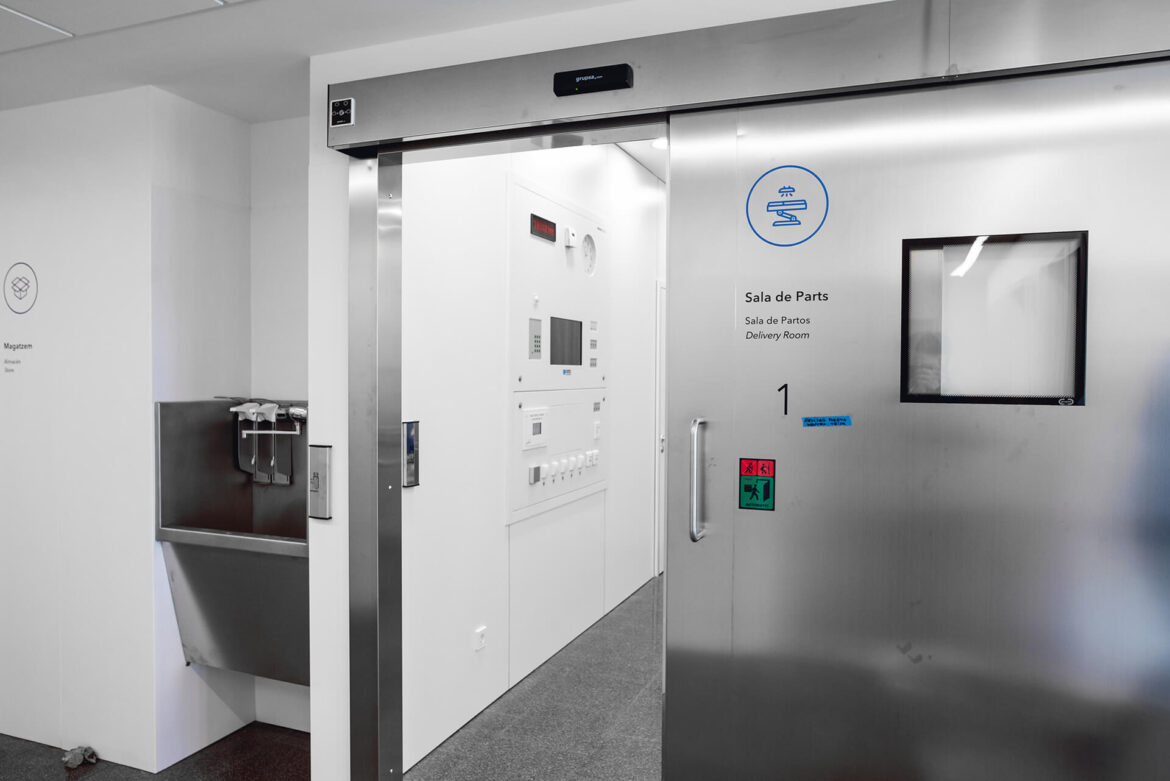
The new Clínica Girona building is distributed over 11 levels: three underground levels, the ground floor and seven two-level floors. In total, the new facilities have 120 hospital beds, eight high-definition intelligent operating theatres, three delivery rooms, three for endoscopies, eight ICU boxes and 10 for emergencies, a day hospital, oncology and pain medicine area with 20 individual boxes, an outpatient minor surgery room and haemodialysis rooms. 

All of this is supported by permanent diagnostic imaging, clinical analysis and pathological anatomy services. 

In this way, the renovated Clínica Girona has given special emphasis to outpatient surgery, the surgical area, cardiology and diagnostic imaging.


Commitment to the most innovative, high-precision technology for operating theatres

Throughout its history, Clínica Girona has been committed to innovation in hospital machinery and equipment. This has been no exception in the facilities inaugurated. In fact, practically all the equipment and devices are new. 


Tedisel, at the forefront of equipment at Clínica Girona


OPERATING THEATRES – QPANEL

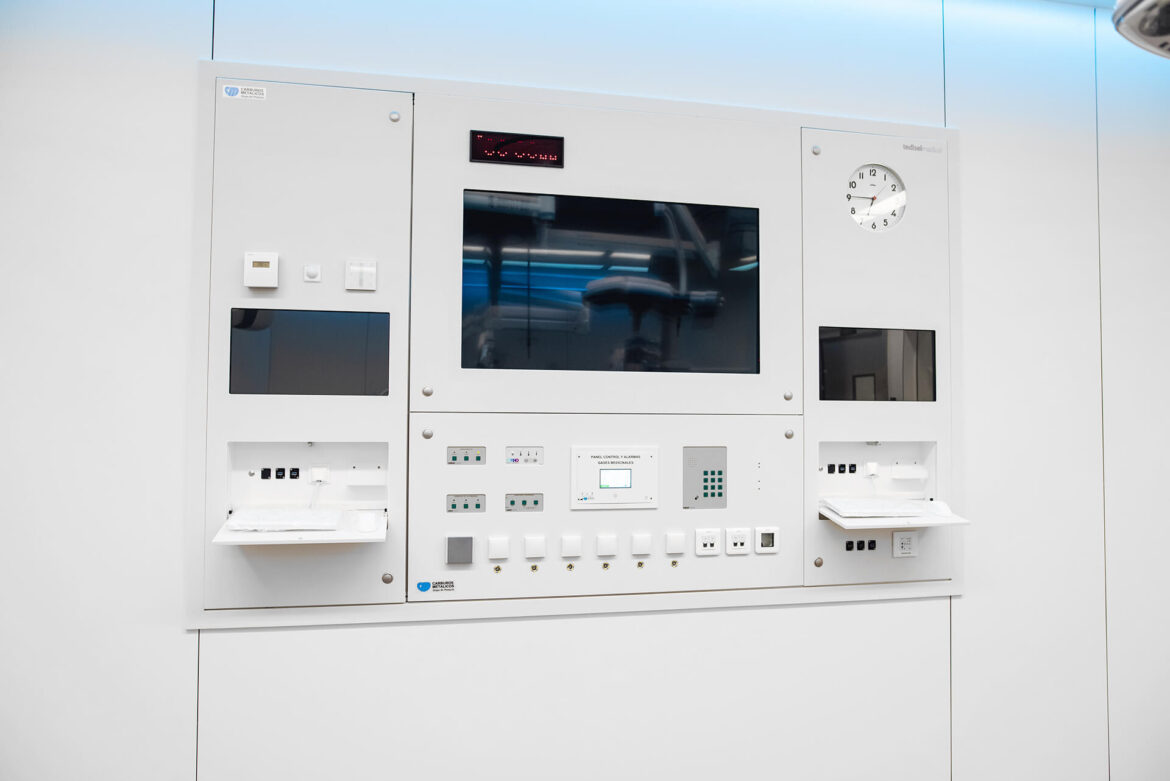
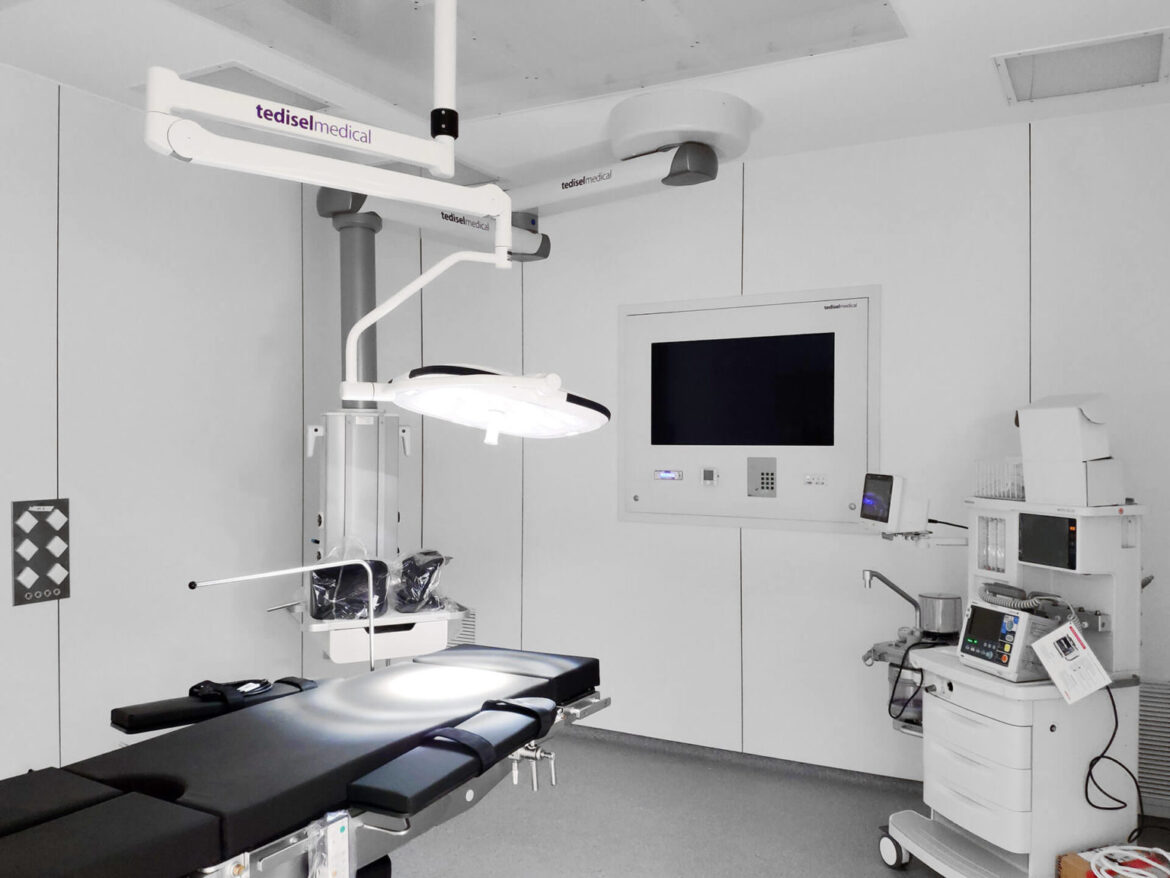
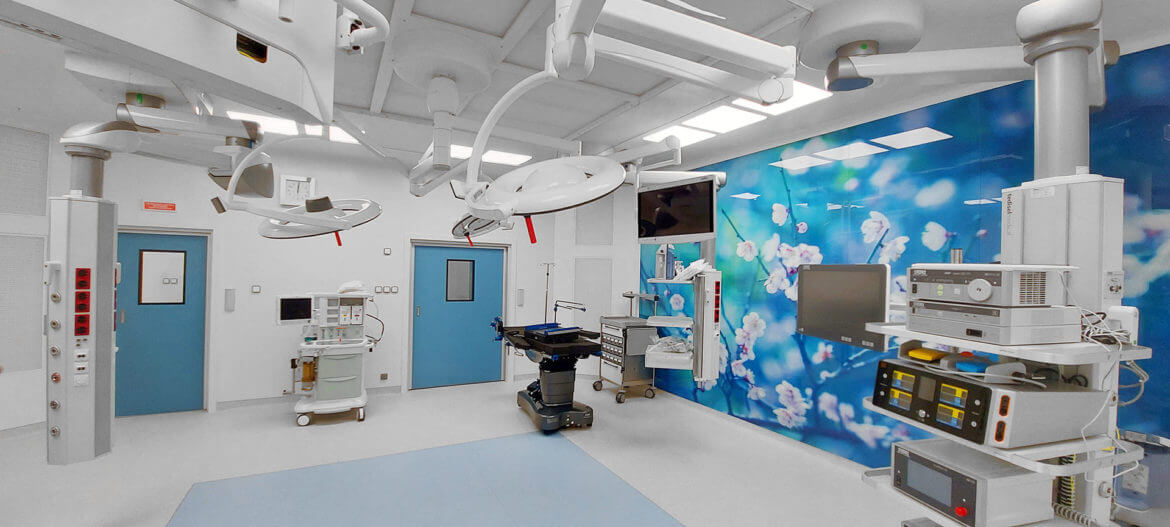
In the case of the operating theatres, the entire room has been centralised using Q-Panel technical panels, designed to meet the hospital’s needs. They have also been installed in the delivery room area with different configurations.


RESUSCITATION ROOMS – ARES

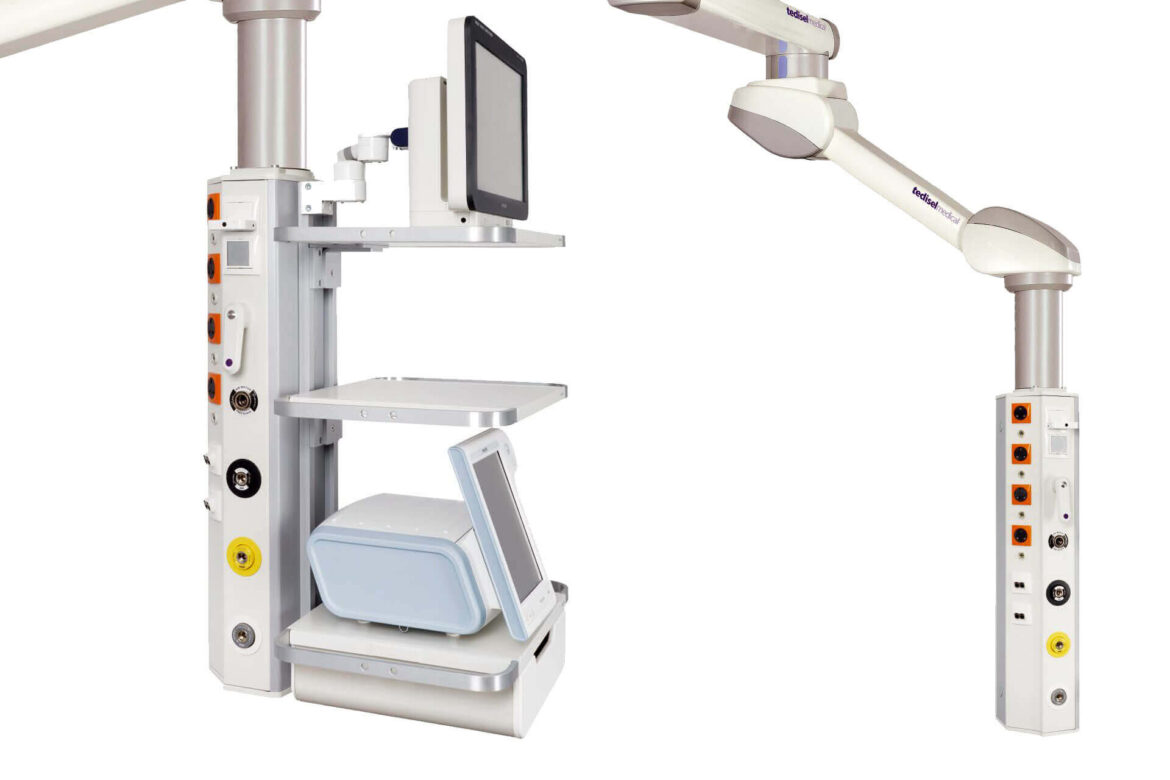
For their part, the resuscitation rooms have been equipped with Ares compact suspended systems to be able to supply patients while optimising space and providing easy and quick access to the patient.


ICU – ATLAS

As for the ICU boxes, various Atlas ceiling suspended systems have been installed to facilitate the mobility of medical staff and improve access for patient care. 


MEDIUM PATIENT CARE – ADONIS

Finally, the facility has a separate large room for medium patient care, where to optimise space and to be able to serve two beds at the same time, the centre has several Adonis wall columns.


Read more
26Apr

Control software for operating theatres and critical areas

April 26, 2022 tedisel Critical Areas, Hospitals, Operating Rooms

Nowadays, hospital software is an essential support in hospital management. By automating numerous tasks and centralising information, we can reduce effort, time and errors. A technology that will allow the hospital, and especially the operating theatres, to achieve excellence in terms of patient care and maximum efficiency.


Full integration in operating theatres: what is hospital software?

The challenges of surgical integration are the order of the day. An operating room is a highly complex environment, whether it is a traditional operating room, a hybrid operating room… To solve and address these challenges, we have technological advances that are increasing the volume of devices in the operating room designed to solve all kinds of problems.

Operating theatres accumulate independent devices, monitors, complementary systems and other materials. Each with its own interface or hardware. And therein lies one of the main problems: the lack of a global vision of the data and the situation, with the consequent loss of time, increased costs, inefficiency, saturation, lack of security? 

This is where hospital software comes in. 

This is a computer system that integrates the management of the different areas that make up a health centre, such as the medical appointments agenda, patient hospitalisation, medical orders, administrative management, etc. 

In the case of operating theatres and critical hospital areas, these systems facilitate their automation and control. Under a single element, they encompass all the data and access to audio, screens, videos, lighting or controls, allowing greater efficiency for the surgical staff.


“Integrating systems for the automation and control of operating rooms facilitates, at the same time, turning off / suspending monitors and other devices at will, such as lighting, surgical screens, camera systems, image capture devices, monitors and medical printers within the operating room, eliminating possible stumbling blocks caused by wiring.


Hospital software functions

These programmes provide extremely useful data to support decision making, unifying and organising all the information handled by a complex centre such as a hospital, and allowing all types of queries and reports. Thanks to them, within the operating theatre and critical areas, we can manage in a single element:


  • Clinical records: Having access to the clinical records with detailed information on patients, whether personal data, prescriptions, interventions, medical condition, treatments, diagnoses, etc. We will also be able to monitor the patient’s evolution and generate reports, images of diagnostic practices or consult laboratory results.
  • Control of the facilities: We will have information about the operating room in real time, consult the history of the operations carried out in each of the rooms and guarantee the good condition of the facilities. 


In addition to these two main functions, the most common software in hospitals include other options such as:

  • The optimisation of stock and the allocation of boxes and operating theatres.
  • Document action
  • Control of prescriptions between departments
  • Equipment maintenance
  • Information flow between specialists
  • Admissions, history and diagnoses of each patient
  • Communication with the patient via email, message…
  • Create invoices and control costs
  • Organisation of healthcare staff


Advantages of hospital software

On a general level within a hospital, the advantages of installing a hospital software include:

  • Optimising the capacity to respond to hospital innovations.
  • Streamlining and monitoring of hospital management processes
  • High-quality, personalised service that differentiates you from your competitors
  • Minimising costs and patient waiting times
  • Accurately collect and analyse data from medical records
  • Support decision making through the use of data analytics


If we extrapolate these benefits to operating theatres, we will see that one of the main advantages of opting for these systems is that they adapt to both low-complexity operating theatres and complex, high-volume operating theatres, hybrid operating theatres, etc. 

In addition, the systems for the automation and control of operating theatres allow healthcare personnel to perfectly locate the equipment in the operating theatre space. 

Moreover, by designing an integrated OR, space is maximised to allow staff to operate around the OR more effectively. It is also a crucial element in organising all patient data for surgical staff during a procedure, minimising congestion and simplifying information across platforms. This translates into greater productivity, safety and efficiency in patient care.

Within this global and integrated vision, these systems are optimal from pre-surgical management itself, as they provide the necessary tools to verify the state of preparation of the operating room and the necessary resources of the operating room, through intraoperative management and into the postoperative phase, where patient documentation can be completed and reviewed and the care to be received can be recorded.


Reimagining the control of the operating room with Hermes

At Tedisel Medical, as expert manufacturers of hospital equipment for hospitalisation areas, critical areas and surgical blocks, we know the importance of choosing the right software for hospitals. This is the case of Hermes, the digital brain that allows centralising all the controls and obtaining data and analysis of the operating theatre or critical area. 

This software, present in hospitals all over the world, is compatible with all our technical panels, so if you need to integrate this technological solution in your hospital, we will inform you, advise you and undertake the whole project according to your needs.


“Hermes is able to supervise the operating theatre and provide all the necessary data for optimal and economical use, managing the operating theatre controls and screens from a single place through an intuitive interface that allows access to all functions with a single touch.


Así, este software incluye las siguientes características y funciones: 

  • Controlar y centralizar todo el quirófano en una pantalla
  • Análisis y control de datos
  • Varios cronómetros
  • Alarma de gases
  • Control de la música
  • Fácil de usar
  • Pantalla táctil y de visualización


The best hospital management software for operating theatres

Now that you know the main uses and benefits of hospital software, it is no less important to know that 6 out of 10 companies fail to choose such solutions for their operating theatres and critical areas.

With Hermes in the OR, equipment and devices will be managed in unison, centrally, creating a safer and cleaner OR environment. Hermes is specifically designed and tested for use in the critical wards of healthcare facilities. 

If you want to get it right first time and find the right software for your hospital, contact us.


Read more
04Apr

Motor arm systems for critical areas and operating rooms

April 4, 2022 tedisel Critical Areas, Hospitals, Operating Rooms

Technology achieves what humans cannot. Also in the field of health. There are countless tools to facilitate and complement the experience and work of medical professionals in hospitals and health centers, also achieving better, higher quality, more efficient and safer patient care.


Technology is the engine that drives the development and evolution of many sectors, including the healthcare industry. For decades, we have seen how innovation and technology in hospitals give a boost to health systems, improving their processes.

The main objective of tools for the health sector is usually to facilitate the work of doctors and the medical team and, of course, reduce human error. In this sense, an example of technology in hospitals are motor arm systems, especially in critical areas and operating rooms.


What are motor arm systems?

One of the most common medical instruments in hospitals are motor arm systems or articulated arm systems, whose advantages and benefits are multiple.

This system is an instrument made with innovative technology to facilitate surgical interventions and, at the same time, help in the recovery and well-being process of patients who have undergone surgery.

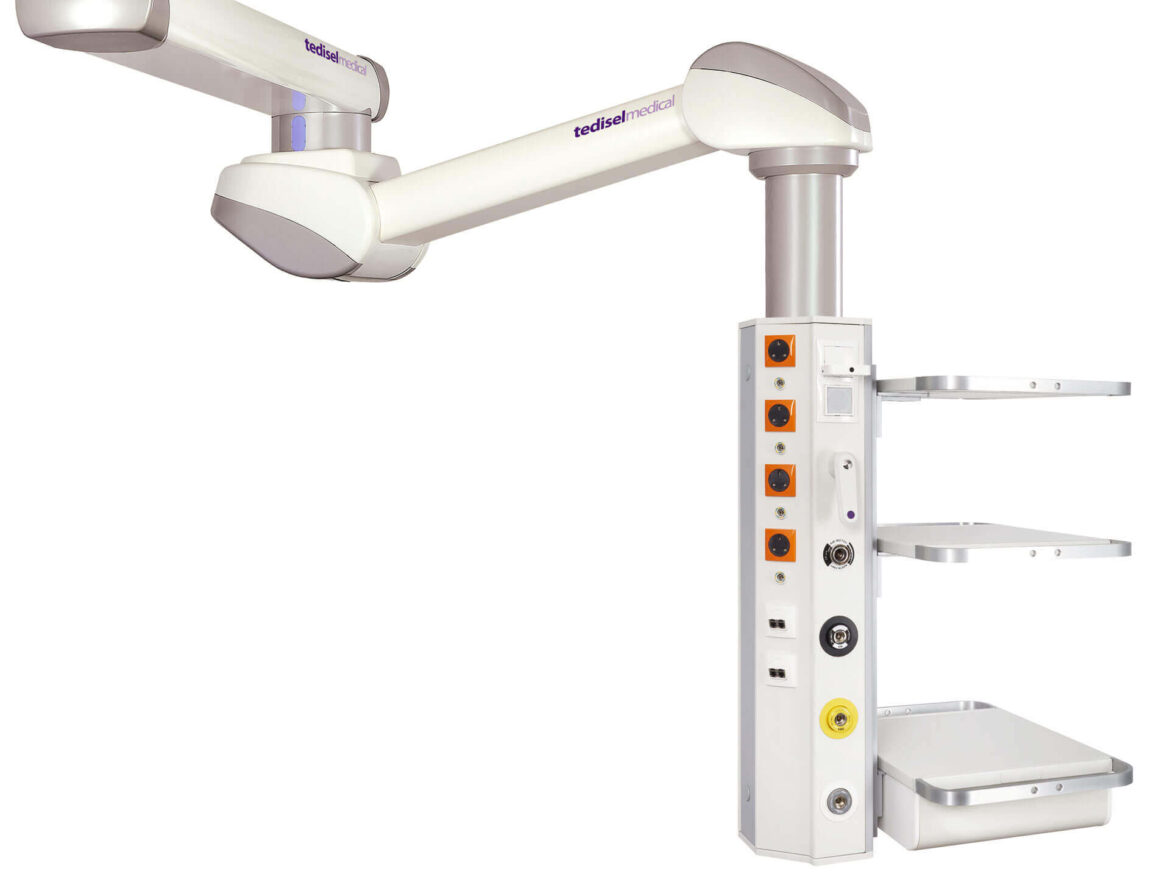
This type of medical equipment is composed of a modern mechanical structure that works, as its name indicates, as a kind of mechanical, articulated or motorized arms.

It is a modular system that offers surgeons and doctors the possibility of carrying out an infinite number of large, specific and immediate movements. Therefore, its use is common both in operating rooms and critical areas to carry out surgerys, intensive therapies, etc.


What are motor arm systems for?

This medical instrument has several functionalities that are concentrated in a single machine:

  • Serves as a source of electrical energy
  • Supplies gases and lighting
  • It can rotate on its own axis, facilitating its handling by the specialized medical team


Thanks to these characteristics and a versatile profile, motor arm systems are an added value and a guarantee for patients and doctors. Its qualities make it possible to significantly reduce possible complications in an operation. And therefore, they contribute to the successful completion of the surgery. In fact, on occasion, the use of this system can save the life of a patient.


Main functions of motor arm systems

These instruments for hospital use go beyond acting as arms. We are going to highlight what its basic functions are:


Adaptability and ergonomics

Due to its characteristics and versatility, it could be considered that the use of articulated arm systems requires a lot of space. However, this is not the case. This medical equipment allows to regulate the range of mobility depending on the available space. In addition, the different modules are removable and, once installed, the configuration can be changed easily in order to improve its operability according to the needs of the surgery and the healthcare personnel.

It is important that both the installation and configuration of this device for medical use is carried out by qualified personnel, with experience and knowledge of its operation.

In addition to adapting to space, thanks to its ergonomic design, it also adapts to the physique (height, for example) of the doctor. In addition, the change of positions also helps the staff not have to adopt uncomfortable positions that can cause damage or some type of pathology or injury.


Heads

It has a whole series of heads, so the motorized arms adapt to them. It also has hospital accessories and medical components and various supply modules. For all this, they facilitate the application and implementation of all kinds of medical strategies and techniques in operating rooms and critical areas.

These heads also provide the motor arm system with great agility and maneuverability to easily and immediately reach places where the human arm cannot.

On the other hand, it should be noted that, thanks to its intelligent design, the main head of this system has a command center that controls all the systems that are connected to it.


Illumination

Although the most attractive thing about this type of system is its ability to move and position, it is also important to highlight the high quality of its professional lighting system.


Supply modules

They allow the realization of medical connections in order to use all kinds of medical elements and equipment as well as medicinal gases. In addition, it should be reiterated that the provision of these modules is immediate, so that any surgical procedure has all the medical and safety guarantees.


Mobility

One of the great abilities and characteristics of the articulated arm systems is their rotary system, which allows total and absolute mobility in any type of space.

Its ability to perform all kinds of movements and adopt infinite positions, boosts the development of the operation and the movement of the medical team in the operating room. In this sense, we must not forget either the ease of use and directing it by specialists.


Brake system

Thanks to the brakes, the movement and position is adjusted to the exact point required by medical professionals quickly and easily.

At this point, functionality such as color coding to move or stop the instruments should also be highlighted.


A hygienic system

Hospitals in general, and operating rooms and critical areas in particular, are spaces that require a high level of hygiene and asepsis. In this sense, motor arm systems do not affect the hygiene of the space.

This hospital engineering system is made with materials that prevent the presence and proliferation of bacteria. At the same time, each of the plugins is designed regularly and hermetically. In addition, the surface is smooth, so its cleaning is not complex.

Due to all these characteristics, it is possible to confirm that this system reduces the possibility of cultivating risk microorganisms.


Versatility

This equipment has several functions and you can choose one or the other depending on the needs of the medical team. Furthermore, as it is modular it can be adapted to any type of space and to healthcare professionals. Thanks to this versatility, after installation, medical services often experience significant improvements and efficiency in relation to operations, etc.


Quick and remote control

In surgical operations, the outcome of the surgery or the lives of patients can become success or failure in a matter of seconds. That is why it is important that the control of this system is fast and remotely. This facilitates its use and agility.

In addition, rapid movements are often essential in any surgical process for its effectiveness and for the health of the person intervened.

Remote control makes it easy to handle motor arm systems remotely. Just by pressing a button, the arm rotates to the desired position without any need to move it manually or by applying force.


Benefits

Taking into account all the characteristics and main functions of motor arm systems, we could say that their main advantages are:

  • Its versatile profile: it supplies light, energy, gases …
  • It has great agility and ease of movements and positions.
  • It is easy to operate.
  • Professional and quality lighting.
  • Fast and rigorous motion control.


Conclusions

Like other hospital engineering instruments, motor arm systems have become an essential tool for the majority of hospitals that install them in their operating rooms and critical areas due to the many advantages that they represent for healthcare activities.


Read more
18Jan

Hospital engineering for the design of the hospitals of the future

January 18, 2022 tedisel Hospitals

The work of hospital engineers is essential to introduce new technologies and materials in hospitals.


Hospital engineers are professionals whose recognition is usually not related to their importance in clinical management. These professionals play a key role in achieving centres that are more sustainable and adapted to the new social and health realities..

Nobody is aware that the future of hospitals lies in the development of the concept of smart hospitals. And it is in this evolution where efficiency, safety and well-being of the patient come into play as absolute priorities.


What is Hospital Engineering?

Hospital Engineering is a branch of health that is oriented towards the management, planning, analysis, design, development and implementation of technologies that offer alternatives and improved solutions to the problems of the hospital environment. How? Using the latest technologies, especially in the health sector.

The modernization of the hospital sector is a palpable reality of the last decades that, in this case, has generated the need for engineers specialized in medical equipment and sanitary facilities.

This hospital engineering related long ago to the mere maintenance and good use of hospital buildings, facilities and equipment, today it is already an obsolete concept. In fact, it is one of the professions that are evolving the most and that will evolve the most.


Thus, the hospital engineer has adopted a multidisciplinary and proactive role, collaborating and making decisions about the new hospital equipment and advanced technologies to be implemented in the centres. In this regard, the hospital engineer is in charge of aspects such as:

• Advise on investments and new facilities.
• Direct minor works and supervise contracts.
• Manage financial and human resources
• The technical-legal responsibility of the facilities.


Therefore, these professionals are increasingly important in clinical management, such as electrical safety solutions for hospital facilities.


Case study: the health management of Covid-19

Despite not being healthcare personnel, hospital engineers have played, play and will play a decisive role in centres and hospitals that have to deal with the fight against SARS-CoV-2 and the COVID-19 epidemic.

The global pandemic has revealed how important the proper functioning of a hospital is in terms of electrical safety, infrastructure, supplies and equipment.

Thus, in hospitals, the engineering and maintenance departments are responsible for critical supplies such as medicinal gases, water, electricity or fuels.


Improvisation or lack of management is known to lead to both financial loss and poorer healthcare. For this reason, it is important to manage everything that these concepts encompass, starting with the electrical system, the central nucleus of the operation of a hospital. Hospital engineering works at this point to control, for example, that the electrical supply will be effective under any circumstance, that the fuel tanks of the generating sets are full, or that newly built hospitals have two electrical connections in case of fault.

More specifically with COVID-19 patients, their consumption of medicinal oxygen is very high, so it is vital that the supply is guaranteed and that the reserves are adequate. It is also necessary to control the elements that are not affected by the extreme variation in temperatures or other factors, as well as to try to avoid consumption by bottles, being more advisable in exceptional cases to use gas ramps.

Another strategic point is air conditioning, the final comfort of healthcare personnel and patients. For this reason, it is more than necessary to ensure the supplies of natural gas or diesel, or of the hot and cold batteries.

A process that has decisively affected the health management of Covid-19 and that will mark the future of future health is divestment. The lack of economic support experienced in recent years has been noted and more than in this pandemic, “increasing the effects of the crisis”, as indicated by Luis Mosquera, President of the Spanish Association of Hospital Engineering (AEIH).

Mosquera also points out that it is urgent to invest in hospitals to make them “lighter and more elastic”.


The role of hospital engineering in designing the hospitals of the future

Behind the maintenance and good use of the technology that is made in Spanish hospitals are the hospital engineers. In short, it is an essential element in the introduction of new technologies and materials in the health sector.

Engineers are partners in the new technologies that are going to be implemented in the hospital, their knowledge seems key for the management of this determinant technological component that goes hand in hand with the hospitals of the future.

Each equipment used in medicine will integrate an Engineering component, both software and hardware. A fact that is not trivial and to which the investment to update hospital centres must also respond accordingly.


Hospital engineering has arrived, as can be seen in the fact that several Spanish cities carry out their plans in terms of infrastructure for the next five and ten years, since an optimal planning of architecture in Hospital Engineering is needed.

This network of qualified professionals will help to obtain greater benefits from telemedicine, to promote methodologies to avoid providing medical services at a distance, to implement Big Data or Artificial Intelligence, etc.

In short, rethinking hospitals to make health buildings more sustainable and safer.

Hospital engineering is a global issue in which the United States and China are already putting a lot of effort, and in countries like India it will reach a new dimension: by 2024, its hospital spending is expected to reach 2,000 million euros per year.


Hospital engineering and electrical safety

Another area in which hospital engineering has a lot to contribute is in the electrical safety of hospitals.

The energy supply is essential not only in exceptional moments and of great hospital pressure such as the aforementioned pandemic, eventual natural disasters or critical situations. At such times critical areas such as operating rooms or ICUs have a high work rate, so electrical safety plays an essential role in the medical care of patients and, of course, to facilitate the work of healthcare professionals.


“The energy supply is essential not only in exceptional moments and of great hospital pressure such as the aforementioned pandemic, eventual natural disasters or critical situations.


On the other hand, considering that technology is increasingly present in hospitals and health centres through programs, software, machines, etc … It is important to have hospital electrical safety solutions that will ensure the proper functioning of all the medical services offered.


Planning the hospitals of the future

A light, adaptable hospital, with the appropriate infrastructures and prepared to adapt to the new and changing realities of the sector. This is the model of the health centre that will be established in the future.

A concept that has gained more acceptance than ever with the COVID-19 crisis: the global health structure is not prepared to face enemies and situations like that.

Therefore, the work of hospital engineering will be to ensure that hospitals are safe and intelligent spaces that adapt optimally and quickly to specific and temporary needs. To reduce the rate of improvisation, the work of hospital engineers to design contingency plans will be essential. And, fundamentally, guaranteeing electrical safety or making the design of hospitals more flexible, such as having spaces prepared to house mobile wards, hospitalization areas that can be transformed into ICUs, etc.


Read more
  • 1…345
logo-tedisel-mini

An expert insight into medical equipment

SANT LLUC, 69-81 08918 BADALONA (BARCELONA · SPAIN)
+34 933 992 058  [email protected]

made_in_barcelona_OK_tedisel_medical
TUV_certificado_ISO

© 2026 Tedisel Iberica SL. All rights reserved.
Privacy Policy. Legal Note. Cookies Policy.