
• Technical Panel
    • Glass Panel
    • Q Panel
  • Software – Hermes®
  • Ceiling Supply Unit

      • Motorized Column
      • Non-Motorized Column
    • S-Column
    • Abitus
    • Ares
    • Atlas
    • Tor
  • Bed Heads
    • Adonis
    • Ais
    • Antea
    • Aura
    • Aura Light
    • Icarus
    • N270
  • Projects
  • Tedisel Medical
  • News
  • Contact
  • Private zone
© 2025 Tedisel Medical. All rights reserved.
Tedisel Medical Tedisel Medical
  • Products
    • diamond_menu_tedisel_medical

      Technical Panel

      Glass Panel
      Q Panel

      submenu-software-tedisel-medical

      OR Software

      Hermes

      submenu-unidad_suministro_techo-tedisel-medical

      Ceiling Supply Unit

      Column
      > Motorized
      > Non-Motorized

      S-Column
      Abitus
      Ares
      Atlas
      Tor

      submenu-cabeceros-tedisel-medical

      Bed Head Units

      Adonis
      Ais
      Antea
      Aura
      Aura Light
      Icarus
      N270

  • Projects
  • Tedisel Medical
  • News
  • Contact
  • LOGIN
  • Products
  • Projects
  • Tedisel Medical
  • News
  • Contact
  • LOGIN
En
  • Portuguese
  • French
  • Spanish
Sign in

Sign in

Tedisel Medical
En
  • Portuguese
  • French
  • Spanish

tedisel

27Oct

Technology in operating rooms: advances and their impact on patient safety

October 27, 2025 tedisel Critical Areas, Medical equipment, Software, suspended columns, technical panel

Medicine is advancing by leaps and bounds, and operating rooms are one of the scenarios where technological innovation is making the most visible difference. If we think of an operating room just 30 years ago, the image was very different from today’s: less digitized equipment, less systems integration and processes much more dependent on human effort.

Today, operating rooms have become truly intelligent spaces. Minimally invasive surgery, robotics, real-time monitoring and, increasingly, solutions that guarantee not only efficiency for professionals, but also safety and confidence for patients, converge there.

In this article we will discuss how technology is transforming the work in operating rooms and what is the direct impact on patient safety. In addition, we will look at concrete examples of how products such as HERMES control software or Tedisel ceiling supply units contribute to more ergonomic, safer and more efficient surgical environments.


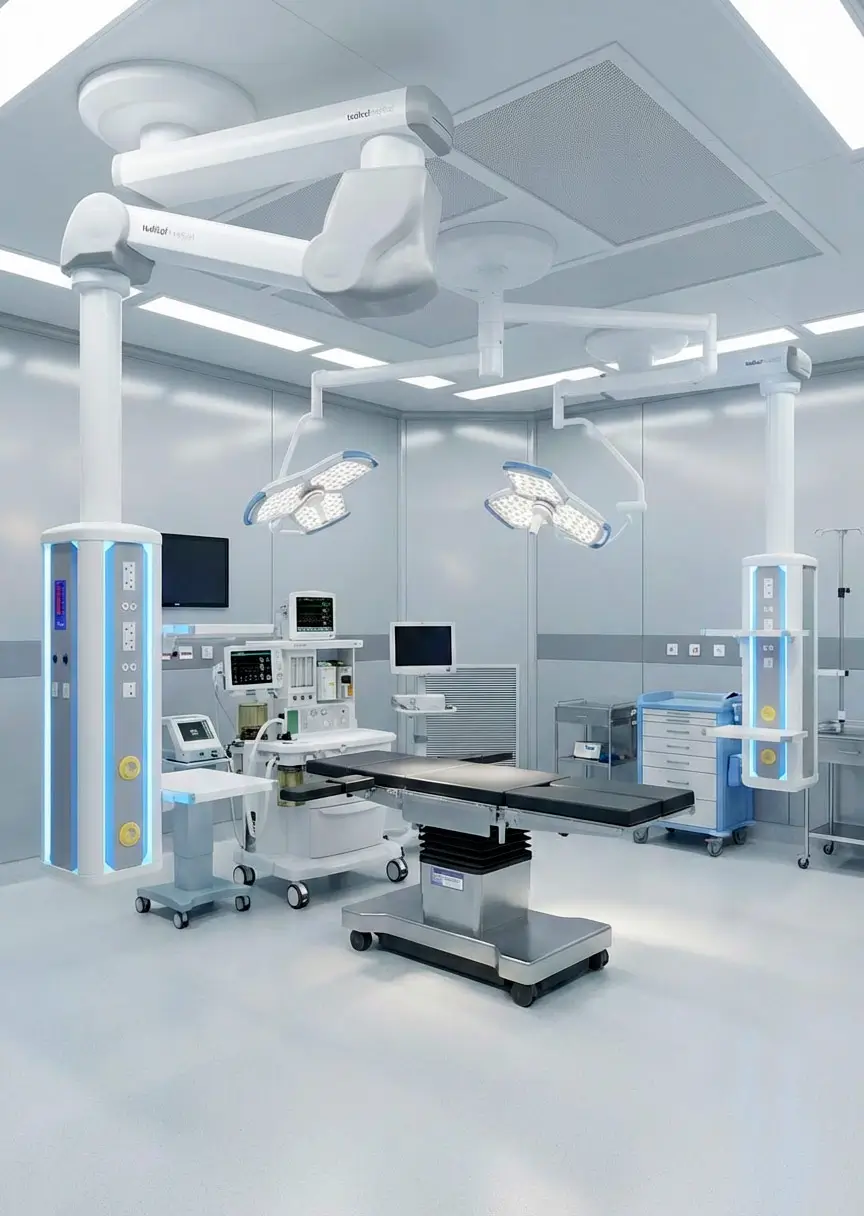
HERMES control software by Tedisel contributes to more ergonomic, safer and more efficient surgical environments.


1. A new era in operating rooms

For decades, patient safety in surgery depended mainly on the capability of the medical team and the quality of the instruments. However, the risks were high: hospital-acquired infections, human error due to fatigue, limited monitoring and long recovery times.

Today, thanks to digitalization and the incorporation of advanced systems, these risks have been significantly reduced. Technology does not replace the medical team, but it does act as an ally that offers precision, support in decision-making and a safer and more efficient work environment.

A prime example is control software systems, such as our HERMES, which transform the operating room into a fully integrated space. Thanks to this solution, different devices are centralized and coordinated from a single interface, providing efficiency and safety. One success story is that of the CMA Granollers Health Center, where each piece of equipment used to operate in isolation and now everything is managed in a unified way: from lighting, cameras and monitors, to communication systems and environmental parameters. This integration reduces the risk of errors, optimizes communication between professionals and allows the surgeon to focus all his attention on what is most important: the patient and the surgical procedure.


One success story is that of the CMA Granollers Health Center, where each piece of equipment used to operate in isolation and now everything is managed in a unified way: from lighting, cameras and monitors, to communication systems and environmental parameters.


2. Technological advances that have transformed the operating room

  • Minimally invasive and robotic surgery: Laparoscopic techniques and surgical robots have reduced the need for large incisions, which directly results in less postoperative pain and lower risks of infections. For example, a procedure that used to require weeks of recovery can now be resolved with just a few days of hospitalization.
  • Advanced real-time monitoring: Today’s systems allow constant and precise observation of the patient’s vital signs. In addition, thanks to artificial intelligence algorithms, it is possible to detect minute variations that could go unnoticed by the naked eye, generating early warnings for the medical team.
  • Augmented reality and surgical simulation: Surgeons can train on high-fidelity simulators and plan complex procedures with 3D images. This preparation reduces risks and increases confidence during the actual procedure.
  • Digital integration and control software: This is where solutions such as those from Tedisel come into play, offering Hermes software designed to integrate the entire operating room into a unified system. This means that lighting, columns, screens and even the air-conditioning system can be managed from a single platform. The impact on safety is enormous: fewer distractions, less wasted time and greater responsiveness to any unforeseen event.


3. Ergonomics as a pillar of safety

An operating room must not only be technologically advanced, but also comfortable and efficient for the staff working in it. Ergonomics is key because surgeons and nurses spend hours in demanding positions, handling delicate equipment and responding to critical situations.

In this regard, Tediselmedical’s motorized columns represent a fundamental advance. They allow the height and position of medical equipment to be adjusted automatically and precisely.

What does this mean in practice?

  • The surgeon does not need to make forced movements to reach devices.
  • The nursing staff can quickly adapt the room layout according to the procedure.
  • The workflow is optimized, reducing downtime and minimizing errors.
  • In addition, a motorized column not only improves the comfort of the equipment, but also avoids risky situations: an incorrectly positioned cable, equipment in the wrong position or an overload of devices can become a problem during surgery. Thanks to these systems, everything is organized in a safer and more functional way.


Tediselmedical's motorized columns represent a fundamental advance. They allow the height and position of medical equipment to be adjusted automatically and precisely.


4. Direct impact on patient safety

The key question is:

how does all this benefit the patient?

  • Fewer infections: digitized operating rooms make it possible to control sterilization and instrument traceability with greater precision.
  • Fewer human errors: by centralizing functions in a control software, the risk of confusion or operational errors is minimized.
  • Faster recoveries: thanks to less invasive techniques and ergonomics that streamline procedures, patients experience fewer postoperative complications.
  • Greater confidence: for both patients and their families, knowing that state-of-the-art technology is being used generates peace of mind.


An illustrative example: an operating room equipped with Tediselmedical’s Hermes software can, in a matter of seconds, adjust lighting, project images on high-resolution monitors and automatically record procedure data. All this allows the medical team to concentrate solely on the surgery, without wasting time on manual adjustments or repetitive checks.


5. Use cases: how technology changes daily practice

Imagine a complex cardiac surgery. The operating room is equipped with:

  • Tedisel motorized columns, which organize the workspace, avoiding cables on the floor and ensuring that each piece of equipment is within proper reach.
  • Centralized Hermes software, from which monitors, lighting and communication systems with other areas of the hospital are managed.
  • Real-time monitoring, which detects variations in vital signs and immediately alerts the anesthesiologist.


In this scenario, the patient receives a safer procedure with less chance of complications. For the medical team, the environment is more comfortable, reducing fatigue and the risk of errors.


6. Challenges and opportunities

Despite advances, the implementation of technology in operating rooms faces challenges:

  • High initial investment: equipping an operating room with advanced systems requires a significant budget.
  • Constant training: personnel must receive continuous training to take full advantage of the tools.
  • Equity of access: not all hospitals, especially in less developed regions, have these solutions.


However, the opportunities are enormous. The operating rooms of the future will be increasingly connected, with full data integration, predictive artificial intelligence and systems that ensure even greater safety.


7. Tediselmedical solutions: innovation at the service of patient safety

In this context, companies like Tediselmedical have positioned themselves as key allies in the transformation of operating rooms. Our products are not only focused on technology, but on the real impact it has on patient safety and well-being.

  1. HERMES software: centralizes the management of the different operating room systems, optimizing efficiency and reducing risks.
  2. Motorized operating room columns: improve the ergonomics and organization of the surgical space, ensuring a safer environment.
  3. Customized solutions: adapted to the specific needs of each hospital, maximizing the technological investment.


The added value of these solutions lies in the fact that they are not simply tools, but true facilitators of safety and confidence in an environment where every detail counts. The future promises even smarter operating rooms, where the synergy between healthcare professionals and technology will ensure not only better clinical outcomes, but also a more humane and safer experience for patients.


In short, the mission is clear: to make every surgical procedure more precise, more efficient and, above all, safer.

Read more
13Oct

Lean Methodology in Hospital Management: Strategies, Benefits and Challenges

October 13, 2025 tedisel Hospitals

Currently, healthcare systems face increasingly complex challenges: increased demand for services, sustained cost increases, pressure to maintain high quality standards and a more demanding public regarding the care they receive. Faced with this situation, hospitals must seek management alternatives that allow them to maintain efficiency without sacrificing quality of care. One of the most relevant methodologies that has been successfully transferred from the industrial sector to the healthcare field is the Lean methodology.

Lean, originally conceived at Toyota as a philosophy of efficient production, has been consolidated as a strategic tool for improving processes, reducing waste and, above all, generating value from the patient’s perspective. Beyond a set of techniques, Lean represents a cultural change that encourages the active participation of all hospital staff and promotes continuous improvement as a driver of transformation.

In this article we will take an in-depth look at the application of Lean in hospital management, exploring its fundamental principles, practical success stories, implementation strategies, as well as the challenges and limitations it faces.


Lean Methodology in Hospital Management: Strategies, Benefits and Challenges. Lean represents a cultural change that encourages the active participation of all hospital staff and promotes continuous improvement as a driver of transformation.


Origin and evolution of Lean methodology

Lean was born in Japan, specifically in the automotive company Toyota, under the leadership of Taiichi Ohno and Shigeo Shingo. Their goal was to create an efficient production system capable of competing with Western models after World War II. The key was to eliminate waste, optimize resources and ensure quality at every stage of the process.

Over time, its principles transcended the industrial sphere to be applied in sectors as diverse as logistics, financial services, education, and, more recently, healthcare.


The reason for this expansion is clear: all sectors share the need to deliver value to a “customer” (in this case, the patient) with the least possible amount of wasted resources.


In the hospital setting, Lean was first adopted in pioneering institutions in the United States and the United Kingdom in the late 1990s. Since then, its application has spread to multiple countries, demonstrating that its benefits do not depend solely on corporate culture but are universal when implemented with commitment and adaptation to the context.


Principles of Lean methodology applied to healthcare

The Lean philosophy is based on a set of principles that, when applied to the healthcare sector, take on a patient-centered approach:


Define value from the patient’s perspective

It is not just about providing a medical service but ensuring that every action brings something meaningful to the patient: reasonable waiting times, personalized care, humane treatment, and quality clinical outcomes.

Identify the value stream

Each hospital process can be mapped from the time the patient enters the hospital until he or she is discharged. The analysis of this “journey” makes it possible to identify redundant steps or activities that do not generate real value.

Eliminate waste

In the hospital environment, waste includes long waiting times, duplicate diagnostic studies, excessive drug inventories, errors in clinical records, unnecessary patient or staff transfers, and failures in coordination between services.

Create a seamless flow

The objective is for the patient to move through the health system without unnecessary delays or interruptions, from admission to the resolution of his or her health problem.

Implement pull systems

Instead of working with processes pushed by the hospital’s supply (for example, scheduling consultations without considering the real demand), the aim is to respond to the patient’s immediate needs.

Encouraging continuous improvement: Kaizen method

Lean is not an isolated project, but an organizational culture that encourages teams to constantly question how to improve processes, optimize resources, and offer increasingly humane and efficient care.


Lean Methodology in Hospital Management. The Lean philosophy is based on a set of principles that, when applied to the healthcare sector, take on a patient-centered approach.


Application of Lean in hospital management

The implementation of Lean in hospitals usually takes place in several stages:


Identification of critical processes

It is essential to select the areas with the greatest impact, such as emergency rooms, operating rooms, outpatient clinics, or hospital discharge processes.

Value stream mapping

An exhaustive diagnosis of the current state of the process is made, pointing out activities that add value and those that represent waste.

Definition of measurable objectives

For example: reduce waiting times in the emergency room by 30%, increase operating room utilization by 20% or reduce medication inventory without compromising availability.

Implementation of improvements

This may involve redesigning workflows, improving communication between teams, introducing assistive technologies, or simplifying administrative procedures.

Monitoring and adjustments

Key performance indicators (KPIs) are established to assess the impact of actions, such as average waiting time, readmission rate, or patient satisfaction.

Cultural consolidation

The success of Lean depends largely on staff training and management leadership that maintains commitment to continuous improvement.


Case studies of success

Lean methodology has demonstrated tangible results in hospitals around the world:

  • Hospital Clínic de Barcelona (Spain)

Thanks to the Lean methodology implemented in 2016, it reduced bottlenecks in emergency admission, shortening waiting times and improving responsiveness to peaks in demand.

  • Virginia Mason Medical Center (United states)

    Considered a world reference, it applied Lean in operating rooms, achieving a reduction in preparation times between surgeries and a more efficient use of resources.

  • St. John’s Hospital (Ireland)

Simplified processes in outpatient clinics, eliminating redundant tasks and improving the patient experience by reducing waiting times.

  • Hospital Universitario de Navarra (Spain)

    Introduced just-in-time replenishment systems in the pharmacy, which made it possible to reduce stock without compromising the availability of critical drugs.


These examples show that Lean is not an abstract theory, but a practice with a real impact on the quality of care and operational efficiency.


Benefits of Lean in hospitals

1. Improved patient experience

Shorter waiting times, more agile care and transparent processes.

2. Resource optimization

Uso más racional de camas, quirófanos, insumos y personal.

3. Cost reduction

By eliminating waste, hospitals save on unnecessary expenses.

4. Increased quality of care

Clearer processes reduce errors and improve clinical outcomes.

5. Increased staff motivation

Lean promotes an environment where workers actively participate in process improvement, which increases their sense of ownership.


Implementation challenges and limitations

However, Lean is not without its difficulties:

  • Resistance to change.
    Many healthcare professionals see the new methodologies as a threat to their routine or autonomy.
  • Lack of specialized training.
    Applying Lean requires training in tools such as process mapping or waste analysis.
  • Complexity of the healthcare environment.
    Hospitals are highly interconnected organizations, which makes it difficult to intervene in one area without generating collateral effects in another.
  • Need for constant leadership.
    Without sustained commitment from management, changes can be diluted over time.


Strategies for successful implementation

  1. Management commitment.
    Hospital leaders must become active promoters of the Lean culture.
  2. Continuing education.
    Offer training programs for physicians, nurses, administrative staff and management.
  3. Pilot projects.
    Start with specific areas to demonstrate quick wins that build trust.
  4. Measurement and transparency.
    Publish indicators and results to demonstrate progress.
  5. Culture of participation.
    Involve all staff in identifying problems and generating solutions.


The Lean methodology, applied with rigor and sensitivity to the healthcare context, has enormous transforming potential. However, it should not be confused with a magic recipe. Its success depends on cultural adaptation, sustained leadership, and the ability to integrate the human perspective with operational efficiency.

In a hospital, processes involve not only technology and logistics, but also the emotions, suffering, and expectations of patients and their families. Lean must therefore be applied with a humanistic approach, ensuring that efficiency never comes at the expense of quality of care and dignified treatment.


Lean methodology represents one of the most promising strategies to meet today’s hospital management challenges. Its ability to eliminate waste, optimize resources, and place the patient at the center of processes makes it an indispensable tool for building more efficient and sustainable healthcare systems.


Success stories in different countries show that Lean is not a passing trend, but a philosophy capable of transforming hospital culture. However, its implementation requires overcoming barriers such as resistance to change, lack of training, and the complexity of the healthcare environment.

Adopting Lean is not just a strategic decision: it is an urgent necessity to ensure that the hospitals of the future can respond to the growing demands of society without sacrificing quality and humanity in care.

Read more
23Sep

Tedisel Medical Invites You to the 42nd National Congress of Hospital Engineering

September 23, 2025 tedisel Fairs

Once again, Tedisel Medical will be present at the 42nd National Congress of Hospital Engineering, the essential meeting point for healthcare professionals who want to share knowledge, research, innovations, experiences, and projects.

We encourage engineers, managers, technicians, and hospital infrastructure specialists to take part in this unique event, which brings together leading experts in technology, sustainability, and safety in healthcare environments.

This coming October, we look forward to reconnecting with our clients and partners and continuing to learn together about the challenges and solutions that will shape the future of hospital engineering.


Tedisel Medical will be present at the 42nd National Congress of Hospital Engineering


Key Topics of the Congress

Throughout the event, participants will address crucial issues for innovation and improvement in healthcare facilities, including:

  • IoT solutions for monitoring hospital environments
  • Hospital interconnection through pneumatic transport systems
  • Air quality in hospitals and strategies for optimization
  • Prevention and early detection of Legionella through real-time monitoring in hospital facilities
  • How artificial intelligence will transform infrastructure, efficiency, and safety in the healthcare sector
  • Applications of AI in hospital engineering
  • Energy efficiency in healthcare buildings and reducing the carbon footprint
  • Policies and engineering in the health sector: challenges and opportunities
  • Cybersecurity strategies for healthcare institutions
  • Architecture and engineering in response to healthcare emergencies
  • Innovative and sustainable healthcare architecture


The 42nd National Congress of Hospital Engineering will be a unique opportunity to discover trends, discuss the major challenges in the sector, and explore advanced solutions that enhance the quality, safety, and efficiency of healthcare centers.


At Tedisel Medical, we’ll be delighted to welcome you to our booth, share our latest innovations, and listen to your needs so we can continue developing solutions that contribute to the progress of the healthcare sector. See you at the Congress!

Read more
22Aug

New VIAMED Hospital in Tarragona to open soon

August 22, 2025 tedisel Hospitals, Medical equipment, technical panel

Hospital Viamed Salud plans to inaugurate this summer the opening of its new hospital in Tarragona, an innovative center. With an investment of more than 50 million euros, this new healthcare infrastructure will become a benchmark for sustainability, digitalization and clinical excellence, not only in the province but also at national level.

The new hospital has more than 20,000 m² of floor space, 102 beds, 11 state-of-the-art operating rooms -all equipped with Tediselmedical QPanels-, a hemodynamics room, 16 posts for post-surgical recovery and an ICU with 6 individual boxes. It also has 15 outpatient major surgery stations, 45 outpatient consultation rooms, an emergency area with 21 boxes and an advanced, fully digitized diagnostic imaging service.


Hospital Viamed Salud plans to inaugurate this summer the opening of its new hospital in Tarragona, an innovative center.


In addition, the hospital has been designed following the criteria of LEED and BREEAM certifications in sustainability, and is in the process of accreditation by the Joint Commission International (JCI), which will make it the first hospital in Tarragona to obtain this international distinction in quality and safety of care.

The implementation of technological solutions such as QPanels is part of the EViamed30 , strategic planwhich promotes digital and sustainable transformation in all the group’s centers. According to Paulo Gonçalves, CEO of Viamed Salud, “This hospital symbolizes our commitment to medical excellence, but also to innovation.”

“This hospital symbolizes our commitment to medical excellence, but also to innovation.”

Paulo Gonçalves, CEO ofViamed Salud


Con esta nueva apertura, Viamed Salud refuerza su presencia en Tarragona, sumando este nuevo centro al Hospital Viamed Monegal y al recién inaugurado Centro Médico Viamed Tarragona.


With this new opening, Viamed Salud strengthens its presence in Tarragona, adding this new center to the Viamed Monegal Hospital and the recently opened Viamed Tarragona Medical Center. The hospital is expected to generate some 600 direct and indirect jobs, contributing significantly to the economic and social development of the region.

One of the main technological innovations is the installation of Tedisel Medical’s QPanels in the operating rooms. These modular and digital panels allow centralizing the control of multiple operating room systems (such as lighting, air flow, cameras or surgical equipment), improving the efficiency of medical work and patient safety.

Their integration responds to Viamed’s objective of building a completely digital and paperless hospital, where technology is fully at the service of healthcare.


One of the main technological innovations is the installation of Tedisel Medical's QPanels in the operating rooms. These modular and digital panels allow centralizing the control of multiple operating room systems (such as lighting, air flow, cameras or surgical equipment), improving the efficiency of medical work and patient safety.


Read more
04Aug

Hospital Maintenance: Key to Efficiency, Safety and Sustainability in the Health Sector

August 4, 2025 tedisel Hospitals, Medical equipment

What is hospital maintenance and why is it vital?

Hospital maintenance is much more than a set of technical tasks: it is the silent engine that ensures the proper functioning of hospitals, clinics and healthcare centers. In an environment where every minute can make the difference between life and death, ensuring the continuous operability of medical facilities is essential.


Hospital maintenance is much more than a set of technical tasks: it is the silent engine that ensures the proper functioning of hospitals, clinics and healthcare centers


This type of maintenance ranges from the physical state of the infrastructure to the operability of biomedical equipment, electrical systems, communication technologies and air conditioning. Its main objective is to prevent critical failures, reduce operating costs and ensure patient safety.


Implementing a well-designed maintenance plan allows:

  • Reduce interruptions.
  • Increase operational efficiency.
  • Comply with sanitary regulations.
  • Extend the useful life of equipment and infrastructure.
  • Reduce the environmental impact of the hospital.


Critical areas requiring hospital maintenance

Hospital maintenance is not limited to operating rooms or emergency rooms. It involves comprehensive oversight of all systems that directly or indirectly impact healthcare. Below, we review the main areas.


Hospital maintenance is not limited to operating rooms or emergency rooms. It involves comprehensive oversight of all systems that directly or indirectly impact healthcare


1. Physical facilities

These infrastructures must ensure a safe environment for patients, visitors and healthcare personnel. Their proper maintenance includes:

  • Review of piping systems to prevent leaks in critical areas such as laboratories or pharmacies.
  • Water quality control, ensuring that it meets sanitary standards.
  • Maintenance of windows, doors and elevators, key to accessibility and comfort.
  • Supervision of fire extinguishers, emergency lights and firefighting systems, essential in critical situations.


2. Biomedical equipment

Medical devices require specialized attention. An error or failure can have serious clinical consequences. Some key actions include:

  • Verification of infusion pumps.
  • Replacement of filters in mechanical fans.
  • Calibration of vital signs monitors.
  • Updating of software in diagnostic imaging equipment.


3. Industrial equipment

Refers to the facilities that enable the overall operation of the hospital:

  • Emergency power generators: vital in case of power outages.
  • Boilers and hot water systems: essential for hygiene and comfort.
  • Climate control (HVAC): regulates temperature and air quality.
  • Electrical networks: preventive maintenance to avoid outages and protect sensitive equipment.


4. Communication and computer systems

Modern hospital management relies on information and communication technologies. Therefore, the following must be considered:

  • Computer security and server maintenance.
  • Medical records backups.
  • Maintenance of patient-nurse call systems.
  • Supervision of cameras and access control systems.


Benefits of hospital maintenance

A comprehensive maintenance program brings multiple advantages, both from a technical, organizational and human point of view.

  • Increased operational efficiency: A hospital with well-maintained infrastructure and equipment works more smoothly. This allows healthcare personnel to concentrate on their work, without having to deal with interruptions or technical breakdowns.
  • Improved patient safety: Rigorous maintenance reduces medical errors, technical failures and structural risks. This not only protects patients’ lives, but also improves clinical outcomes and the institution’s reputation.
  • Cost reduction: Early investment in preventive maintenance avoids costly repairs and extends the service life of equipment. This optimizes the use of hospital budgets.
  • Regulatory compliance: Healthcare facilities are subject to frequent audits. Good maintenance ensures compliance with current regulations and prevents sanctions or even temporary closures.
  • Improved patient and staff experience: A clean, safe and functional environment generates confidence and comfort, improving patient perception of the hospital and fostering staff motivation.
  • Hospital maintenance and energy efficiency: Hospitals are major energy consumers. Their continuous operation and the need for air conditioning, lighting and medical equipment cause high energy costs.


Types of energy used in hospitals

  • Electric power: represents between 40% and 64% of total consumption. It is used for lighting, medical equipment and ventilation systems.
  • Thermal energy: comes from natural gas and is used for heating, domestic hot water and cooking. It accounts for between 36% and 60% of consumption.


Strategies to optimize energy efficiency

  1. Intelligent control systems: Technologies such as DALI (Digital Addressable Lighting Interface) allow lighting to be dimmed according to occupancy, reducing consumption without compromising functionality.
  2. Motion sensors: Activate systems only when needed, avoiding waste in empty areas.
  3. Advanced climate control: Intelligent HVAC systems automatically adjust temperature and air quality, improving efficiency.
  4. Investment in renewable energy: Hospitals can generate part of their energy with solar panels or geothermal systems. This guarantees energy autonomy and reduces the carbon footprint.
  5. Building Management Systems (BMS): They allow the integration and supervision of all building systems from a central point. They facilitate real-time data analysis, optimizing predictive maintenance tasks.
  6. Predictive and preventive maintenance: Anticipating failures helps to maintain optimal equipment performance and avoid outages.


Tangible results of hospital energy efficiency

By reducing energy consumption, hospitals not only lower their operating costs, but:

  • They contribute to the care of the environment.
  • They reinforce their commitment to sustainability.
  • Improve energy resilience to power outages.


An efficient hospital cares not only for its patients, but also for the environment and its own resources. Hospital maintenance is no longer an option, but a strategic necessity. In a context where hospitals are facing increasing challenges – technological, economic, social and environmental – safe, efficient and well-managed facilities are essential.

Investing in hospital maintenance means investing in: quality of care, patient safety, operational efficiency, environmental sustainability and regulatory compliance.

Management and digitization technologies, combined with a proactive and personalized approach, can make a big difference in hospital performance.


The future of the healthcare sector depends on smart infrastructures. At Tedisel medical we manufacture hospital equipment ready to lead this transformation, helping hospitals to be more modern, resilient and committed to life.

Read more
28Jul

Quality that Makes the Difference in the Hospital Environment

July 28, 2025 tedisel Medical equipment

In the hospital environment, every detail matters. From room design and choice of furnishings to technology and technical equipment, everything has a direct impact on the quality of care.

Opting for high-end, domestically manufactured hospital equipment is not only a question of quality, but a strategic decision that has an impact on patient safety, clinical staff efficiency, operational sustainability and long-term service reliability.


In the hospital environment, every detail matters. From room design and choice of furnishings to technology and technical equipment, everything has a direct impact on the quality of care.


Local involvement with global reach

Since its founding in 1995 in Badalona, Tedisel Medical has been committed to solid and sustainable growth. Today, it designs and manufactures hospital equipment in Spain, exporting to more than 80 countries. This consolidated trajectory translates into:


  • A unique positioning in solutions such as headboards for hospitalization and neonatal units (NICU), technical panels and software for operating rooms, as well as ceiling supply units for critical areas and operating rooms.
  • Constant innovation, backed by continuous investment in R&D, a highly qualified team and state-of-the-art technology.
  • A comprehensive and collaborative value chain that listens, advises, designs, manufactures and listens again to perfect each solution offered to the healthcare sector.


Certified quality and hospital safety regulations

Medical equipment is not renewed frequently, so it must be prepared for intensive daily use, comply with CE regulations, ISO standards and be ergonomically designed to facilitate the work of healthcare personnel.

Opting for low-quality products can result in technical failures, electrical or mechanical risks, and high maintenance costs in the medium term.

On the other hand, all equipment manufactured in Spain by Tedisel Medical complies with all certifications. In addition to this, technical support is agile, close and highly valued, especially in environments where every second counts.


Tedisel Medical has been committed to solid and sustainable growth. Today, it designs and manufactures hospital equipment in Spain, exporting to more than 80 countries.


Real high-impact innovation

Leading public and private hospitals in Spain already rely on Tedisel Medical. Reference institutions such as Hospital Clínic in Barcelona or Hospital 12 de Octubre in Madrid have implemented our solutions in hybrid operating rooms and critical areas, including Q PANEL and GLASS PANEL technical panels, combined with HERMES software, which centralizes the visualization and control of the surgical environment.

In the private sector, groups such as QuirónSalud have also chosen Tedisel to equip first-class hospitals.

In addition, we are committed to optimizing clinical space through suspended ceiling supply units, which eliminate obstacles in the critical area, improve the ergonomics of the environment and ensure safer workflows. These solutions are present in hospitals throughout Spain and in more than 80 countries worldwide.


Leading public and private hospitals in Spain already rely on Tedisel Medical.


Certified quality

Enjoy products with greater durability, maximum safety and full compliance with European and international standards.

Local support

Immediate attention to any unforeseen event, with close and efficient technical support from Spain.

Constant innovation

Access to cutting-edge technological solutions such as GLASS PANEL and HERMES developed in-house.

Flexibility and customization

Tailor-made solutions, adapted to the specific needs of each hospital or clinic.

Operational resilience

Domestic production ensures continuity and avoids dependence on international supply chains.

Read more
08Jul

Hospital environments that balance clinical efficiency and patient wellness

July 8, 2025 tedisel bed head units, Hospitals, Medical equipment

The success of a hospital center depends largely on its ability to deliver high-quality medical care while optimizing its operational processes. To achieve this balance, it is essential to design spaces that are not only functional and efficient, but also promote patient comfort and well-being.

Incorporating state-of-the-art hospital equipment, tailored to the specific needs of each facility, creates environments that facilitate the work of healthcare personnel and enhance the patient experience. From careful design planning to the selection of materials and technologies, every detail contributes to creating environments that support recovery, enhance safety and promote patient and professional satisfaction.

This strategic combination of comfort, functionality and technology is the basis for a modern hospital model, focused on optimal clinical outcomes and more humane and efficient care.


Hospital environments that balance clinical efficiency and patient wellness


Advanced solutions for critical areas and neonatal units

Designing a hospital room goes far beyond aesthetics. It involves meticulous planning to achieve an environment that provides patient comfort without compromising clinical functionality. In this sense, experience in critical areas and neonatal intensive care units (NICU) is essential to offer efficient, safe and customized solutions.

At Tedisel Medical we understand that each space has unique requirements. Therefore, we develop customized solutions that optimize distribution, improve workflows and ensure high care performance. 


A clear example of this is our ADONIS bed head unit, one of the most complete and versatile options on the market, recognized for its ergonomic design, modular functionality and ability to integrate with the latest medical technology.


1. Optimizes space and provides therapeutic support

Clinical environments configured according to the functions they are intended to perform promote treatments and increase efficiency. Vertical bedside units such as Adonis, for example, offer multiple configurations with various accessories and aesthetic finishes for different room types and specific needs. Their flexible design allows functional harmony to be maintained, enhancing the experience for patients and staff.

2. Promotes environments conducive to recovery

A well-designed and well-equipped hospital space should not only be functional, but also convey well-being. A welcoming layout, the strategic use of light and a careful selection of color ranges can create a relaxing environment that accelerates the patient’s recovery, improves their emotional state and contributes to the comfort of the healthcare staff.

In units such as NICUs, where the environment has a direct impact on the sensory development of newborns, these aspects become even more relevant. For this reason, we offer customization options with LED lighting finishes (Direct, Indirect and Night Light) and soft colors, HPL laminates, decorative vinyls and anodization on demand. These solutions allow us to create warm and visually harmonious environments, especially designed to provide a healthy and stimulating environment for infants’ eyes.


3. Ergonomics: key to efficiency and satisfaction of healthcare workers

Ergonomics in hospital environments is critical to improve efficiency, reduce staff fatigue and ensure safe and continuous care. Smart design not only facilitates access to medical equipment and devices, but also optimizes available space.

In this regard, our ADONIS bedside unit stands out for its ability to simultaneously serve two beds from a single unit, thanks to its structure designed to address multiple functions in an integrated manner. This solution reduces the need for additional equipment, while maintaining a high level of technological equipment and improving the organization and functionality of hospital wards. The result: a more efficient, agile and comfortable environment for both healthcare staff and patients.


4. High load capacity for versatile and comprehensive care

The ADONIS headboard is distinguished by its high weight-bearing capacity and integration of accessories, thanks to its monoblock profile design with technical bars and a monoblock-type front. This configuration allows the safe installation of a wide variety of elements, such as trays, shelves, articulated arms for monitors, luminaires, among other essential devices.

In addition, its ergonomic design allows for strategic placement of plugs, medical equipment and outlets for clinical use, while maintaining the highest standards of hygiene and safety. This versatility adapts to the specific needs of each medical specialty, considering factors such as staff height, workflows and operational preferences, helping to reduce the physical burden and improve the efficiency of the healthcare team.


5. Highly hygienic – a symbol of infection prevention

Effective cleaning is an essential component of clinical space design. Using durable, disinfectant-resistant materials with smooth, rounded surfaces facilitates hygiene and reduces the risk of infection. In addition, integrating organizational systems, such as cable management, helps maintain order and prevents the accumulation of dirt, improving safety for patients and workers alike.


Success stories: innovation and efficiency with Tedisel Solutions

Tedisel Medical has had the privilege of participating in high-level hospital projects, implementing advanced solutions in clinical environments that demand the best in efficiency, ergonomics and medical technology. Three outstanding examples of our experience are Clínica Girona and Hospital HC Miraflores in Spain, as well as Polyclinique Chaambi in Tunisia.


In each of these centers, our critical care and NICU solutions have contributed significantly to optimizing workflows, improving patient comfort and facilitating the work of healthcare personnel with state-of-the-art hospital equipment.

These projects are a concrete demonstration of our commitment to excellence, constant innovation and the ability to adapt to the specific requirements of each clinical environment.

We invite you to discover more about these and other success stories in the Projects section of our website.


Read more
26Jun

The impact of new technologies in the healthcare sector

June 26, 2025 tedisel Hospital technology

The insertion and impact of emerging technologies has transformed multiple sectors, with the healthcare field being one of the most benefited in recent years. These innovations include augmented reality (AR) and virtual reality (VR), which are often integrated into what is known as mixed reality or hybrid reality. This technological fusion is revolutionizing medical education, surgical planning and assistance in complex interventions.

AR and VR allow healthcare professionals and medical students to immerse themselves in simulated clinical environments, facilitating hands-on learning and skill acquisition in realistic and safe conditions. In the surgical context, these tools are especially valuable for planning complex procedures: the use of virtual models allows surgeries to be rehearsed before being performed on the real patient. A prime example is the creation of digital twins or virtual twins of anatomical structures, such as tumors and their environment, which can then be 3D printed. This provides the surgeon with an accurate representation of the surgical scenario, allowing him or her to anticipate and approach the intervention with greater safety and control.

This digitization process is complemented by other key advances such as robotics, artificial intelligence (AI), nanotechnology and other emerging tools that are redefining 21st century medicine.  


Augmented reality (AR), virtual reality (VR) and extended reality (XR) provide numerous possibilities and solutions in medicine: from the training of new doctors and practitioners with simulators and immersive encyclopedias, programs to sensitize patients before an operation, to greater precision in surgical interventions thanks to robotics and virtual environments.


The impact of new technologies in the healthcare sector. These innovations include augmented reality (AR) and virtual reality (VR), which are often integrated into what is known as mixed reality or hybrid reality.


The Potential of Augmented Reality in Modern Medicine

Augmented reality consists of superimposing digital elements -such as images, graphics or data- on the real physical environment, enriching the perception of the world around us without replacing it. Unlike virtual reality, in AR the user maintains direct contact with the real environment, to which complementary computer-generated information is added.

This technology is implemented through devices such as smartphones, tablets or smart glasses, and allows interaction with digital elements in an intuitive and immersive way. Its potential in healthcare is vast and continues to grow rapidly.


Some outstanding examples of its application in health are:


  • Assistance in emergency situations

    Applications that show, in real time, the location of automated external defibrillators (AEDs) in the immediate environment, enabling a faster response to cardiac arrest.


  • Improved blood collection

    Using portable scanners, an accurate image of the venous system is projected onto the patient’s skin, facilitating venous access by healthcare personnel and reducing errors or failed attempts.


  • Surgical intervention support

    AR software offers surgeons an “augmented view” of the human body, integrating enhanced images (such as CT or MRI scans) directly into their field of vision, allowing them to operate with greater precision and safety, as if they had “X-ray vision”.


AR represents a breakthrough towards a more visual, interactive and accurate medicine, improving both diagnosis and clinical and surgical procedures.


The Role of Virtual Reality in Healthcare Innovation

Unlike augmented reality, virtual reality offers a fully immersive experience that isolates the user from the real world. Using special glasses that fully cover the visual field, and in many cases motion controllers, VR allows the user to enter three-dimensional digital environments, interact with them and feel present in a simulated world.

In this experience, contact with the physical environment disappears completely, which opens the door to therapeutic, educational and rehabilitative applications of great value, especially in the field of health.


Some relevant examples of its use in medicine include:


  • Mental health

    Virtual reality is used in controlled exposure therapies, relaxation techniques, concentration and stress reduction. It is especially useful in the treatment of phobias, post-traumatic stress disorder (PTSD), anxiety disorders or autism spectrum disorders, as it allows the recreation of specific environments in a safe and personalized way.


  • Reminiscence therapy for people with Alzheimer’s disease

    Personalized virtual environments are created that transport the patient to significant places in his or her life, with the aim of stimulating memory and promoting emotional connection, thus helping to improve the quality of life of those suffering from dementia.


  • Physical rehabilitation

    Through interactive exercises and games, VR is used to help patients recover mobility, coordination and muscle strength. Gamification of therapy increases motivation and adherence to treatment.


Virtual reality is emerging as a powerful and versatile tool in healthcare, providing innovative solutions for the treatment, rehabilitation and psychological well-being of patients.


Real cases of application of new technologies in hospitals

Below are some specific examples of hospitals in which Tedisel Medical has been actively involved, promoting the incorporation of innovative technologies such as technical panels and software.


  • Hospital Clínic de Barcelona

    In 2018, the first experiences with virtual reality were carried out for patients undergoing surgery, with the aim of reducing preoperative anxiety, a common symptom in elective procedures that affects between 60% and 76% of patients.
    According to Dr. Antonio de Lacy, head of the Gastrointestinal Surgery Service and 
    promoter of the project

    “The application is a starting point that will allow this technology to be used in other procedures that also generate anxiety in patients.”
    VR allowed patients to explore, in a safe and guided manner, environments designed to calm stress prior to surgery.


  • Hospital de Bellvitge

    With the La Casa del Riñón project, virtual reality has been implemented as an educational tool for patients with chronic kidney disease. Through immersive experiences, patients can learn about and better understand the different treatment options -from home dialysis to transplantation-, which facilitates informed decision-making and promotes patient empowerment in a context of increasing incidence of this disease.


  • Hospital de la Vall d’Hebron

    In 2018, the Smart ICU project , was launchedaimed at developing smart Intensive Care Units, equipped with advanced monitoring and diagnostic systems. All data generated by the devices are centralized in the Smart Display platform, which facilitates clinical decision-making and optimizes the management of the critical environment.

    More recently, Vall d’Hebron has promoted the VHTDades platform, based on artificial intelligence, to securely and efficiently manage the entire lifecycle of clinical data. According to Dr. Yolima Cossio, director of Information Systems and Decision Support at the hospital:

    “VHTDades permite democratizar el uso de los datos en toda la institución, no solo en el Hospital, sino también en el VHIR y el VHIO. Supone un paso más hacia la consolidación de nuestro modelo data-driven, basado en la evidencia científica y el análisis de datos. Además, ofrece una base sólida para el desarrollo de herramientas de inteligencia artificial y la detección de necesidades clínicas y de investigación.”


  • Quirónsalud Hospital Group

    Quirónsalud has incorporated virtual reality in vestibular rehabilitation programs to treat patients with vertigo and imbalance This innovative technique not only improves functional balance, but also significantly reduces the associated symptoms and strengthens the patient’s confidence in their daily activities, offering a modern and effective alternative to traditional rehabilitation methods.


Read more
10Jun

The importance of hybrid operating room design: key to high-precision medical care

June 10, 2025 tedisel Medical equipment, Operating Rooms, technical panel

In the last decade, hybrid operating rooms have established themselves as a key element in the evolution of the modern healthcare system. Thanks to the integration of advanced medical imaging technology with highly complex surgical environments, these spaces allow minimally invasive interventions and complex surgical procedures to be performed simultaneously, without the need to move the patient.


The efficient and functional design of a hybrid operating room not only improves patient safety and the efficiency of the medical team, but also optimizes workflows, reduces operating times and enhances the quality of care.


In this context, hybrid operating rooms represent the clearest symbol of technological and structural transformation in hospitals and highly specialized surgical centers.

Understanding the importance of good design in these spaces is essential to ensure their operational success and their adaptation to the current demands of precision medicine.


The importance of hybrid operating room design: key to high-precision medical care


What are hybrid operating rooms or smart operating rooms?

Hybrid operating rooms, also known as smart operating rooms, are advanced surgical spaces that integrate state-of-the-art medical technology with high-precision diagnostic imaging equipment. Unlike traditional operating rooms, these rooms make it possible to combine surgical procedures with real-time imaging tests, such as MRI or intraoperative CT scans, without the need to transfer the patient to other areas of the hospital.

This fusion of surgery and diagnostics in a single environment allows for more precise, agile and safe interventions, significantly reducing margins of error and improving clinical decision making during the operation.


What are the benefits of hybrid ORs over conventional ORs?

The advantages of these intelligent surgical environments are manifold and decisive for modern medical care:

  1. Immediate and accurate diagnosis: Thanks to high-resolution and 3D images, practitioners can obtain accurate information during the procedure.
  2. Less invasive procedures: With advanced image-guided tools, unnecessary cuts and manipulations are minimized.
  3. Increased patient safety: Surgical risk is reduced by avoiding transfers and having a clear view of the patient’s condition in real time.
  4. Faster recovery: Precision in the procedure reduces complications and speeds up postoperative recovery times.


Essential and technological requirements

Hybrid operating rooms, due to their level of complexity and advanced equipment, require much more demanding spatial planning than conventional operating rooms. While the latter usually occupy between 40 and 60 square meters, hybrid operating rooms require areas of between 70 and 90 square meters, thus allowing the installation of high-precision imaging equipment and ensuring the smooth mobility of the surgical team.

There are two main configurations: one option in which the operating room directly integrates the diagnostic imaging equipment, and another in which there is an adjoining room dedicated exclusively to these devices, such as the fixed X-ray arch or magnetic resonance imaging (MRI). The latter modality allows the imaging systems to be operated independently, keeping the sterile environment intact and improving the circulation of auxiliary personnel.

In addition, it is imperative that these rooms comply with radiation protection requirements, including the use of special coatings such as lead in walls and doors. They must also be enabled to perform minimally invasive procedures, which implies a functional distribution of space and quick access to the necessary equipment.

The design must contemplate separate but connected spaces for the control room and the technical room, both with direct visibility to the operating room, for efficient supervision. On the other hand, the incorporation of real-time audiovisual communication systems is key, as they allow videoconferencing during surgery, which is of great value both for medical training and for collaboration between specialists from different centers.

Surgical professionals also require advanced visualization technologies. For this reason, it is essential to have high-definition monitors, recording systems, mobile surgical lights and devices such as image intensifiers, which allow every detail of the procedure to be visualized with maximum clarity.


Lighting, flexibility and environmental control in hybrid operating rooms

Adequate surgical lighting, complemented by controlled natural light, improves procedural accuracy and comfort during prolonged surgeries.
The design should ensure efficient staff circulation, separate flows according to functions and maintain equivalent aseptic conditions in all areas, including diagnostic rooms.

The use of modular structures facilitates space adaptation, optimizes installation and maintenance times, and improves the quality and safety of the surgical environment.
It is also essential to comply with ISO 14644 standards, which regulate air quality in operating rooms, guaranteeing a sterile and safe environment to prevent infections.


Advantages for the user: technology at the service of the patient and the medical team

The incorporation of advanced solutions such as those provided by Tedisel Medical, technical panels, ceiling supply units, software, among other systems, together with high-precision medical imaging technologies such as intraoperative 3D, computed tomography and real-time MRI, offers substantial benefits for both the medical team and patients. This technological integration improves clinical efficiency, optimizes workflows and contributes to safer, more accurate and personalized care.

These technologies allow simultaneous collaboration between different medical specialties, favoring a more efficient multidisciplinary approach. In addition, by avoiding the transfer of the patient between the operating room and other diagnostic areas, the risks of cross-contamination are reduced, the possibility of infection is minimized and the recovery process is accelerated.

The immediate diagnostic accuracy provided by these systems improves decision-making during surgery, increases surgical success rates and contributes to better long-term clinical outcomes, with more personalized and safer care.


Modular architecture: adaptability for the operating room of the future

Hybrid operating rooms are constantly evolving, adapting to new surgical requirements and technological advances. Therefore, it is essential to have flexible and modular spaces, capable of adjusting to changes in flooring, technical ceilings, air conditioning systems and integrated communication networks. The design of these environments is as complex as the interventions performed in them, which requires high-level architectural and technical solutions.

At Tedisel Medical, we are committed to a model of intelligent hospital architecture, developing state-of-the-art surgical equipment that meets the strictest international standards. Our modular approach not only allows rapid adaptation to new needs, but also improves space efficiency, enhances patient safety and optimizes the performance of healthcare personnel.

With more than 30 years of experience in the sector and presence in more than 80 countries, Tedisel Medical continues to drive innovation in solutions for operating rooms and critical areas, actively contributing to the development of the hospital of the future.


Read more
26May

Unbeatable infection control and versatility in operating rooms design

May 26, 2025 tedisel Medical equipment, Operating Rooms, technical panel

The digitization of operating rooms is evolving rapidly around the world, radically transforming the way the surgical environment is conceived and managed. Not long ago, surgeons faced significant constraints: poor planning, communication breakdowns, lack of technology, and spaces that were dysfunctional, cold, and poorly humanized. These conditions directly impacted the quality of medical care. Today, thanks to technological advances, it is possible to create environments that are more efficient, safer and adapted to both the needs of the medical team and the well-being of the patient.


Unbeatable infection control and versatility in operating rooms design


Today, the incorporation of new technologies is revolutionizing the surgical environment globally. Digitization and modernization of operating room design not only optimize clinical processes, but also significantly improve medical outcomes and operational efficiency.


Factors such as the shortage of healthcare professionals, the lingering effects of the COVID-19 pandemic or even recent situations – such as the power outage that affected the entire Iberian Peninsula at the end of April – have highlighted the urgent need for more resilient, efficient and technologically advanced surgical systems.

Against this backdrop, adopting innovative solutions has become essential. The implementation of technologies such as our technical panels – designed specifically for surgical environments – enables medical personnel to work more safely, efficiently and hygienically, even in critical situations. These solutions not only improve productivity and accuracy, but also ensure uninterrupted operational continuity.


Versatility and Customization at the Heart of the Operating Room

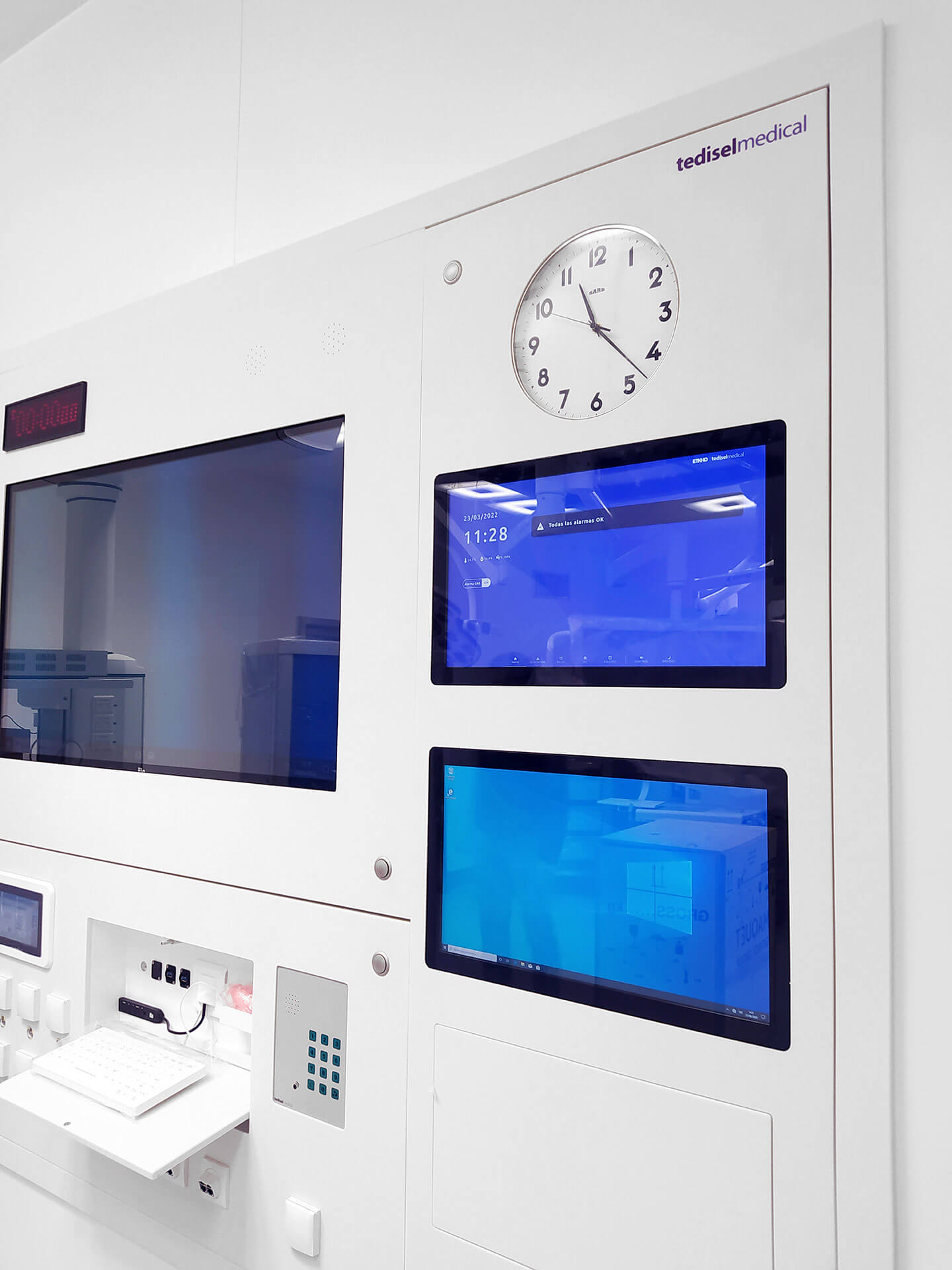
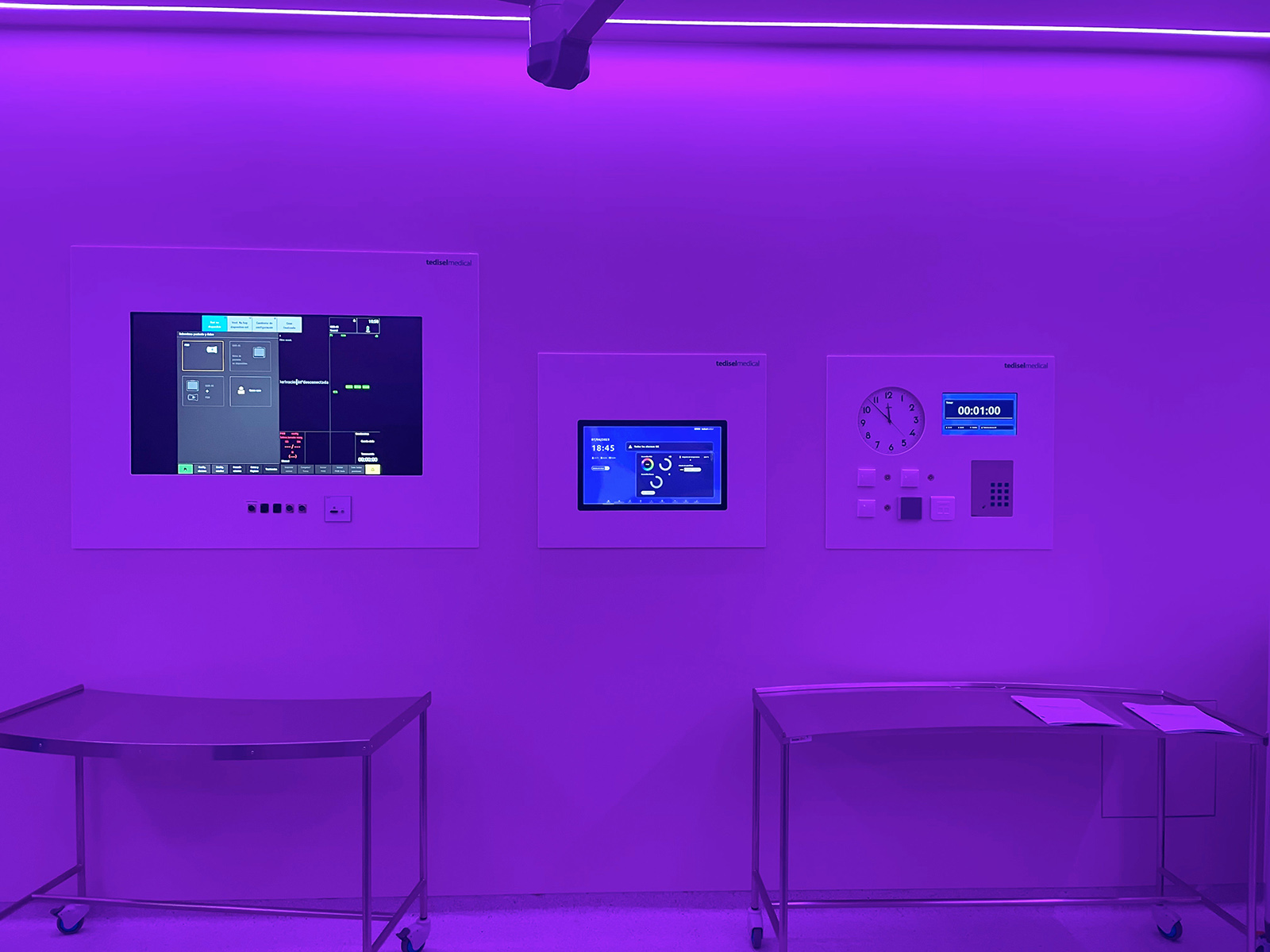
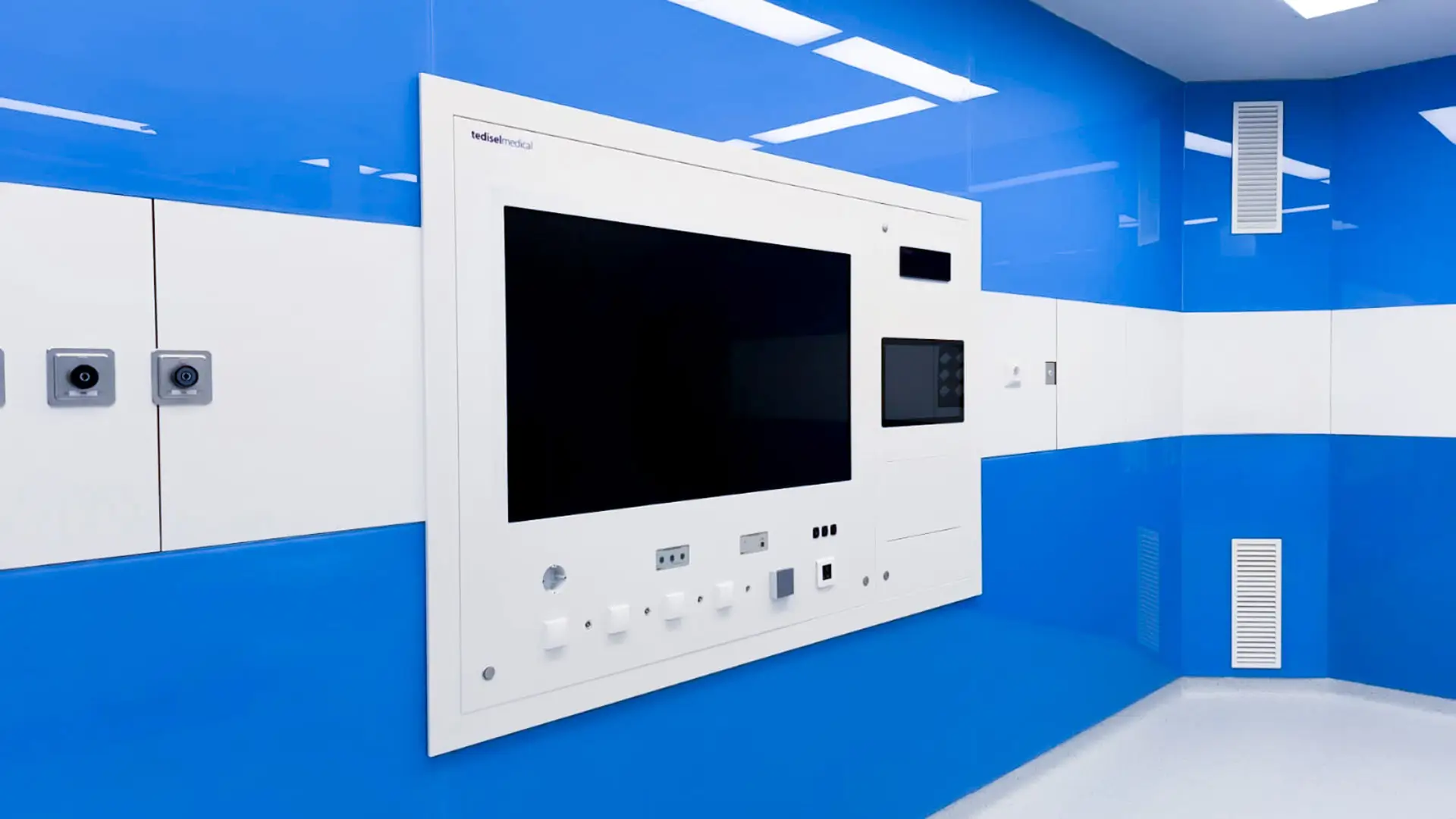
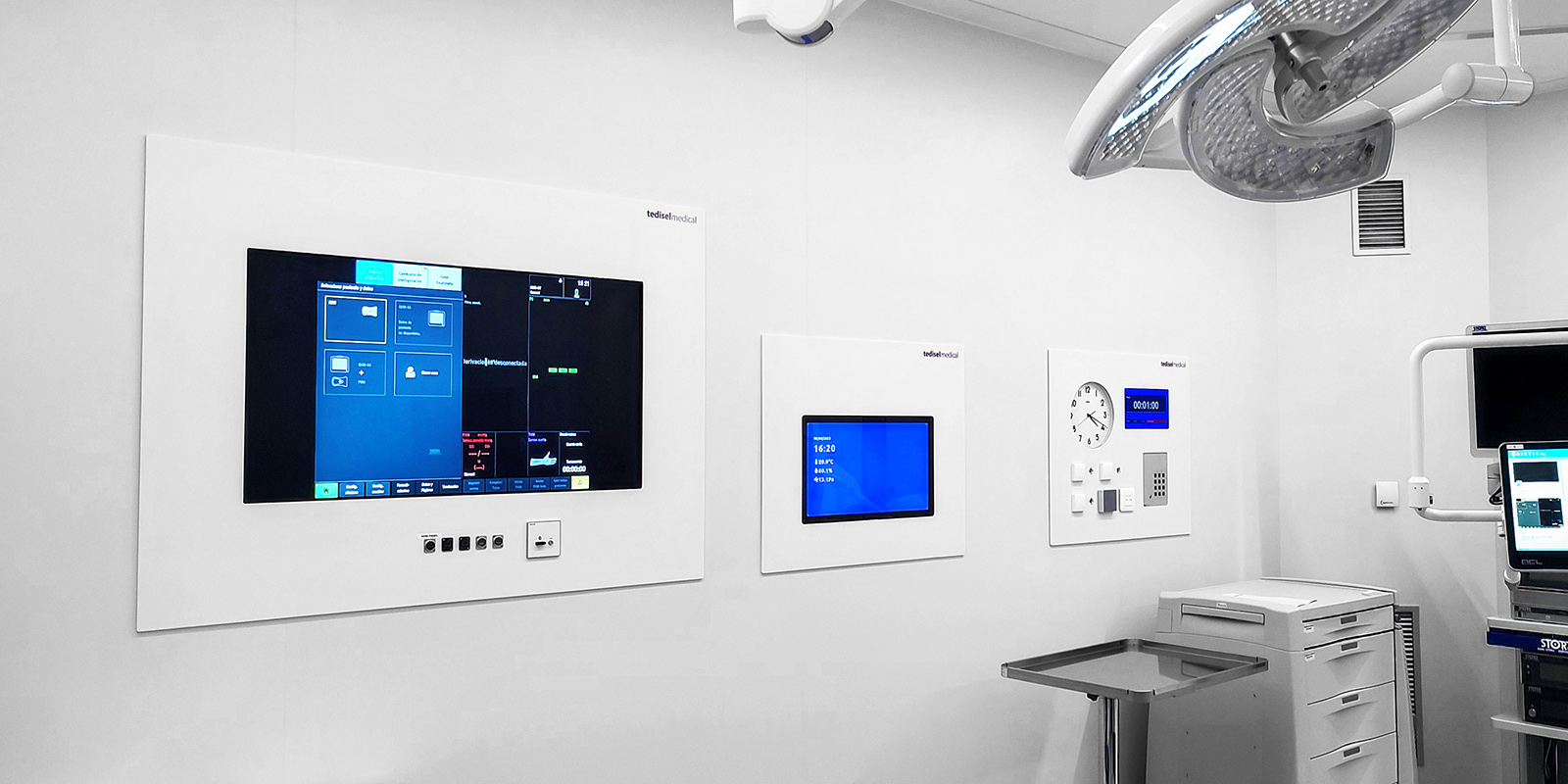
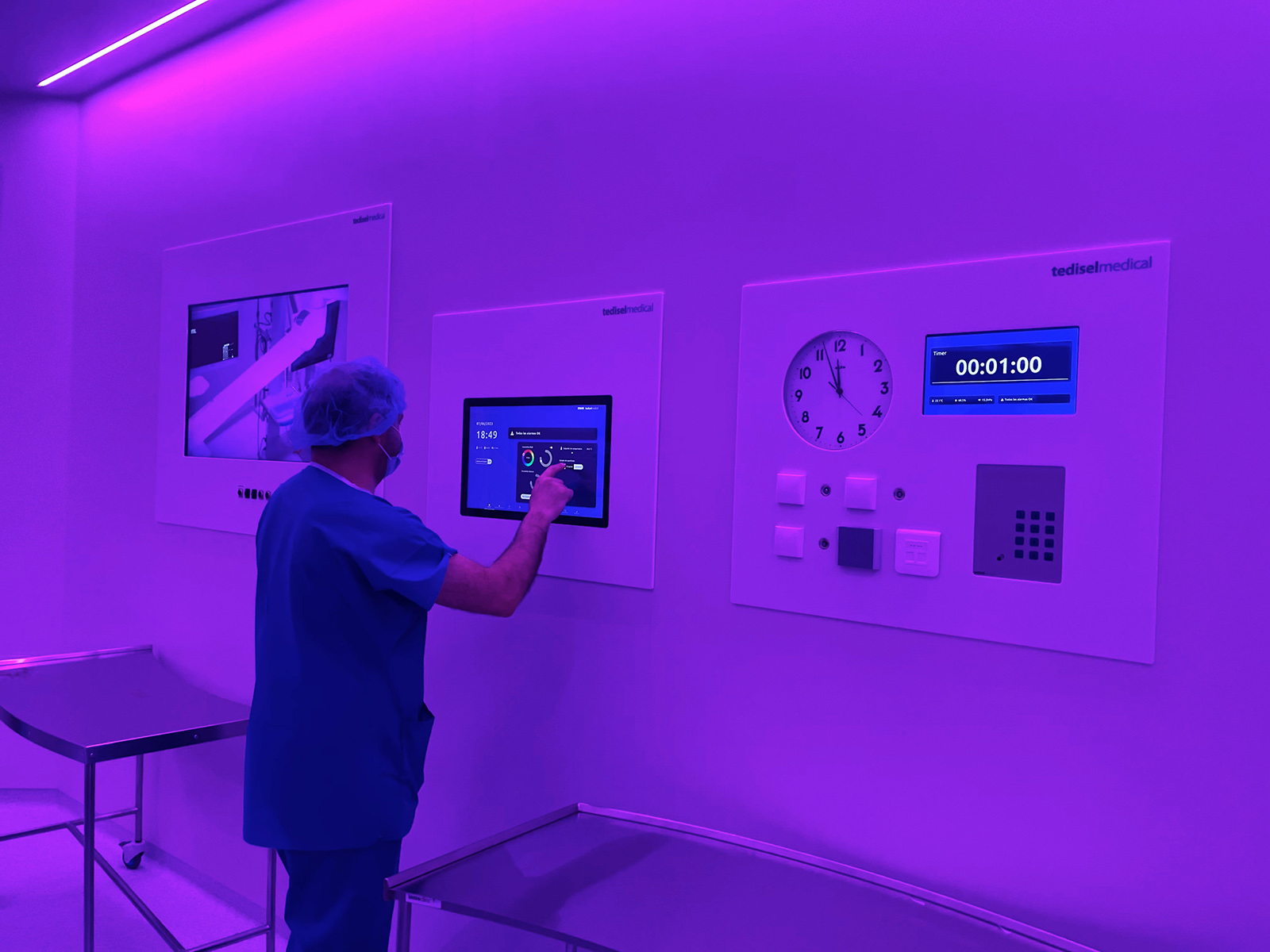
The Q PANEL has been designed to centralize all controls, displays and essential elements within the OR. Available in touch screen or conventional versions, it offers full compatibility with PACS, nurse stations and control software, HERMES.

Manufactured in high quality Solid Surface, the Q PANEL adapts precisely to different sizes, configurations and technical requirements, allowing full customization according to the specific needs of each surgical project.

Our flagship model stands out for its Corian® surface, recognized for its resistance, ease of cleaning and warm aesthetics. In addition, the QPANEL has been designed with a modular approach that allows the integration of a wide variety of components according to the required configurations, such as high quality Full HD and 4K monitor units, power outlets, surgical clocks, timers, nursing stations, among others.


Digitization and modernization of operating room design not only optimize clinical processes, but also significantly improve medical outcomes and operational efficiency.


Main benefits of choosing QPANEL

Workflow optimization

The modular and flexible design of the QPANEL is one of the most significant aspects of our product. This approach makes it possible to maintain a continuous workflow in the OR, avoiding unnecessary interruptions that can affect the throughput and quality of medical care. In the event of a breakdown, unlike other systems on the market, the QPANEL allows repairing only the affected section, without the need to completely stop operations. This ability to perform quick, localized repairs not only minimizes downtime, but also ensures that the OR continues to operate efficiently.

Many brands on the market do not offer such flexible solutions, which means that a breakdown in any part of the system can cause prolonged downtime for the entire surgical unit. In contrast, our design with quick-opening doors facilitates easy access to every component, ensuring full functionality without compromising the operability of the OR. This advantage is crucial for hospitals and clinics that cannot afford prolonged downtime, especially in high-demand environments.

The ability to maintain uninterrupted workflow and efficient repair is a strength of QPANEL, making our product a superior choice compared to other solutions on the market.


High-tech monitors

The QPANEL‘s integrated monitors are specifically designed to withstand the extreme conditions of the operating room, withstanding both high temperatures and the constant flow of activities in a high-demand environment. Thanks to their advanced technology, they always deliver sharp, glare-free images in Full HD and 4K, enabling accurate real-time visualization during critical surgical procedures.

This level of visual accuracy is crucial for making sound surgical decisions. Even the slightest error in image interpretation could jeopardize patient safety. That is why high-resolution, touch-sensitive displays that not only provide clear and detailed images, but are also optimized to maintain a constant, distortion-free display, are essential in the surgical environment. Reliability and image quality are key factors in ensuring the safety and success of every procedure.

What differentiates QPANEL from other products on the market is the integration of these monitors within a structure designed to offer additional protection while maintaining functionality, even in the most demanding operating rooms. This is a significant differential point, since in the operating room, image quality and visual accuracy are aspects that cannot be compromised. The ability to see in detail and without distortion is key to the correct execution of any procedure, which makes QPANEL an irreplaceable solution for hospitals and clinics that prioritize safety and efficiency in their operations.


The Ultimate Solution for Surgical Spaces

Corian® Solid Surface is the material of choice for the fabrication of our technical panels, standing out as the ideal choice due to its multiple advantages, which include:


  • Non-porous surface: Resists the accumulation of bacteria and fungi, facilitating disinfection.
  • Stain resistance: Withstands substances such as blood or iodine dye without deterioration.
  • Ease of cleaning and repair: Minor scratches or damage can be cleaned or repaired in situ, without the need to replace complete parts.
  • Safe and inert material: Non-toxic, no outgassing under normal conditions.
  • Thermoformable and aesthetically superior: Allows for customized designs and a seamless finish.


Comparison: Corian® vs. traditional materials

FeatureLaminatedStainless steelCorian® Solid Surface
Seamless integrationNoPartialYes
Touch and estheticsIndustrial / ColdIndustrialSoft / Warm
ReparabilityNoDifficultEasy
CustomizationLimitedWelded shapesThermoformable


Key benefits of Corian® in operating rooms

  • Imperceptible joints: Improves hygiene by eliminating areas of dirt accumulation.
  • Superior durability: Resistant to heat, stains and heavy use, keeping it looking like new.
  • Sanitary certifications: Corian® meets and exceeds the highest hygienic standards, certified by LGA.
  • Green commitment: Contributes to sustainable construction and design practices, protecting the health of patients and medical staff.


The digital transformation of the operating room is a reality that is advancing unabated. Adopting innovative solutions such as Q PANEL and cutting-edge materials such as Corian® Solid Surface ensures safer, more efficient operating rooms that are ready to face the challenges of the future . Investing in state-of-the-art technology means investing in safety and quality for the patient and the medical team.

To learn more about how our projects have transformed surgical spaces worldwide, explore our success stories and see the technical panels we have installed in hospitals around the world. Contact us to find out how we can help you optimize your surgical environment and improve your hospital’s performance.


Read more
  • 1234…10
logo-tedisel-mini

An expert insight into medical equipment

SANT LLUC, 69-81 08918 BADALONA (BARCELONA · SPAIN)
+34 933 992 058  [email protected]

made_in_barcelona_OK_tedisel_medical
TUV_certificado_ISO

© 2026 Tedisel Iberica SL. All rights reserved.
Privacy Policy. Legal Note. Cookies Policy.