• Technical Panel
    • Glass Panel
    • Q Panel
  • Software – Hermes®
  • Ceiling Supply Unit

      • Motorized Column
      • Non-Motorized Column
    • S-Column
    • Abitus
    • Ares
    • Atlas
    • Tor
  • Bed Heads
    • Adonis
    • Ais
    • Antea
    • Aura
    • Aura Light
    • Icarus
    • N270
  • Projects
  • Tedisel Medical
  • News
  • Contact
  • Private zone
© 2025 Tedisel Medical. All rights reserved.
Tedisel Medical Tedisel Medical
  • Products
    • diamond_menu_tedisel_medical

      Technical Panel

      Glass Panel
      Q Panel

      submenu-software-tedisel-medical

      OR Software

      Hermes

      submenu-unidad_suministro_techo-tedisel-medical

      Ceiling Supply Unit

      Column
      > Motorized
      > Non-Motorized

      S-Column
      Abitus
      Ares
      Atlas
      Tor

      submenu-cabeceros-tedisel-medical

      Bed Head Units

      Adonis
      Ais
      Antea
      Aura
      Aura Light
      Icarus
      N270

  • Projects
  • Tedisel Medical
  • News
  • Contact
  • LOGIN
  • Products
  • Projects
  • Tedisel Medical
  • News
  • Contact
  • LOGIN
En
  • Portuguese
  • French
  • Spanish
Sign in

Sign in

Tedisel Medical
En
  • Portuguese
  • French
  • Spanish
27Oct

Technology in operating rooms: advances and their impact on patient safety

October 27, 2025 tedisel Critical Areas, Medical equipment, Software, suspended columns, technical panel

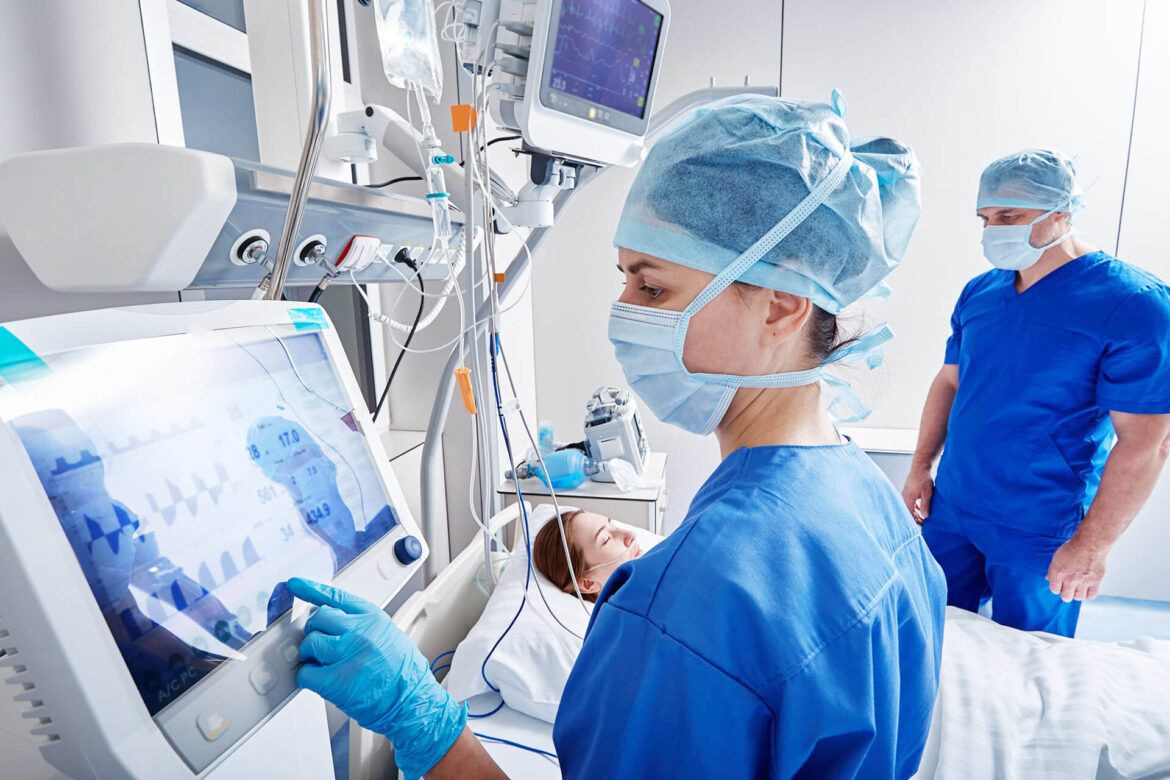
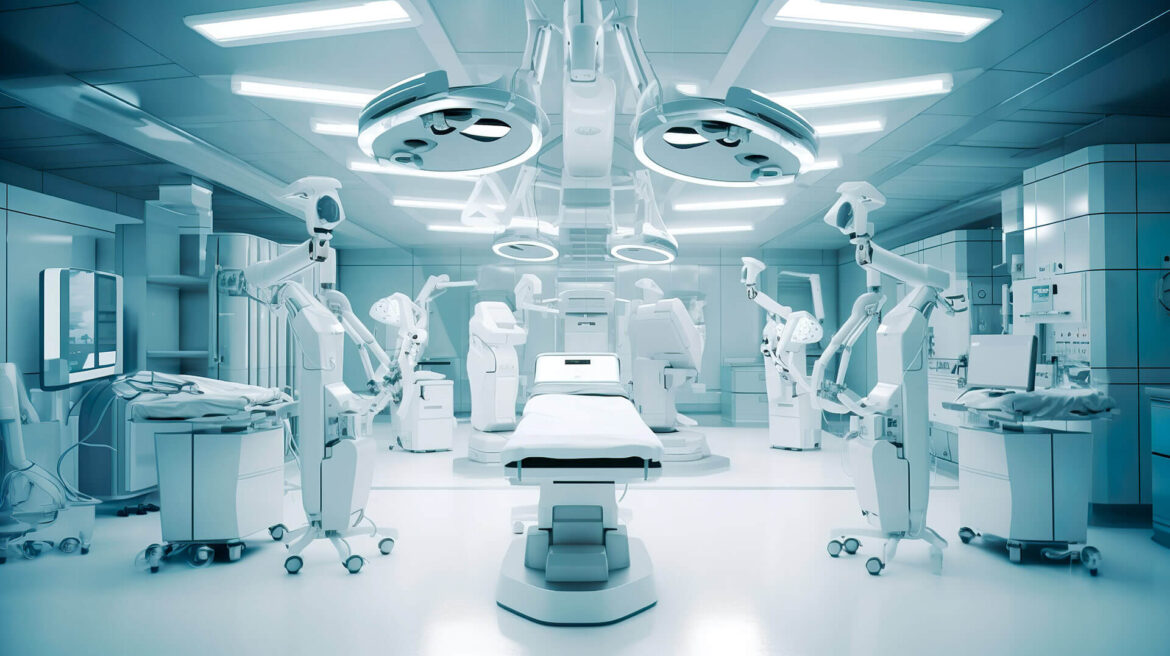
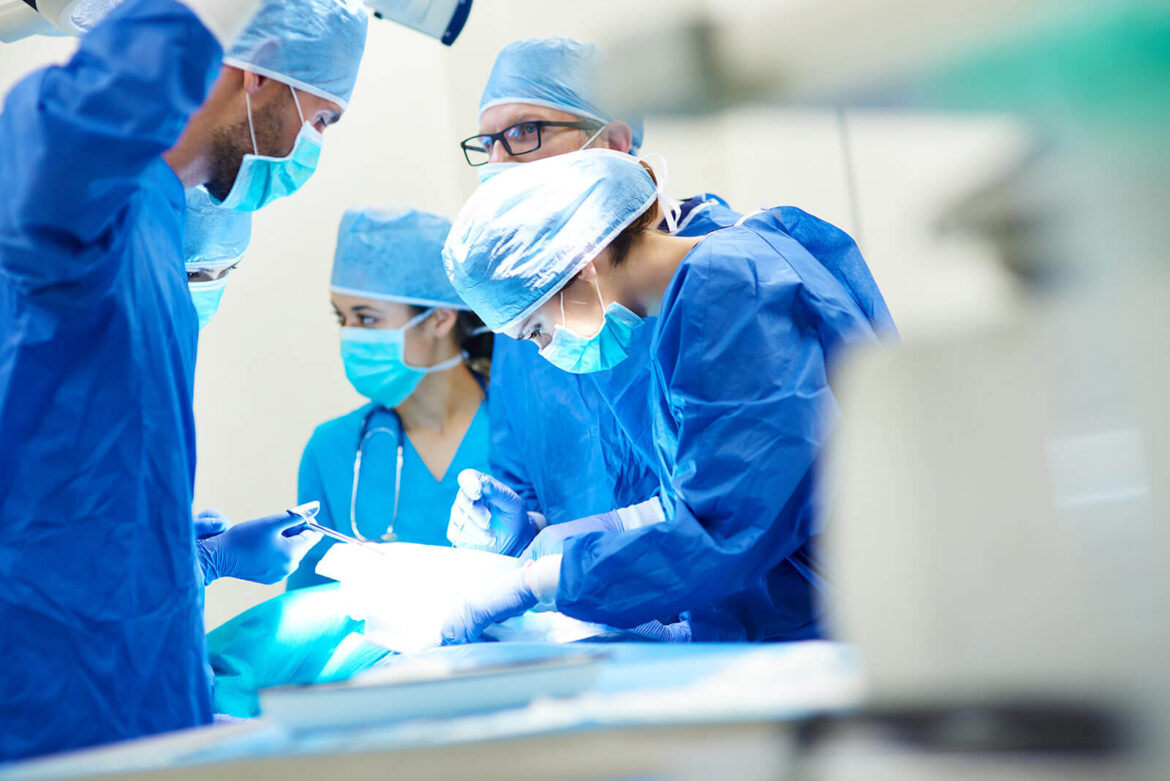
Medicine is advancing by leaps and bounds, and operating rooms are one of the scenarios where technological innovation is making the most visible difference. If we think of an operating room just 30 years ago, the image was very different from today’s: less digitized equipment, less systems integration and processes much more dependent on human effort.

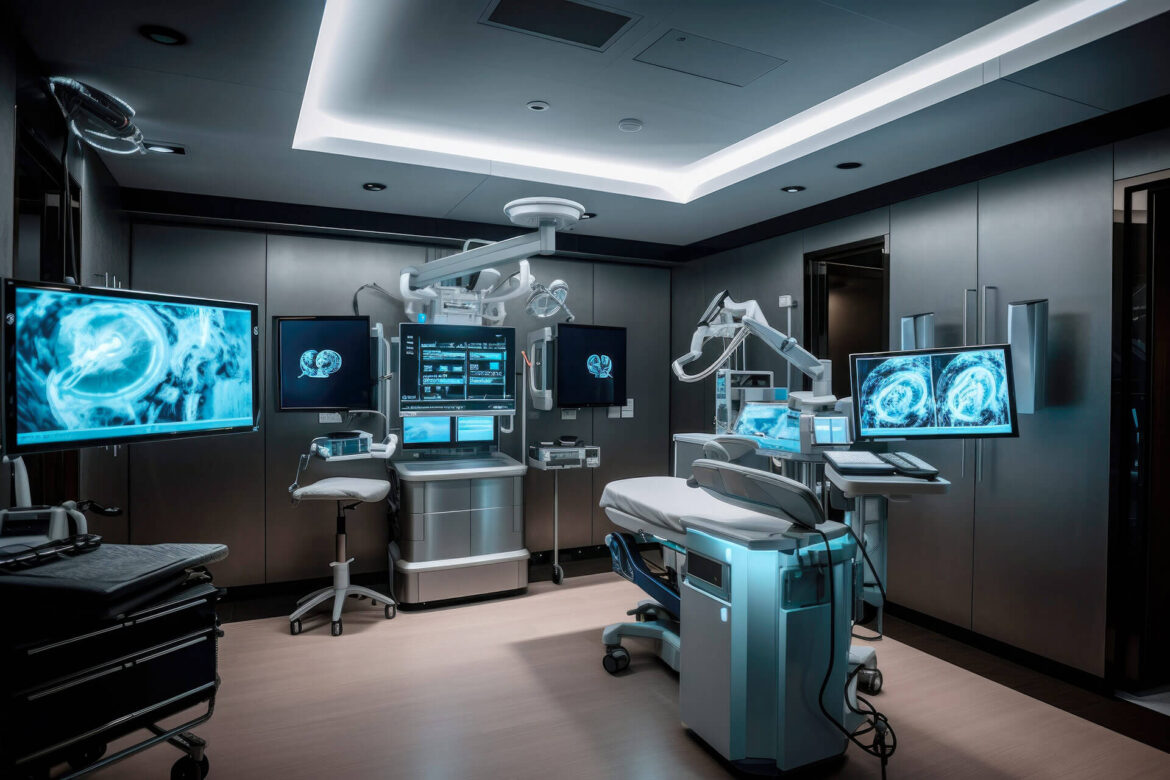
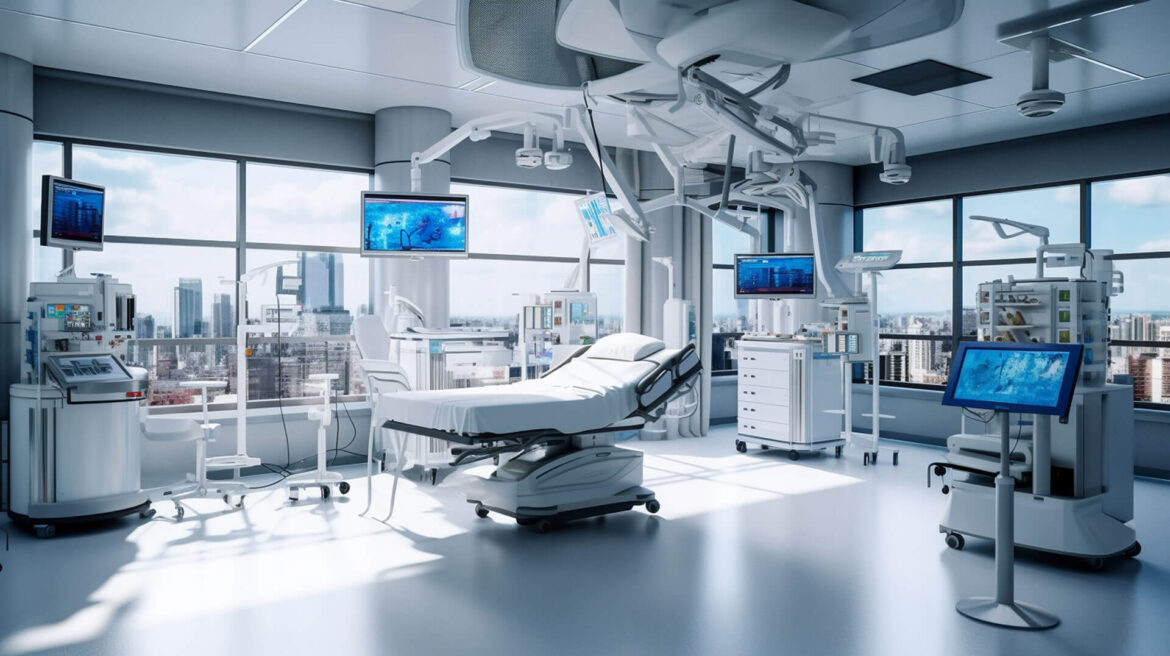
Today, operating rooms have become truly intelligent spaces. Minimally invasive surgery, robotics, real-time monitoring and, increasingly, solutions that guarantee not only efficiency for professionals, but also safety and confidence for patients, converge there.

In this article we will discuss how technology is transforming the work in operating rooms and what is the direct impact on patient safety. In addition, we will look at concrete examples of how products such as HERMES control software or Tedisel ceiling supply units contribute to more ergonomic, safer and more efficient surgical environments.


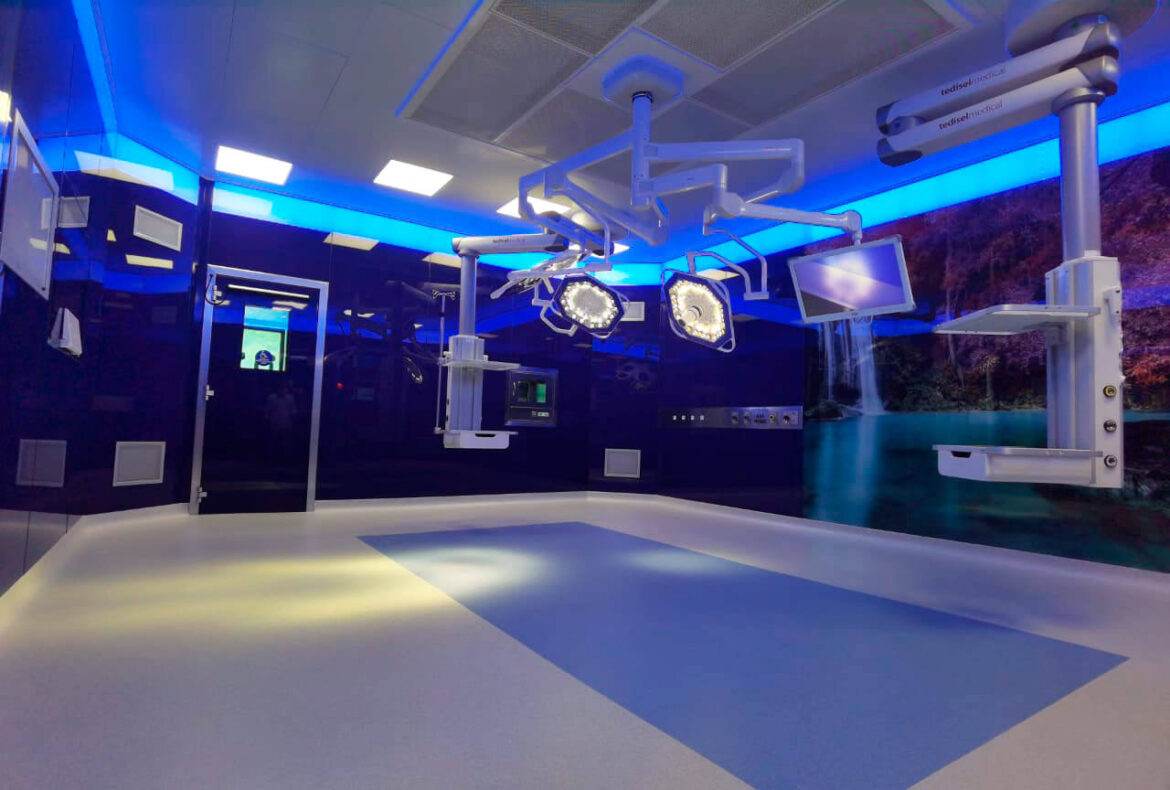
HERMES control software by Tedisel contributes to more ergonomic, safer and more efficient surgical environments.


1. A new era in operating rooms

For decades, patient safety in surgery depended mainly on the capability of the medical team and the quality of the instruments. However, the risks were high: hospital-acquired infections, human error due to fatigue, limited monitoring and long recovery times.

Today, thanks to digitalization and the incorporation of advanced systems, these risks have been significantly reduced. Technology does not replace the medical team, but it does act as an ally that offers precision, support in decision-making and a safer and more efficient work environment.

A prime example is control software systems, such as our HERMES, which transform the operating room into a fully integrated space. Thanks to this solution, different devices are centralized and coordinated from a single interface, providing efficiency and safety. One success story is that of the CMA Granollers Health Center, where each piece of equipment used to operate in isolation and now everything is managed in a unified way: from lighting, cameras and monitors, to communication systems and environmental parameters. This integration reduces the risk of errors, optimizes communication between professionals and allows the surgeon to focus all his attention on what is most important: the patient and the surgical procedure.
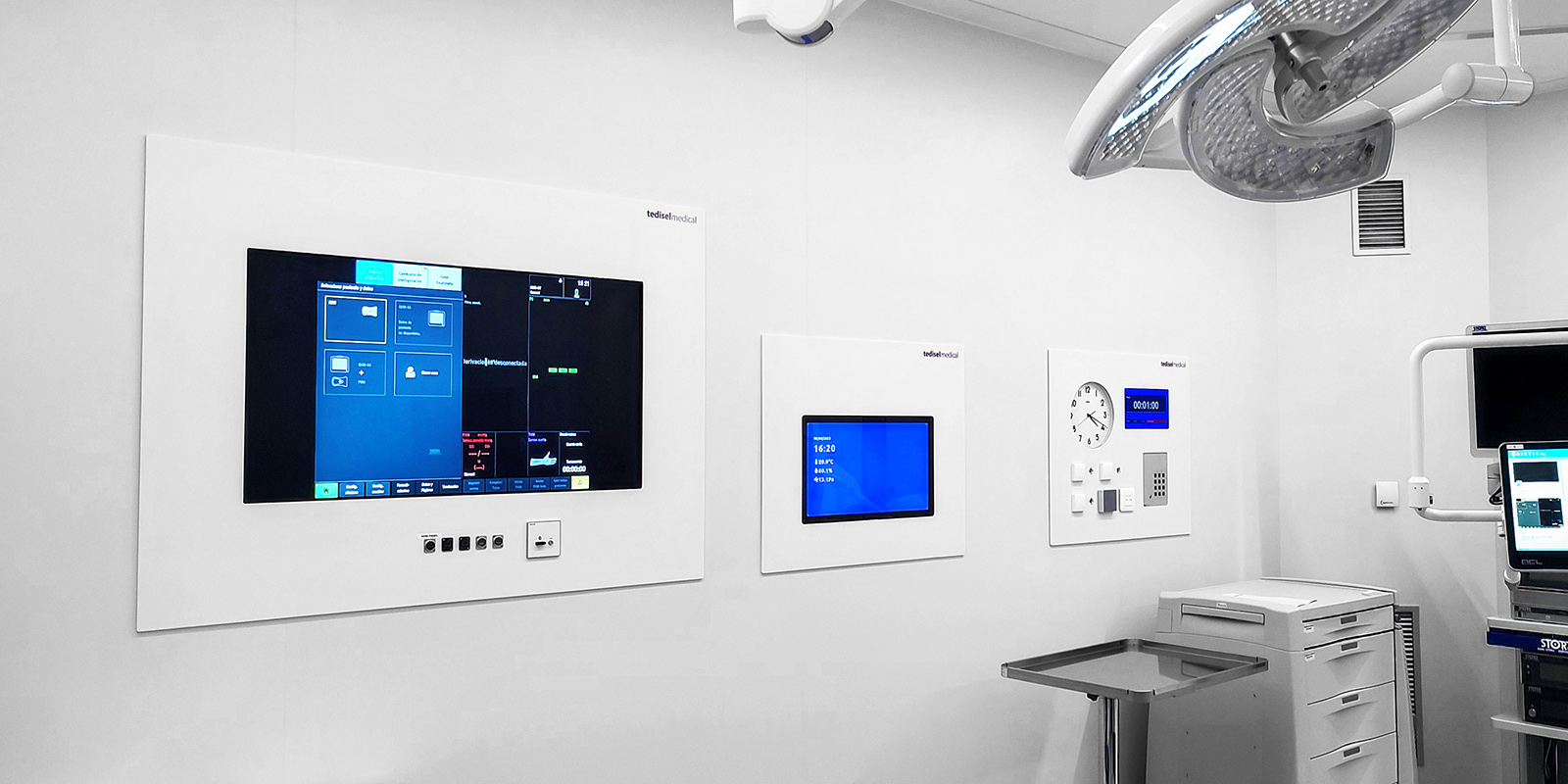
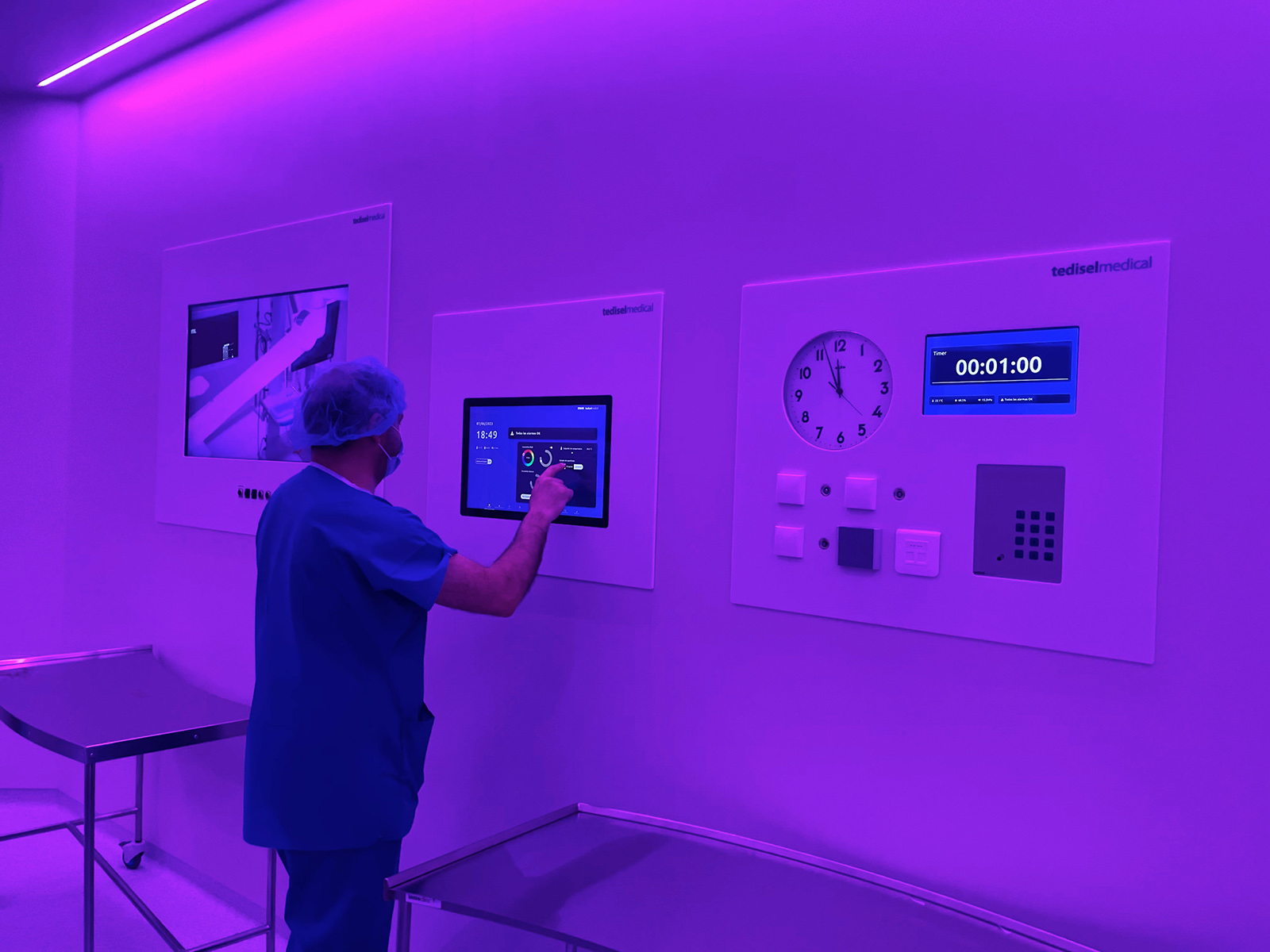
 

One success story is that of the CMA Granollers Health Center, where each piece of equipment used to operate in isolation and now everything is managed in a unified way: from lighting, cameras and monitors, to communication systems and environmental parameters.


2. Technological advances that have transformed the operating room

  • Minimally invasive and robotic surgery: Laparoscopic techniques and surgical robots have reduced the need for large incisions, which directly results in less postoperative pain and lower risks of infections. For example, a procedure that used to require weeks of recovery can now be resolved with just a few days of hospitalization.
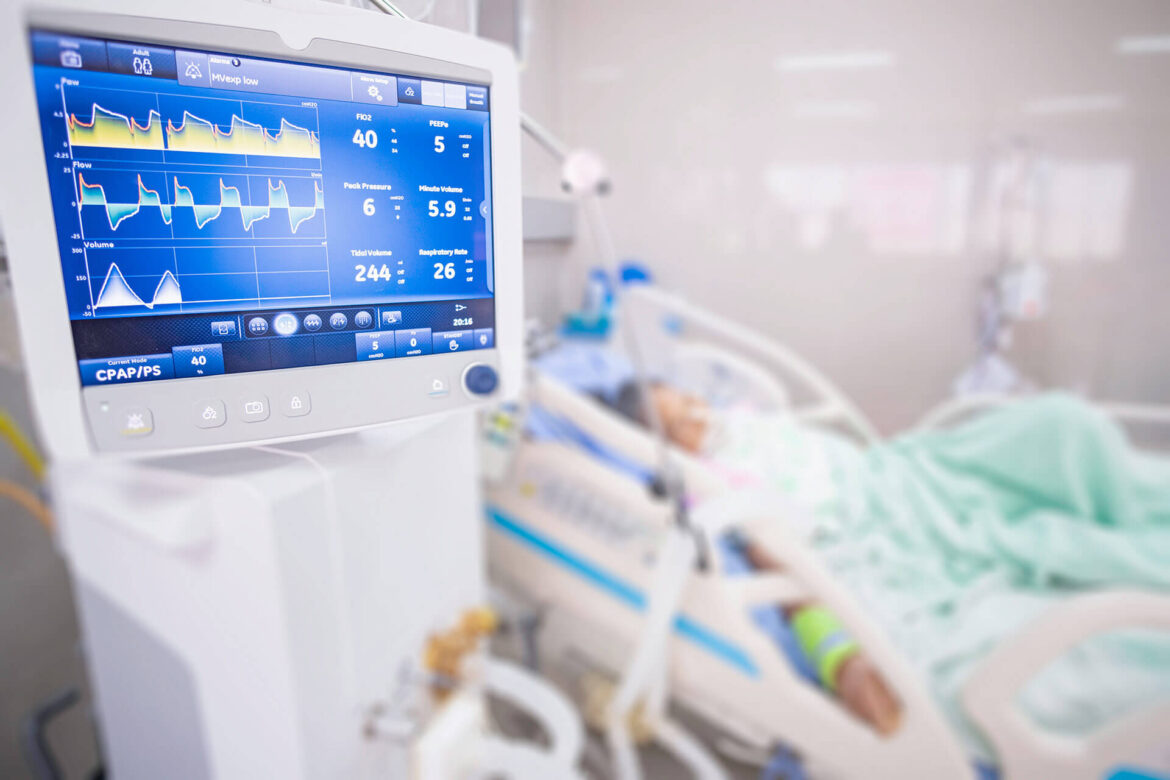
  • Advanced real-time monitoring: Today’s systems allow constant and precise observation of the patient’s vital signs. In addition, thanks to artificial intelligence algorithms, it is possible to detect minute variations that could go unnoticed by the naked eye, generating early warnings for the medical team.
  • Augmented reality and surgical simulation: Surgeons can train on high-fidelity simulators and plan complex procedures with 3D images. This preparation reduces risks and increases confidence during the actual procedure.
  • Digital integration and control software: This is where solutions such as those from Tedisel come into play, offering Hermes software designed to integrate the entire operating room into a unified system. This means that lighting, columns, screens and even the air-conditioning system can be managed from a single platform. The impact on safety is enormous: fewer distractions, less wasted time and greater responsiveness to any unforeseen event.


3. Ergonomics as a pillar of safety

An operating room must not only be technologically advanced, but also comfortable and efficient for the staff working in it. Ergonomics is key because surgeons and nurses spend hours in demanding positions, handling delicate equipment and responding to critical situations.

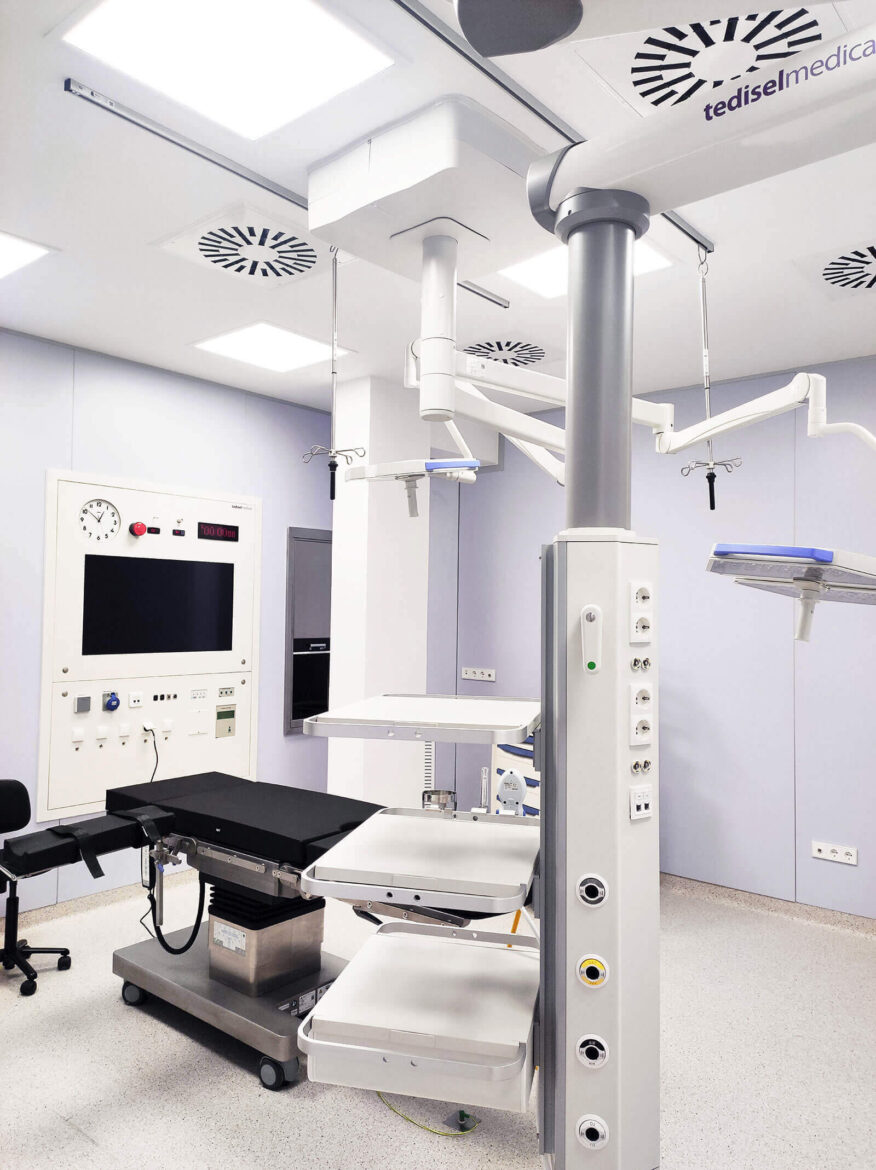
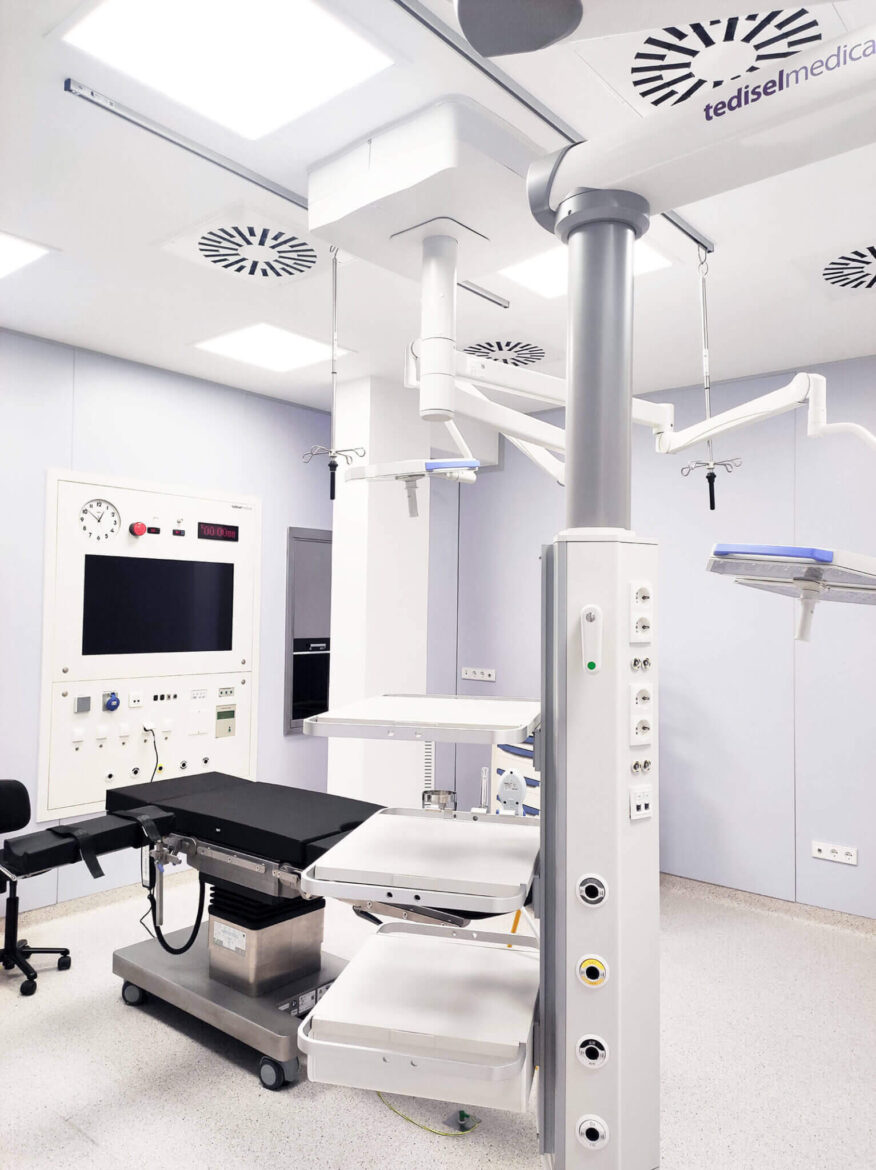
In this regard, Tediselmedical’s motorized columns represent a fundamental advance. They allow the height and position of medical equipment to be adjusted automatically and precisely.

What does this mean in practice?

  • The surgeon does not need to make forced movements to reach devices.
  • The nursing staff can quickly adapt the room layout according to the procedure.
  • The workflow is optimized, reducing downtime and minimizing errors.
  • In addition, a motorized column not only improves the comfort of the equipment, but also avoids risky situations: an incorrectly positioned cable, equipment in the wrong position or an overload of devices can become a problem during surgery. Thanks to these systems, everything is organized in a safer and more functional way.


Tediselmedical's motorized columns represent a fundamental advance. They allow the height and position of medical equipment to be adjusted automatically and precisely.


4. Direct impact on patient safety

The key question is:

how does all this benefit the patient?

  • Fewer infections: digitized operating rooms make it possible to control sterilization and instrument traceability with greater precision.
  • Fewer human errors: by centralizing functions in a control software, the risk of confusion or operational errors is minimized.
  • Faster recoveries: thanks to less invasive techniques and ergonomics that streamline procedures, patients experience fewer postoperative complications.
  • Greater confidence: for both patients and their families, knowing that state-of-the-art technology is being used generates peace of mind.


An illustrative example: an operating room equipped with Tediselmedical’s Hermes software can, in a matter of seconds, adjust lighting, project images on high-resolution monitors and automatically record procedure data. All this allows the medical team to concentrate solely on the surgery, without wasting time on manual adjustments or repetitive checks.


5. Use cases: how technology changes daily practice

Imagine a complex cardiac surgery. The operating room is equipped with:

  • Tedisel motorized columns, which organize the workspace, avoiding cables on the floor and ensuring that each piece of equipment is within proper reach.
  • Centralized Hermes software, from which monitors, lighting and communication systems with other areas of the hospital are managed.
  • Real-time monitoring, which detects variations in vital signs and immediately alerts the anesthesiologist.


In this scenario, the patient receives a safer procedure with less chance of complications. For the medical team, the environment is more comfortable, reducing fatigue and the risk of errors.


6. Challenges and opportunities

Despite advances, the implementation of technology in operating rooms faces challenges:

  • High initial investment: equipping an operating room with advanced systems requires a significant budget.
  • Constant training: personnel must receive continuous training to take full advantage of the tools.
  • Equity of access: not all hospitals, especially in less developed regions, have these solutions.


However, the opportunities are enormous. The operating rooms of the future will be increasingly connected, with full data integration, predictive artificial intelligence and systems that ensure even greater safety.


7. Tediselmedical solutions: innovation at the service of patient safety

In this context, companies like Tediselmedical have positioned themselves as key allies in the transformation of operating rooms. Our products are not only focused on technology, but on the real impact it has on patient safety and well-being.

  1. HERMES software: centralizes the management of the different operating room systems, optimizing efficiency and reducing risks.
  2. Motorized operating room columns: improve the ergonomics and organization of the surgical space, ensuring a safer environment.
  3. Customized solutions: adapted to the specific needs of each hospital, maximizing the technological investment.


The added value of these solutions lies in the fact that they are not simply tools, but true facilitators of safety and confidence in an environment where every detail counts. The future promises even smarter operating rooms, where the synergy between healthcare professionals and technology will ensure not only better clinical outcomes, but also a more humane and safer experience for patients.


In short, the mission is clear: to make every surgical procedure more precise, more efficient and, above all, safer.

Read more
20Jun

Technological advances in healthcare construction: seven key trends for efficiency and innovation

June 20, 2024 tedisel Hospital technology, Hospitals

The construction of health services has been experiencing a true revolution thanks to technological advances.

We are facing innovations that are transforming the way medical facilities are planned, designed and built, improving their efficiency, precision and safety.

At Tedisel Medical we want to explore and better understand what are the emerging technologies for health in the construction of health services. Not surprisingly, there is a unique opportunity for the construction field, in its relationship with health care, to lead technological innovation.


7 trends in efficiency and innovation

Within these technological advances for the construction of health services, seven key trends for efficiency and innovation stand out.


1. Improved visualizations

Advanced visualization technologies, such as virtual reality (VR) and augmented reality (AR), have forever changed the planning and design of medical facilities.

With these tools, we can create highly detailed three-dimensional models of the facilities before starting construction.

These visualizations ensure you better understand spaces, spot potential issues, and make adjustments before they become costly mistakes.


The construction of health services has been experiencing a true revolution thanks to technological advances


2. Mapping of public services

The integration of advanced mapping tools allows another way to plan the location and distribution of utilities in healthcare settings.

Using geographic information systems (GIS) and other mapping technologies, planners can analyze demographic, geographic, and health data to identify the best locations for new facilities.

In addition, they allow us to evaluate factors such as accessibility, demand for services and proximity to other health facilities.


3. Robotics and drones

These are key tools in the construction and maintenance of healthcare facilities. Robots can perform repetitive, physically demanding tasks, such as brick laying, welding, and painting, with greater accuracy and consistency than human workers.

Drones, meanwhile, conduct aerial inspections of construction sites, monitor project progress and detect potential safety issues.


4. Artificial intelligence

Tools like robot-assisted exoskeletons help workers perform physically demanding tasks with greater ease and less fatigue, increasing productivity and reducing the risk of injury.

Additionally, the use of wearable devices and augmented reality tools provides workers with immediate access to digital construction instructions and plans, minimizing errors and improving accuracy.


5. Inteligencia artificial

AI algorithms can analyze large volumes of data to optimize the design, construction and operation of medical facilities. For example, they can identify patterns in the use of spaces and propose designs that maximize efficiency and functionality.


6. Prefabrication 2.0

Prefabrication of building components is not new, but Prefabrication 2.0 takes this concept to a level never seen before.

It is already possible to build entire modules of medical facilities in factories and then assemble them on site. This significantly reduces construction time and costs, improving the quality and consistency of buildings.


7. Digital logistics tools

These tools facilitate accurate tracking of materials, scheduling of equipment and personnel, and coordination of deliveries.

With cloud-based construction management systems, project managers can access real-time data, make adjustments on the fly, and optimize resource use.


In summary, technological advances have redefined healthcare construction, introducing new ways of planning, designing and constructing medical facilities. From advanced visualizations and utility mapping to robotics, artificial intelligence and digital logistics tools, these innovations are improving the efficiency, safety and quality of construction projects in the healthcare sector.


Read more
10Jun

Healthcare Equipment Design, Cleaning and Disinfection: Making the Operating Room Safe and Secure

June 10, 2024 tedisel Medical equipment, Operating Rooms

Studies reveal that surgical site infections (SSIs) account for approximately 20% of all hospital-acquired infections, highlighting the urgent need to prevent and control these incidences in operating rooms to ensure patient safety. 


“Cleaning and disinfection of the surgical area emerge as fundamental pillars to ensure the safe operation of medical facilities. However, classifying spaces within a hospital environment becomes especially relevant in surgical areas, where cross-contamination between areas with different activities and cleaning needs could considerably increase the risk of infections.”


The segmentation of spaces in these areas not only seeks to prevent cross-contamination, but also indirectly contributes to reducing the risk of infections. Within the surgical environment, it is crucial to differentiate various spaces, among them:

  • Access and reception area.
  • Resuscitation area.
  • Dressing room and office area.
  • Surgical preparation area.
  • Material/instrument cleaning and material storage area.
  • Operating rooms (including ambulatory surgery operating rooms).


This segmentation not only optimizes the organization and functioning of the surgical area, but also strengthens the preventive measures against infections, thus ensuring a safer environment for patients and medical staff.


Cleaning and disinfection of the surgical area emerge as fundamental pillars to ensure the safe operation of medical facilities


Sources of infection in operating rooms

Most Surgical Site Infections (SSIs) occur during the surgical procedure, when the patient’s wounds are still open. The main sources of infection can derive from:

  1. Surgical team members and their attire.
  2. The environmental conditions of the operating room, including the air quality.
  3. The equipment used during the procedure.


Implementing strict protocols can make a big difference in reducing the incidence of SSIs. Every medical setting should have a robust set of infection control protocols, and every member of the surgical staff must be fully familiar with these procedures.


Implementing strict protocols can make a big difference in reducing the incidence of SSIs


Environmental measures in the operating room for infection control

The operating room should be kept aseptic, highly sterile and with restricted access. To prevent and control infections in these environments, the following measures can be implemented:

  • It is crucial to maintain the operating room between 20-24°C and a relative humidity of 40-60% to prevent bacterial growth.
  • Walls should have a smooth surface to ensure easy and effective cleaning. 
  • Separate doors for entrance and exit. Sliding doors can minimize drafts when entering and leaving the room.
  • Professionals should follow strict hygiene standards, wear hospital pajamas, cover head and feet, wear masks, wash hands and wear gloves. Operating room staff should be kept to a minimum and movements should be reduced.


HERMES: solution for operating rooms that facilitates the management and control of crucial measures, such as temperature and humidity monitoring


The distribution of space in the operating room should be carefully designed according to cleanliness levels, the presence of microorganisms and the types of procedures performed. Specific areas should be designated for preparation and disposal, washing and dressing, as well as storage, sterilization, assembly and washing of materials and equipment.

These measures not only promote a safer surgical environment, but also enhance the effectiveness of medical procedures by reducing the risk of healthcare-associated infections. Meticulous attention to detail in OR planning and maintenance can have a significant impact on patient safety and well-being.


Environmental measures in the operating room for infection control


Equipment used during the procedure

The equipment used during the surgical procedure plays a key role in the prevention of surgical site infections (SSIs). For this reason, it is vital to have top-notch hospital equipment that meets the most rigorous standards in terms of design, functionality, and safety.

At Tedisel Medical, we specialize in the manufacture of high-quality hospital equipment. We stand out for our meticulous attention to the design and functionality of each of our products, to offer optimal solutions that contribute to improving surgical spaces and, ultimately, patient safety.

Our equipment portfolio is designed with infection prevention and workflow optimization in the operating room in mind. From pendants to technical panels, each product has been designed, manufactured, and developed to meet the highest quality and safety standards.

In addition, we always work to understand the specific needs and challenges within the work areas, allowing us to offer customized solutions that are adapted to each surgical environment.

At Tedisel Medical we are committed to providing top-quality hospital equipment that contributes to the prevention of infections and the improvement of surgical spaces, thus providing safer and more effective medical care for all patients.


Clínica Mi NovAliança


Read more
12Feb

Optimizing patient and staff care: the crucial role of efficient workflow in the operating room and ICU

February 12, 2024 tedisel Critical Areas, Hospitals, Medical equipment, Operating Rooms

Did you know that behind every successful surgery and critical patient care lies complex medical equipment and a team of highly skilled professionals? The key lies in sophisticated medical equipment and coordinated collaboration among healthcare professionals.

“These aspects materialize through efficient workflows in the Operating Room (OR) and Intensive Care Unit (ICU), crucial elements ensuring optimal outcomes for both patients and medical staff.”


Crucial Coordination: The Determining Role of Workflow in the OR and ICU

Efficient workflows in the OR and ICU play a crucial role in reducing errors and ensuring seamless coordination among healthcare professionals and hospital staff. In the OR, centralized and well-coordinated optimization involves precise steps such as patient preparation, anesthesia administration, and surgical execution. Collaboration among surgeons, anesthesiologists, nurses, and support staff is imperative to provide the best patient care. Similarly, workflow in the ICU focuses on continuous monitoring and treatment of critically ill patients, requiring effective communication and coordination to address changing patient needs.

Effective workflow management goes beyond mere efficiency; it constitutes a critical component in both patient and clinical staff experience, encompassing aspects of safety and positive health outcomes. Given the gravity of the consequences that can arise from errors or delays, hospitals must make significant investments in high-quality medical equipment to minimize potential risks. In this context, the contribution of Tediselmedical stands out, offering a wide range of models specifically designed for the ICU and OR, providing optimal solutions for hospital environments.


Crucial Coordination: The Determining Role of Workflow in the OR and ICU


Challenges in OR Control Systems: The Critical Relevance of Efficient Integration

The introduction of advanced diagnostic and imaging technologies in operating rooms and intervention rooms has transformed these spaces into increasingly complex and crowded environments, filled with various medical devices and screens. In addition to tables and lighting, temperature regulations, time, numerous procedure screens, communication system monitors, etc… are rapidly being integrated into the hybrid operating room setup.

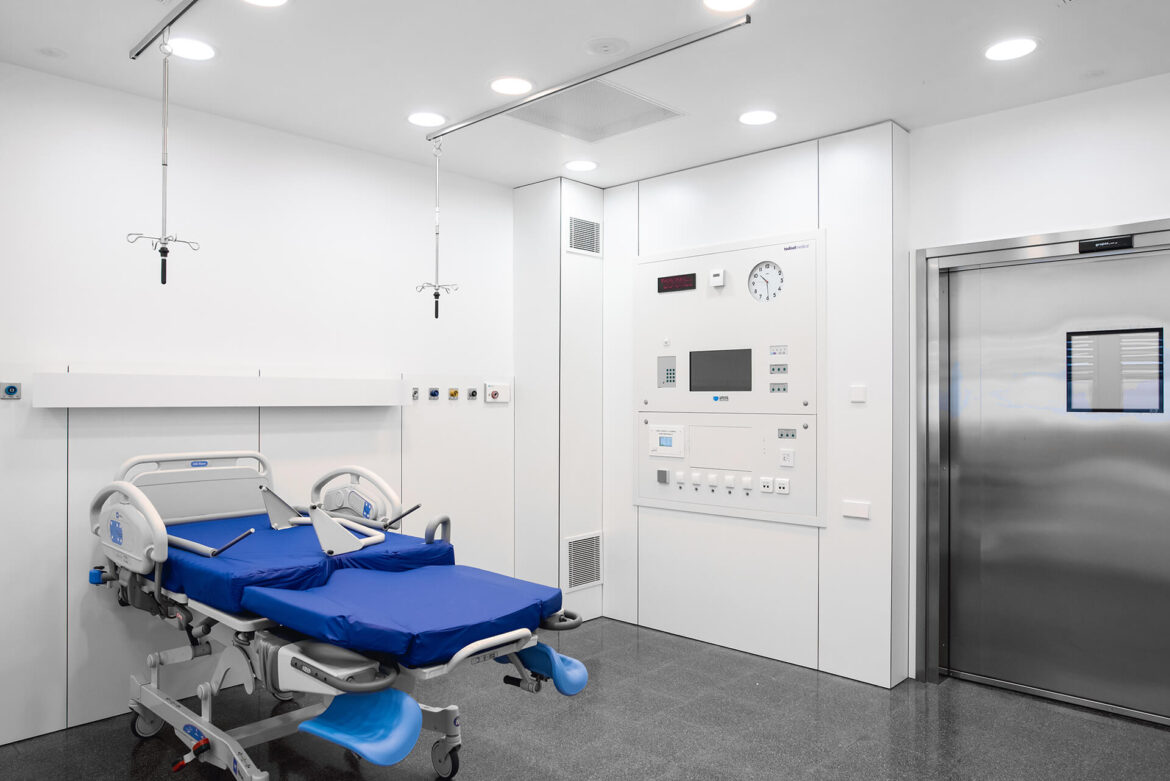
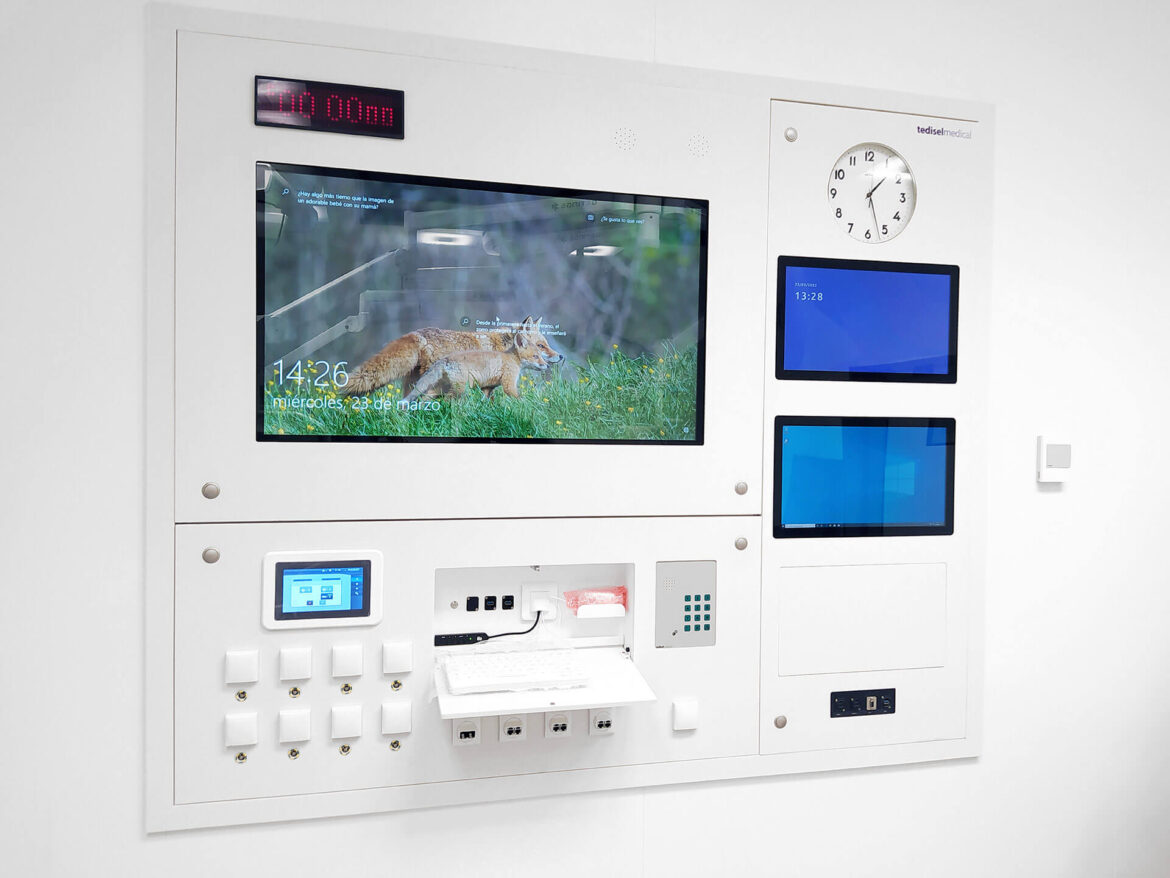
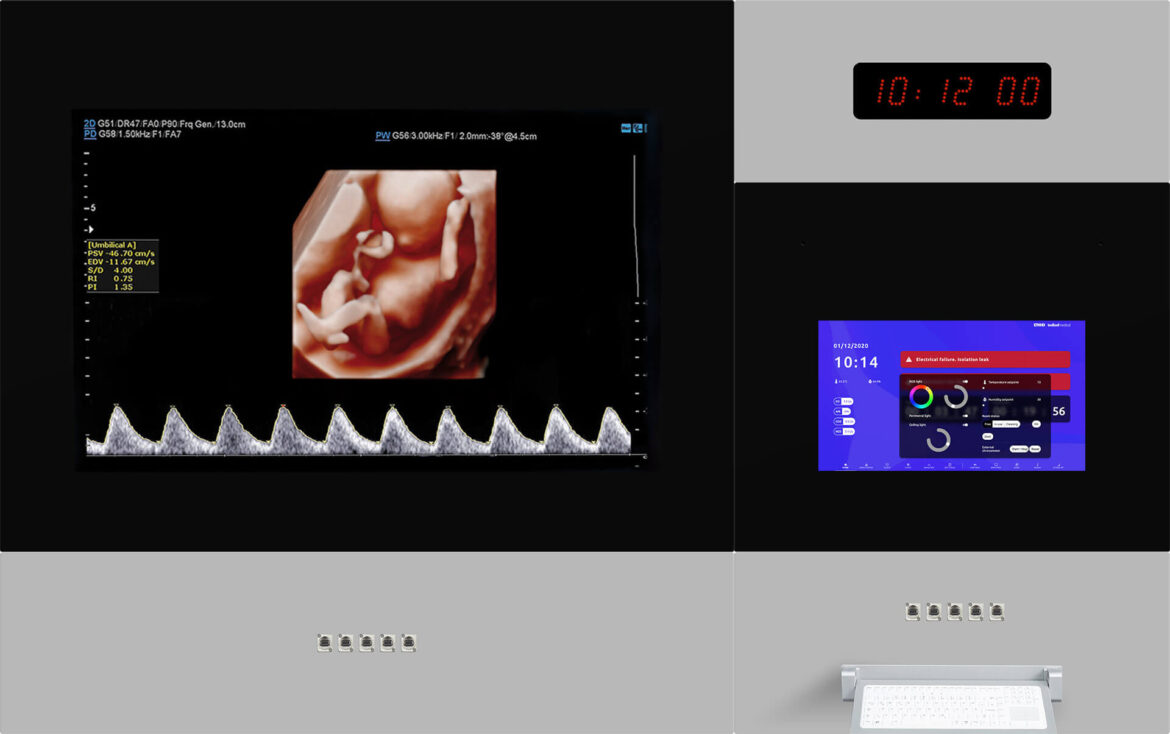
OR centralization systems like our Q-PANEL and DIAMOND models have been developed to simplify and optimize the operating room, unifying data and providing access to video and controls for all devices through a central panel. This allows perioperative staff to efficiently perform various tasks without the need to extensively move around the operating room, while ensuring optimal patient safety.


Optimizing Patient and Staff Care: The Crucial Role of Efficient Workflow in the Operating Room and ICU


Surgical Optimization with Tedisel Technical Panels

The introduction of centralization systems in operating rooms with our innovative technical panels, such as the Diamond model and the Q Panel, brings notable benefits for medical work optimization. This approach allows the medical team to perform a greater number of interventions in the same room, eliminating the need to transfer material or personnel between different spaces, a common practice in conventional operating rooms. The advanced functionality of our panels significantly enhances safety, efficiency, ergonomics, and productivity in hybrid operating rooms.

Specific advantages include:

  • Quick Access to Crucial Information: Our panels ensure quick access to crucial information (Hermes Software), without typical distractions or interruptions.
  • Flexibility with Control: Q Panel controls allow easy room reconfiguration, adapting front doors to different elements, features, and accessories as per specific needs.
  • Efficiency in Preparation and Cleaning: Simplification of equipment connection and disconnection between interventions streamlines preparations and cleaning.
  • Customized Design for the Operating Room: The installation and arrangement of our equipment are meticulously designed to meet the specific needs of the operating room, providing solutions that enhance the overall effectiveness of the surgical process.


Clínica Girona


Hospital Distrital Beja (Portugal)


In summary, optimizing workflow in the OR and ICU emerges as a critical factor directly impacting patient safety and outcomes. Tedisel’s outstanding contribution in this field is manifested through a variety of meticulously designed models to adapt to the complexities of contemporary hospital environments. Tedisel’s implementation of advanced technologies not only simplifies procedures but also enhances the overall effectiveness of the surgical process, setting a standard for a future of more efficient and safer healthcare. Ultimately, Tedisel’s constant pursuit of excellence reflects its commitment to continuous improvement in patient care and the medical staff experience in the hospital environment.


Read more
06Sep

Quality Hospital Equipment in Critical Areas: Ensuring Effective and Safe Medical Care

September 6, 2023 tedisel Critical Areas, Medical equipment

Medical care in hospitals is a complex process that demands the collaboration of doctors, nurses, technical staff and an adequate infrastructure. However, one of the most fundamental aspects of ensuring quality care lies in hospital equipment. Particularly in critical areas of hospitals, such as intensive care units (ICU), operating rooms and emergency units, adequate and quality equipment is essential to provide efficient and safe treatment to patients.


In this article, we will explore the importance of quality hospital equipment in critical areas and how its relevance positively impacts medical care for both healthcare personnel and patients. Through understanding this crucial aspect, we will be able to understand how the choice of safe, accurate and reliable devices can make the difference between effective care and potentially risky care in critical medical environments.


We will explore the importance of quality hospital equipment in critical areas and how its relevance positively impacts medical care for both healthcare personnel and patients


Hospital equipment in critical areas

The quality of hospital equipment in critical areas is essential to ensure the safety, accuracy and reliability of medical care. These medical devices play a crucial role in the continuous monitoring of patients, the accurate administration of medications, the performance of surgical interventions and the efficient response to emergency situations. Choosing safe, high-quality devices can make the difference between effective and safe care and a potential risk to patients’ health.

Quality hospital equipment is reflected in several key aspects:


1. Patient safety
Patient safety is a top priority, and quality medical devices play a crucial role in this regard. These devices are designed and manufactured to the highest safety standards, ensuring the protection of patients during their medical care. The reliability and proper maintenance of these devices significantly reduce the possibility of errors or failures that could jeopardize patient safety. With reliable equipment, healthcare professionals can provide safer and more effective care, which translates into greater peace of mind for both patients and their families. In medical environments where every decision can have a critical impact on patients’ lives, the safety offered by these devices is essential to ensure quality care and prevent adverse situations. 


2. Accuracy and reliability
of medical devices are critical in critical areas such as Intensive Care Units (ICUs), where critically ill patients require constant monitoring. Accurate equipment enables timely assessment and response to changes in the patient’s condition, while reliability ensures continuous care without unnecessary interruptions. Accurate measurements facilitate informed decisions to provide appropriate treatment, and the absence of technical failure ensures a safe environment for healthcare professionals and patients, which is vital to providing quality care and preserving lives.


3. Efficiency and productivity
Quality hospital equipment plays an essential role in improving the efficiency and productivity of medical and nursing staff. Modern, well-designed devices are designed to simplify processes, enable intuitive operation and facilitate integration with other hospital systems. By optimizing these capabilities, quality equipment reduces staff workload, giving them more time to focus on direct patient care. The automation and efficiency of these devices allow healthcare professionals to devote more energy and focus to providing high-quality, comprehensive care, improving the experience for both staff and patients.


4. Technological innovation
The quality of hospital equipment is closely related to the incorporation of technological innovation in the medical field. Advances in technology have given rise to the development of more advanced and specialized equipment, such as high-resolution imaging systems, robot-assisted surgery devices and latest generation patient monitors. These innovations enable more precise, less invasive and highly personalized medical care. By adopting these innovative technologies, hospitals can provide more effective treatments and with enhanced results, which improves the quality of life of patients and strengthens the position of the medical center as a referent in the cutting edge of medicine.


5. Cost-effectiveness
Although quality hospital equipment may have a higher initial cost, it is often more cost-effective in the long run. Quality devices are designed to withstand prolonged use and often require less maintenance, resulting in lower repair and replacement costs over time. In addition, these devices offer superior overall performance, which streamlines medical processes and provides more effective outcomes. Increased patient satisfaction from receiving effective, high-quality care also contributes to a hospital’s positive reputation, which can attract more patients and generate more revenue.


The quality of hospital equipment in critical areas is essential to ensure the safety, accuracy and reliability of medical care


Medical Equipment for Critical Areas: Innovative Solutions from Tedisel Medical

As Tedisel Medical, we understand the importance of optimizing space and facilitating the mobilization of staff in critical areas of hospitals. That’s why we have developed a range of ceiling mounts designed specifically to meet these needs.

Our flagship product, Abitus, is a highly ergonomic and flexible ceiling suspension that allows up to two sliding columns per bed, providing the maximum versatility and robustness in the market. We also present Atlas, another outstanding option that offers varied solutions and stands out for the possibility of placing accessories on technical rails and vertical trolleys. We also have Ares, a compact hanging system designed to optimize space in critical areas.


ABITUS/COLUMN – Hospital Virgen del Camino (SPAIN)


As part of our commitment to excellence in medical equipment, we are excited to present one of our most recent projects: the installation of the Atlas model at Beja Hospital, Portugal. Designed especially for critical areas such as ICU and neonatology, this project has been a unique opportunity to demonstrate how our innovative solutions can make a real difference in the efficiency and fluidity of the medical staff’s work, while optimizing the available space for more effective care. If you are interested in learning more about how our solutions have improved the quality of care in various hospitals and medical centers, we invite you to explore our success stories and contact us to find the perfect solution for your needs.


Hospital Equipment for Critical Areas: Innovative Solutions from Tedisel Medical
ATLAS – Hospital Distrital de Beja (PORTUGAL)


In conclusion, it is clear that the importance of quality hospital equipment in critical areas of hospitals is inescapable. These devices play a crucial role in patient safety, operational efficiency, diagnostic accuracy and the provision of high quality care. Investing in quality equipment and properly maintaining it enables hospitals to create a safe and efficient environment for patient care, thereby improving medical outcomes and the overall care experience. With accurate and reliable devices, medical and nursing staff can focus on providing more effective care and spend more time directly on patient care. Incorporating innovative technologies and solutions tailored to the specific needs of critical areas drives the evolution of medicine and ensures advanced and effective medical care.

At Tedisel Medical, we are committed to continuing to provide state-of-the-art equipment solutions designed to optimize medical care in critical environments and contribute to a safer and more efficient healthcare system. If you are looking to improve the efficiency and quality of care in your hospital, contact us to find the ideal solution for your needs. Together, we can continue to raise the standards of care and provide excellent patient care in critical areas.

Read more
04Aug

Technology and ergonomics in operating rooms: an integrated approach to safety and efficiency

August 4, 2023 tedisel Operating Rooms, Software, suspended columns, technical panel

Ergonomics in operating room equipment is key to preventing injuries, improving efficiency, and promoting physician and patient safety.


The surgical environment is one of the most demanding and critical places in the area of medicine, with precision and efficiency being two cornerstones of the success of any medical procedure. In this context, ergonomics arises to adapt the work environment to the needs and capacities of health professionals, improving the design and operation of equipment in modern operating rooms.

Their goal is to improve comfort, prevent injury, increase efficiency, and promote safety for medical personnel and patients.


Ergonomics in operating room equipment is key to preventing injuries, improving efficiency, and promoting physician and patient safety


Innovative tools for smart operating rooms

When talking about ergonomics in operating rooms, aspects such as space distribution and control interfaces must be considered. Below we address some key elements in this matter.


Injury prevention and safety of medical personnel

Surgical procedures often involve long hours of work in uncomfortable and repetitive positions. This can lead to musculoskeletal disorders such as back, neck and hand injuries.

Applying ergonomics in the design of the operating room can significantly reduce this type of injury. Thus, among the most common measures are the adjustable height of surgical tables, the use of ergonomic seats or the strategic placement of equipment and supplies.

In addition, in terms of safety, ergonomics can contribute to reducing the risk of nosocomial infections, facilitating cleaning and disinfection of the surgical environment.


Innovative tools for smart operating rooms


Efficiency and productivity in the operating room

A well-organized and designed operating room streamlines workflow, reduces time searching for equipment and supplies, and facilitates communication among the medical team.

On the other hand, the use of suitable ergonomic instruments improves the surgeon’s dexterity and precision, generating a positive impact on the results of surgeries.

For example, the proper arrangement of surgical lights and monitors provide optimal visibility. Likewise, the choice of ergonomic instruments such as forceps and scissors that adapt to the hand, improve dexterity and reduce the surgeon’s fatigue during an operation.


More safety and well-being for the patient

Ergonomics benefits medical staff and has an impact on the quality of patient care. When the medical team works in a comfortable and efficient environment, the margin for error is reduced and concentration and focus on the patient is improved.

The truth is that the less fatigued and more comfortable the health workers feel, the more alert and attentive to details they will be, reducing the risk of accidents and errors.


A well-organized and designed operating room streamlines workflow, reduces time searching for equipment and supplies, and facilitates communication among the medical team


The most advanced technology

Ergonomics in operating room equipment is also based on the use of advanced technology and state-of-the-art medical equipment.

Ergonomic operating rooms are designed to efficiently integrate modern medical devices -such as Columns and Technical Panels-, taking advantage of technological advances to improve precision and safety in surgeries.

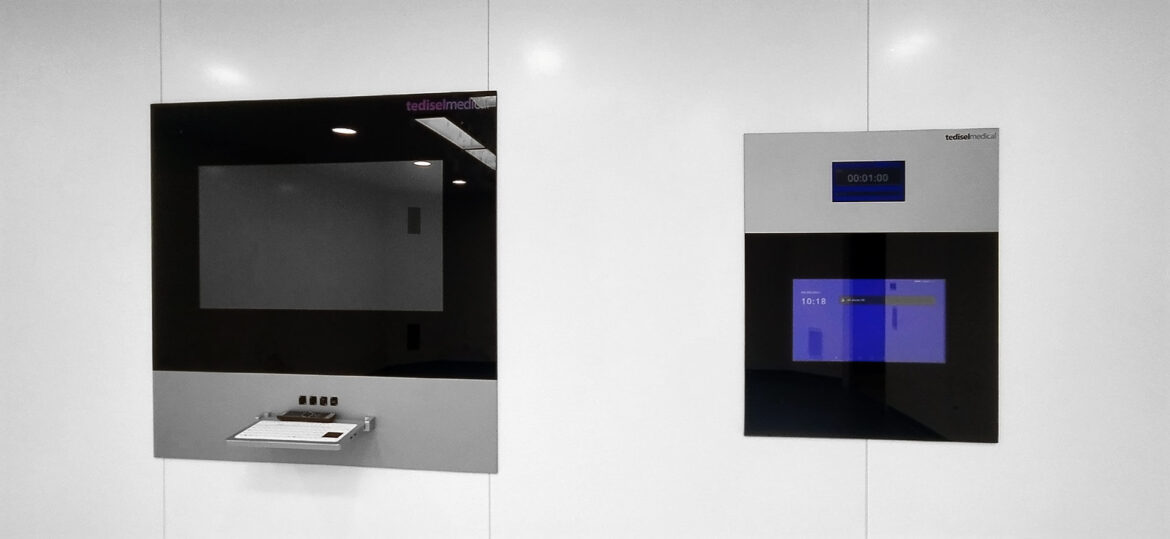
The Diamond glass panel, for example, centralizes all the necessary visual elements in an operating room or critical area. It is compatible with PACS, nursing station and software control. And Q Panel is our reference model in operating rooms, known for its Corian surface and its adaptability in terms of size and components.


The Diamond glass panel, for example, centralizes all the necessary visual elements in an operating room or critical area. It is compatible with PACS, nursing station and software control
DIAMOND – Hospital Santiago Apóstol. Miranda de Ebro (SPAIN)


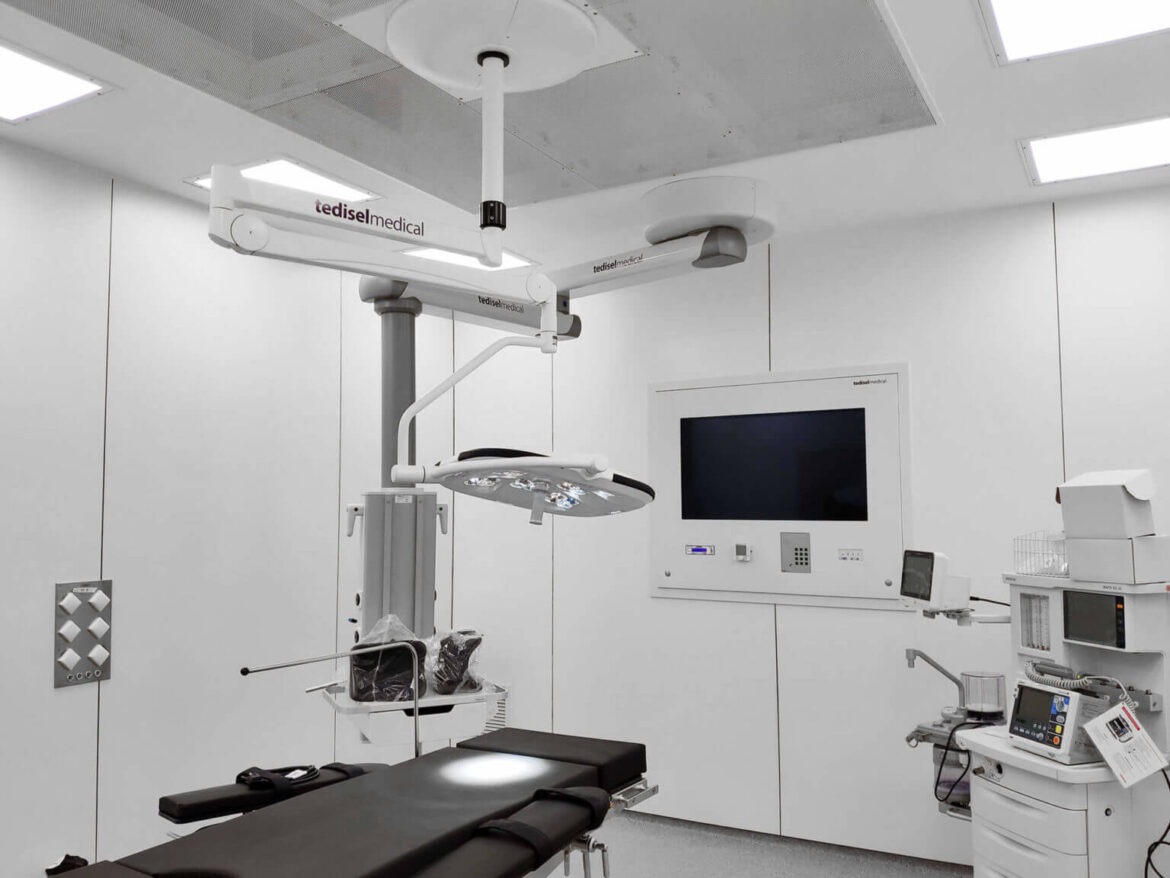
For its part, the Column suspended column optimizes space, guaranteeing a quick response for medical personnel and the patient, while the motorized system of the Motor Column Suspended Column ensures easy vertical movement.


The Column suspended column optimizes space, guaranteeing a quick response for medical personnel and the patient, while the motorized system of the Motor Column Suspended Column ensures easy vertical movement
COLUMN – Bless Clinic. Barcelona (SPAIN)


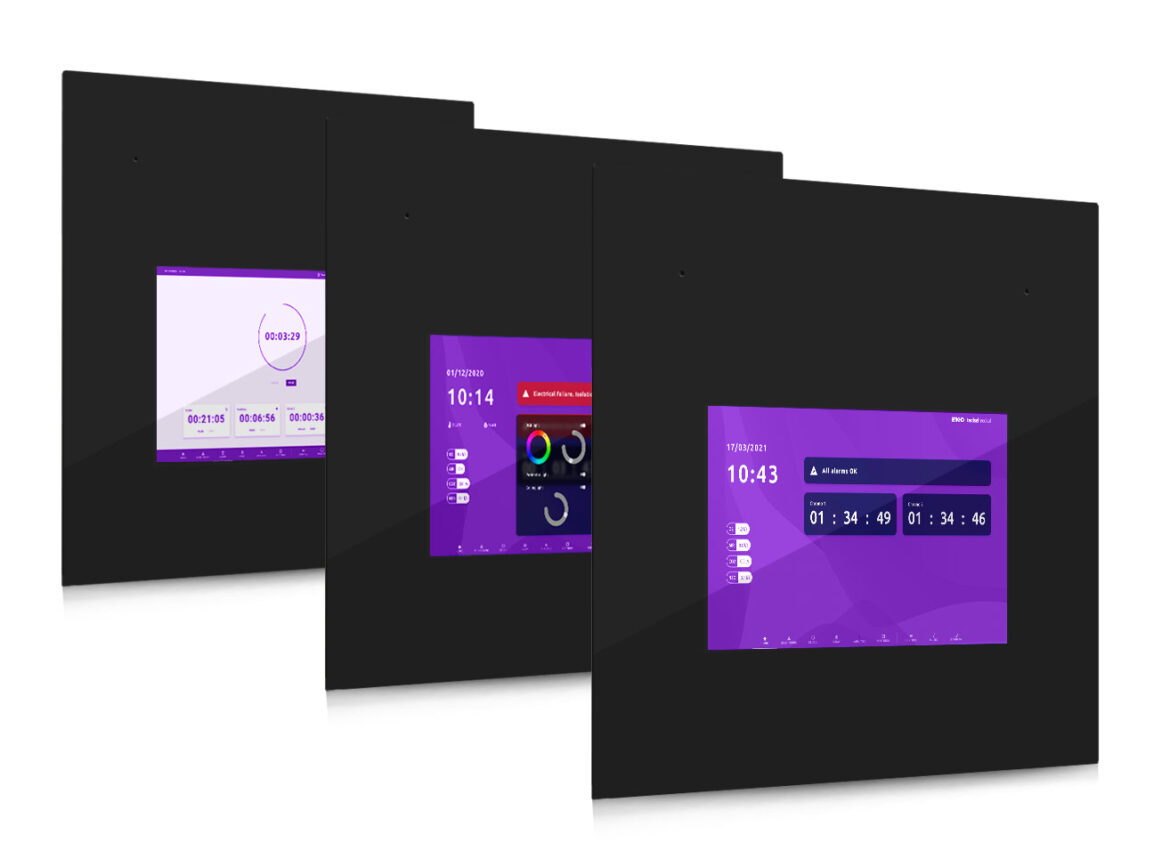
We can also highlight the Hermes control software, compatible with all our technical panels. It is the digital brain that allows centralizing all controls and obtaining data and analysis from the operating room or critical area.


The Hermes control software, compatible with all our technical panels. It is the digital brain that allows centralizing all controls and obtaining data and analysis from the operating room or critical area
QPANEL/HERMES – Hospital Txagorritxu. VITORIA (SPAIN)


In short, ergonomics in operating room equipment is essential to guarantee safety and efficiency in the surgical environment.

Preventing injuries to medical personnel and improving the precision of procedures makes all the difference in the outcome of surgery. For this reason, it is vital that hospitals and medical centers apply ergonomic principles in their operating rooms and have the latest medical equipment to provide a comfortable and safe working environment for professionals and improve the quality of care and patient safety.

Read more
09Jun

Safe and energy-efficient operating rooms

June 9, 2023 tedisel Hospitals, Operating Rooms

Controlling lighting, temperature and humidity in the operating room is essential for a successful and safe surgical procedure.


The importance of lighting, temperature and humidity in the OR: how it affects the accuracy and safety of operations

In any surgical procedure in an operating room, precision and safety come into play as determining factors for its success. 

In addition to the skill of the surgeon, the medical staff and the quality of the medical equipment used, the importance of factors such as lighting, temperature and humidity must also be considered. Therefore, we will explore the impact of these aspects and how they affect the accuracy and safety of surgical procedures.


Lighting in the operating room

Having adequate lighting in the operating room is essential to provide optimal visibility during surgeries. Good lighting allows the surgeon to clearly visualize the surgical field, identify important anatomical structures and perform precise movements. 

This lighting must be uniform, free of shadows and adjustable according to the needs of the procedure. 

The improvement in this infrastructure, focusing on the most innovative medical lighting equipment and the latest generation surgical lights, helps to leave behind possible problems and errors due to lack of illumination, so as not to compromise the precision of the intervention and jeopardize patient safety.


Safe and energy-efficient operating rooms: lighting in the operating room


Temperature and humidity control in the operating room

Temperature control in the operating room is another elementary factor, since it affects both the medical team and the patient. 

On the one hand, an operating room that is too cold can cause discomfort and make it difficult for the staff to concentrate. On the other hand, if it is too hot, it can cause fatigue, excessive sweating and discomfort for the medical staff. At the same time, an inadequate temperature influences the patient’s body temperature, and this can have adverse consequences for the patient’s recovery.

Along with temperature, humidity is also vital in the prevention of infection and the quality of air in the surgical environment. Thus, inadequate humidity can lead to the proliferation of bacteria and other pathogens, increasing the risk of postoperative infections, hindering the integrity of the materials used during surgery (gloves, masks, etc.).


Safe and energy-efficient operating rooms: temperature and humidity control in the operating room


Good air quality for patient recovery

Finally, air quality, which is essential for patient recovery, is also a crucial factor in the operating room. 

The aim is to achieve a healthy, contaminant-free environment to prevent infection, promote proper wound healing and, ultimately, ensure patient safety. 

Therefore, to achieve optimal air quality, operating rooms usually have modern hospital equipment with highly efficient air filtration systems. In addition, healthcare personnel must follow strict hygiene protocols to minimize the release of particles and microorganisms into the air.


Practical tips for maintaining an optimal operating room environment

There are some recommendations that every medical centre can follow to achieve an optimal environment in the operating room. These include the following:

  • Use modern, adjustable surgical lighting systems to provide bright, uniform illumination in the OR, and ensure that the colour temperature of the lights is appropriate (usually around 4,500 Kelvin).
  • Adjust the temperature according to the needs of the procedure and the preferences of the medical staff, and monitor it regularly.
  • Use humidity control systems to maintain appropriate levels according to established guidelines, or use humidification or dehumidification devices as needed.
  • Employ high-efficiency air filtration systems to remove airborne particles and microorganisms, and maintain positive pressure to prevent unfiltered air from entering from surrounding areas.


Practical tips for maintaining an optimal operating room environment


Conclusions

Lighting, temperature, humidity, and air quality in the operating room cannot be underestimated. 

All these factors play a determining role in the precision and safety of surgical procedures.


“From Tedisel Medical we want to remind the importance of maintaining an optimal environment in the operating room to improve the quality and safety of medical care.”


Read more
14Dec

The importance of health information systems

December 14, 2022 tedisel Hospitals, Medical equipment, Operating Rooms, Software

The changes and evolution in the patterns of habits and morbidity and mortality in developed countries has led to a modification and adaptation of health information systems in accordance with the real health problems of society.


What is a health information system?

The WHO defined a Health Information System (HIS) as “the structure for the collection, processing, analysis and treatment of information necessary for the organisation and activity of health services, as well as for research and teaching”.    

The HIS arose as a response to the need to establish a system for evaluating and monitoring the state of health of the population.  

It has always been defined as a tool for the collection, analysis, processing and transmission of the information necessary for the proper functioning and management of health and educational services. 

These systems vary in complexity, although they all have three common features; which are: 

  • Data collection
  • Processing 
  • Analysis and transmission of information 


Sistemas de información sanitaria: nuestro panel de control DIAMOND con integración del software de control HERMES
DIAMOND Technical panel + Hermes Software


Purpose and uses of an information system

The main purpose of health information systems is to inform and intervene. The information should focus on assisting decision-making in health care settings. 

The information system not only generates a multitude of data, but is also able to provide the right information to the right person in a timely manner.  For this, it is necessary that all information is well organised, accurate and accepted by the different actors in the system. 

Each system responds to a specific need. However, in general, they are useful for:


  • Evaluating health programmes that promote the principles of equity, effectiveness and efficiency, in addition to health planning. 
  • Manage health services in pursuit of utilisation and rationalisation of available resources. 
  • Investigate and create aetiological hypotheses.
  • Understand the health status of the population through epidemiological surveillance of diseases and risk factors. 


Benefits of implementation

The implementation of these systems additionally offers a number of benefits for healthcare workers, as they: 

  • Promote the efficient use of economic resources. 
  • Improve clinical patient care, reducing potential errors that may occur.
  • Speed up the flow of information, making it more reliable and complete.
  • Allow healthcare professionals to make appropriate decisions.


In this case, one of the great advantages of these systems is the possibility of organising and storing information to facilitate full access to it. This means a significant improvement in productivity, thus avoiding the repetition of tests due to lack of information. 


HERMES® Control software

At Tedisel, we believe in the importance of good information management in order to improve the quality of healthcare.

That is why we offer the Hermes® Control software

A digital brain that allows to centralize all the controls to obtain data and analysis of the operating rooms or surgical areas.


Sistemas de información sanitaria: la utilidad de nuestro software de control HERMES®

This is already present in several hospitals around the world and allows: 


Intelligent data analysis
It monitors the operating theatre and provides it with all the necessary data for optimal and economical use.

Centralised overview
It allows you to manage the operating room controls and displays from one place.

Easy operation
With its intuitive interface, all functions can be accessed at the touch of a button.


“Health information systems are a great help in the planning and management of information in healthcare establishments. They also make it possible to economise on economic resources for the smooth running of the hospital by carrying out studies on the quality and efficiency of the care provided. “


Read more
29Nov

Tedisel Medical in operating theatres

November 29, 2022 tedisel Medical equipment, Operating Rooms, suspended columns, technical panel

The main function in health care once a patient is admitted to an operating theatre is to give him all the care, containment and attention he needs during the course of the surgery and the first hours of recovery.  


In this article, we talk about the main functions of an operating theatre, its elements and Tedisel Medical’s participation in them.


Introduction to operating theatres

Operating theatres are surgical intervention areas located in a hospital, specially equipped for the practice of medical operations to patients, both in emergency and programmed actions. For this reason, they must be operational 24 hours a day, seven days a week.   

It is essential that the space that makes up the operating theatre is strictly enclosed, independent from the rest of the hospital area by a series of separators that allow for global and individualised patient care.  A team of healthcare professionals will be in charge of preventing any type of spread or infection to other areas of the hospital.


Equipment of a modern operating theatre
Centro Médico PROCREAR. Reus (SPAIN)


Equipment of a modern operating theatre

The amount of equipment, tools and materials in operating theatres depends on the type of intervention planned. However, there are groups that should be present at all times. 

These medical equipment are indispensable devices for all types of hospital environments, and crucial to safeguard the operation, and the life of the patient in hospitals. Among them are the following:

  1. ECG machine
  2. Stress systems
  3. Electrosurgical units 
  4. Surgical lamps
  5. Diagnostic ultrasound
  6. Surgical tables and patient beds 
  7. Sterilisers
  8. Defibrillators
  9. Patient monitors
  10. Temperature and humidity meters
  11. Air heater
  12. Table control


The success of operations: lighting

The most important thing in order to haver a complete operating theatre is to be fully integrated with the best equipment. However, there are a number of requirements and conditions that must be met in order to achieve excellent productivity and safety for both patient and practitioners. 

The success of surgical interventions depends on the environment in which the professionals work. In this sense, the lighting system is a fundamental factor in improving conditions in such critical work. 

This lighting system is made up of various types of lamps, where we can highlight mainly the ceiling installation lamps and even floor lamps. 

Thanks to them, it is guaranteed that proper visibility is maintained throughout the operating theatre, without generating any type of glare, and avoiding eye fatigue for optimum medical performance. 


The most important thing in order to haver a complete operating theatre is to be fully integrated with the best equipment
Al Ihsan Hospital. Bandung (INDONESIA)


Equipment integration systems

Taking into consideration equipment integration systems in operating theatres is crucial to obtain a correct connection between various systems, providing efficiency in the work. A technology that allows the automation of the work and conceives a high safety for the patient and the professionals.  


Tedisel Medical. Equipment integration systems
Bless Clinic. Barcelona (SPAIN)


From Tedisel Medical we offer a set of systems that improve the integration of equipment, among them we highlight: 

Suspended column systems also optimise space in operating theatres, guaranteeing a rapid response for medical staff and patients, providing ergonomic and safe interventions. In addition, the possibility of integrating a motorised system ensures better vertical movement, which together with its two rails can be used to adapt different types of accessories, such as trays, lamps, medical baskets and more. In addition, it is worth mentioning that there are different arms to provide the maximum mobility required in the operating room, bringing the material and accessories closer to the medical staff and the patient. 

Finally, we also have our control and display panels in Glass and Corian. These models allow the integration of different touch or display screens, electrical components, clocks and many other elements, which allow all the controls, elements and displays necessary for an operating theatre to be focused. In addition, the front doors can be adapted and adjusted to different elements, features and accessories. 


“All these systems allow the reduction of the use of electrical cables in the operating room, optimise space and improve the movement of equipment to meet the needs of the patient. “


This encompasses the main objectives of a fully equipped and secured operating room for optimal performance and safety capable of performing surgical operations. 


Read more
logo-tedisel-mini

An expert insight into medical equipment

SANT LLUC, 69-81 08918 BADALONA (BARCELONA · SPAIN)
+34 933 992 058  [email protected]

made_in_barcelona_OK_tedisel_medical
TUV_certificado_ISO

© 2026 Tedisel Iberica SL. All rights reserved.
Privacy Policy. Legal Note. Cookies Policy.