• Technical Panel
    • Glass Panel
    • Q Panel
  • Software – Hermes®
  • Ceiling Supply Unit

      • Motorized Column
      • Non-Motorized Column
    • S-Column
    • Abitus
    • Ares
    • Atlas
    • Tor
  • Bed Heads
    • Adonis
    • Ais
    • Antea
    • Aura
    • Aura Light
    • Icarus
    • N270
  • Projects
  • Tedisel Medical
  • News
  • Contact
  • Private zone
© 2025 Tedisel Medical. All rights reserved.
Tedisel Medical Tedisel Medical
  • Products
    • diamond_menu_tedisel_medical

      Technical Panel

      Glass Panel
      Q Panel

      submenu-software-tedisel-medical

      OR Software

      Hermes

      submenu-unidad_suministro_techo-tedisel-medical

      Ceiling Supply Unit

      Column
      > Motorized
      > Non-Motorized

      S-Column
      Abitus
      Ares
      Atlas
      Tor

      submenu-cabeceros-tedisel-medical

      Bed Head Units

      Adonis
      Ais
      Antea
      Aura
      Aura Light
      Icarus
      N270

  • Projects
  • Tedisel Medical
  • News
  • Contact
  • LOGIN
  • Products
  • Projects
  • Tedisel Medical
  • News
  • Contact
  • LOGIN
En
  • Portuguese
  • French
  • Spanish
Sign in

Sign in

Tedisel Medical
En
  • Portuguese
  • French
  • Spanish
24Jul

Tedisel Medical: Leader in Spanish Hospital Technology

July 24, 2024 tedisel Hospital technology, Hospitals

Spain’s leading hospitals have taken a step forward by choosing Tedisel Medical’s cutting-edge technology, according to data from the Spanish Healthcare Recovery Monitor (MRS). This preference is reflected in practically all medical centers in the country, where Tedisel Medical solutions have been adopted in critical areas, hybrid operating rooms, integrated operating rooms, intensive care units (ICU), hospitalization, and resuscitation rooms, among others. In both public and private healthcare, this technology supports the delivery of world-class medical care, as confirmed by the MRS, an independent study widely recognized for its thorough analysis of the reputation of the Spanish healthcare system.


Leadership in Public Healthcare

Highlighting achievements in the public sector, the Hospital Clínic de Barcelona is positioned as the second-best hospital in the country, with an outstanding score of 8,288, followed in fourth place by the Hospital Universitario 12 de Octubre with a rating of 7,825 points.


Innovation at Hospital Clínic de Barcelona

Both hospitals have been pioneers in the healthcare sector. For example, the Hospital Clínic in Barcelona has been innovative in incorporating integrated operating rooms, pioneers in Spain for “highly complex” neurosurgery operations. In this context, Tedisel Medical offered solutions adapted to the needs of this operating room, installing our technical panel model Q panel with 4 doors.
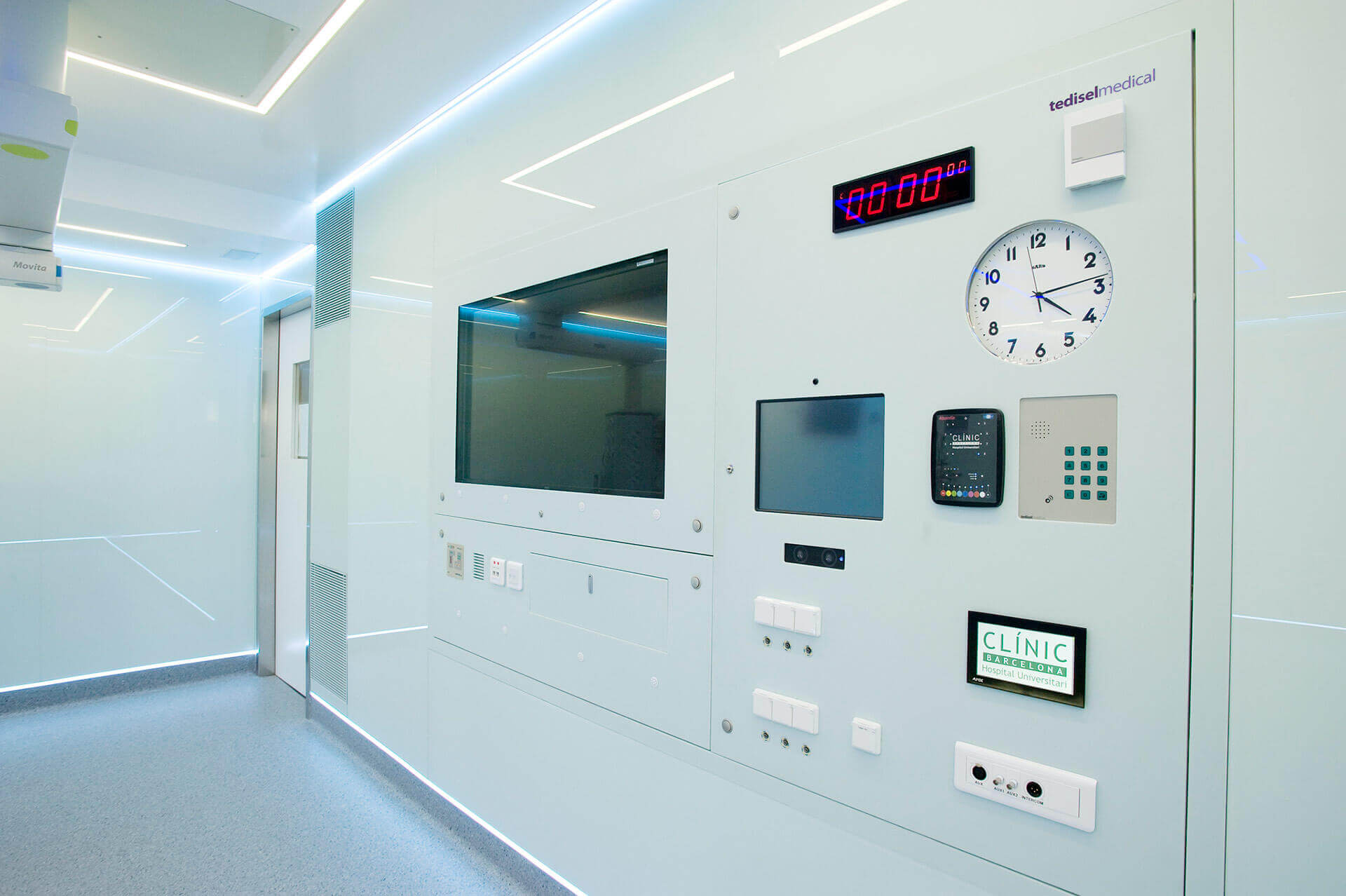
 

Spain's leading hospitals have taken a step forward by choosing Tedisel Medical's cutting-edge technology, according to data from the Spanish Healthcare Recovery Monitor (MRS)


Expansion of the Hospital Universitario 12 de Octubre

On the other hand, the new expansion of the 12 de Octubre University Hospital in Madrid has been recognized as one of the largest hospitals in Spain. Inaugurated in 2023 by Isabel Díaz Ayuso, this extension was highlighted as a milestone in Spanish and European civil engineering. Tedisel Medical is proud to have contributed to the equipment of the critical areas, such as ICU and PACU, of this nationally leading hospital. This hospital has a full range of clinical specialties and cutting-edge technologies, and Tedisel Medical has been instrumental in providing innovative solutions to improve the quality of medical care, thus contributing to the construction of this state-of-the-art facility.


Leadership in Private Healthcare

In the private sphere, the QuirónSalud group stands out as one of the leaders, with several of its hospitals ranked among the top twenty. Hospital Universitario QuirónSalud Madrid ranks second with a total score of 6,810 points, while Hospital QuirónSalud Barcelona stands out in eighth place with a rating of 5,808 points.


Alliance with Tedisel Medical

The QuirónSalud group has achieved important achievements and has relied on our solutions and equipped various projects throughout Spain. For example, Hospital QuirónSalud Barcelona has been recognized as the best private center in Catalonia for the second consecutive year, climbing two positions and consolidating its place in the overall top ten, according to the IEH 2022. The Coordenadas Institute of Governance and Applied Economics carries out this ranking annually to analyze the excellence of the public and private hospitals in Spain that are most committed to the quality and sustainability of a universal healthcare system. It evaluates parameters such as quality of care, hospital service, patient welfare, and satisfaction, as well as innovative capacity, personalized care, and efficiency in the use of resources of these centers.


Analysis of the Spanish Hospital Network: An Overview of its Diversity and Quality

The hospital network in Spain stands out for its diversity and breadth, with more than 700 hospitals throughout the country, of which 342 are publicly owned and 429 are privately owned. This extensive healthcare system plays a key role in the health and well-being of the population, providing a wide range of medical services and specialties.

The Healthcare Recovery Monitor emerges as an essential tool to assess the quality and performance of these hospitals, involving a variety of healthcare professionals and experts in the field. Through this comprehensive evaluation process, it seeks to ensure that healthcare standards in Spain remain high and are continuously improved.

Highlighting Tedisel Medical’s contribution to improving healthcare in the country, it is impressive to see that 70% of hospitals in Spain have chosen to collaborate with our company. This endorsement reflects recognition and confidence in our ability to provide sustainable and innovative hospital equipment that positively impacts clinical outcomes and patient experience nationwide.


“In a context where quality and efficiency in healthcare are more critical than ever, Tedisel Medical reaffirms its commitment to delivering advanced technological solutions that drive excellence in healthcare. We are proud to contribute to improving the lives of patients in Spain and beyond, and we will continue to work to innovate and lead in the field of medical technology.”

 

Read more
04Jul

Artificial Intelligence: Innovating Healthcare and Pioneering the Future

July 4, 2024 tedisel Hospital technology, Hospitals

Artificial intelligence (AI) is revolutionizing the field of medicine, with applications ranging from speeding up the slow and costly development of new drugs to analyzing a patient’s genome. These emerging technologies enable the rapid learning and analysis of vast amounts of information from medical records, imaging tests and scientific advances, significantly transforming medical practice and research.


“Today, AI is defined as technology capable of simulating human intelligence processes, including: Learning, Reasoning and Self-Correction.“

Artificial Intelligence: Innovating Healthcare and Pioneering the Future


Transforming the Pharmaceutical Industry

Innovation in the pharmaceutical industry is critical to the future of healthcare, and AI is transforming this sector. By streamlining therapy selection and improving clinical trial design, AI empowers our ability to develop and produce advanced medicines. This allows us to accelerate the availability of crucial treatments on the market, significantly improving the efficiency and effectiveness of the pharmaceutical process. In addition, AI can identify patterns and predictions that traditional methods cannot detect, thus optimizing every stage of drug development, from initial discovery to production and distribution.


Improved Diagnosis and Treatment

The ability of AI to analyze large volumes of data enables doctors to offer more accurate and effective diagnoses and treatments. According to engineer Juan José Cerrolaza, a researcher at the BioMedIA Laboratory at Imperial College London, “artificial intelligence is not going to replace doctors. It is an ally. AI can examine and learn from clinical data, identify early signs of disease and recommend personalized treatment options based on the latest scientific evidence.


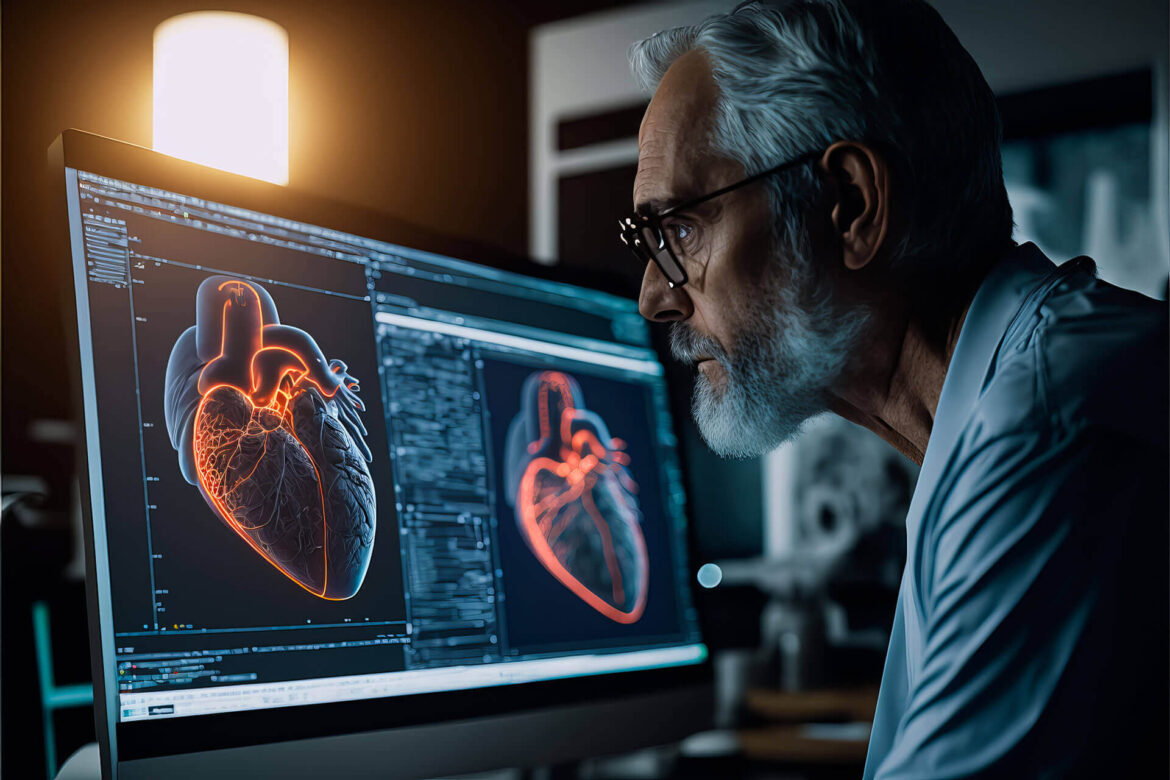
The ability of AI to analyze large volumes of data enables doctors to offer more accurate and effective diagnoses and treatments


Automation and Assistance in Radiology

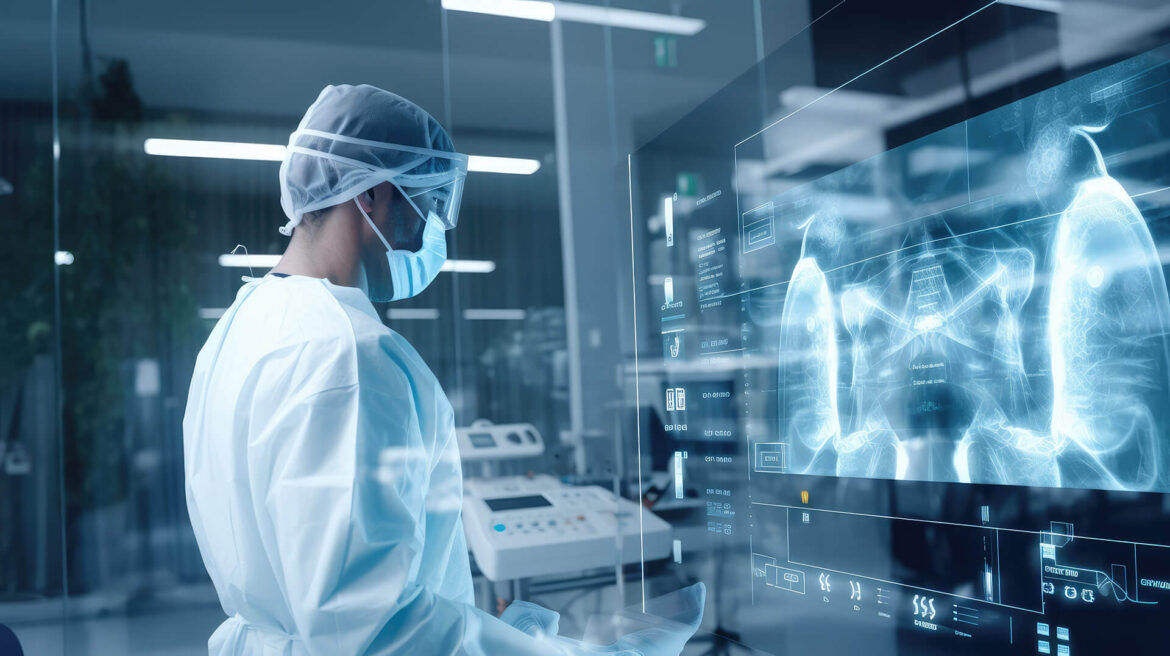
Numerous tasks can be automated to assist the radiologist. AI can interpret medical images, detect anomalies and generate detailed reports, which not only increases the accuracy but also the speed of diagnoses. This is particularly beneficial in high-demand, high-pressure environments, where speed and accuracy are crucial.


AI can interpret medical images, detect anomalies and generate detailed reports, which not only increases the accuracy but also the speed of diagnoses


AI in Psychiatry and Psychology

Artificial intelligence is also acquiring a very significant role in the fields of psychiatry and psychology. In this field, the development of computational studies that analyze messages posted on social networks stands out. These analyses make it possible to create algorithms capable of predicting the risk of a user suffering from some psychopathology.


Global Impact and Accessibility

In addition to improving work in advanced medical settings, AI is crucial for providing diagnoses in developing countries or remote areas where the lack of qualified medical personnel is a constant challenge. The ability of AI to examine medical images and produce accurate reports can have a considerable impact, improving access to healthcare and decreasing health inequalities globally. In resource-limited regions, AI can provide essential support, facilitating early and effective diagnoses that would otherwise not be feasible.


The Future of AI in Medicine

AI is only in the early stages of its integration into medicine. As technologies continue to advance and the global database grows, AI capabilities will expand, offering new solutions and further improving the quality of medical care. Collaboration between technology experts and healthcare professionals will be key to maximizing the benefits of AI and ensuring its ethical and effective implementation.


Collaboration between technology experts and healthcare professionals will be key to maximizing the benefits of AI and ensuring its ethical and effective implementation


Facilitates medical decision making

Healthcare professionals follow a structured process when making medical decisions, considering the following aspects:


  • Access to objective and reliable evidence
    the availability of reliable data and studies is critical to support medical decisions. Artificial intelligence can help collect and analyze large amounts of medical data, providing objective evidence to support clinical decisions.


  • Thorough research
    Before making a decision, medical professionals conduct extensive research into the patient’s health problem, seeking to understand their medical history, available treatments and management options. Artificial intelligence can streamline this process by quickly accessing and analyzing large medical databases and scientific literature.


  • Interpretation of existing data
    Accurate interpretation of medical data is essential for making informed decisions. Artificial intelligence can help interpret medical test results, diagnostic images and other clinical data, identifying patterns and trends that may go unnoticed by human professionals.


  • Risk-benefit assessment
    Medical professionals must carefully weigh the risks and benefits of each treatment option or medical intervention. Artificial intelligence can help calculate and evaluate these risks and benefits, providing predictive analytics to help guide clinical decisions toward the best outcome for the patient.


In conclusion, artificial intelligence is playing a transformative role in medicine, spanning from pharmaceutical research to medical care in remote regions. The synergy between AI’s analytical capabilities and human clinical judgment is leading to significant advances in medical decision making, providing healthcare professionals with access to reliable evidence, streamlining research, improving data interpretation, and facilitating risk/benefit assessment. This combination of technology and human knowledge is redefining the healthcare paradigm, promoting a more efficient, accessible and accurate approach to improving global health and ensuring optimal care for all.


Read more
20Jun

Technological advances in healthcare construction: seven key trends for efficiency and innovation

June 20, 2024 tedisel Hospital technology, Hospitals

The construction of health services has been experiencing a true revolution thanks to technological advances.

We are facing innovations that are transforming the way medical facilities are planned, designed and built, improving their efficiency, precision and safety.

At Tedisel Medical we want to explore and better understand what are the emerging technologies for health in the construction of health services. Not surprisingly, there is a unique opportunity for the construction field, in its relationship with health care, to lead technological innovation.


7 trends in efficiency and innovation

Within these technological advances for the construction of health services, seven key trends for efficiency and innovation stand out.


1. Improved visualizations

Advanced visualization technologies, such as virtual reality (VR) and augmented reality (AR), have forever changed the planning and design of medical facilities.

With these tools, we can create highly detailed three-dimensional models of the facilities before starting construction.

These visualizations ensure you better understand spaces, spot potential issues, and make adjustments before they become costly mistakes.


The construction of health services has been experiencing a true revolution thanks to technological advances


2. Mapping of public services

The integration of advanced mapping tools allows another way to plan the location and distribution of utilities in healthcare settings.

Using geographic information systems (GIS) and other mapping technologies, planners can analyze demographic, geographic, and health data to identify the best locations for new facilities.

In addition, they allow us to evaluate factors such as accessibility, demand for services and proximity to other health facilities.


3. Robotics and drones

These are key tools in the construction and maintenance of healthcare facilities. Robots can perform repetitive, physically demanding tasks, such as brick laying, welding, and painting, with greater accuracy and consistency than human workers.

Drones, meanwhile, conduct aerial inspections of construction sites, monitor project progress and detect potential safety issues.


4. Artificial intelligence

Tools like robot-assisted exoskeletons help workers perform physically demanding tasks with greater ease and less fatigue, increasing productivity and reducing the risk of injury.

Additionally, the use of wearable devices and augmented reality tools provides workers with immediate access to digital construction instructions and plans, minimizing errors and improving accuracy.


5. Inteligencia artificial

AI algorithms can analyze large volumes of data to optimize the design, construction and operation of medical facilities. For example, they can identify patterns in the use of spaces and propose designs that maximize efficiency and functionality.


6. Prefabrication 2.0

Prefabrication of building components is not new, but Prefabrication 2.0 takes this concept to a level never seen before.

It is already possible to build entire modules of medical facilities in factories and then assemble them on site. This significantly reduces construction time and costs, improving the quality and consistency of buildings.


7. Digital logistics tools

These tools facilitate accurate tracking of materials, scheduling of equipment and personnel, and coordination of deliveries.

With cloud-based construction management systems, project managers can access real-time data, make adjustments on the fly, and optimize resource use.


In summary, technological advances have redefined healthcare construction, introducing new ways of planning, designing and constructing medical facilities. From advanced visualizations and utility mapping to robotics, artificial intelligence and digital logistics tools, these innovations are improving the efficiency, safety and quality of construction projects in the healthcare sector.


Read more
08Apr

7 hospital energy development trends in 2024

April 8, 2024 tedisel Hospital technology, Hospitals

Hospital energy development trends in 2024 are following, and will follow, a very clear pattern: exploiting the potential of the accelerated process of digitalization that the healthcare sector has been undergoing in recent years.


Technology is more than ever the key to providing optimal, improved and higher quality medical care.

This digital transformation is having a major impact on healthcare from all points of view.

Among other things, it allows medical institutions to simplify a wide range of administrative processes and increase their operational efficiency, resulting in benefits both for the management itself and for patients and their families.

The sector is taking giant steps towards the integration of technologies such as artificial intelligence (AI), data analysis and the use of Internet-connected devices. New systems are also driving new hospital energy development on various fronts. Let’s see which are the most interesting in 2024.


1. Increased use of renewable energy

Hospitals can adopt solar, wind or biomass technologies to reduce their dependence on fossil fuels and reduce their carbon emissions.

For example, we are already seeing the implementation of metering and AI models that automate the placement and configuration of power grid components to optimize energy efficiency.

In this regard, the historic agreement reached by nearly 200 countries at COP28 to move away from fossil fuels requires an upgrade and digitization of global energy systems. And the healthcare sector is one of the parties most involved and with the greatest scope.

The goal is for the healthcare sector to stop being the ‘fifth most polluting country’.


7 hospital energy development trends in 2024. Hospitals can adopt solar, wind or biomass technologies to reduce their dependence on fossil fuels and reduce their carbon emissions


2. The rise of telemedicine

According to Statista projections, it is estimated that by 2025, the global telemedicine market will reach 278 billion dollars.

It is a cutting-edge and essential tool to support the work of healthcare professionals, as well as the operation of medical institutions.

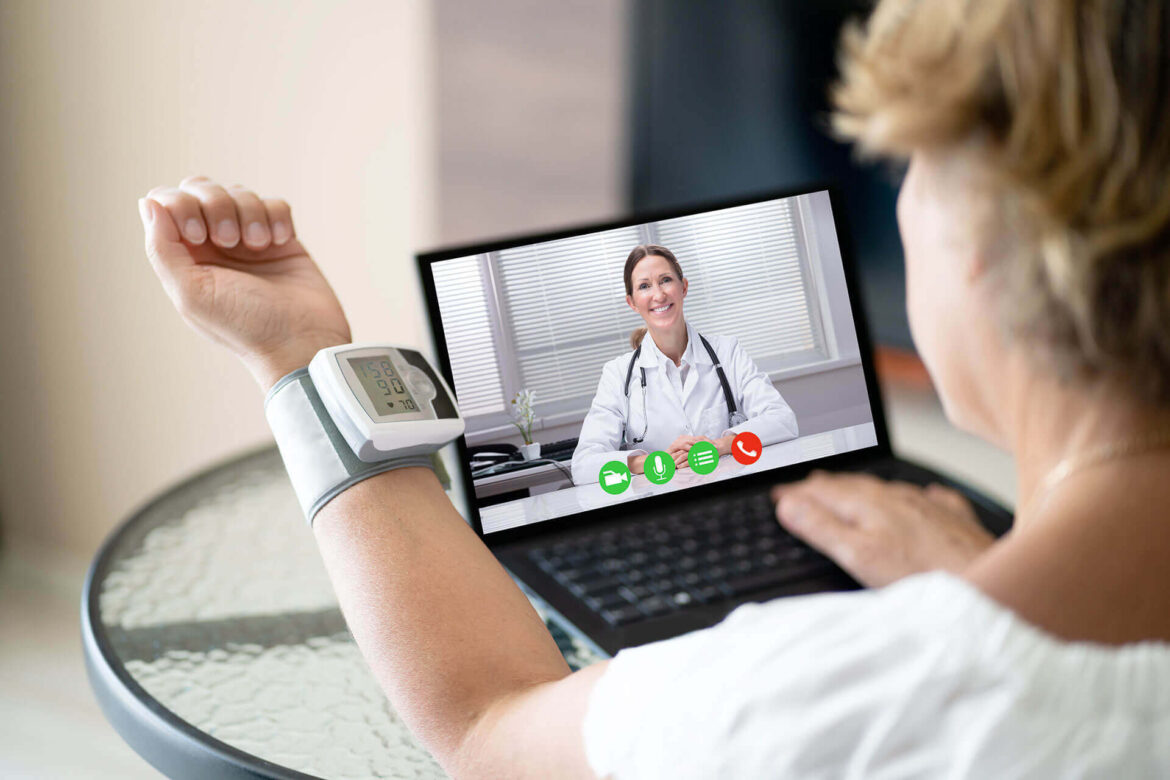
With telemedicine, we reduce congestion in doctors’ offices and hospitals and minimize unnecessary travel, among other benefits.


3. Smart Hospitals powered by IoMT

As the adoption of the Internet of Medical Things (IoMT) increases, healthcare professionals can make use of more devices that enable continuous monitoring of health parameters, remotely and in real time.

This facilitates chronic disease management and contributes to the prevention and early detection of complications.


7 hospital energy development trends in 2024. healthcare professionals can make use of more devices that enable continuous monitoring of health parameters, remotely and in real time


4. Energy Efficiency

Hospitals seek to improve energy efficiency by upgrading equipment, integrating energy storage batteries, optimizing heating, ventilation and air conditioning (HVAC) systems, and adopting smart technologies for energy control and monitoring.

They can also develop microgrids to more efficiently manage locally generated energy and coordinate energy load to optimize resource use.


5. Integration of green energy technologies

The adoption of innovative technologies such as geothermal energy, cogeneration and small-scale hydropower could increase, especially in areas where these energy sources are viable.


7 hospital energy development trends in 2024. The adoption of innovative technologies such as geothermal energy, cogeneration and small-scale hydropower could increase, especially in areas where these energy sources are viable


6. Focus on sustainability and environmental responsibility

Growing awareness of environmental impact is leading hospitals to prioritize sustainability in their operations, including waste reduction, recycling, and the implementation of eco-friendly practices throughout the institution.


7. Digital avatars and chatbots

Both virtual assistants and chatbots based on Generative AI algorithms have become powerful tools that support the work of medical specialists.

By training AI models with medical literature, practitioners can obtain recommendations on treatments, diagnoses and medications, which influences clinical decision-making.


In sum, these hospital energy development trends in 2024 reflect a move toward greater energy self-sufficiency, a reduced carbon footprint, and greater resilience in hospital infrastructure from the drive for AI, data analytics, and improved medical management and equipment.


Read more
25Mar

Innovation in Healthcare Access with Tedisel Medical Software

March 25, 2024 tedisel Hospital technology

The digital revolution continues to transform healthcare systems worldwide, marking a significant milestone in improving the efficiency of medical professionals and optimizing hospital resources. At Tedisel Medical, we enthusiastically embrace this challenge with a determined focus on innovation, aiming to develop solutions that drive effectiveness in healthcare delivery.


Our dedication to innovation is rooted in understanding the key factors shaping the current healthcare landscape. Climate change, digitization, and the shortage of medical personnel are crucial elements influencing our innovative strategy. These global challenges motivate us to seek digitized solutions that not only contribute to reducing CO2 emissions but also enable healthcare professionals to further focus on providing quality patient care.

In this regard, our solutions not only prioritize operational efficiency but also aim to enhance the overall quality of healthcare delivery. By addressing these challenges, we are committed to offering innovative technologies that help tackle current issues and create a more sustainable, patient-centered future in healthcare.


Connectivity Optimization in Healthcare

At Tedisel Medical, we recognize the essential role of digitization in making healthcare more sustainable and efficient. We firmly believe in innovating in business models where software plays a central role, allowing us to fully leverage all data collection opportunities to enhance management and operations in every area within a hospital.

Digitization not only provides operational efficiency but also enhances the quality of patient care by providing crucial real-time information. Our solutions are designed to optimize medical workflows, from record management to resource management and clinical staff coordination. By embracing digital transformation, we are facilitating a more agile and adaptive hospital environment.


Connectivity Optimization in Healthcare At Tedisel Medical, we recognize the essential role of digitization in making healthcare more sustainable and efficient. We firmly believe in innovating in business models where software plays a central role, allowing us to fully leverage all data collection opportunities to enhance management and operations in every area within a hospital.

Centre Salut CMA Granollers


Innovative Solutions from Tedisel Medical

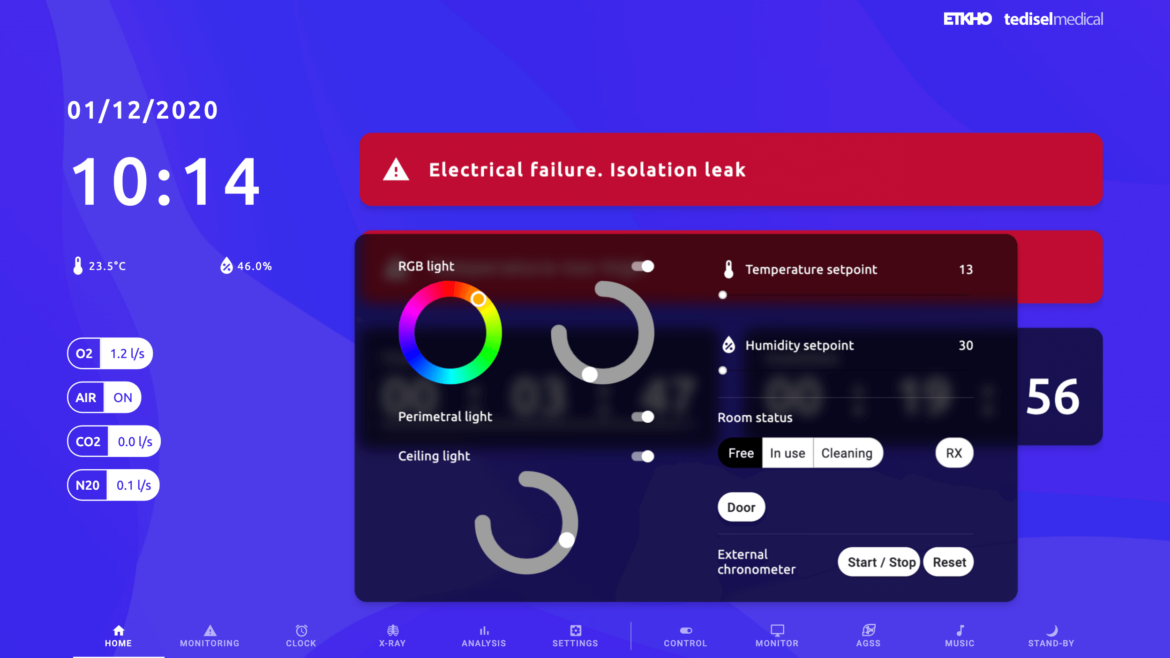
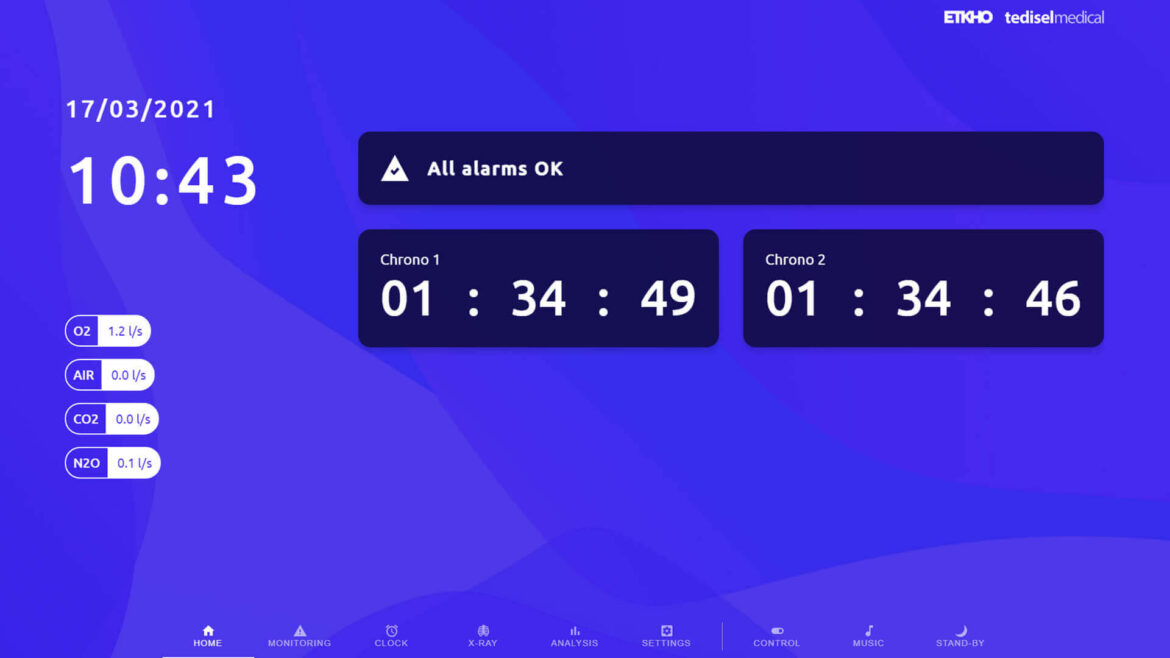
Technological advancements are redefining how healthcare is managed, and at Tedisel Medical, we are at the forefront of this revolution. Our comprehensive solutions, such as Hermes Software, are specifically designed to address the unique challenges faced by surgical and hospital environments.

Hermes offers complete and centralized management of the surgical area, enabling meticulous planning, efficient management, and continuous optimization of each procedure. With advanced data analysis capabilities, our platform provides critical real-time information for informed and cost-effective decision-making.


Innovative Solutions from Tedisel Medical Technological advancements are redefining how healthcare is managed, and at Tedisel Medical, we are at the forefront of this revolution. Our comprehensive solutions, such as Hermes Software, are specifically designed to address the unique challenges faced by surgical and hospital environments.


Additionally, we strive to provide an exceptional user experience with an intuitive and user-friendly interface. From equipment control to staff coordination, Hermes simplifies every aspect of the surgical operation to enhance efficiency and patient safety.

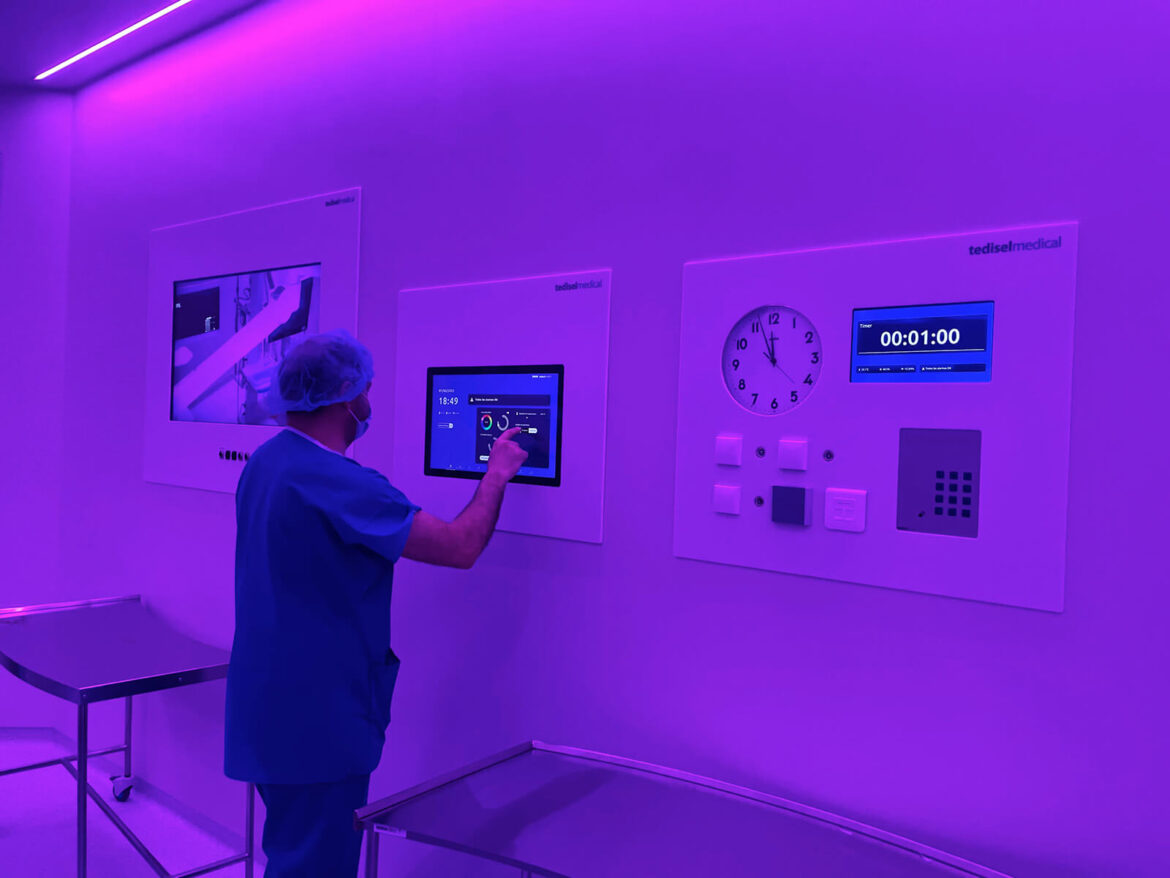
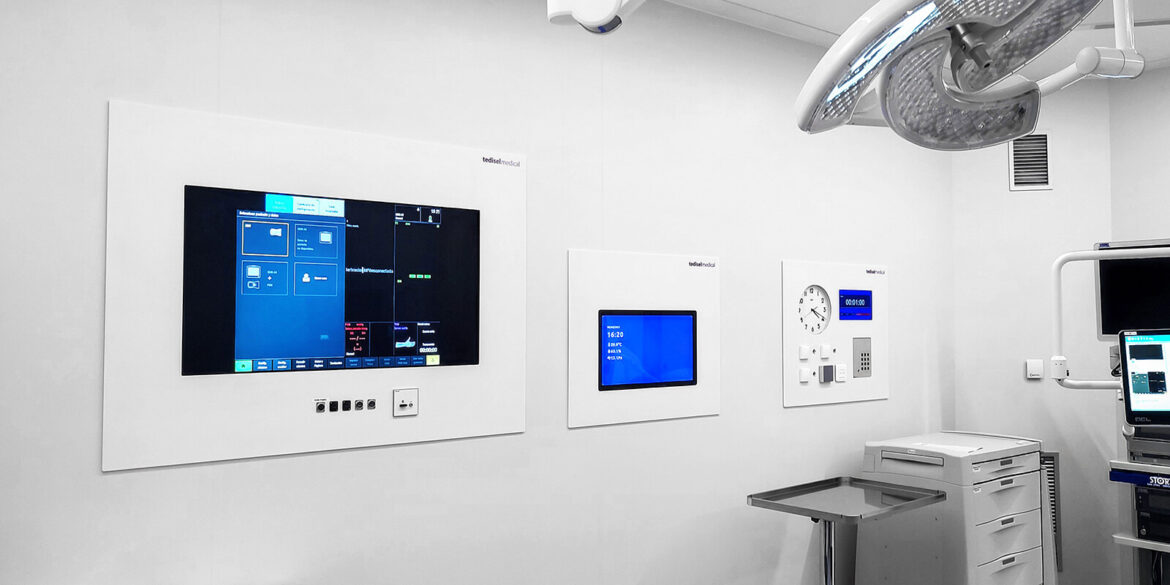
At Tedisel Medical, our commitment to excellence in healthcare is reflected in each of our innovative solutions. With Hermes and our technical panels: Q panel and Diamond, we are advancing towards a future of healthcare that is more efficient and secure, where digitization and innovation are essential for improving patient care and hospital efficiency.


Read more
12Mar

The five big trends in healthcare technology for 2024

March 12, 2024 tedisel Hospital technology, Hospitals

From generative artificial intelligence to surgical robots, the big trends in healthcare technology for 2024 are moving at high speed on the back of constantly moving innovation.


Or what is the same: this 2024, technological advances are shaping major changes in how healthcare is provided around the world.

A health industry that has been experiencing an era of rapid advances in technological trends, revolutionizing the provision and accessibility of health services. As we look to the future, the year 2024 promises significant transformations in technology trends that will shape the new healthcare landscape.

At Tedisel Medical we are committed to the following segments of the healthcare industry as those with the greatest impact on healthcare in 2024.


1. The binomial artificial intelligence & healthcare

The artificial intelligence revolution in healthcare is already underway. AI algorithms can analyze large amounts of patient data, aiding in the accurate diagnosis of diseases, predicting treatment outcomes, and personalizing treatment plans.

We are talking about summarizing medical research and clinical notes, performing a multitude of tasks in less time, or simply addressing chronic problems in hospitals, especially for staff. Likewise, it will continue to help in the diagnosis of more diseases, especially through advanced imaging.

In 2024, we will see advances in machine and deep learning techniques, as well as real-time monitoring of health conditions and proactive interventions. Everything, to establish a future full of smart hospitals.


From generative artificial intelligence to surgical robots, the big trends in healthcare technology for 2024 are moving at high speed on the back of constantly moving innovation


2. Wearable devices and apps: a growing partnership

More and more consumers are taking charge of their health thanks to the integration of wearables, portable devices and complementary apps, supporting the rise of telemedicine as remote patient care.

These devices, equipped with sensors and monitoring capabilities, allow for continuous monitoring of vital signs, activity levels, and other health parameters.

Thus, real-time virtual collaboration will allow platforms to redefine how health professionals communicate and collaborate, especially in remote or underserved areas.

Through video conferencing, teleconferencing, and secure messaging, healthcare teams can collaborate in real time, regardless of their geographic locations.


The five big trends in healthcare technology for 2024. Wearable devices and apps: a growing partnership


3. The most sustainable health technology

Today, consumers demand that their healthcare be as sustainable as their transportation, food and housing. Or at least, heading towards it.

Consequently, health technology companies have been incorporating decarbonization into their medium and long-term business strategies and committing to new waste elimination and packaging reduction efforts.

As we said before, telemedicine also helps to reduce emissions even further, and is being a key factor about which new developments continue to appear.

“Today, consumers demand that their healthcare be as sustainable as their transportation, food and housing.“


4. Surgical robots

The rise of surgical robots is another of the big trends in healthcare technology in 2024, an unstoppable development as the technology is more easily adopted in operating rooms around the world.

In fact, the global surgical robot market is expected to reach a value of around €14 billion by 2030, almost quadrupling what it is today. Some surgical robots are already connected to artificial intelligence platforms to improve surgical decision-making, especially through augmented and virtual reality as a training tool for surgeons.


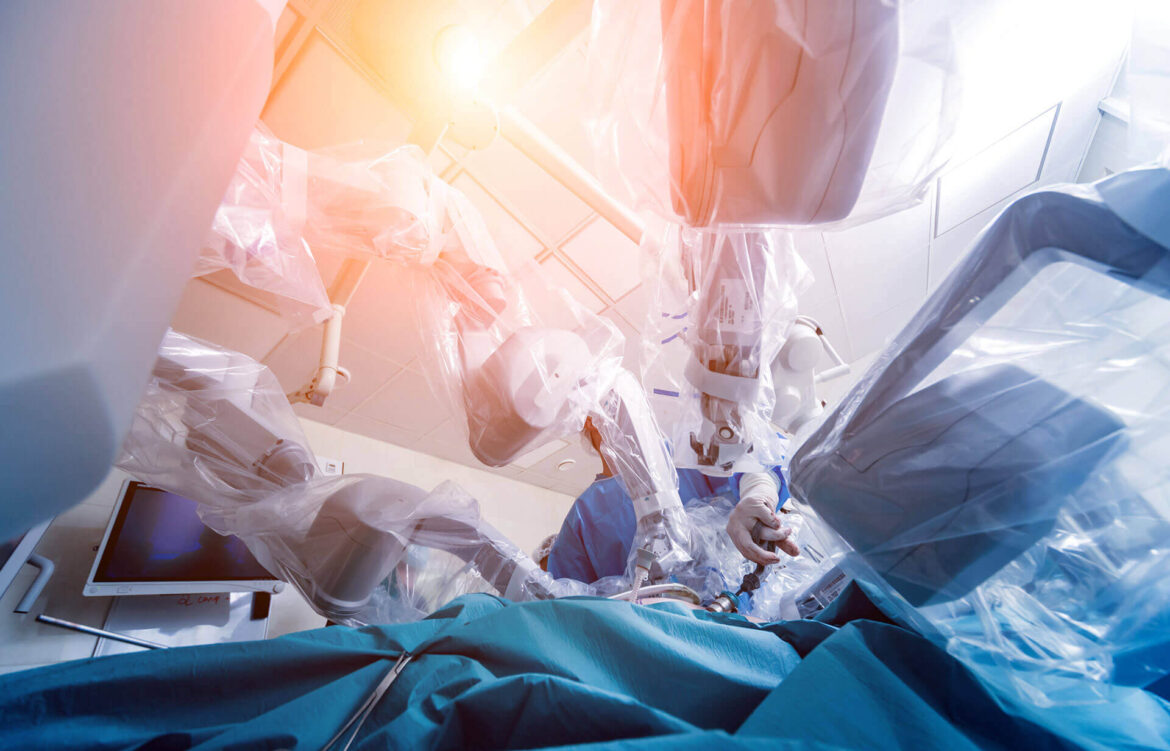
The rise of surgical robots is another of the big trends in healthcare technology for 2024


5. Fairness, privacy and access to data

As artificial intelligence takes on a larger role in healthcare, it is imperative that data is collected, analyzed, interpreted and distributed without bias. Some industry observers believe blockchain technology, also on the rise in the healthcare sector, can help.

However, in the coming months, data analysis will be the agent that plays a crucial role in health, providing very valuable information for decision making, improving patient outcomes and increasing operational efficiency.

For now, however, healthcare organizations are investing more in data privacy and embracing greater ethical use of artificial intelligence.


Read more
  • 12
logo-tedisel-mini

An expert insight into medical equipment

SANT LLUC, 69-81 08918 BADALONA (BARCELONA · SPAIN)
+34 933 992 058  [email protected]

made_in_barcelona_OK_tedisel_medical
TUV_certificado_ISO

© 2026 Tedisel Iberica SL. All rights reserved.
Privacy Policy. Legal Note. Cookies Policy.