• Technical Panel
    • Glass Panel
    • Q Panel
  • Software – Hermes®
  • Ceiling Supply Unit

      • Motorized Column
      • Non-Motorized Column
    • S-Column
    • Abitus
    • Ares
    • Atlas
    • Tor
  • Bed Heads
    • Adonis
    • Ais
    • Antea
    • Aura
    • Aura Light
    • Icarus
    • N270
  • Projects
  • Tedisel Medical
  • News
  • Contact
  • Private zone
© 2025 Tedisel Medical. All rights reserved.
Tedisel Medical Tedisel Medical
  • Products
    • diamond_menu_tedisel_medical

      Technical Panel

      Glass Panel
      Q Panel

      submenu-software-tedisel-medical

      OR Software

      Hermes

      submenu-unidad_suministro_techo-tedisel-medical

      Ceiling Supply Unit

      Column
      > Motorized
      > Non-Motorized

      S-Column
      Abitus
      Ares
      Atlas
      Tor

      submenu-cabeceros-tedisel-medical

      Bed Head Units

      Adonis
      Ais
      Antea
      Aura
      Aura Light
      Icarus
      N270

  • Projects
  • Tedisel Medical
  • News
  • Contact
  • LOGIN
  • Products
  • Projects
  • Tedisel Medical
  • News
  • Contact
  • LOGIN
En
  • Portuguese
  • French
  • Spanish
Sign in

Sign in

Tedisel Medical
En
  • Portuguese
  • French
  • Spanish
26Jun

The impact of new technologies in the healthcare sector

June 26, 2025 tedisel Hospital technology

The insertion and impact of emerging technologies has transformed multiple sectors, with the healthcare field being one of the most benefited in recent years. These innovations include augmented reality (AR) and virtual reality (VR), which are often integrated into what is known as mixed reality or hybrid reality. This technological fusion is revolutionizing medical education, surgical planning and assistance in complex interventions.

AR and VR allow healthcare professionals and medical students to immerse themselves in simulated clinical environments, facilitating hands-on learning and skill acquisition in realistic and safe conditions. In the surgical context, these tools are especially valuable for planning complex procedures: the use of virtual models allows surgeries to be rehearsed before being performed on the real patient. A prime example is the creation of digital twins or virtual twins of anatomical structures, such as tumors and their environment, which can then be 3D printed. This provides the surgeon with an accurate representation of the surgical scenario, allowing him or her to anticipate and approach the intervention with greater safety and control.

This digitization process is complemented by other key advances such as robotics, artificial intelligence (AI), nanotechnology and other emerging tools that are redefining 21st century medicine.  


Augmented reality (AR), virtual reality (VR) and extended reality (XR) provide numerous possibilities and solutions in medicine: from the training of new doctors and practitioners with simulators and immersive encyclopedias, programs to sensitize patients before an operation, to greater precision in surgical interventions thanks to robotics and virtual environments.


The impact of new technologies in the healthcare sector. These innovations include augmented reality (AR) and virtual reality (VR), which are often integrated into what is known as mixed reality or hybrid reality.


The Potential of Augmented Reality in Modern Medicine

Augmented reality consists of superimposing digital elements -such as images, graphics or data- on the real physical environment, enriching the perception of the world around us without replacing it. Unlike virtual reality, in AR the user maintains direct contact with the real environment, to which complementary computer-generated information is added.

This technology is implemented through devices such as smartphones, tablets or smart glasses, and allows interaction with digital elements in an intuitive and immersive way. Its potential in healthcare is vast and continues to grow rapidly.


Some outstanding examples of its application in health are:


  • Assistance in emergency situations

    Applications that show, in real time, the location of automated external defibrillators (AEDs) in the immediate environment, enabling a faster response to cardiac arrest.


  • Improved blood collection

    Using portable scanners, an accurate image of the venous system is projected onto the patient’s skin, facilitating venous access by healthcare personnel and reducing errors or failed attempts.


  • Surgical intervention support

    AR software offers surgeons an “augmented view” of the human body, integrating enhanced images (such as CT or MRI scans) directly into their field of vision, allowing them to operate with greater precision and safety, as if they had “X-ray vision”.


AR represents a breakthrough towards a more visual, interactive and accurate medicine, improving both diagnosis and clinical and surgical procedures.


The Role of Virtual Reality in Healthcare Innovation

Unlike augmented reality, virtual reality offers a fully immersive experience that isolates the user from the real world. Using special glasses that fully cover the visual field, and in many cases motion controllers, VR allows the user to enter three-dimensional digital environments, interact with them and feel present in a simulated world.

In this experience, contact with the physical environment disappears completely, which opens the door to therapeutic, educational and rehabilitative applications of great value, especially in the field of health.


Some relevant examples of its use in medicine include:


  • Mental health

    Virtual reality is used in controlled exposure therapies, relaxation techniques, concentration and stress reduction. It is especially useful in the treatment of phobias, post-traumatic stress disorder (PTSD), anxiety disorders or autism spectrum disorders, as it allows the recreation of specific environments in a safe and personalized way.


  • Reminiscence therapy for people with Alzheimer’s disease

    Personalized virtual environments are created that transport the patient to significant places in his or her life, with the aim of stimulating memory and promoting emotional connection, thus helping to improve the quality of life of those suffering from dementia.


  • Physical rehabilitation

    Through interactive exercises and games, VR is used to help patients recover mobility, coordination and muscle strength. Gamification of therapy increases motivation and adherence to treatment.


Virtual reality is emerging as a powerful and versatile tool in healthcare, providing innovative solutions for the treatment, rehabilitation and psychological well-being of patients.


Real cases of application of new technologies in hospitals

Below are some specific examples of hospitals in which Tedisel Medical has been actively involved, promoting the incorporation of innovative technologies such as technical panels and software.


  • Hospital Clínic de Barcelona

    In 2018, the first experiences with virtual reality were carried out for patients undergoing surgery, with the aim of reducing preoperative anxiety, a common symptom in elective procedures that affects between 60% and 76% of patients.
    According to Dr. Antonio de Lacy, head of the Gastrointestinal Surgery Service and 
    promoter of the project

    “The application is a starting point that will allow this technology to be used in other procedures that also generate anxiety in patients.”
    VR allowed patients to explore, in a safe and guided manner, environments designed to calm stress prior to surgery.


  • Hospital de Bellvitge

    With the La Casa del Riñón project, virtual reality has been implemented as an educational tool for patients with chronic kidney disease. Through immersive experiences, patients can learn about and better understand the different treatment options -from home dialysis to transplantation-, which facilitates informed decision-making and promotes patient empowerment in a context of increasing incidence of this disease.


  • Hospital de la Vall d’Hebron

    In 2018, the Smart ICU project , was launchedaimed at developing smart Intensive Care Units, equipped with advanced monitoring and diagnostic systems. All data generated by the devices are centralized in the Smart Display platform, which facilitates clinical decision-making and optimizes the management of the critical environment.

    More recently, Vall d’Hebron has promoted the VHTDades platform, based on artificial intelligence, to securely and efficiently manage the entire lifecycle of clinical data. According to Dr. Yolima Cossio, director of Information Systems and Decision Support at the hospital:

    “VHTDades permite democratizar el uso de los datos en toda la institución, no solo en el Hospital, sino también en el VHIR y el VHIO. Supone un paso más hacia la consolidación de nuestro modelo data-driven, basado en la evidencia científica y el análisis de datos. Además, ofrece una base sólida para el desarrollo de herramientas de inteligencia artificial y la detección de necesidades clínicas y de investigación.”


  • Quirónsalud Hospital Group

    Quirónsalud has incorporated virtual reality in vestibular rehabilitation programs to treat patients with vertigo and imbalance This innovative technique not only improves functional balance, but also significantly reduces the associated symptoms and strengthens the patient’s confidence in their daily activities, offering a modern and effective alternative to traditional rehabilitation methods.


Read more
08Apr

7 hospital energy development trends in 2024

April 8, 2024 tedisel Hospital technology, Hospitals

Hospital energy development trends in 2024 are following, and will follow, a very clear pattern: exploiting the potential of the accelerated process of digitalization that the healthcare sector has been undergoing in recent years.


Technology is more than ever the key to providing optimal, improved and higher quality medical care.

This digital transformation is having a major impact on healthcare from all points of view.

Among other things, it allows medical institutions to simplify a wide range of administrative processes and increase their operational efficiency, resulting in benefits both for the management itself and for patients and their families.

The sector is taking giant steps towards the integration of technologies such as artificial intelligence (AI), data analysis and the use of Internet-connected devices. New systems are also driving new hospital energy development on various fronts. Let’s see which are the most interesting in 2024.


1. Increased use of renewable energy

Hospitals can adopt solar, wind or biomass technologies to reduce their dependence on fossil fuels and reduce their carbon emissions.

For example, we are already seeing the implementation of metering and AI models that automate the placement and configuration of power grid components to optimize energy efficiency.

In this regard, the historic agreement reached by nearly 200 countries at COP28 to move away from fossil fuels requires an upgrade and digitization of global energy systems. And the healthcare sector is one of the parties most involved and with the greatest scope.

The goal is for the healthcare sector to stop being the ‘fifth most polluting country’.

 

7 hospital energy development trends in 2024. Hospitals can adopt solar, wind or biomass technologies to reduce their dependence on fossil fuels and reduce their carbon emissions


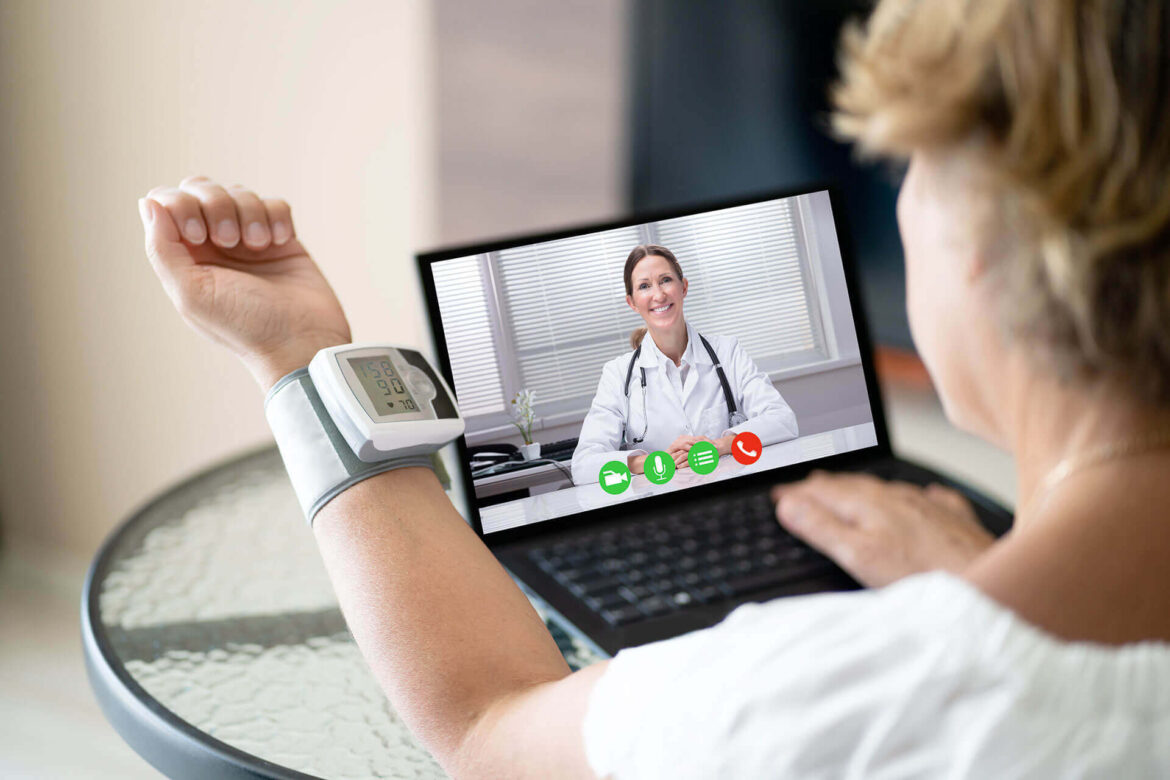
2. The rise of telemedicine

According to Statista projections, it is estimated that by 2025, the global telemedicine market will reach 278 billion dollars.

It is a cutting-edge and essential tool to support the work of healthcare professionals, as well as the operation of medical institutions.

With telemedicine, we reduce congestion in doctors’ offices and hospitals and minimize unnecessary travel, among other benefits.


3. Smart Hospitals powered by IoMT

As the adoption of the Internet of Medical Things (IoMT) increases, healthcare professionals can make use of more devices that enable continuous monitoring of health parameters, remotely and in real time.

This facilitates chronic disease management and contributes to the prevention and early detection of complications.

 

7 hospital energy development trends in 2024. healthcare professionals can make use of more devices that enable continuous monitoring of health parameters, remotely and in real time


4. Energy Efficiency

Hospitals seek to improve energy efficiency by upgrading equipment, integrating energy storage batteries, optimizing heating, ventilation and air conditioning (HVAC) systems, and adopting smart technologies for energy control and monitoring.

They can also develop microgrids to more efficiently manage locally generated energy and coordinate energy load to optimize resource use.


5. Integration of green energy technologies

The adoption of innovative technologies such as geothermal energy, cogeneration and small-scale hydropower could increase, especially in areas where these energy sources are viable.

 

7 hospital energy development trends in 2024. The adoption of innovative technologies such as geothermal energy, cogeneration and small-scale hydropower could increase, especially in areas where these energy sources are viable


6. Focus on sustainability and environmental responsibility

Growing awareness of environmental impact is leading hospitals to prioritize sustainability in their operations, including waste reduction, recycling, and the implementation of eco-friendly practices throughout the institution.


7. Digital avatars and chatbots

Both virtual assistants and chatbots based on Generative AI algorithms have become powerful tools that support the work of medical specialists.

By training AI models with medical literature, practitioners can obtain recommendations on treatments, diagnoses and medications, which influences clinical decision-making.


In sum, these hospital energy development trends in 2024 reflect a move toward greater energy self-sufficiency, a reduced carbon footprint, and greater resilience in hospital infrastructure from the drive for AI, data analytics, and improved medical management and equipment.

 

Read more
12Mar

The five big trends in healthcare technology for 2024

March 12, 2024 tedisel Hospital technology, Hospitals

From generative artificial intelligence to surgical robots, the big trends in healthcare technology for 2024 are moving at high speed on the back of constantly moving innovation.


Or what is the same: this 2024, technological advances are shaping major changes in how healthcare is provided around the world.

A health industry that has been experiencing an era of rapid advances in technological trends, revolutionizing the provision and accessibility of health services. As we look to the future, the year 2024 promises significant transformations in technology trends that will shape the new healthcare landscape.

At Tedisel Medical we are committed to the following segments of the healthcare industry as those with the greatest impact on healthcare in 2024.


1. The binomial artificial intelligence & healthcare

The artificial intelligence revolution in healthcare is already underway. AI algorithms can analyze large amounts of patient data, aiding in the accurate diagnosis of diseases, predicting treatment outcomes, and personalizing treatment plans.

We are talking about summarizing medical research and clinical notes, performing a multitude of tasks in less time, or simply addressing chronic problems in hospitals, especially for staff. Likewise, it will continue to help in the diagnosis of more diseases, especially through advanced imaging.

In 2024, we will see advances in machine and deep learning techniques, as well as real-time monitoring of health conditions and proactive interventions. Everything, to establish a future full of smart hospitals.


From generative artificial intelligence to surgical robots, the big trends in healthcare technology for 2024 are moving at high speed on the back of constantly moving innovation


2. Wearable devices and apps: a growing partnership

More and more consumers are taking charge of their health thanks to the integration of wearables, portable devices and complementary apps, supporting the rise of telemedicine as remote patient care.

These devices, equipped with sensors and monitoring capabilities, allow for continuous monitoring of vital signs, activity levels, and other health parameters.

Thus, real-time virtual collaboration will allow platforms to redefine how health professionals communicate and collaborate, especially in remote or underserved areas.

Through video conferencing, teleconferencing, and secure messaging, healthcare teams can collaborate in real time, regardless of their geographic locations.


The five big trends in healthcare technology for 2024. Wearable devices and apps: a growing partnership


3. The most sustainable health technology

Today, consumers demand that their healthcare be as sustainable as their transportation, food and housing. Or at least, heading towards it.

Consequently, health technology companies have been incorporating decarbonization into their medium and long-term business strategies and committing to new waste elimination and packaging reduction efforts.

As we said before, telemedicine also helps to reduce emissions even further, and is being a key factor about which new developments continue to appear.

“Today, consumers demand that their healthcare be as sustainable as their transportation, food and housing.“


4. Surgical robots

The rise of surgical robots is another of the big trends in healthcare technology in 2024, an unstoppable development as the technology is more easily adopted in operating rooms around the world.

In fact, the global surgical robot market is expected to reach a value of around €14 billion by 2030, almost quadrupling what it is today. Some surgical robots are already connected to artificial intelligence platforms to improve surgical decision-making, especially through augmented and virtual reality as a training tool for surgeons.


The rise of surgical robots is another of the big trends in healthcare technology for 2024


5. Fairness, privacy and access to data

As artificial intelligence takes on a larger role in healthcare, it is imperative that data is collected, analyzed, interpreted and distributed without bias. Some industry observers believe blockchain technology, also on the rise in the healthcare sector, can help.

However, in the coming months, data analysis will be the agent that plays a crucial role in health, providing very valuable information for decision making, improving patient outcomes and increasing operational efficiency.

For now, however, healthcare organizations are investing more in data privacy and embracing greater ethical use of artificial intelligence.


Read more
logo-tedisel-mini

An expert insight into medical equipment

SANT LLUC, 69-81 08918 BADALONA (BARCELONA · SPAIN)
+34 933 992 058  [email protected]

made_in_barcelona_OK_tedisel_medical
TUV_certificado_ISO

© 2026 Tedisel Iberica SL. All rights reserved.
Privacy Policy. Legal Note. Cookies Policy.