• Technical Panel
    • Glass Panel
    • Q Panel
  • Software – Hermes®
  • Ceiling Supply Unit

      • Motorized Column
      • Non-Motorized Column
    • S-Column
    • Abitus
    • Ares
    • Atlas
    • Tor
  • Bed Heads
    • Adonis
    • Ais
    • Antea
    • Aura
    • Aura Light
    • Icarus
    • N270
  • Projects
  • Tedisel Medical
  • News
  • Contact
  • Private zone
© 2025 Tedisel Medical. All rights reserved.
Tedisel Medical Tedisel Medical
  • Products
    • diamond_menu_tedisel_medical

      Technical Panel

      Glass Panel
      Q Panel

      submenu-software-tedisel-medical

      OR Software

      Hermes

      submenu-unidad_suministro_techo-tedisel-medical

      Ceiling Supply Unit

      Column
      > Motorized
      > Non-Motorized

      S-Column
      Abitus
      Ares
      Atlas
      Tor

      submenu-cabeceros-tedisel-medical

      Bed Head Units

      Adonis
      Ais
      Antea
      Aura
      Aura Light
      Icarus
      N270

  • Projects
  • Tedisel Medical
  • News
  • Contact
  • LOGIN
  • Products
  • Projects
  • Tedisel Medical
  • News
  • Contact
  • LOGIN
En
  • Portuguese
  • French
  • Spanish
Sign in

Sign in

Tedisel Medical
En
  • Portuguese
  • French
  • Spanish
22Jun

Colors and health: the importance of colors in hospitals

June 22, 2023 tedisel Hospitals

Colors have the ability to influence our emotions, mood and behavior. It has been scientifically proven that different colors have psychological and physiological effects on people. Therefore, selecting the right colors in hospital environments can have a significant impact on the experience of patients, medical staff and visitors.


Color psychology and its impact on patients’ mental and emotional health

Color psychology is a field of study that examines how different colors can affect our emotions, moods and behaviors. Colors have the ability to evoke psychological and physiological responses in people, and their proper application in healthcare settings, such as hospitals, can have a significant impact on the mental and emotional health of patients.

The choice of colors in a hospital setting can influence patients’ perception of their experience and their overall well-being. For example, some specific colors that can affect patients’ mental and emotional health are:


  • BLUE
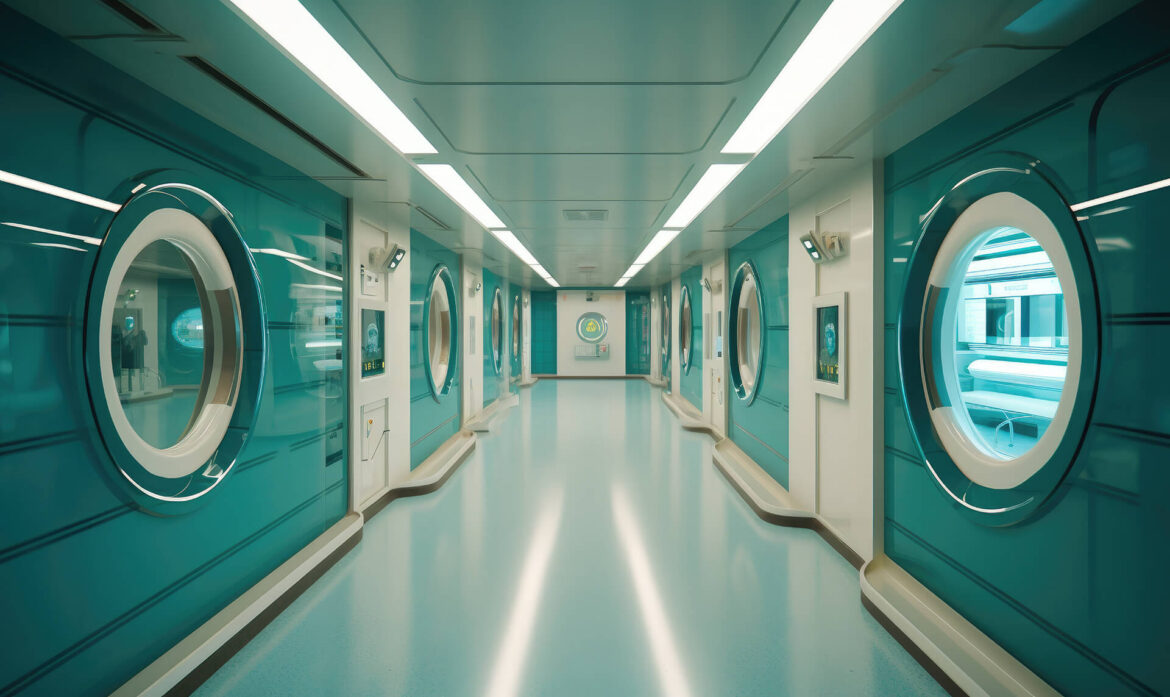
    Blue is commonly associated with calm, serenity and tranquility. It is a color that can reduce anxiety and stress, and has been used in healthcare areas to create a relaxing environment. It can help stabilize blood pressure and slow the heart rate, which contributes to a relaxed state.


  • GREEN
    Green is associated with nature and harmony. This color has a calming and cooling effect, and has been used in health care settings to promote healing and wellness. Green is also associated with hope and renewal, which can be comforting to recovering patients.
 

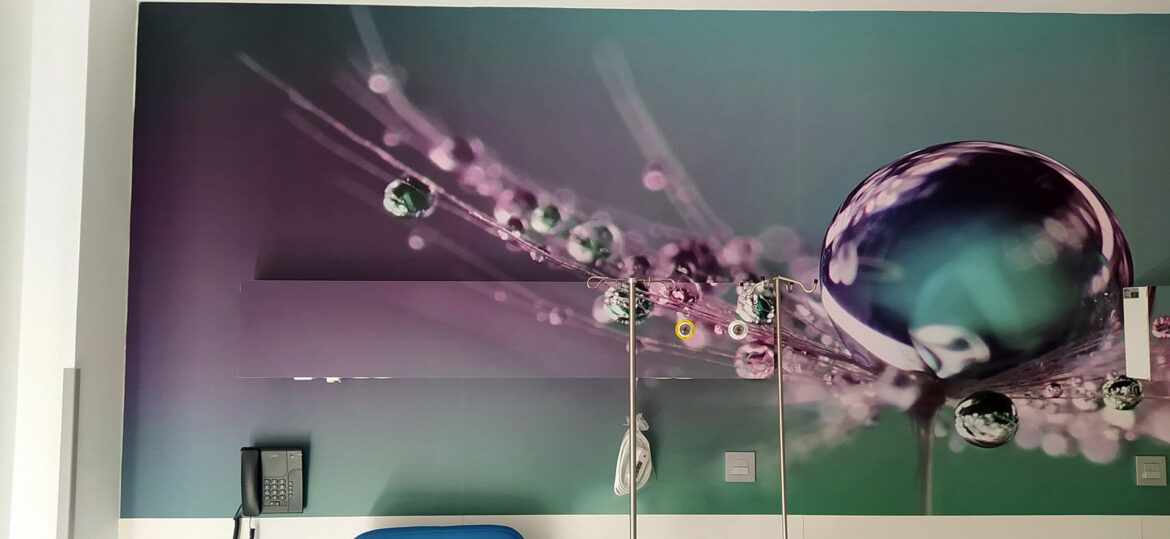
Color psychology and its impact on patients' mental and emotional health


The importance of color in patient satisfaction and hospital experience

The patient experience in a hospital is not only limited to the medical care they receive, but also encompasses the environment in which they find themselves. Color is a key element that can have a significant impact on patient satisfaction and their overall hospital experience. Let’s look at why color is important in this regard:


1. Welcoming environment: The right colors can help create a welcoming and comfortable environment for patients. Soft, warm tones, such as blues and greens, convey calm and serenity, reducing anxiety and stress. This creates a more pleasant environment conducive to recovery, which in turn contributes to patient satisfaction.


2. Positive stimulation: Vibrant, cheerful colors, such as yellows and oranges, can positively stimulate patients and improve their mood. This is especially important in pediatric areas, where the use of bright colors can help distract and entertain children during their hospital stay. A more positive experience in the hospital environment can contribute to greater patient satisfaction.
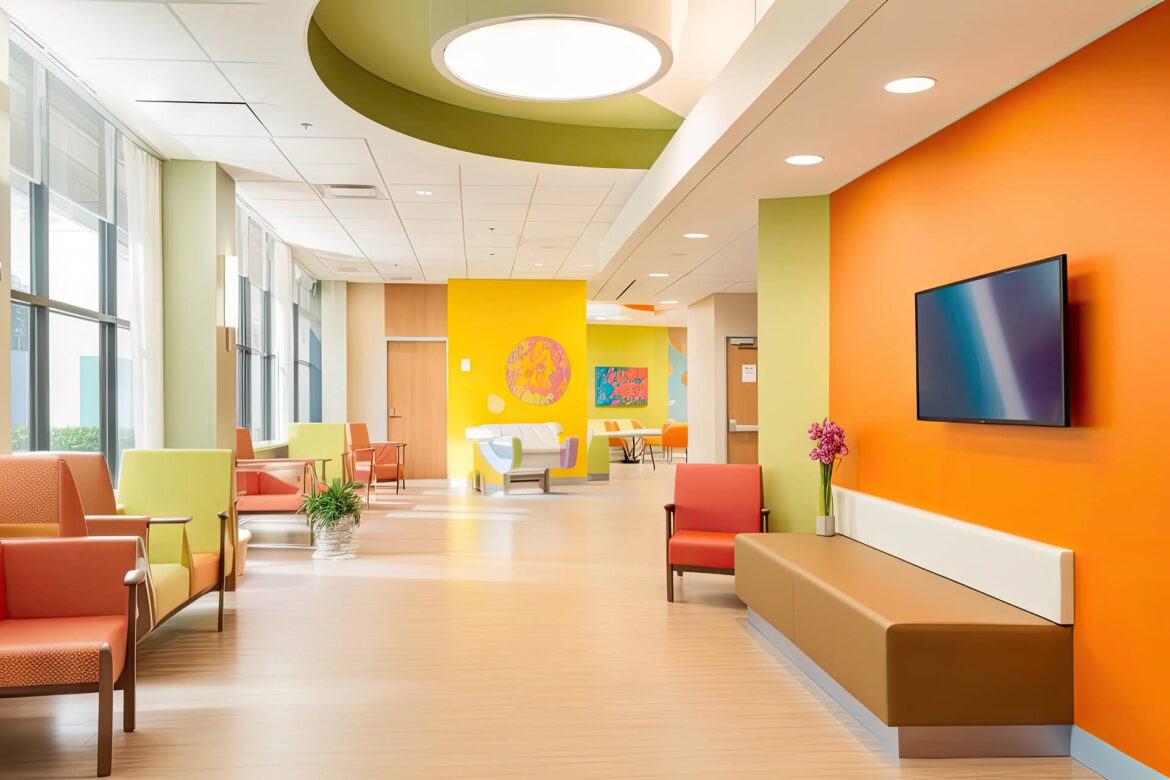
 

The importance of color in patient satisfaction and hospital experience


Hospital examples

There are several hospitals around the world that have used color effectively in their design, managing to create welcoming and stimulating hospital environments. The following are two outstanding examples:


1. Children’s Hospital of Pittsburgh, USA. This hospital is characterized by its colorful and cheerful design, especially in its pediatric intensive care unit. It uses bright colors, such as yellow, green and blue, in combination with artistic murals and playful elements to create an environment that is attractive and comforting for children.


2. Rigshospitalet Copenhagen Medical Hospital, Denmark. This hospital is recognized for its innovative design that incorporates the strategic use of color. In its pediatric oncology department, soft and soothing colors, such as green and light blue, are used to create a calm and peaceful environment. In addition, warm colors have been used in the waiting areas and treatment rooms to provide a welcoming and comforting environment.


Tedisel Medical and colors

It is essential to create environments that offer options and varieties of colors to suit the needs and preferences of patients. Because of its importance, at Tedisel Medical, we work with a wide variety of options to offer each client the best monochromatic option.

An example is our Ais design headboard that allows customizing the front to give a cozier atmosphere to the area where you want to install it. 
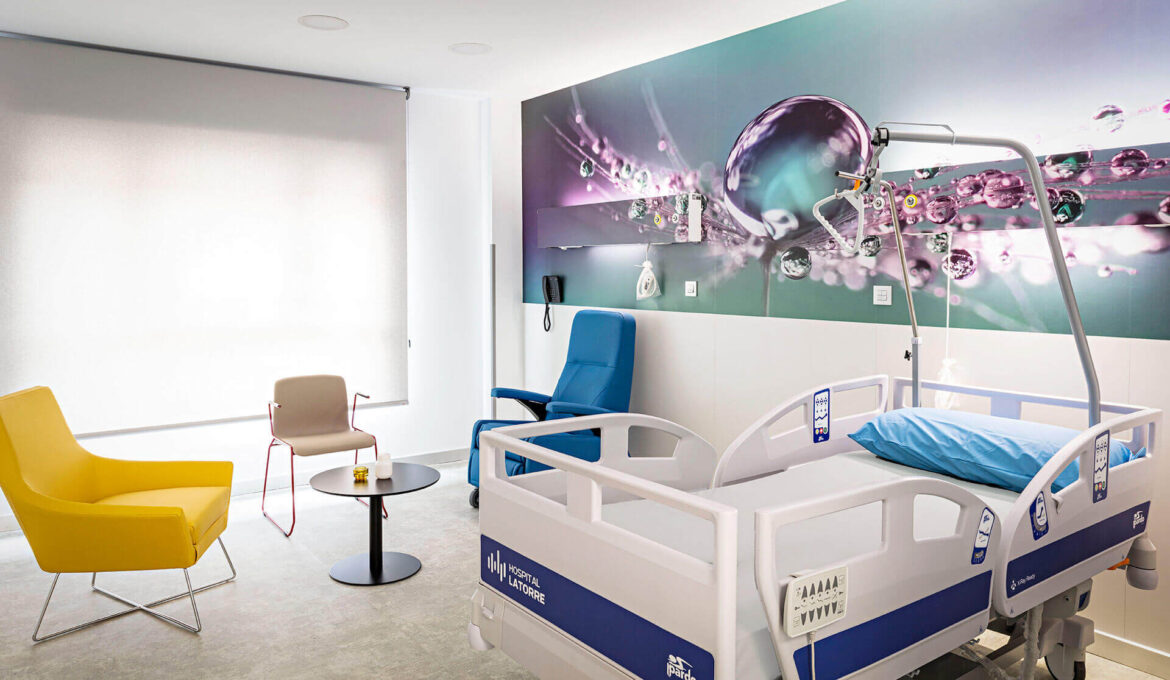
 

It is essential to create environments that offer options and varieties of colors to suit the needs and preferences of patients

© tedisel medical. Hospital Latorre (Soria – España)


In conclusion, colors play a significant role in hospital environments and can have an impact on both the patient experience and the well-being of medical staff. Careful selection of the right colors can create a relaxing, welcoming and stimulating environment, improving the quality of care and promoting a sense of well-being in everyone who visits or works in a hospital.
 

Read more
18Jan

Hospital engineering for the design of the hospitals of the future

January 18, 2022 tedisel Hospitals

The work of hospital engineers is essential to introduce new technologies and materials in hospitals.


Hospital engineers are professionals whose recognition is usually not related to their importance in clinical management. These professionals play a key role in achieving centres that are more sustainable and adapted to the new social and health realities..

Nobody is aware that the future of hospitals lies in the development of the concept of smart hospitals. And it is in this evolution where efficiency, safety and well-being of the patient come into play as absolute priorities.


What is Hospital Engineering?

Hospital Engineering is a branch of health that is oriented towards the management, planning, analysis, design, development and implementation of technologies that offer alternatives and improved solutions to the problems of the hospital environment. How? Using the latest technologies, especially in the health sector.

The modernization of the hospital sector is a palpable reality of the last decades that, in this case, has generated the need for engineers specialized in medical equipment and sanitary facilities.

This hospital engineering related long ago to the mere maintenance and good use of hospital buildings, facilities and equipment, today it is already an obsolete concept. In fact, it is one of the professions that are evolving the most and that will evolve the most.


Thus, the hospital engineer has adopted a multidisciplinary and proactive role, collaborating and making decisions about the new hospital equipment and advanced technologies to be implemented in the centres. In this regard, the hospital engineer is in charge of aspects such as:

• Advise on investments and new facilities.
• Direct minor works and supervise contracts.
• Manage financial and human resources
• The technical-legal responsibility of the facilities.


Therefore, these professionals are increasingly important in clinical management, such as electrical safety solutions for hospital facilities.


Case study: the health management of Covid-19

Despite not being healthcare personnel, hospital engineers have played, play and will play a decisive role in centres and hospitals that have to deal with the fight against SARS-CoV-2 and the COVID-19 epidemic.

The global pandemic has revealed how important the proper functioning of a hospital is in terms of electrical safety, infrastructure, supplies and equipment.

Thus, in hospitals, the engineering and maintenance departments are responsible for critical supplies such as medicinal gases, water, electricity or fuels.


Improvisation or lack of management is known to lead to both financial loss and poorer healthcare. For this reason, it is important to manage everything that these concepts encompass, starting with the electrical system, the central nucleus of the operation of a hospital. Hospital engineering works at this point to control, for example, that the electrical supply will be effective under any circumstance, that the fuel tanks of the generating sets are full, or that newly built hospitals have two electrical connections in case of fault.

More specifically with COVID-19 patients, their consumption of medicinal oxygen is very high, so it is vital that the supply is guaranteed and that the reserves are adequate. It is also necessary to control the elements that are not affected by the extreme variation in temperatures or other factors, as well as to try to avoid consumption by bottles, being more advisable in exceptional cases to use gas ramps.

Another strategic point is air conditioning, the final comfort of healthcare personnel and patients. For this reason, it is more than necessary to ensure the supplies of natural gas or diesel, or of the hot and cold batteries.

A process that has decisively affected the health management of Covid-19 and that will mark the future of future health is divestment. The lack of economic support experienced in recent years has been noted and more than in this pandemic, “increasing the effects of the crisis”, as indicated by Luis Mosquera, President of the Spanish Association of Hospital Engineering (AEIH).

Mosquera also points out that it is urgent to invest in hospitals to make them “lighter and more elastic”.


The role of hospital engineering in designing the hospitals of the future

Behind the maintenance and good use of the technology that is made in Spanish hospitals are the hospital engineers. In short, it is an essential element in the introduction of new technologies and materials in the health sector.

Engineers are partners in the new technologies that are going to be implemented in the hospital, their knowledge seems key for the management of this determinant technological component that goes hand in hand with the hospitals of the future.

Each equipment used in medicine will integrate an Engineering component, both software and hardware. A fact that is not trivial and to which the investment to update hospital centres must also respond accordingly.


Hospital engineering has arrived, as can be seen in the fact that several Spanish cities carry out their plans in terms of infrastructure for the next five and ten years, since an optimal planning of architecture in Hospital Engineering is needed.

This network of qualified professionals will help to obtain greater benefits from telemedicine, to promote methodologies to avoid providing medical services at a distance, to implement Big Data or Artificial Intelligence, etc.

In short, rethinking hospitals to make health buildings more sustainable and safer.

Hospital engineering is a global issue in which the United States and China are already putting a lot of effort, and in countries like India it will reach a new dimension: by 2024, its hospital spending is expected to reach 2,000 million euros per year.


Hospital engineering and electrical safety

Another area in which hospital engineering has a lot to contribute is in the electrical safety of hospitals.

The energy supply is essential not only in exceptional moments and of great hospital pressure such as the aforementioned pandemic, eventual natural disasters or critical situations. At such times critical areas such as operating rooms or ICUs have a high work rate, so electrical safety plays an essential role in the medical care of patients and, of course, to facilitate the work of healthcare professionals.


“The energy supply is essential not only in exceptional moments and of great hospital pressure such as the aforementioned pandemic, eventual natural disasters or critical situations.


On the other hand, considering that technology is increasingly present in hospitals and health centres through programs, software, machines, etc … It is important to have hospital electrical safety solutions that will ensure the proper functioning of all the medical services offered.


Planning the hospitals of the future

A light, adaptable hospital, with the appropriate infrastructures and prepared to adapt to the new and changing realities of the sector. This is the model of the health centre that will be established in the future.

A concept that has gained more acceptance than ever with the COVID-19 crisis: the global health structure is not prepared to face enemies and situations like that.

Therefore, the work of hospital engineering will be to ensure that hospitals are safe and intelligent spaces that adapt optimally and quickly to specific and temporary needs. To reduce the rate of improvisation, the work of hospital engineers to design contingency plans will be essential. And, fundamentally, guaranteeing electrical safety or making the design of hospitals more flexible, such as having spaces prepared to house mobile wards, hospitalization areas that can be transformed into ICUs, etc.


Read more
12Jan

Keys for the optimization of electrical safety in hospitals

January 12, 2022 tedisel Critical Areas, Operating Rooms

It’s helpful to know the keys for the optimization of electrical safety in hospitals, only then can you know what are the aspects to be taken into account when making sure you have the ideal conditions to reduce and eliminate risks.


Safety comes first, it is what is said in all work areas where the life of each worker is to be preserved. However,  in the hospital context it represents an obligation also with patients.

Fortunately, we are experts in the field of electrical safety in hospitals, so we will talk to you from experience,  letting you know the guidelines that we handle when we provide advice on electrical safety.


It is important to do conduct basic tests to know how is the electrical system

When we intend to do an audit in hospitals in order to know the current status of the electrical systems,  we always apply a series of tests that give us results based on which an action plan can be developed to correct failures and risks.

In fact, there are a number of tests that help, and it’s necessary to start by checking the quality of the wiring, because that will depend on the proper functioning of the equipment and that the electrical energy supply can be stemmed.


The acumen of expert auditors in electrical safety for hospitals

Usually these tests are done using state of the art equipment. We rely on the best technology.

However, experience is also requested, because some of the tests consist of visual acuity.

To make  the tests visually, you have to rely on experts, who are dedicated to conducting audits, and that represent success stories, that way you will ensure the quality of the inspection.


Correct distribution: another key to the optimization of electrical safety

Claves para la optimización de la seguridad eléctrica en hospitales - distribución eléctrica correcta

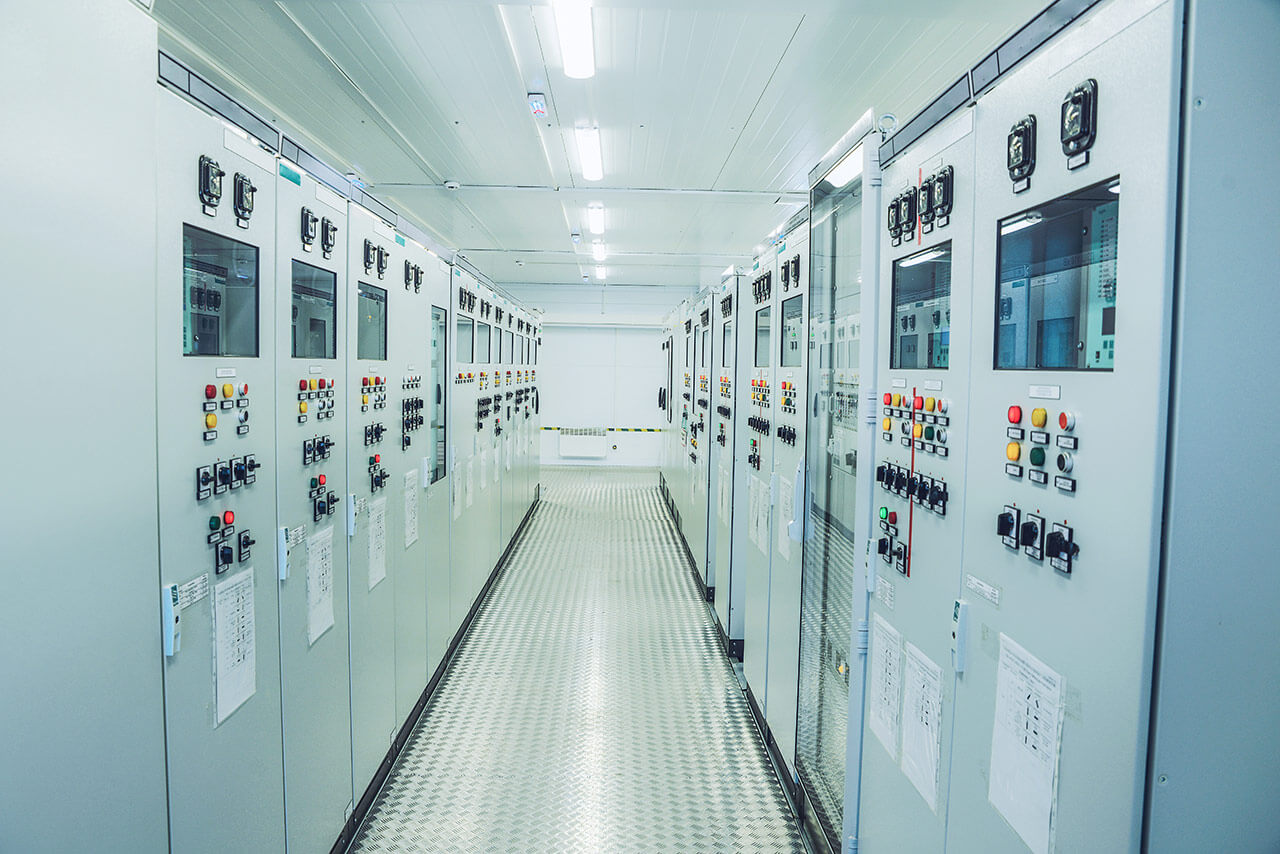
The distribution of electrical energy is crucial for the electrical safety in hospitals.

That is why another key for the optimization of the electrical safety of hospitals is to know the best way to make the distribution of the supply, that way the regular procedures will be carried out effectively.

To do this, it’s essential to proceed to divide the alternating current in two levels, however, this is not something that should be done lightly, you need to rely on experts who are in charge of designing the ideal plan for the division and structure of the alternating current.

However, to give you an idea, the levels to be divided can be the following:

  • Electricity for an emergency system
  • Electricity for an equipment system


This is how safety circuits can be created and thus be able to safeguard the life and safety of each patient.

The equipment system must focus specifically on supplying power to the main equipments, which is vital for the care and continuous treatment of patients.

The best thing that can be done is rely on the experts. At ETKHO we advise you on electrical safety and offer the highest quality equipment for hospital critical areas.


Read more
logo-tedisel-mini

An expert insight into medical equipment

SANT LLUC, 69-81 08918 BADALONA (BARCELONA · SPAIN)
+34 933 992 058  [email protected]

made_in_barcelona_OK_tedisel_medical
TUV_certificado_ISO

© 2026 Tedisel Iberica SL. All rights reserved.
Privacy Policy. Legal Note. Cookies Policy.