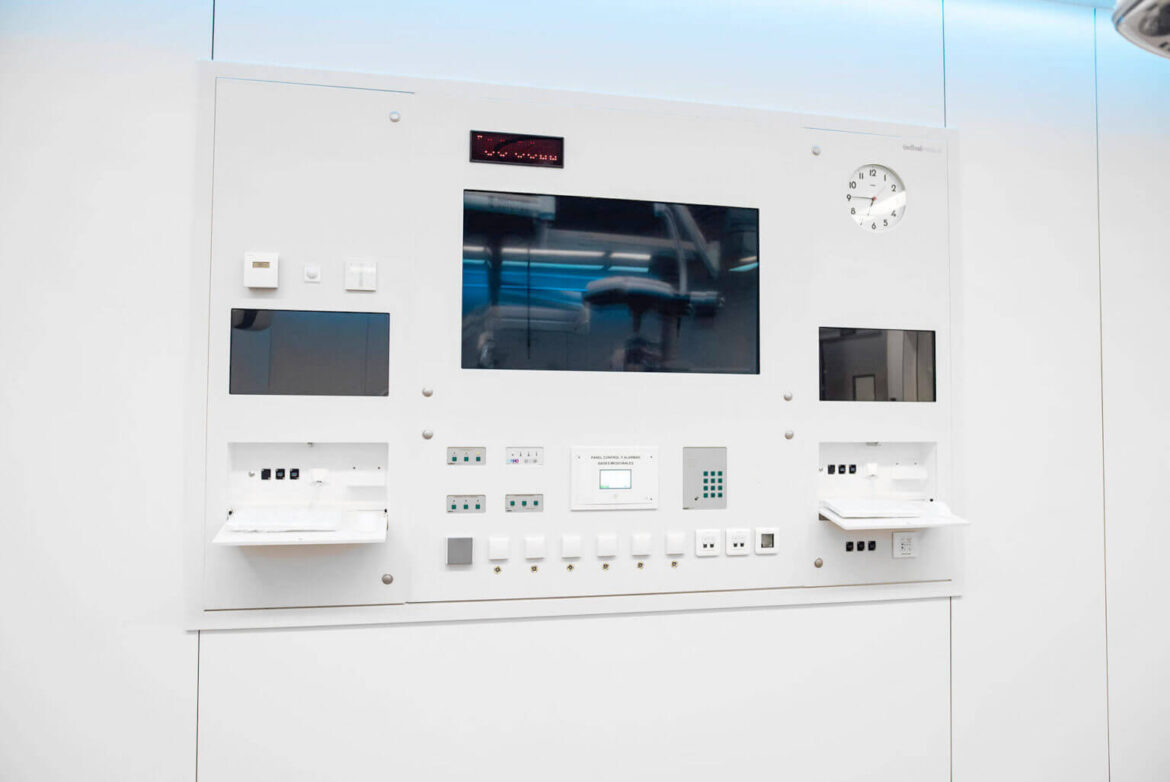
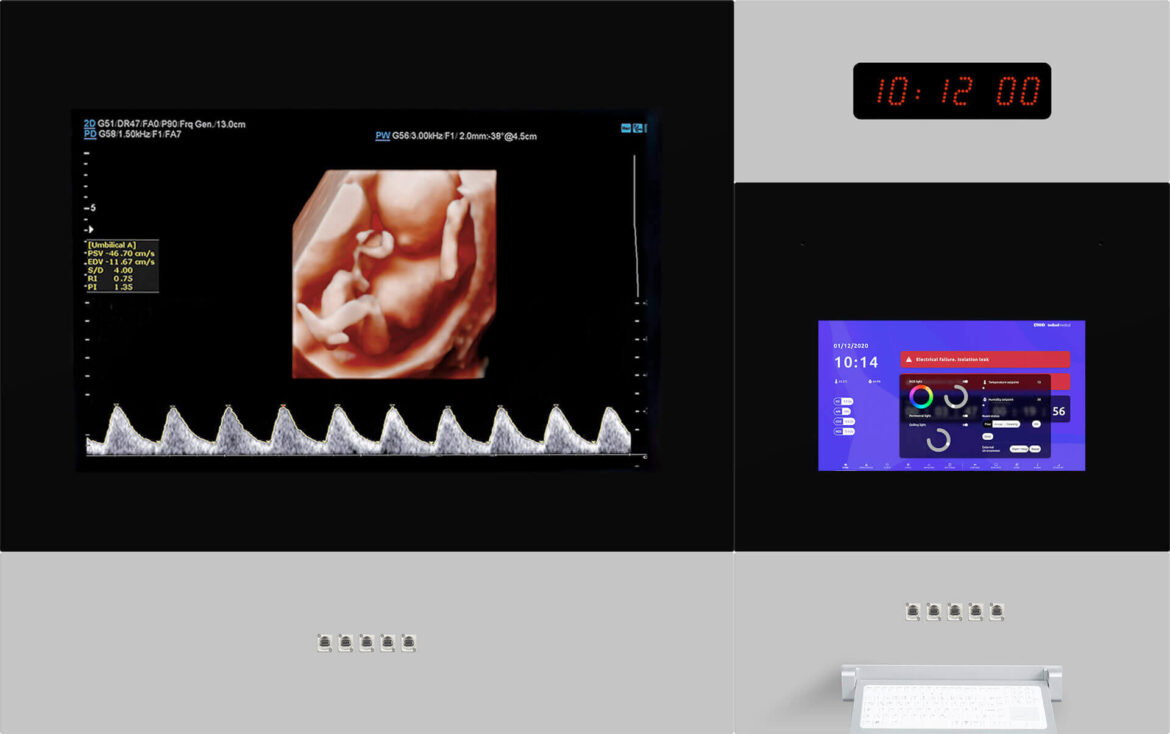
• Technical Panel
    • Glass Panel
    • Q Panel
  • Software – Hermes®
  • Ceiling Supply Unit

      • Motorized Column
      • Non-Motorized Column
    • S-Column
    • Abitus
    • Ares
    • Atlas
    • Tor
  • Bed Heads
    • Adonis
    • Ais
    • Antea
    • Aura
    • Aura Light
    • Icarus
    • N270
  • Projects
  • Tedisel Medical
  • News
  • Contact
  • Private zone
© 2025 Tedisel Medical. All rights reserved.
Tedisel Medical Tedisel Medical
  • Products
    • diamond_menu_tedisel_medical

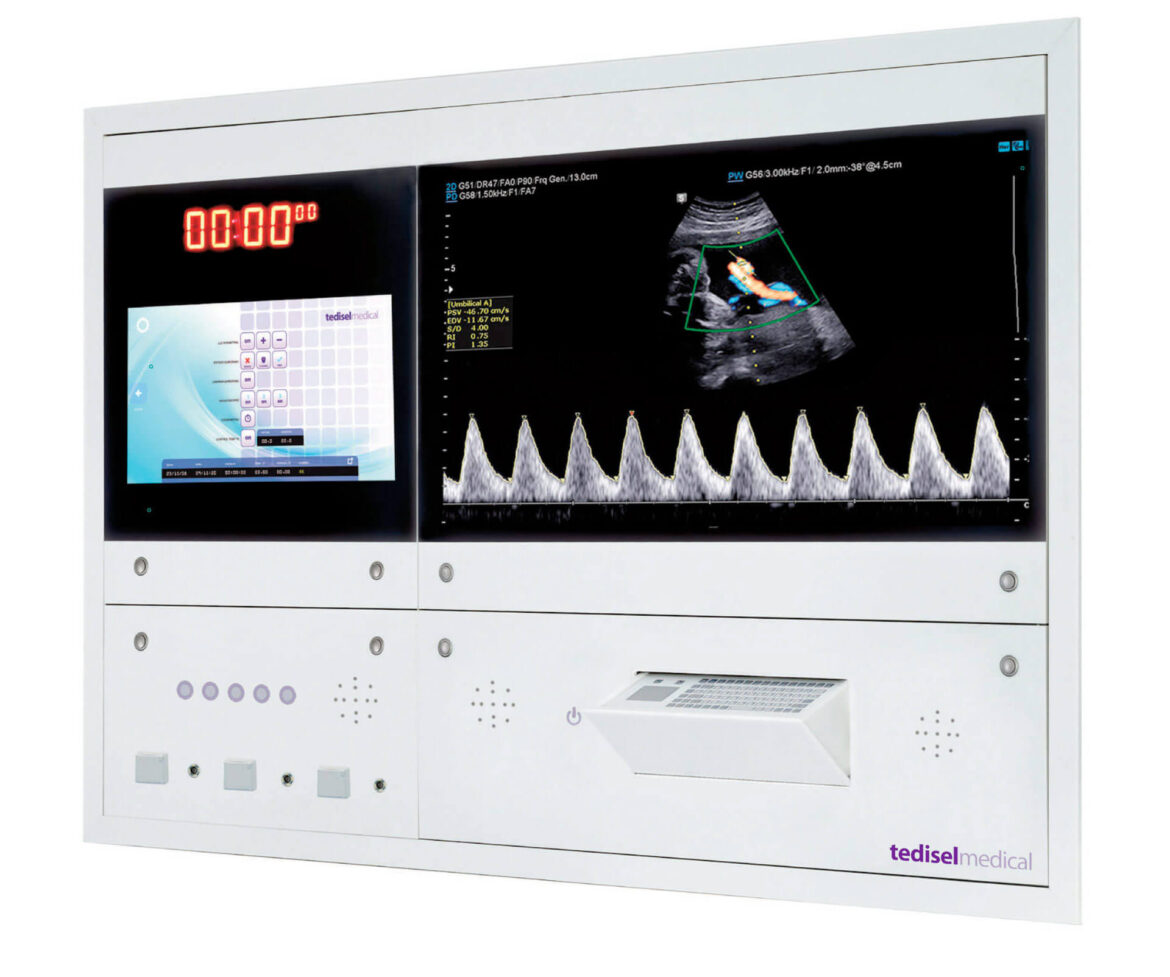
      Technical Panel

      Glass Panel
      Q Panel

      submenu-software-tedisel-medical

      OR Software

      Hermes

      submenu-unidad_suministro_techo-tedisel-medical

      Ceiling Supply Unit

      Column
      > Motorized
      > Non-Motorized

      S-Column
      Abitus
      Ares
      Atlas
      Tor

      submenu-cabeceros-tedisel-medical

      Bed Head Units

      Adonis
      Ais
      Antea
      Aura
      Aura Light
      Icarus
      N270

  • Projects
  • Tedisel Medical
  • News
  • Contact
  • LOGIN
  • Products
  • Projects
  • Tedisel Medical
  • News
  • Contact
  • LOGIN
En
  • Portuguese
  • French
  • Spanish
Sign in

Sign in

Tedisel Medical
En
  • Portuguese
  • French
  • Spanish
16Dec

Care-Centered Work Environments: Designing Hospital Solutions for the Future

December 16, 2024 tedisel Hospital technology, Hospitals, Medical equipment

In an ever-changing environment, where healthcare demands are rapidly evolving, the design of functional, safe and versatile workspaces stands as an essential component to ensure excellent services.

Careful and well-structured design not only optimizes the efficiency and productivity of healthcare staff, but also enhances clinical outcomes and ensures a safer and more satisfying experience for patients.


Care-Centered Work Environments: Designing Hospital Solutions for the Future


The Relevance of Strategic Planning and Design in Hospitals

Hospital architecture and strategic planning are critical to ensure efficient and sustainable operations over time. Forward-thinking hospital design not only improves daily workflows, but also enables agile integration of new technologies and adapts to the growing demands of the healthcare sector.

Every element, from spatial organization to the strategic placement of medical equipment, directly impacts the optimization of internal processes. These design decisions not only streamline daily activities, but also minimize the operational burden on staff, improving their performance and promoting a more functional and safer work environment.


“Effective planning not only responds to today’s needs, but anticipates tomorrow’s challenges, laying the foundation for a more resilient and adaptable healthcare system.“


The Relevance of Strategic Planning and Design in Hospitals


Medical Supply Units: Ensuring Efficiency and Versatility

In critical areas of a hospital, such as operating rooms and intensive care units, medical supply units such as ABITUS, ARES, ATLAS and TOR play a vital role in organization, safety and work efficiency. These suspended and integrated solutions are designed with flexibility to adapt to the specific needs of each environment, optimizing space layout.

In addition to improving ergonomics and preventing disorganization, these units reduce risks associated with equipment handling and provide quick and orderly access to necessary supplies. With these innovations, healthcare professionals can focus on providing quality care without unnecessary distractions.


Hospital HC Miraflores


Infection Prevention and Control: A Non-Negotiable Priority

The control of hospital-acquired infections, known as nosocomial infections, is one of the greatest challenges in modern healthcare. These infections pose significant risks to both patient health and hospital operating costs, in addition to increasing the burden of care for healthcare personnel.

To address this, it is essential to implement robust hygiene and prevention strategies that include strict protocols and the use of advanced technologies designed to minimize the spread of pathogens. This proactive approach not only reinforces safety in all areas of the hospital, but also protects the health of patients and workers.


Comprehensive Services that Create Value

Our commitment goes beyond manufacturing quality products; we offer a comprehensive approach that seeks to enhance every hospital investment. We provide specialized technical support, personalized consulting and ongoing training to keep medical equipment operating at peak performance.

This approach not only prolongs the useful life of devices, but also ensures constant uptime, reducing downtime and maximizing overall hospital performance. With our solutions, we ensure that professionals can focus on what really matters: saving lives.


Hospital Materno Infantil Quirónsalud de Sevilla


Designing the Future of Healthcare

Creating care-centered hospital environments involves much more than infrastructure; it is a combination of intelligent design, technological innovation and continuous training. By providing solutions that optimize functionality, enhance safety and ensure sustainability, we are helping to build hospitals ready for the challenges of tomorrow.


“By combining strategic planning, advanced medical systems, rigorous infection control, and training and support services, we are setting new standards in healthcare, with an approach that puts both patients and staff first.“


Read more
26Nov

Optimizing Medical Device Interoperability in Critical Care Units: Key to Reducing Medical Workplace Stress

November 26, 2024 tedisel Critical Areas, Hospital technology, Medical equipment

Eighty-seven percent of medical professionals report that administrative tasks are one of the main sources of stress in the work environment. This challenge underscores the need to implement solutions that improve workflow efficiency, especially in critical areas such as Intensive Care Units (ICUs). The interoperability of medical devices and the adoption of electronic documentation are presented as essential tools to reduce administrative burdens, allowing healthcare teams to focus on what really matters: patient care.


Lessons from the pandemic

The COVID-19 pandemic highlighted the need for a robust healthcare system capable of relying on technology to optimize information management. This global challenge acted as a catalyst for the accelerated implementation of technological tools, marking a turning point in the digital transformation of healthcare.

“We envision a future where interoperability elevates the ability of medical teams to deliver personalized care in critical environments.”

Medical devices will be interconnected, forming secure and reliable networks that enable new clinical applications. These new clinical applications include decision-support systems, remote monitoring and process automation, fundamental elements for more efficient and accurate care. With our integrated solutions and expertise, we are leading this change in Critical Care and Intensive Care Units.


We envision a future where interoperability elevates the ability of medical teams to deliver personalized care in critical environments


What is interoperability?

Interoperability refers to the ability of medical devices and systems to share and exchange data in a continuous, automated and secure manner within a standardized technology network. This functionality allows information to be processed efficiently, contributing directly to the improvement of healthcare.

Benefits of interoperability

1.Improved clinical outcomes
Interoperability helps prevent adverse events by leveraging human capabilities with intelligent technologies. This enables more immediate, personalized and accurate care, significantly minimizing the margin of human error.

2. Workflow optimization
By eliminating inefficiencies, interoperability reduces the risk of errors and staff burnout. It automates tasks such as data entry or device programming, and facilitates remote access to information in integrated formats. This accessibility speeds up decision-making in real time, improving the quality of care.

3. Preparing for a flexible future
Platforms for connected medical devices that are scalable, modular, secure and based on open standards are essential. These features ensure that systems can dynamically adapt to the changing needs of the healthcare sector.

4. Automated clinical documentation
Interoperability also strengthens clinical data management by automating electronic records.


This not only speeds up access to crucial information, but also reduces errors that could compromise patient safety, ensuring more reliable and accurate care.


Interoperability refers to the ability of medical devices and systems to share and exchange data in a continuous, automated and secure manner within a standardized technology network


Tedisel Advanced Solutions

At Tedisel Medical, we offer the Hermes Software solution, fully adaptable to our Diamond and QPanel technical panels. This tool facilitates the integration of reliable electronic data on therapies, patients and medical devices into hospital information systems. It also ensures that this data is available at the point of care, improving clinical decision making in an agile and accurate manner.


Key benefits

  • Reduced errors
    Automating documentation minimizes errors and frees healthcare staff from tedious administrative tasks.
  • Improved patient care
    Comprehensive, highly reliable data is at professionals’ fingertips at the critical moment of care.

Safety in critical environments: An essential priority

In critical areas, the protection of therapy and monitoring devices against unauthorized access and tampering is essential. Our commitment is to ensure a secure continuum of care, while protecting hospitals’ and patients’ sensitive assets and data, in compliance with current regulations.

Integrated cybersecurity measures

  • Robust protection on devices, systems and during data exchange.
  • Restricted access control to authorized users to ensure privacy and security of information.
  • Guaranteed security throughout the lifetime of our products, providing long-term confidence.


Centro de Salud CMA Granollers


Case Study: Innovation in critical care

Interoperability is a strategic pillar in modern healthcare systems. Public and private sector decision makers must embrace this technology to stay at the forefront of data management and quality of care.

A prominent example is the Virgen del Rocio University Hospital, which has implemented the ehCOS SmartICU system in its intensive care units. This system enables the automation of data capture from patient-connected medical devices, integrating them directly into the electronic medical record and other hospital systems. This approach has transformed the quality of critical patient care, demonstrating the positive impact of interoperability in healthcare.


The importance of automated electronic documentation

The integration of electronic clinical records enables rapid access to accurate information, reducing errors and improving patient safety. It also ensures the availability of data at the point of care to support clinical decision making.

Advantages of electronic documentation

  • Reduced risk of errors by automating records.
  • Increased patient focus by reducing administrative tasks.
  • Access to reliable and comprehensive medical data in real time.


Security in critical environments

In critical care, protecting devices and data is essential. Ensure a continuum of care while safeguarding sensitive hospital and patient assets and data. Implement robust cybersecurity measures that include:

  • Controlling access to systems and devices for authorized users only.
  • Security during data exchange.
  • Protection during the entire product lifecycle.


A future driven by artificial intelligence

Digitization is advancing rapidly, and interoperability is the next logical step in data management. Technologies such as artificial intelligence will play a key role in the analysis and processing of large volumes of information.

However, this transformation is not without its challenges. It requires investment in technological infrastructure and training of professionals to operate the systems effectively.


“An essential pillar for tomorrow’s healthcare: interoperability is crucial for current and future healthcare systems. Industry leaders, both public and private, must prioritize its adoption to keep pace in data management and ensure quality healthcare.”


Read more
18Nov

Incorporating Innovative, High-Quality Healthcare Technology: An Essential Challenge for Spain’s National Health System

November 18, 2024 tedisel Hospital technology, Medical equipment, News

Do companies in the Healthcare Technology sector have an innovative DNA? Yes, without a doubt. This ability to continuously advance poses a challenge for Spain’s National Health System (SNS). To address this challenge, the Spanish Federation of Healthcare Technology Companies, Fenin, has introduced various solutions to facilitate rapid access to the latest technological innovations for patients and healthcare professionals.

“Technology and medical products play a decisive role in patient care. Our industry offers new solutions for patients’ clinical needs and the healthcare system’s challenges. It is essential to ensure access to these technologies so healthcare professionals can improve diagnoses and treatments. It’s impossible to build a future-focused healthcare system using outdated technology,” explained Pablo Crespo, Fenin’s Secretary-General, during a seminar.

To promote the adoption of “high-quality” healthcare technology within the SNS, Fenin proposes several measures. These include implementing public procurement models based on value to maintain care quality, restructuring care processes to enhance system efficiency, and fostering a culture of investment planning to prevent technological obsolescence in hospitals and health centers.

Quality, not just price, should be the determining factor in public healthcare technology procurement contracts. “Fenin works with health administrations to establish new procurement models where at least 50% of award criteria are linked to the value provided by the product or service. Only quality technology ensures precise diagnoses and safer treatments, ultimately improving health outcomes and SNS efficiency,” added Fenin’s Secretary-General.


“Fenin proposes harnessing the full potential of quality healthcare technologies and ensuring equitable access for healthcare professionals and patients.”


Incorporating Innovative, High-Quality Healthcare Technology: An Essential Challenge for Spain’s National Health System
Hospital Duran i Reynals


Indexation of Public Contracts and Medical Products

Regarding public contracts and medical products included in pharmaceutical services, Fenin suggests that these contracts be indexed—allowing for price adjustments throughout their duration based on prevailing conditions—to ensure Spain remains competitive in providing patients with the best healthcare technology. Thus, Fenin proposes indexing to the Consumer Price Index (CPI), as previously allowed under the Public Sector Contracts Law until 2015.

Also tied to innovation within the SNS, the seminar addressed the renewal of the technology infrastructure in national hospitals. Despite the recent success of the INVEAT Plan—which facilitated the replacement and expansion of nearly 850 high-tech devices nationwide—Spain still shows “worrying levels of obsolescence in certain technology segments that did not benefit from the INVEAT Plan, exceeding the maximum recommended ‘useful’ life threshold (between 10 and 12 years) set by international organizations,” Fenin emphasized.

In this regard, Fenin calls for a national investment strategy to meet the so-called “Golden Rules” or “60-30-10” guidelines: 60% of equipment should be less than five years old, 30% between five and ten years, and no more than 10% over ten years old (considered obsolete). The ultimate goal should be zero obsolescence.


Fenin proposes harnessing the full potential of quality healthcare technologies and ensuring equitable access for healthcare professionals and patients

Clínica Mi NovAliança


Legislative Changes

Some of these initiatives require legislative changes. For example, reforming the Law on Guarantees and Rational Use of Medicines and Medical Products is necessary. This legislation—despite its name—is currently structured with the pharmaceutical sector in mind, rather than the Healthcare Technology sector.

“It has been 18 years since the catalog of medical products has been updated, and technological innovation in medical products dispensed with a prescription in pharmacies has been limited. This results in Spanish patients receiving products that are already discontinued in many European countries. It’s encouraging that the Ministry of Health is considering this legislative reform, but it must result in a regulation distinct from that governing medicines, given the technical and intrinsic differences in our sector,” concluded Pablo Crespo.


Hospital Universitario de Pilsen

Read more
10Sep

Humanizing hospital rooms: merging medical care and architectural design

September 10, 2024 tedisel bed head units, Hospitals, Medical equipment

Hospital humanization focuses on designing spaces that prioritize the patient, creating environments that facilitate faster recovery by providing safety, rest, and care.

When a patient is admitted for a medium to long period, the hospital room temporarily becomes their home. Therefore, the design of these rooms must go beyond functionality and traditional design, embracing also the humanization of the space.


Importance of the Environment in Patient Recovery

There is a direct relationship between patient recovery and the surrounding environment. In recent years, there have been numerous changes and improvements in healthcare architecture, with an increasing focus on a more human and approachable architecture, moving away from the overly medicalized environment. This trend is also reflected in the choice of medical equipment that adapts to this new humanized architecture. 


“At Tedisel Medical, we are committed to developing, innovating, and manufacturing hospital equipment to improve staff efficiency and provide quality patient care.”


Humanizing Hospital Rooms: Merging Medical Care and Architectural Design


Humanization of Hospital Spaces

The humanization of hospital spaces goes beyond providing a pleasant environment for patients; it also involves creating an optimal environment for medical and support staff. It is crucial to design considering the needs of all the people interacting in the hospital environment.

 For example, the Hospital del Mar has initiated a significant architectural transformation process to adapt to the demands for greater comfort and functionality for patients and healthcare professionals.

This project focuses on the new hospitalization areas, where priority has been given to the inclusion of natural light, controlled lighting systems and specially designed furniture to enhance the experience of all involved. In addition, advances have been introduced such as electronic tablets placed next to each bed, which will not only function as work tools for medical staff, but also as sources of entertainment and education for patients, even offering health advice. Lockers with keypad access have also been installed to ensure the safety and comfort of patients during their stay. This comprehensive approach seeks not only to optimize medical care, but also to enhance well-being and quality of life in the hospital environment.

The hospitalization areas have been designed with wide spaces and corridors, and the nursing checkpoint has been located at strategic points to facilitate communication with patients. A highlight has been the emphasis on the humanization of the spaces, with the collaboration of artist Perico Pastor, a Hospital del Mar user. Pastor has embellished the bathrooms in all the rooms with a dozen of his original works. In his own words: 


“Art is to share and to accompany. So, imagine going to a hospital and, when you feel down and enter the bathroom, you find a painting, a work of art!”


Importance of Materials and Design in Hospital Humanization

Careful choice of materials can have a significant impact on the transformation of hospital spaces, adding warmth and comfort. Using natural materials such as wood to clad medical equipment can generate a more welcoming atmosphere, providing patients and families with a sense of familiarity and tranquility in the hospital environment. A prime example of this philosophy is evident in our projects, such as the Lusíadas Porto Hospital, where our AIS headboard adapts to specific needs, always offering the best solution for patients.


At Tedisel Medical, we are committed to developing, innovating, and manufacturing hospital equipment to improve staff efficiency and provide quality patient care
Hospital Lusíadas Porto


The choice of furniture also plays a crucial role in this perception. Selecting the right medical equipment, which not only fulfills its technical function but also significantly enhances the ambiance of the room, contributes to a more human and less institutional atmosphere.

At Tedisel Medical, we are committed to integrating medical devices into the design of hospital equipment with our bed head units. We design and equip equipment with wall covering options, which helps reduce the feeling of being in a hospital environment and creates a more welcoming and less clinical environment. 

Our products stand out for their adaptability in terms of lighting. We recognize that indirect light can create a relaxed atmosphere, while focused lighting is essential for medical procedures. For this reason, we at Tedisel strive to offer a wide variety of lighting options, ranging from direct to indirect and night lighting. We introduce our Aura Light model to complement all hospitalization areas, ensuring adequate lighting for every need. In addition, we understand the importance of acoustic comfort, proper ventilation and humidity control to avoid nuisances such as unwanted noise, unpleasant odors and excessive humidity. Consequently, we are committed to ensuring that all our products comply with established regulations and requirements, ensuring an optimal and comfortable hospital environment for patients and medical staff alike.


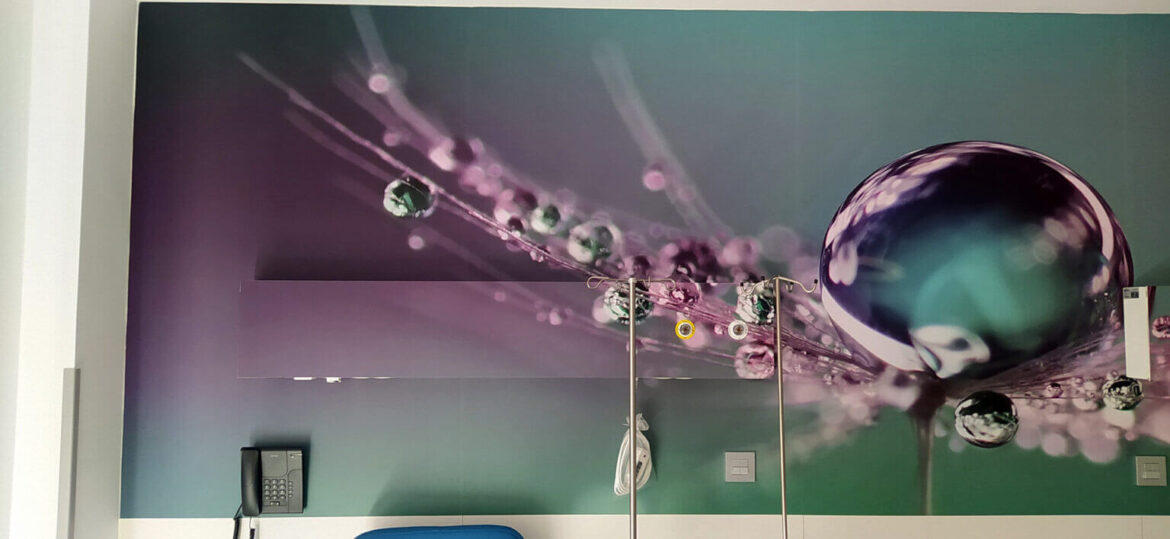
AIS Artistic Bed Head


More private spaces and recovery-enhancing spaces

Designing more private and recovery-focused spaces is an increasingly relevant trend in the hospital setting. Creating environments where patients can feel sheltered from noise and hustle and bustle is crucial to their well-being. Examples such as the therapeutic gardens in the new extension of the Hospital Universitario 12 de Octubre illustrate this evolution towards a more serene and comforting environment. These open spaces and the integration of green areas not only promote physical recovery, but also contribute to humanizing the hospital environment, providing a haven for calm and healing.


“Functionality and optimization in all hospital areas are paramount elements that should not be neglected in the humanization process.”


The rooms must be well designed, with an optimal arrangement of hospital equipment and an appropriate selection of materials to facilitate the work of healthcare personnel. Involving staff in the design from the outset is crucial to ensure an efficient working environment. It is vital to ensure sufficient space around beds for staff and equipment, as well as accessible toilets and adequate space for wheelchair use and assistance. In addition, the integration of new technologies in hospitals can boost efficiency and improve the patient recovery process by implementing humanization projects such as those that many hospitals, such as the Vall d’Hebron Hospital Campus, are progressively implementing. Mobile applications can promote patient participation and improve direct communication between patients and healthcare staff, thus optimizing workflow and medical care.


Read more
10Jun

Healthcare Equipment Design, Cleaning and Disinfection: Making the Operating Room Safe and Secure

June 10, 2024 tedisel Medical equipment, Operating Rooms

Studies reveal that surgical site infections (SSIs) account for approximately 20% of all hospital-acquired infections, highlighting the urgent need to prevent and control these incidences in operating rooms to ensure patient safety. 


“Cleaning and disinfection of the surgical area emerge as fundamental pillars to ensure the safe operation of medical facilities. However, classifying spaces within a hospital environment becomes especially relevant in surgical areas, where cross-contamination between areas with different activities and cleaning needs could considerably increase the risk of infections.”


The segmentation of spaces in these areas not only seeks to prevent cross-contamination, but also indirectly contributes to reducing the risk of infections. Within the surgical environment, it is crucial to differentiate various spaces, among them:

  • Access and reception area.
  • Resuscitation area.
  • Dressing room and office area.
  • Surgical preparation area.
  • Material/instrument cleaning and material storage area.
  • Operating rooms (including ambulatory surgery operating rooms).


This segmentation not only optimizes the organization and functioning of the surgical area, but also strengthens the preventive measures against infections, thus ensuring a safer environment for patients and medical staff.


Cleaning and disinfection of the surgical area emerge as fundamental pillars to ensure the safe operation of medical facilities


Sources of infection in operating rooms

Most Surgical Site Infections (SSIs) occur during the surgical procedure, when the patient’s wounds are still open. The main sources of infection can derive from:

  1. Surgical team members and their attire.
  2. The environmental conditions of the operating room, including the air quality.
  3. The equipment used during the procedure.


Implementing strict protocols can make a big difference in reducing the incidence of SSIs. Every medical setting should have a robust set of infection control protocols, and every member of the surgical staff must be fully familiar with these procedures.


Implementing strict protocols can make a big difference in reducing the incidence of SSIs


Environmental measures in the operating room for infection control

The operating room should be kept aseptic, highly sterile and with restricted access. To prevent and control infections in these environments, the following measures can be implemented:

  • It is crucial to maintain the operating room between 20-24°C and a relative humidity of 40-60% to prevent bacterial growth.
  • Walls should have a smooth surface to ensure easy and effective cleaning. 
  • Separate doors for entrance and exit. Sliding doors can minimize drafts when entering and leaving the room.
  • Professionals should follow strict hygiene standards, wear hospital pajamas, cover head and feet, wear masks, wash hands and wear gloves. Operating room staff should be kept to a minimum and movements should be reduced.


HERMES: solution for operating rooms that facilitates the management and control of crucial measures, such as temperature and humidity monitoring


The distribution of space in the operating room should be carefully designed according to cleanliness levels, the presence of microorganisms and the types of procedures performed. Specific areas should be designated for preparation and disposal, washing and dressing, as well as storage, sterilization, assembly and washing of materials and equipment.

These measures not only promote a safer surgical environment, but also enhance the effectiveness of medical procedures by reducing the risk of healthcare-associated infections. Meticulous attention to detail in OR planning and maintenance can have a significant impact on patient safety and well-being.


Environmental measures in the operating room for infection control


Equipment used during the procedure

The equipment used during the surgical procedure plays a key role in the prevention of surgical site infections (SSIs). For this reason, it is vital to have top-notch hospital equipment that meets the most rigorous standards in terms of design, functionality, and safety.

At Tedisel Medical, we specialize in the manufacture of high-quality hospital equipment. We stand out for our meticulous attention to the design and functionality of each of our products, to offer optimal solutions that contribute to improving surgical spaces and, ultimately, patient safety.

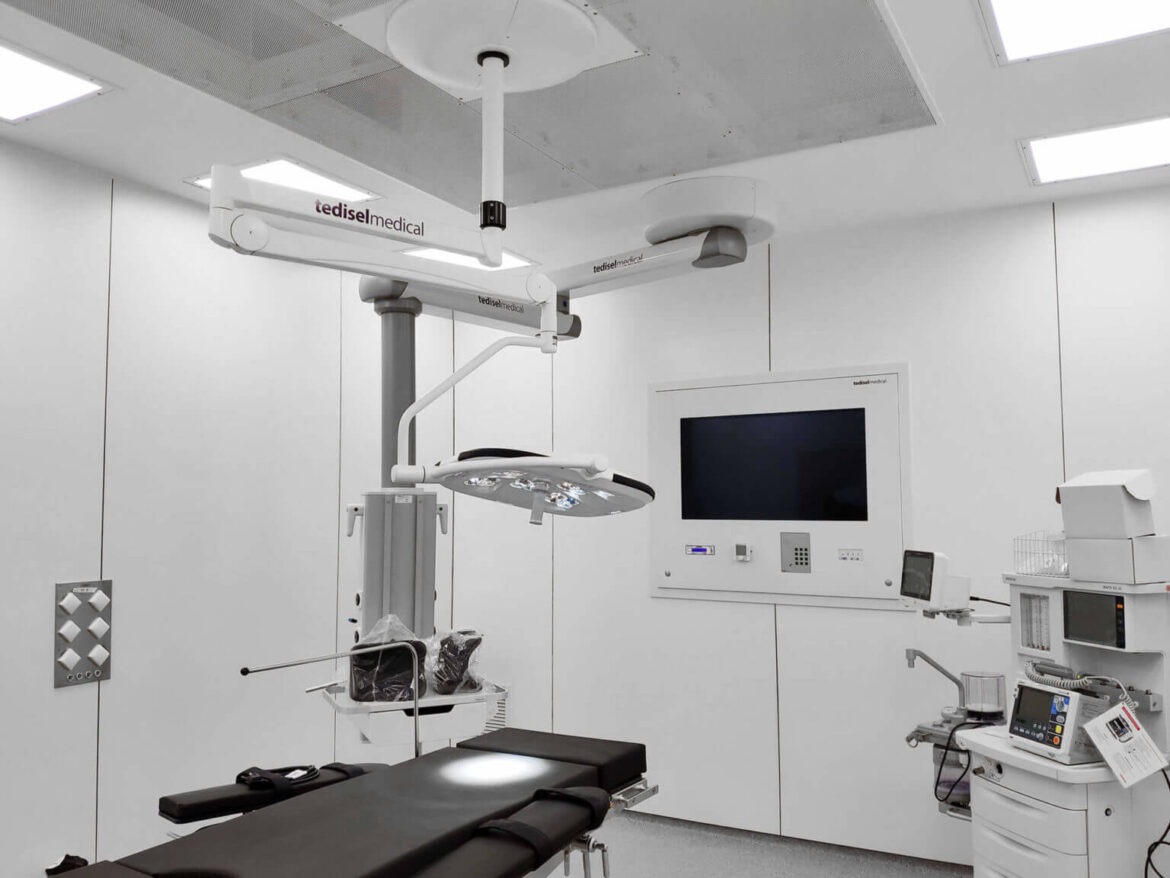
Our equipment portfolio is designed with infection prevention and workflow optimization in the operating room in mind. From pendants to technical panels, each product has been designed, manufactured, and developed to meet the highest quality and safety standards.

In addition, we always work to understand the specific needs and challenges within the work areas, allowing us to offer customized solutions that are adapted to each surgical environment.

At Tedisel Medical we are committed to providing top-quality hospital equipment that contributes to the prevention of infections and the improvement of surgical spaces, thus providing safer and more effective medical care for all patients.


Clínica Mi NovAliança


Read more
19Apr

We celebrate our most recent project in collaboration with the valued Quirónsalud group

April 19, 2024 tedisel bed head units, Hospitals, Projects, Suspended Bridges, technical panel

In our constant pursuit of excellence in the hospital sector, we recognize Quirónsalud as an essential strategic partner. We strive continuously to stay at the forefront as manufacturers of hospital equipment, and therefore deeply value our collaboration with a prestigious reference like the Quirónsalud Group.


Day by day, we work to enhance our technology and provide innovative solutions that meet the changing needs of the hospital environment. Hence, we are delighted to share our recent achievement: the successful implementation of our hospital equipment products at the Quirónsalud Valle del Henares Hospital.

This collaboration not only marks a significant milestone in our journey but also reflects our shared commitment to providing the best possible medical care to our patients.


“At Quirónsalud Valle del Henares Hospital, we are committed to providing the highest level of care. Thanks to its modern facilities combined with processes based on the extensive experience and shared knowledge of the Quirónsalud group, the safety and well-being of both patients and all medical staff are ensured.”


At Quirónsalud Valle del Henares Hospital, we are committed to providing the highest level of care


This hospital is a benchmark of innovation and technology in the field of healthcare. That’s why they have embraced innovation and technology with Tedisel Medical. Their diverse facilities include:

  • Primary medical and surgical specialties.
  • 50 consultation rooms.
  • 66 individual exterior rooms.
  • 6 adult Intensive Care Unit beds.
  • 7 neonatal Intensive Care Unit beds.
  • 7 operating rooms.
  • 3 Labor and Delivery Units.
  • Outpatient area.
  • Imaging diagnostic area with MRI, CT scan, mammography with tomosynthesis, etc.
  • General, pediatric, and gynecological emergency services available 24 hours a day.


Hospital Architecture and Innovation in Healthcare

Quirónsalud Valle del Henares Hospital has been conceived with the idea of achieving maximum efficiency, improving the care process, and optimizing the patient experience. 

“It is a project where the humanization of spaces and the pursuit of user well-being are favored.”

Our product line has been a source of innovation in the 14,081 m2 building, which includes a total of 66 individual rooms, 6 adult ICUs, 7 neonatal ICUs, 7 operating rooms, 50 consultations, labor and delivery units, outpatient, and emergency areas, covering all levels of care, from basic to more complex.

At Quirónsalud Valle del Henares Hospital, where specialization in women’s health and care during pregnancy, especially during the crucial moment of childbirth, is a priority, Tedisel Medical takes pride in offering cutting-edge solutions for Neonatal Intensive Care Units, with our ceiling suspension system, ATLAS. This model adapts to the specific needs of each project, thus guaranteeing optimal care for newborns. The versatility of ATLAS allows for maximum focus and centralization of controls, creating an efficient working environment for both medical staff and patients.


The versatility of ATLAS allows for maximum focus and centralization of controls, creating an efficient working environment for both medical staff and patients


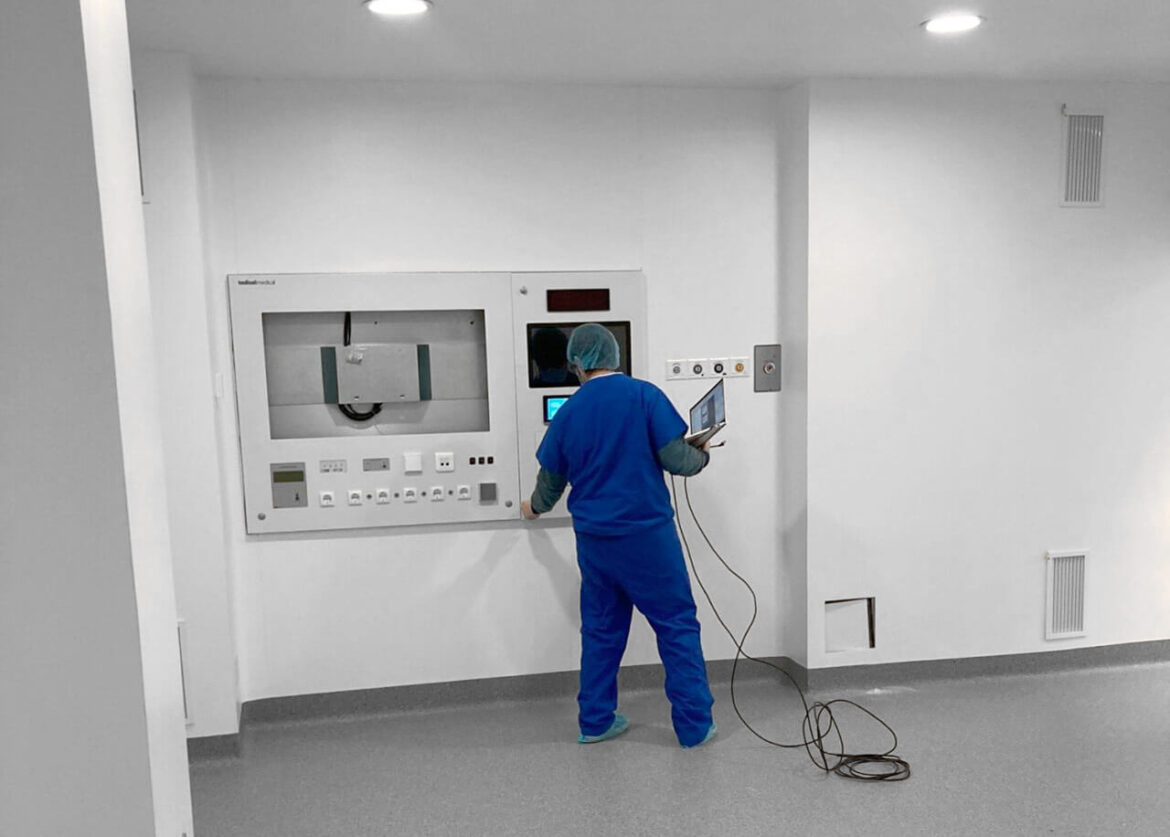
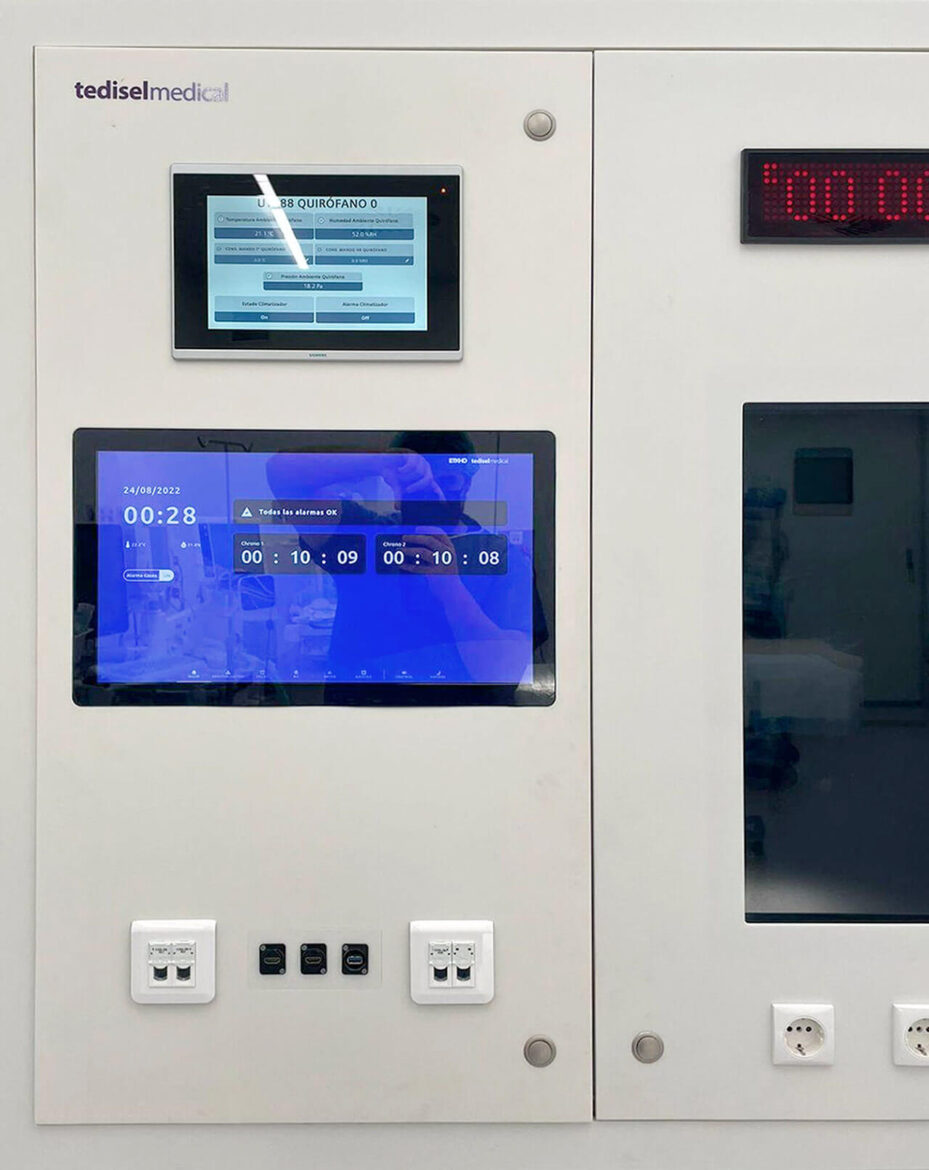
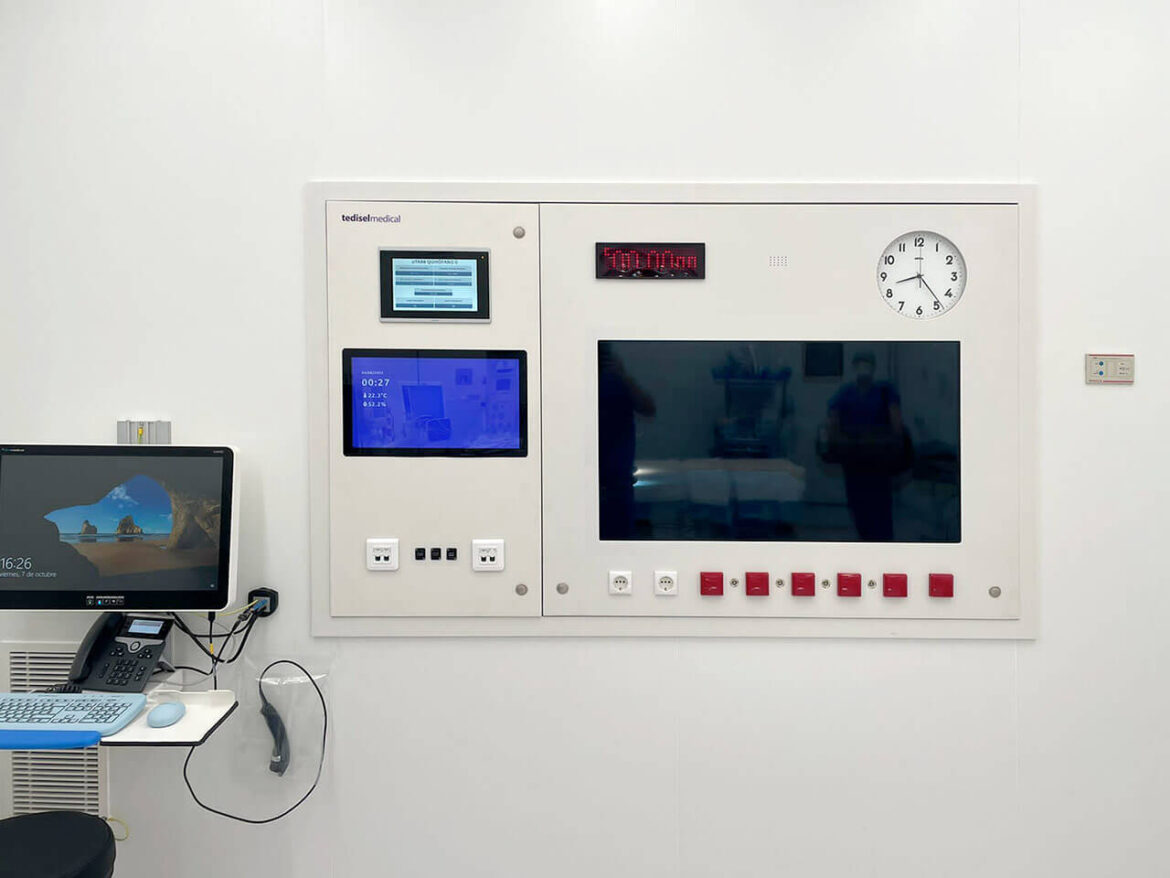
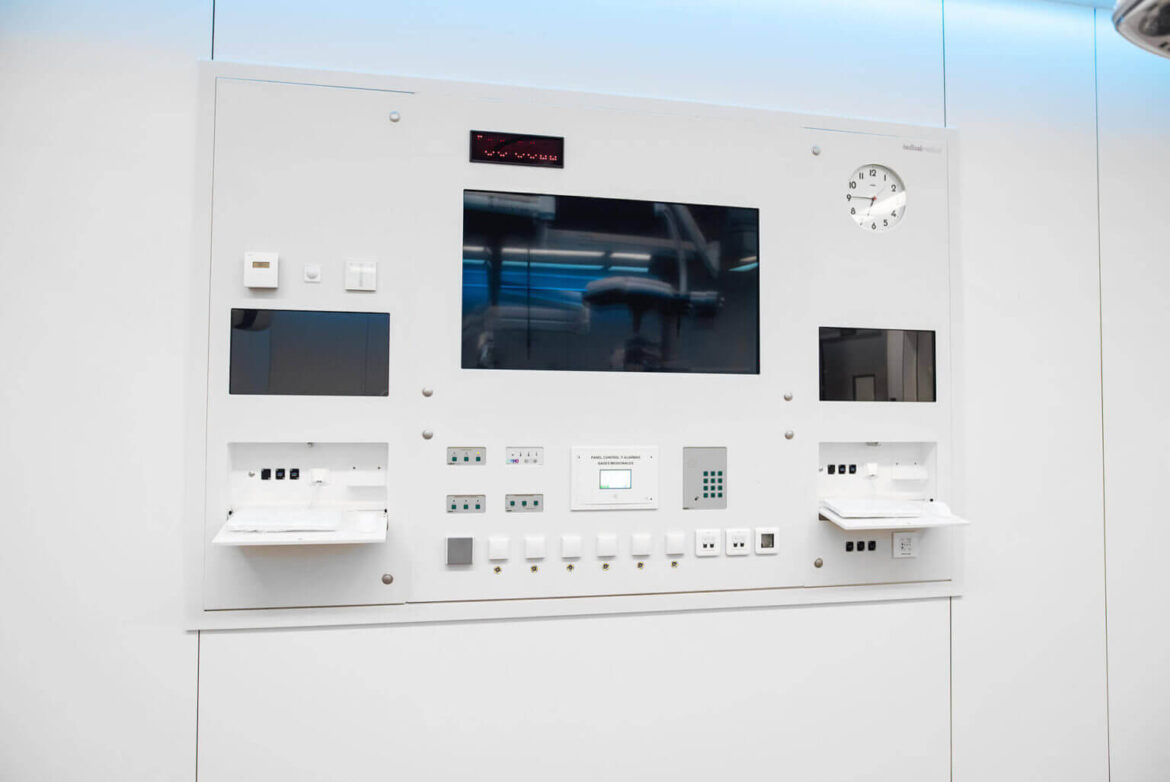
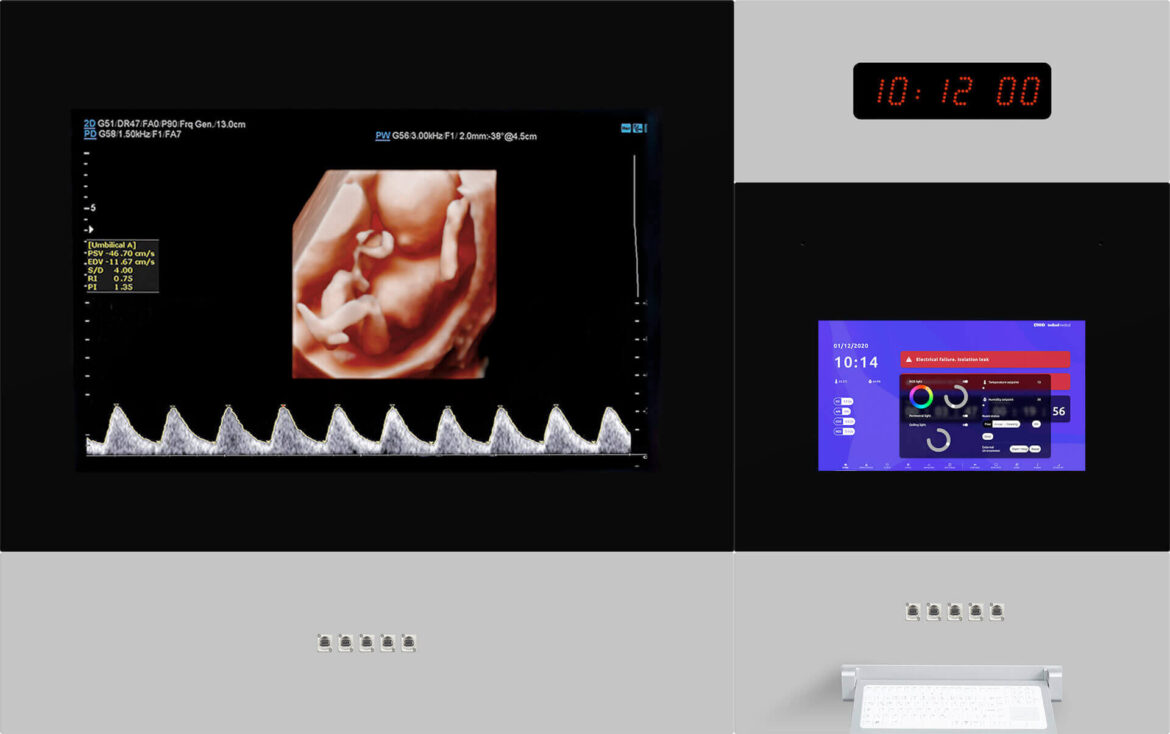
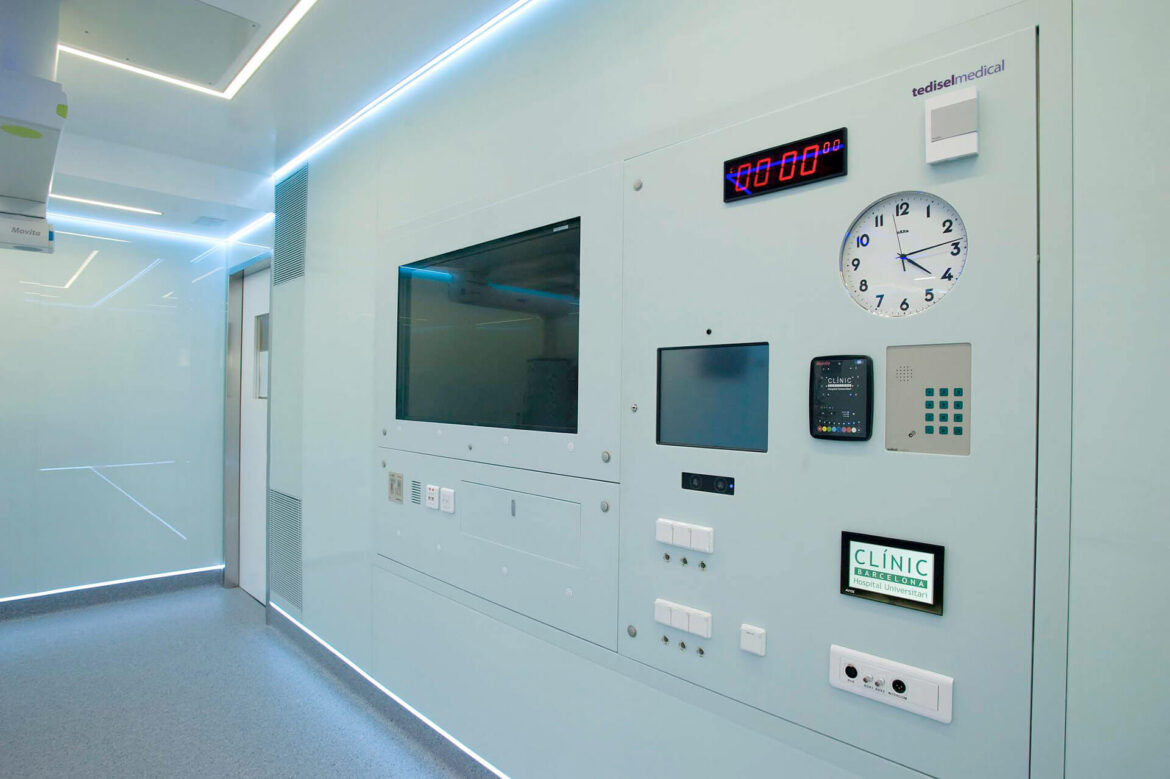
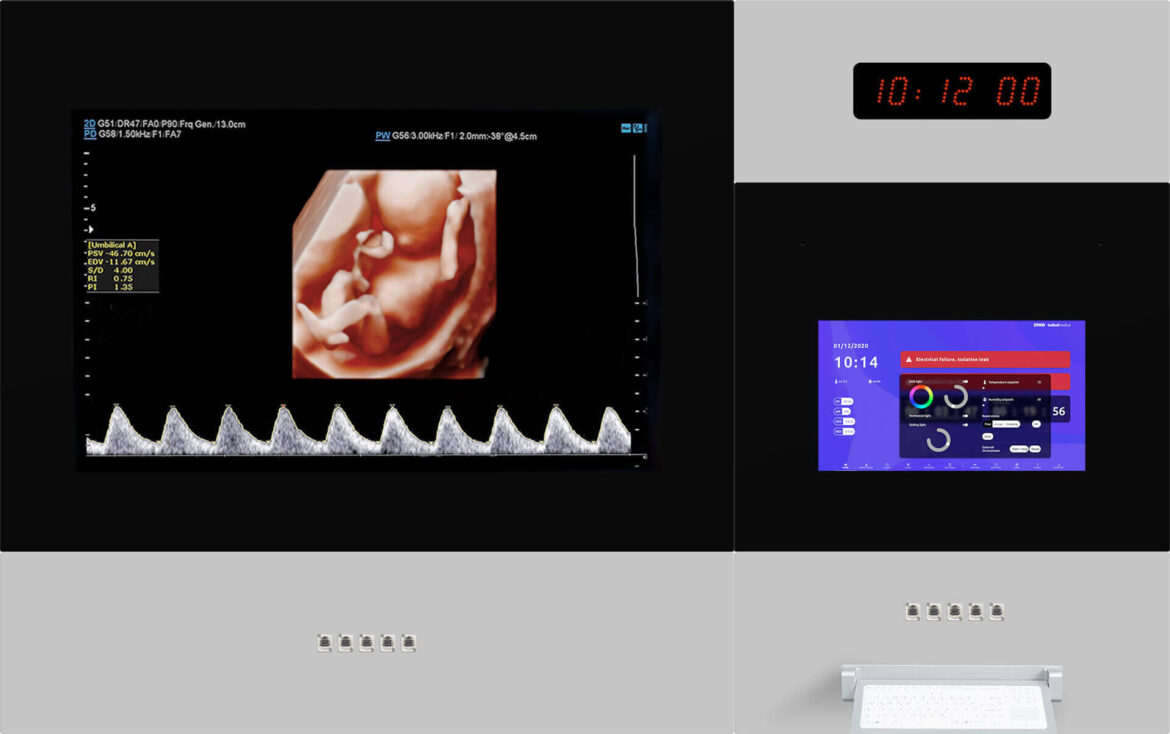
We back technologically advanced operating rooms, hence, we offered our QPANEL Technical Panel model to provide an agile and efficient working environment. Equipped with two screens and a Windows PC, along with accessories like digital timers and keyboards, the QPANEL proves to be the optimal choice for outfitting operating rooms. Its Corian® surface and adaptability in size and components allow for optimal focus and centralization of controls.

The building’s design focuses on achieving a high level of energy efficiency by incorporating both active and passive components for energy conservation. The development of healthcare spaces transcends their mere and essential functionality. It aims to address the creation of these spaces from the perspective established by the theory of Salutogenesis: designing welcoming environments that empower patients and users to maintain control over their well-being.

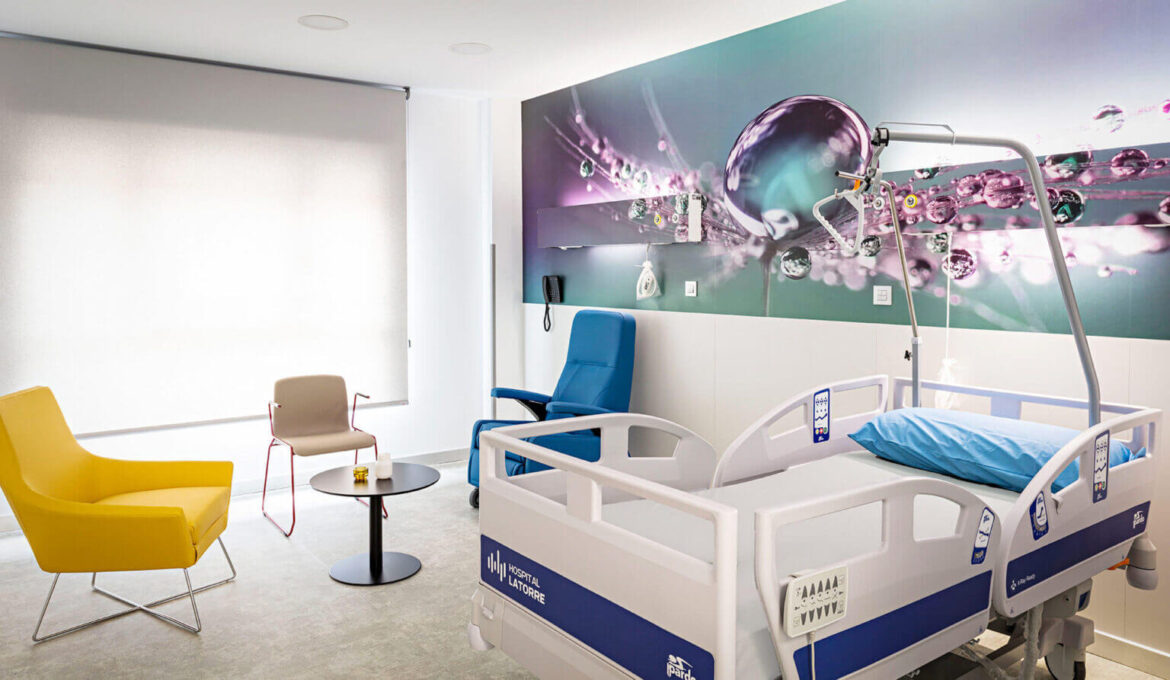
It is for this reason that Tedisel Medical offered our headboards to fit the objective of the project: to help the patient to feel as good as possible from the moment he/she enters the hospital. Our range of headboards was adapted to the project providing customized solutions and improved design alternatives to facilitate the work of health professionals and the patient. We installed two models: the N270 and the AIS. The N270 monobloc bed had unit was perfectly integrated in the Pediatric Emergency rooms, offering an efficient and aesthetically appealing solution, while our AIS design model was installed in all the hospitalization rooms, providing an architectural touch with its HPL finish.


our AIS design model was installed in all the hospitalization rooms, providing an architectural touch with its HPL finish
The N270 monobloc bed had unit was perfectly integrated in the Pediatric Emergency rooms, offering an efficient and aesthetically appealing solution


Commitment to Continuous Improvement

Our solutions have contributed to improving the efficiency of the hospital team, simplifying workflows, and improving coordination among staff. In addition, the successful installation of our products ensures a high standard of care for all hospital patients, offering a more comfortable and secure experience during their stay.

In conclusion, our collaboration with Grupo Quirónsalud has been a significant step forward in our quest for excellence in the hospital sector. The successful integration of our solutions at Hospital Quirónsalud Valle del Henares reflects our ongoing commitment to innovation and constant advancement in healthcare. We are proud to have contributed to improving the efficiency of hospital equipment and raising the standard of care for all patients at the hospital. We will continue to work closely with Quirónsalud and other partners to further innovate and improve the patient experience.


Read more
12Feb

Optimizing patient and staff care: the crucial role of efficient workflow in the operating room and ICU

February 12, 2024 tedisel Critical Areas, Hospitals, Medical equipment, Operating Rooms

Did you know that behind every successful surgery and critical patient care lies complex medical equipment and a team of highly skilled professionals? The key lies in sophisticated medical equipment and coordinated collaboration among healthcare professionals.

“These aspects materialize through efficient workflows in the Operating Room (OR) and Intensive Care Unit (ICU), crucial elements ensuring optimal outcomes for both patients and medical staff.”


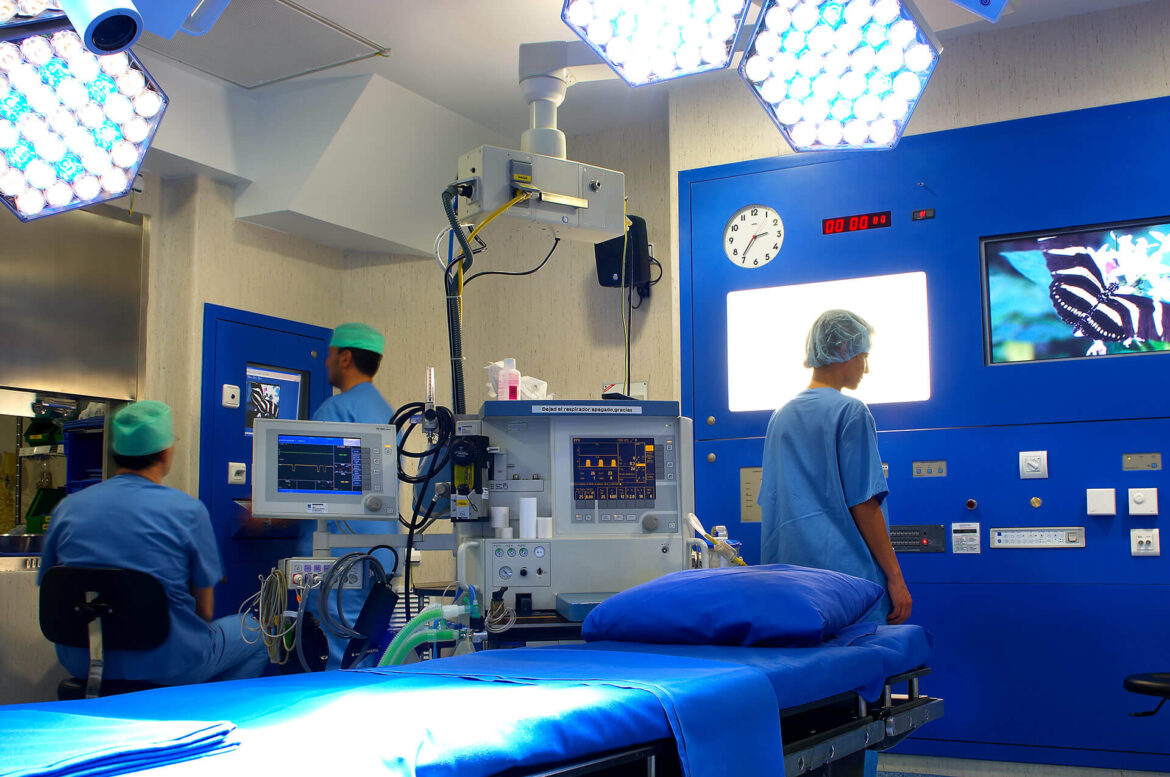
Crucial Coordination: The Determining Role of Workflow in the OR and ICU

Efficient workflows in the OR and ICU play a crucial role in reducing errors and ensuring seamless coordination among healthcare professionals and hospital staff. In the OR, centralized and well-coordinated optimization involves precise steps such as patient preparation, anesthesia administration, and surgical execution. Collaboration among surgeons, anesthesiologists, nurses, and support staff is imperative to provide the best patient care. Similarly, workflow in the ICU focuses on continuous monitoring and treatment of critically ill patients, requiring effective communication and coordination to address changing patient needs.

Effective workflow management goes beyond mere efficiency; it constitutes a critical component in both patient and clinical staff experience, encompassing aspects of safety and positive health outcomes. Given the gravity of the consequences that can arise from errors or delays, hospitals must make significant investments in high-quality medical equipment to minimize potential risks. In this context, the contribution of Tediselmedical stands out, offering a wide range of models specifically designed for the ICU and OR, providing optimal solutions for hospital environments.


Crucial Coordination: The Determining Role of Workflow in the OR and ICU


Challenges in OR Control Systems: The Critical Relevance of Efficient Integration

The introduction of advanced diagnostic and imaging technologies in operating rooms and intervention rooms has transformed these spaces into increasingly complex and crowded environments, filled with various medical devices and screens. In addition to tables and lighting, temperature regulations, time, numerous procedure screens, communication system monitors, etc… are rapidly being integrated into the hybrid operating room setup.

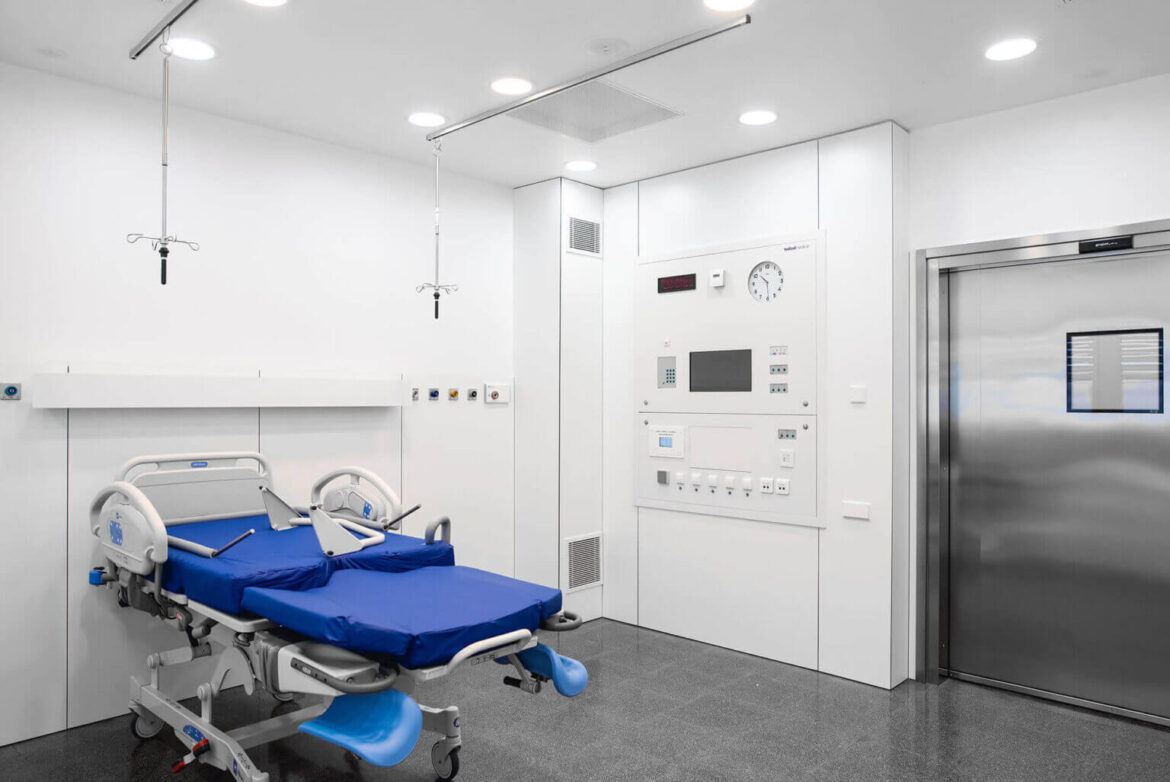
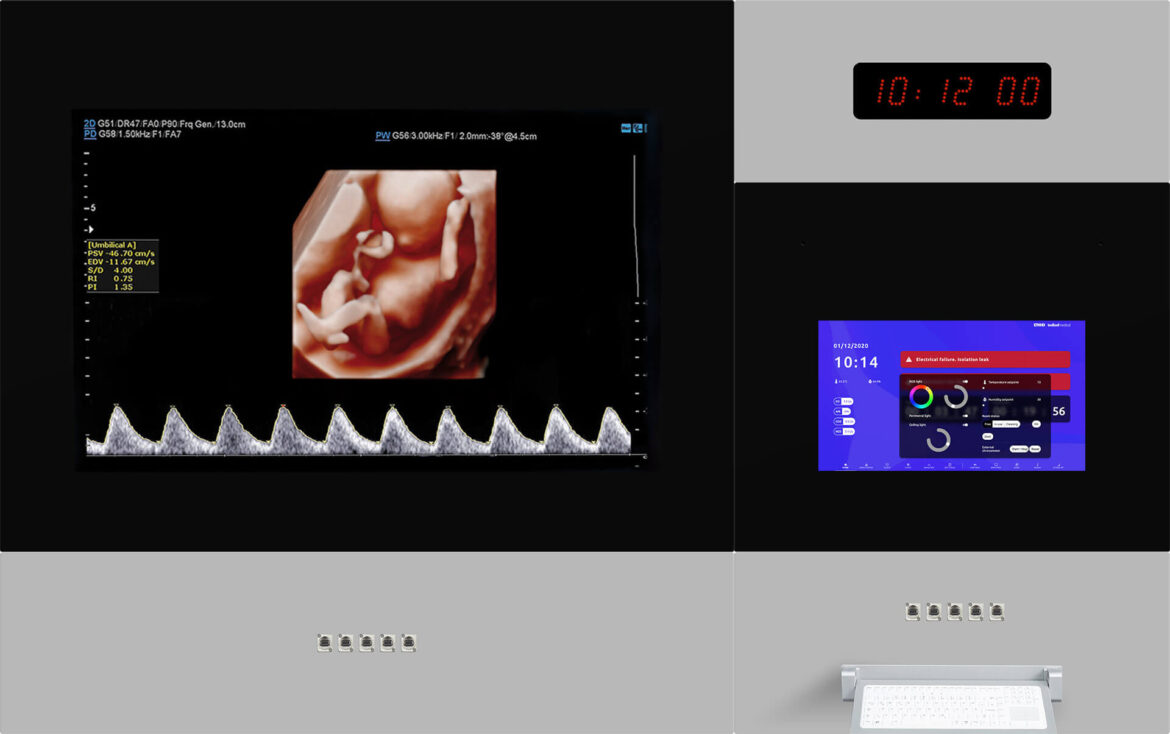
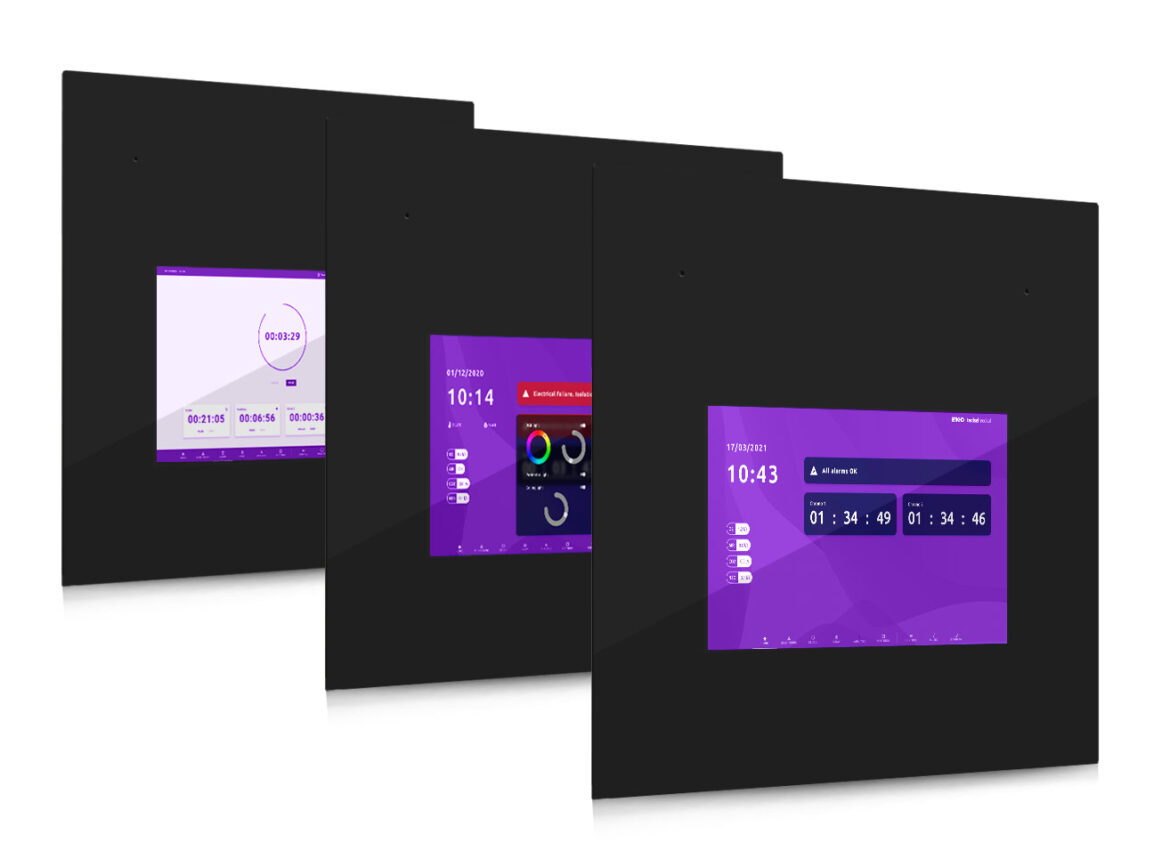
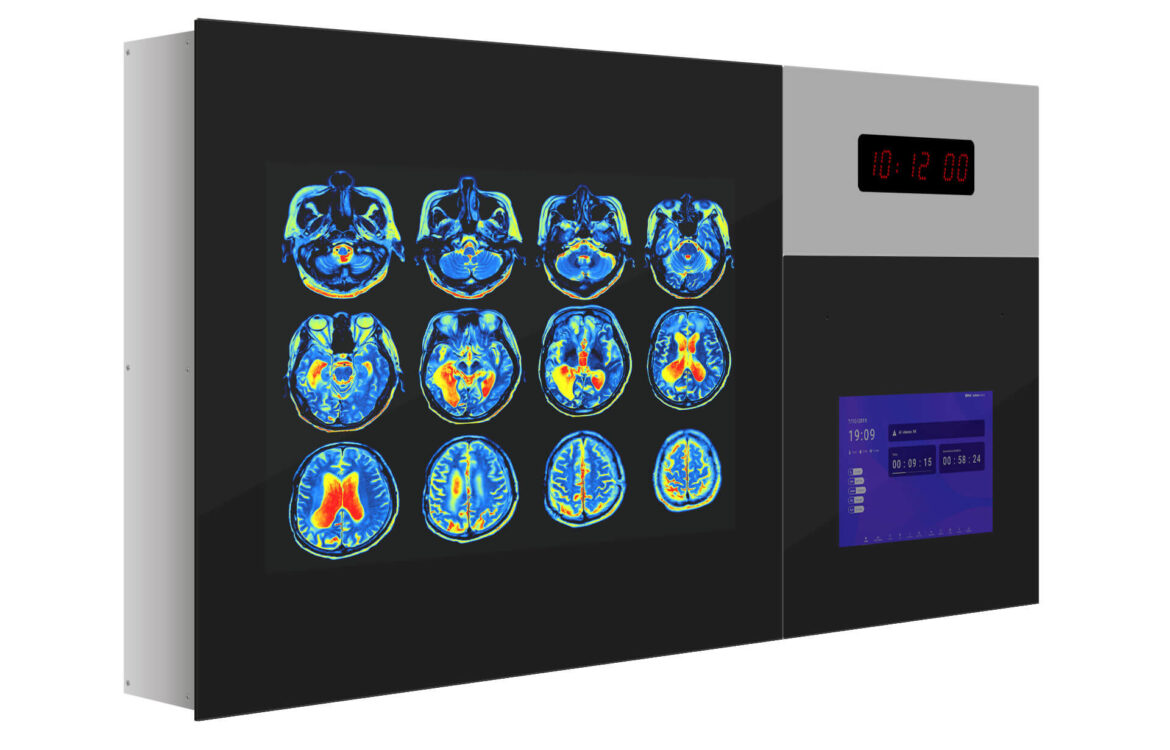
OR centralization systems like our Q-PANEL and DIAMOND models have been developed to simplify and optimize the operating room, unifying data and providing access to video and controls for all devices through a central panel. This allows perioperative staff to efficiently perform various tasks without the need to extensively move around the operating room, while ensuring optimal patient safety.


Optimizing Patient and Staff Care: The Crucial Role of Efficient Workflow in the Operating Room and ICU


Surgical Optimization with Tedisel Technical Panels

The introduction of centralization systems in operating rooms with our innovative technical panels, such as the Diamond model and the Q Panel, brings notable benefits for medical work optimization. This approach allows the medical team to perform a greater number of interventions in the same room, eliminating the need to transfer material or personnel between different spaces, a common practice in conventional operating rooms. The advanced functionality of our panels significantly enhances safety, efficiency, ergonomics, and productivity in hybrid operating rooms.

Specific advantages include:

  • Quick Access to Crucial Information: Our panels ensure quick access to crucial information (Hermes Software), without typical distractions or interruptions.
  • Flexibility with Control: Q Panel controls allow easy room reconfiguration, adapting front doors to different elements, features, and accessories as per specific needs.
  • Efficiency in Preparation and Cleaning: Simplification of equipment connection and disconnection between interventions streamlines preparations and cleaning.
  • Customized Design for the Operating Room: The installation and arrangement of our equipment are meticulously designed to meet the specific needs of the operating room, providing solutions that enhance the overall effectiveness of the surgical process.


Clínica Girona


Hospital Distrital Beja (Portugal)


In summary, optimizing workflow in the OR and ICU emerges as a critical factor directly impacting patient safety and outcomes. Tedisel’s outstanding contribution in this field is manifested through a variety of meticulously designed models to adapt to the complexities of contemporary hospital environments. Tedisel’s implementation of advanced technologies not only simplifies procedures but also enhances the overall effectiveness of the surgical process, setting a standard for a future of more efficient and safer healthcare. Ultimately, Tedisel’s constant pursuit of excellence reflects its commitment to continuous improvement in patient care and the medical staff experience in the hospital environment.


Read more
26Jan

Join Tedisel Medical at Arab Health Exhibiton 2024

January 26, 2024 tedisel Fairs, Medical equipment

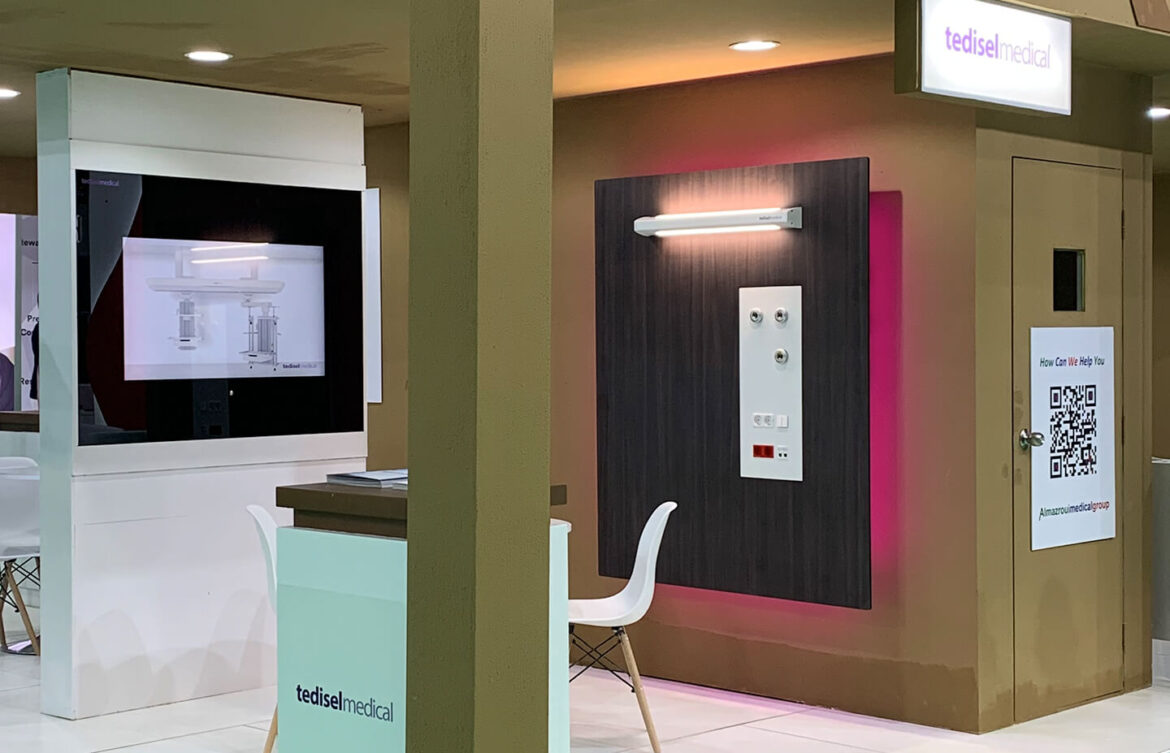
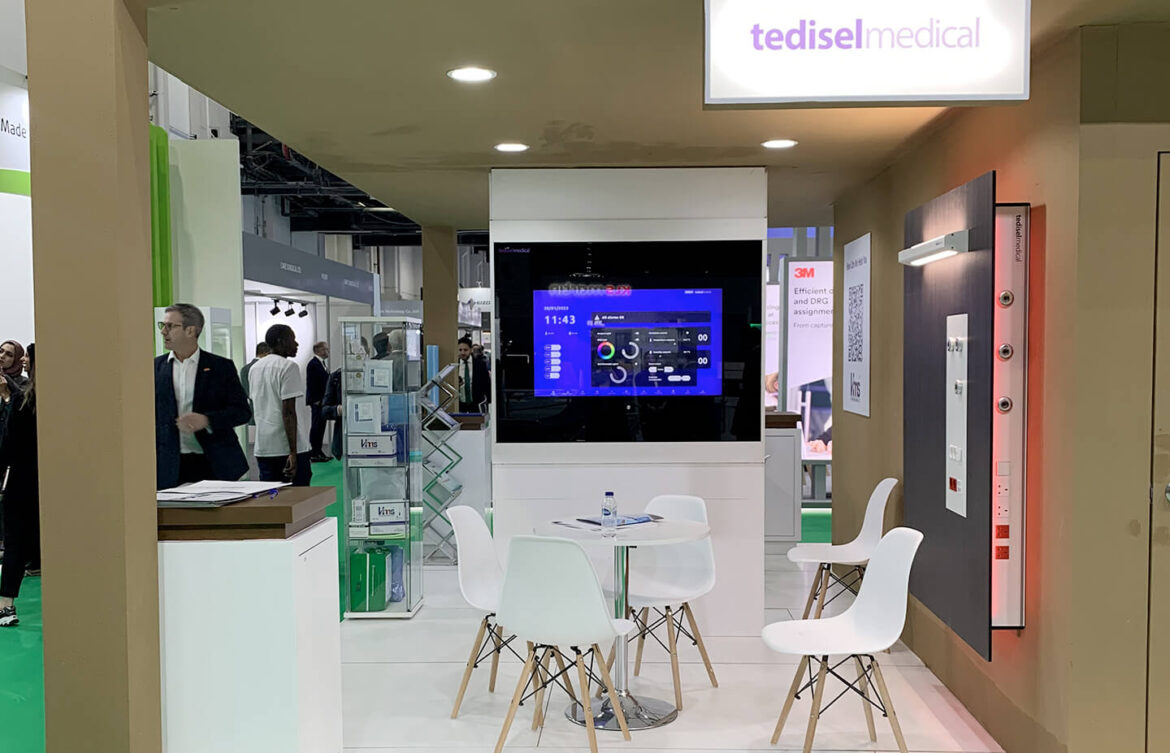
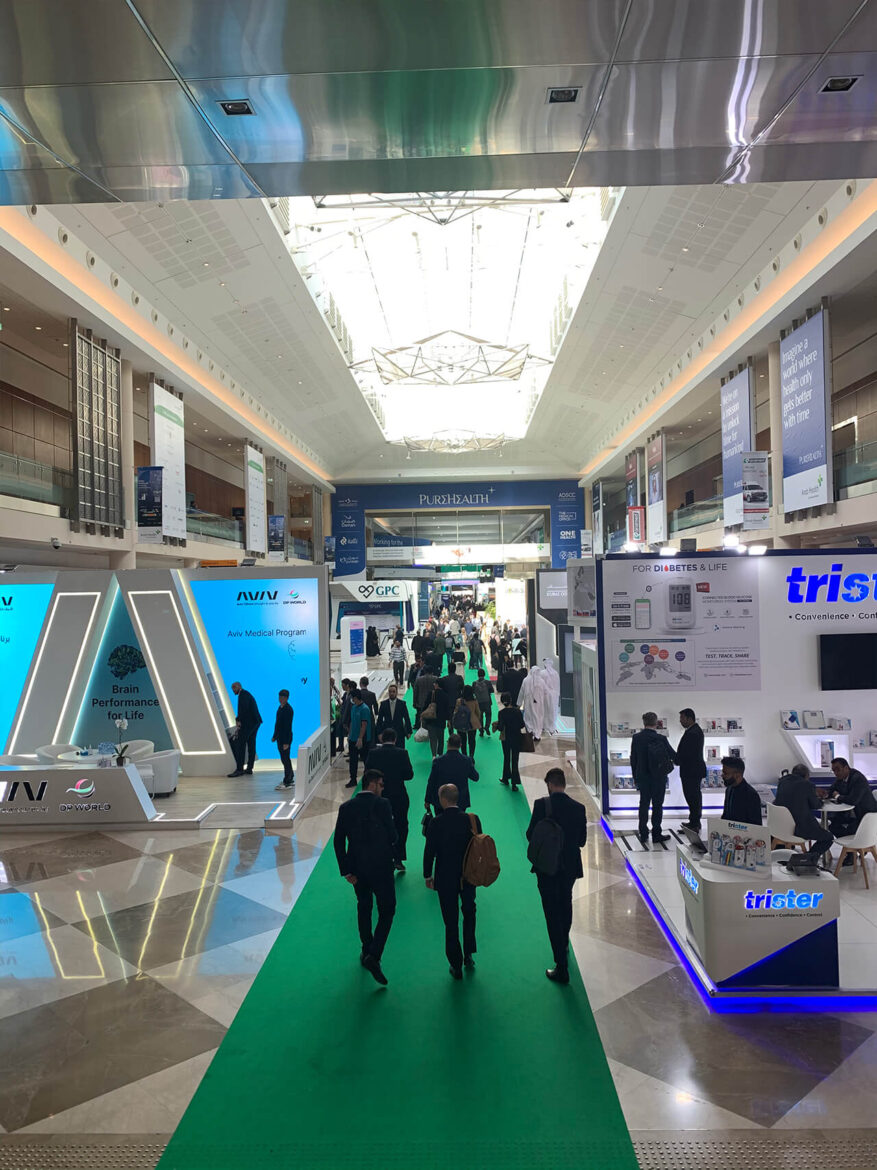
The Arab Health Exhibiton 2024, the most prestigious fair in the hospital sector worldwide, is already warming up for a new edition that is expected to be more crowded and successful than ever.

The event will be held again at the Dubai World Trade Center and Tedisel Medical will repeat its presence one more year.


Join Tedisel Medical at Arab Health Exhibiton 2024


Once again, we will be delighted to be part of this event, undoubtedly one of the most important health and medicine fairs in the world – only surpassed by the Düsseldorf Medical Fair -, and which also celebrates half a century of life this year.

As a preview, we invite you to discover more about this revolutionary event that defines the future of global healthcare.


What awaits us at Arab Health 2024?

Everything indicates that Arab Health will surpass itself once again, bringing together more than 3,000 exhibitors and receiving more than 80,000 international visitors from 60 countries, covering a wide range of sectors such as electro-medical equipment, clinical furniture, pharmacy, personalized healthcare, insurance doctors, telemedicine and health tourism.

In addition to the exhibition, an extensive program of medical conferences of different specialties and disciplines is held in parallel, with thousands of professional delegates.


The latest innovations in hospital equipment

With the development of medical digitalization, and always with the objective of improving hospital management and providing centers with the best high-quality medical resources, the commitment to innovation in hospital equipment has become a fundamental pillar.

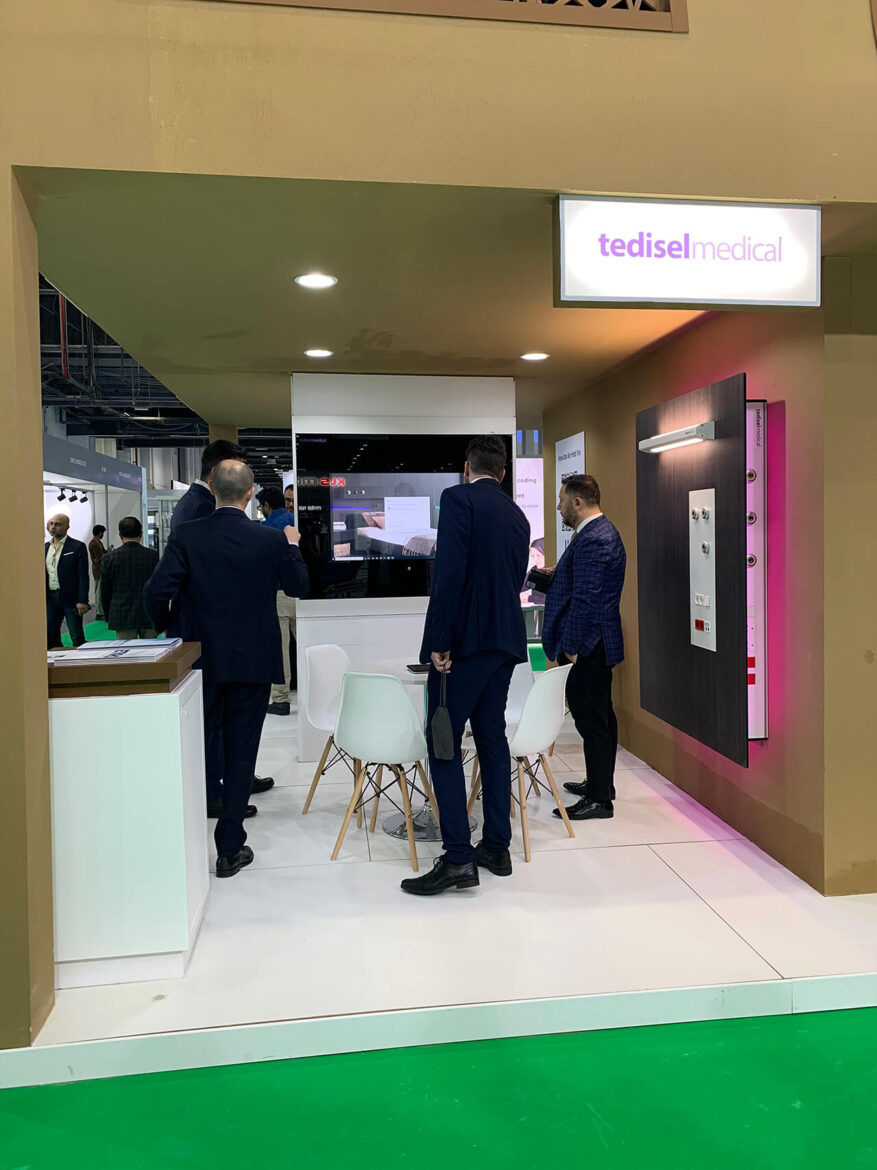
Tedisel, as a supplier and manufacturer of medical devices and solutions in Barcelona, will once again exhibit the best of its wide range of devices at Arab Health 2024.

“We will show comprehensive solutions for hospital rooms, which provide a significant improvement in the efficiency of healthcare personnel, promote updates to hospital management and ultimately support intelligent innovation to provide better medical care.”


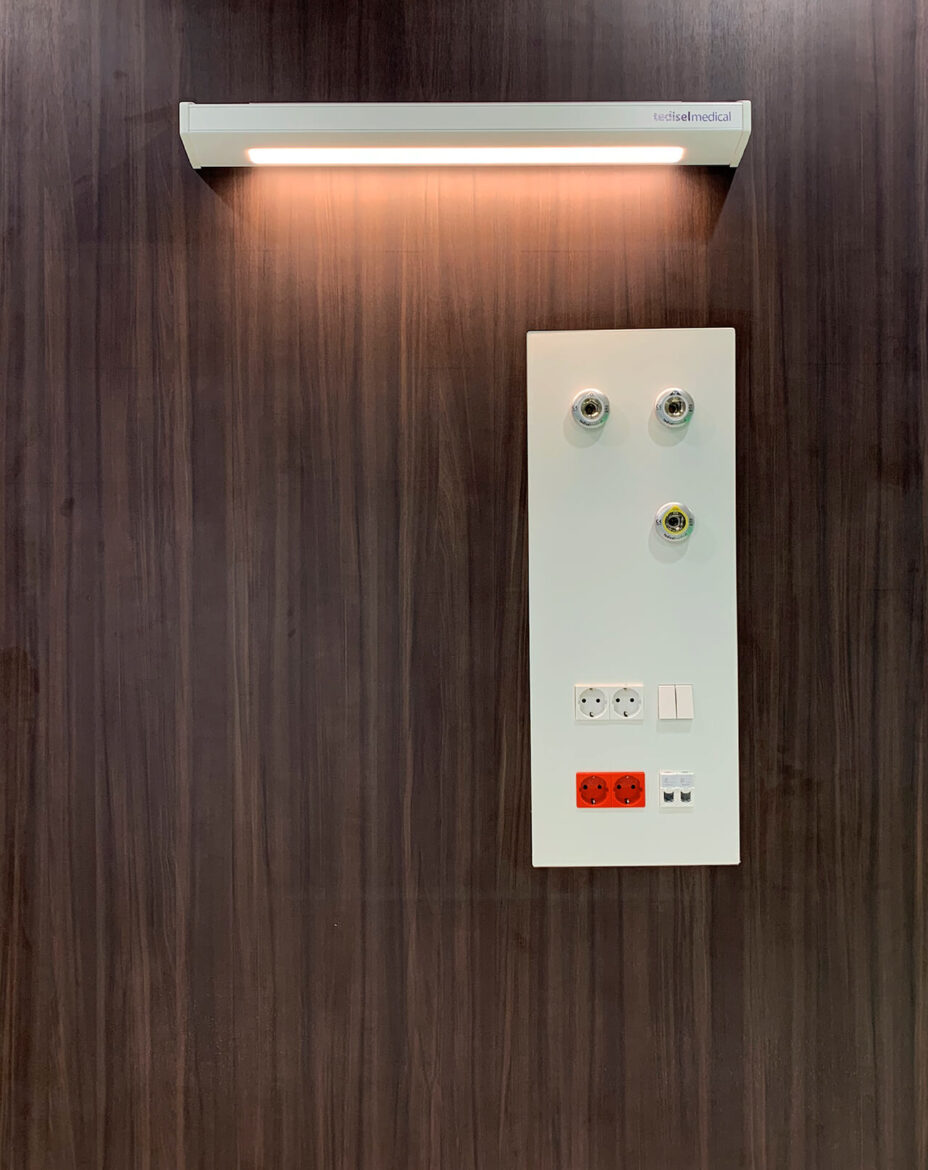
At the Tedisel Medical stand, visitors will be able to stay up to date with the most cutting-edge technology in the hospital sector with our Diamond and Q Panel technical panels, as well as Hermes software. Hermes is the digital brain that allows you to centralize all controls and obtain data and analysis from the operating room or critical area.

This software is present in several hospitals around the world and is compatible with all our technical panels. In turn, these technical panels allow you to centralize all the necessary visual elements in an operating room or critical area.


Headboards and much more

Our Adonis, Ais, Antea, Aura, Aura Light, Icarus and N270 headboards are our greatest asset in the market.

These hospital headboards, driven by improvements in hospital equipment, provide an optimized, intuitive environment in accordance with the space in which they are located.


In short, they are the best complement to hospital beds, creating a block designed and installed according to the type of patient who will use it and the medical specialty, floor or typology of the health center.

Here we leave you more detailed information and some projects carried out by Tedisel for hospitals throughout Spain, as well as our suspended solutions and pendants to create the perfect hospital room in terms of medical equipment.


Collaboration with ETKHO

Additionally, at the fair we will collaborate with ETKHO, a company with a presence in more than 20 countries that offers services, products and solutions to hospitals for their critical areas.

Together the electrical safety switch and the PLS.

Two key elements within the hospital electrical infrastructure that demonstrate Tedisel’s commitment to hospital safety.


See you at Arab Health 2024

We invite you to visit us at Arab Health 2024!

We are pleased to have our Collaborating Partners Item Oxygen and would like to thank them for being part of the next Arab Health Exhibition 2024 event together.

Find us at stand H3.C13 and don’t miss the revolution in hospital equipment led by Tedisel Medical.


Read more
10Jan

Tedisel’s Columns: innovation to optimize patient care and improve work efficiency

January 10, 2024 tedisel Hospitals, Medical equipment, suspended columns

Healthcare professionals universally understand the critical importance of treating patients safely and using proper techniques. However, it is vital to understand the real consequences when these practices are neglected.

“Healthcare institutions must prioritize the safety of their nursing staff. This involves adopting safe management practices and the integration of specialized medical teams, thus ensuring optimal care for all patients.”


Priority: Safety for Patients and Healthcare Professionals

What is Safe Patient Management really about? It’s about using the right hospital equipment and techniques to treat patients safely. The ultimate goal is to prevent injury to both the patient and medical staff. By implementing these practices, healthcare organizations can ensure that patients receive high-quality care while protecting the well-being of caregivers who work tirelessly to provide that care.

Emphasizing safe patient handling can significantly reduce healthcare worker injuries, decreasing the incidence by as much as 95%. To achieve this goal, healthcare organizations should integrate hospital assistive equipment designed to minimize physical strain on caregivers. These devices can be strategically placed in specific areas such as operating rooms or intensive care units, thus optimizing the work environment, and promoting the safety of everyone involved in patient care.


Efficiency and Ergonomics: Tedisel Medical's Ceiling Pendants
Hospital de Mataró – Motor Column


Efficiency and Ergonomics: Tedisel Medical’s Ceiling Pendants

Tedisel Medical Columns are a revolutionary innovation in the healthcare industry, available in motorized and non-motorized models. These ceiling pendants are integrated with a unique design that eliminates the need for ceiling tracks, offering space savings, room flexibility, and optimal ergonomics.

 Tedisel’s Column and Motor Column models are packed with interesting features:

  • Various ceiling fixings: direct ceiling fixing with rotation, single arm fixing, double arm fixing, and tandem fixation.  
  • Full-service head with electrical outlets and medical gases. 
  • Infection control measures, thanks to the use of antibacterial paint on demand. 
  • Wide range of accessories integrates two vertical rails that can be used to adapt different type of accessories. Moreover, we can easily add additional supports for the placement of other accessories when needed.
  • Braking options: electromagnetic, electro-pneumatic, and friction brakes. 
  • Possibility of integrating LED lights: direct, indirect and night light. 
  • Variety of lengths and specifications: we adjust the project to offer the best solution. 
  • Product finish customization according to specific needs: vinyl colors and anodization on demand.  


This integrated system not only improves patient outcomes but also optimizes efficiency and simplifies work processes for healthcare professionals.


Advantages of Tedisel Ceiling Pendants
MOTOR COLUMN – Motorized ceiling pendant


Advantages of Tedisel Ceiling Pendants

Ceiling columns offer a range of significant advantages. Firstly, they play a crucial role in promoting safe patient care practices, thanks to their innovative design that allows a rotational pivot of 350° at the fixation and 340° at the arms. Secondly, by eliminating the need for extensive manual labor, they not only ensure patient comfort and safety but also significantly reduce the risk of injury to staff. In addition, the Motor Column model includes both 20° and 40° vertical movement.  These features make ceiling columns an indispensable choice for improving both patient safety and staff satisfaction.


Tedisel Medical's ceiling pendants emerge as fundamental innovative medical equipment
Al Ihsan Hospital – Motor Column


Innovation, Safety and Efficiency in the Medical Field

Tedisel Medical’s ceiling pendants emerge as fundamental innovative medical equipment, offering effective solutions to the challenges encountered in this field. The seamless integration of the pendants in operating rooms and critical areas results in the creation of medical spaces that are not only safer but also more efficient. 
This integration leads to increased safety for both patients and healthcare workers, significantly reducing injuries to medical staff and the associated financial costs.

“Tedisel Medical doesn’t just reduce risk: it actively promotes a culture of safety in the workplace. By promoting safer environments, it increases the satisfaction of healthcare staff, improves the overall patient experience, and simplifies work processes.”


In addition, this pioneering innovation offers tangible benefits that translate into a substantial return on investment. By contributing to the financial sustainability of healthcare facilities, Tedisel Medical’s ceiling pendant system proves to be a smart and strategic choice.

 Why wait any longer to adopt this innovative and technologically leading-edge solution for your next healthcare project?


Read more
19Dec

Optimizing the Hospital Environment: A Compassionate Approach to Patient and Medical Staff Care

December 19, 2023 tedisel bed head units, Hospitals, Medical equipment

“We believe in environments that not only heal but also comfort and protect.”


Innovation in Hospital and Ward Design

Hospital design goes far beyond simple aesthetics. Hospital architecture has evolved by understanding the vital role that the environment plays in the recovery and well-being of patients.

It is therefore essential that the design of clinics and hospitals be innovative, creating spaces that not only ensure safety and comfort but also facilitate the work of healthcare professionals.

The impact of interior design in clinics and healthcare areas has undergone remarkable transformations in recent years. In the past, the focus of medical clinic design was primarily on functionality. While this remains crucial, equal importance is now given to generating well-being for users.

Recently, the design of hospital environments has been oriented toward eliminating the coldness and lack of personality associated with these places. Instead, priority is given to creating welcoming and friendly spaces that are at the same time safe and functional.


Optimizing the Hospital Environment: A Compassionate Approach to Patient and Medical Staff Care


Optimizing Spaces with Warmth and Efficiency

At Tedisel Medical, we provide innovative solutions such as the Antea and Ais models to create inviting environments that enrich empathetic rooms. We strive to support both medical professionals and patients by:

  • Promoting patient autonomy.
  • Preserving privacy and enhancing facility security.
  • Fostering social interaction and emotional support.
  • Offering greater comfort and ergonomics for an enhanced hospital experience.
  • Creating a sense of individual rooms tailored to each patient.
  • Making patients feel exceptional, cared for, and valued.
 

With our focus on well-being and efficiency, we transform confined spaces into environments that foster healing and comfort. In our continuous pursuit of hospital excellence, we advocate for hospitals that are warm, well-lit, and inviting. Empathetic rooms are just one aspect of our strategy to achieve the hospital ideal, contributing to the concept of Hospital 4.0.


Optimizing the Hospital Environment. Optimizing Spaces with Warmth and Efficiency. At Tedisel Medical, we provide innovative solutions such as the Antea and Ais models to create inviting environments that enrich empathetic rooms
AIS – Artistic Bed Head


Critical Material Selection in Hospital Environments: Durability, Safety, and Aesthetics

When it comes to hospital interior design, the choice of materials is crucial. They must be robust and able to withstand the wear and tear and intensive cleaning required in this environment. In addition, they must meet strict safety standards and be easy to clean to maintain optimum levels of hygiene. All our products have been rigorously tested to ensure the best results.

Nearly zero porosity and resistance to chemical agents are outstanding features of our materials. These properties, together with their repairability, neutral aesthetics and exceptional durability, make them ideal choices for the interior design of hospitals and healthcare facilities.

Ease of maintenance is also crucial, as this careful choice not only ensures longevity and safety, but also contributes to a more welcoming and aesthetically pleasing healthcare environment.


“We are committed to excellence in every detail to deliver hospital spaces that are not only functional and safe, but also aesthetically pleasing to patients and professionals alike.”


Critical Material Selection in Hospital Environment: Durability, Safety, and Aesthetics
AIS – Artistic Bed Head


Designing Caring Environments

Our primary goal in hospital design is to create a space that is comfortable and secure for everyone. We not only focus on functionality and safety but also recognize the direct influence spaces have on the emotional well-being of patients and hospital staff. 

At Tediselmedical, we are dedicated to creating and designing projects that promote this sense of well-being. We customize our products for each type of room, enhancing environments where every user feels cared for and protected.

Discover How Tedisel Transformed Latorre Hospital in Soria, Spain, by Installing Custom AIS Headboards. This innovative project added an architectural and design touch to the hospitalization areas, offering a more pleasant experience for patients.


“As we move towards the future of hospital design, our mission is clear: to seek innovative and sustainable solutions. We aim to provide the best for both patients relying on our care and the dedicated healthcare professionals. We believe in environments that not only heal but also comfort and protect.”


Hospital Latorre – AIS Artistic Bed Head


Read more
  • 1234
logo-tedisel-mini

An expert insight into medical equipment

SANT LLUC, 69-81 08918 BADALONA (BARCELONA · SPAIN)
+34 933 992 058  [email protected]

made_in_barcelona_OK_tedisel_medical
TUV_certificado_ISO

© 2025 Tedisel Iberica SL. All rights reserved.
Privacy Policy. Legal Note. Cookies Policy.