
Reinsberg Group
  • Technical Panel
    • Glass Panel
    • Q Panel
  • Software – Hermes®
  • Ceiling Supply Unit

      • Motorized Column
      • Non-Motorized Column
    • S-Column
    • Abitus
    • Ares
    • Atlas
    • Tor
  • Bed Heads
    • Adonis
    • Ais
    • Antea
    • Aura
    • Aura Light
    • Icarus
    • N270
  • Projects
  • Tedisel Medical
  • News
  • Contact
  • Private zone
© 2025 Tedisel Medical. All rights reserved.
Tedisel Medical Tedisel Medical
  • Products
    • diamond_menu_tedisel_medical

      Technical Panel

      Glass Panel
      Q Panel

      submenu-software-tedisel-medical

      OR Software

      Hermes

      submenu-unidad_suministro_techo-tedisel-medical

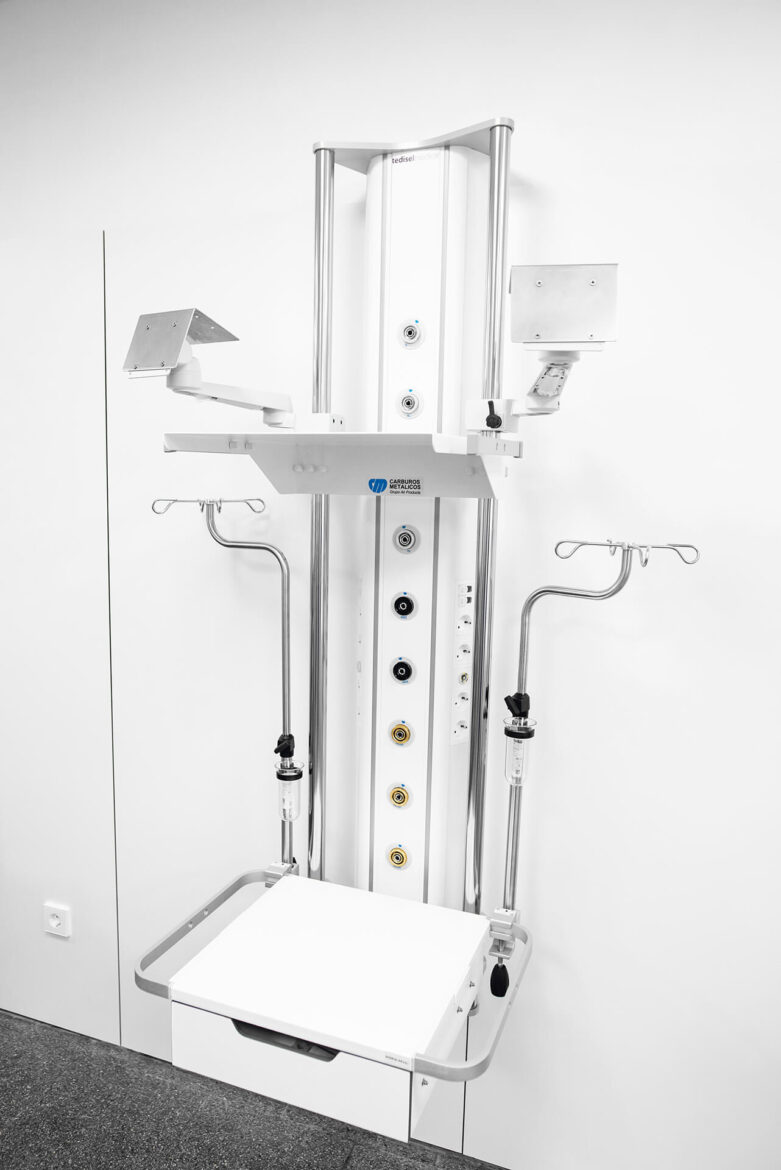
      Ceiling Supply Unit

      Column
      > Motorized
      > Non-Motorized

      S-Column
      Abitus
      Ares
      Atlas
      Tor

      submenu-cabeceros-tedisel-medical

      Bed Head Units

      Adonis
      Ais
      Antea
      Aura
      Aura Light
      Icarus
      N270

  • Projects
  • Tedisel Medical
  • News
  • Contact
  • LOGIN
  • Products
  • Projects
  • Tedisel Medical
  • News
  • Contact
  • LOGIN
En
  • Spanish
  • French
  • Portuguese
Sign in

Sign in

Tedisel Medical
En
  • Spanish
  • French
  • Portuguese

tedisel

14Dec

The importance of health information systems

December 14, 2022 tedisel Hospitals, Medical equipment, Operating Rooms, Software

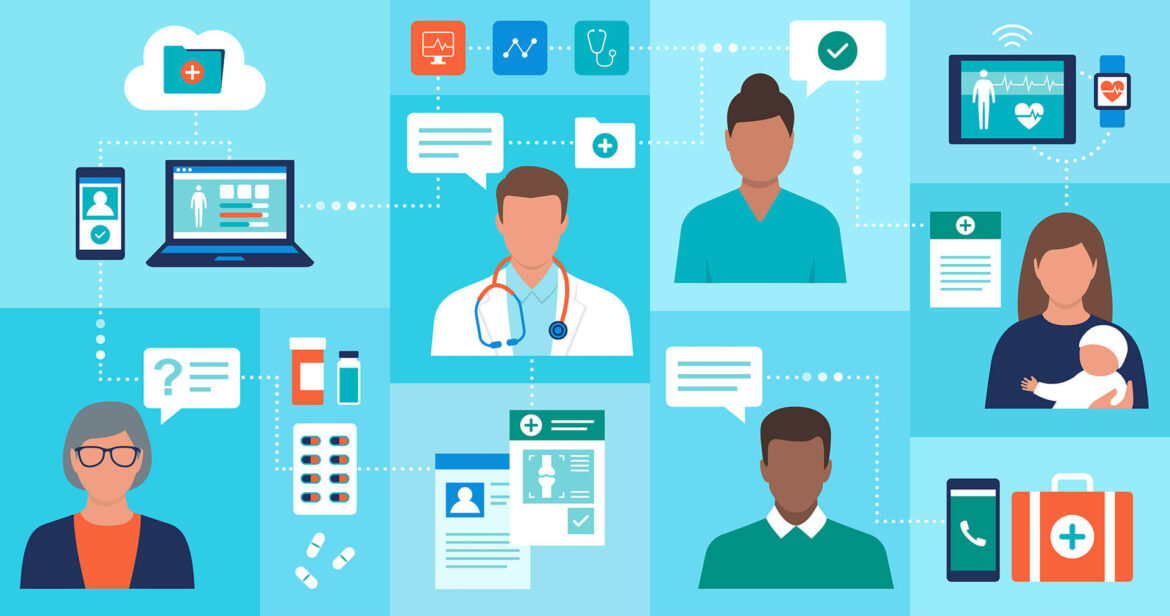
The changes and evolution in the patterns of habits and morbidity and mortality in developed countries has led to a modification and adaptation of health information systems in accordance with the real health problems of society.


What is a health information system?

The WHO defined a Health Information System (HIS) as “the structure for the collection, processing, analysis and treatment of information necessary for the organisation and activity of health services, as well as for research and teaching”.    

The HIS arose as a response to the need to establish a system for evaluating and monitoring the state of health of the population.  

It has always been defined as a tool for the collection, analysis, processing and transmission of the information necessary for the proper functioning and management of health and educational services. 

These systems vary in complexity, although they all have three common features; which are: 

  • Data collection
  • Processing 
  • Analysis and transmission of information 
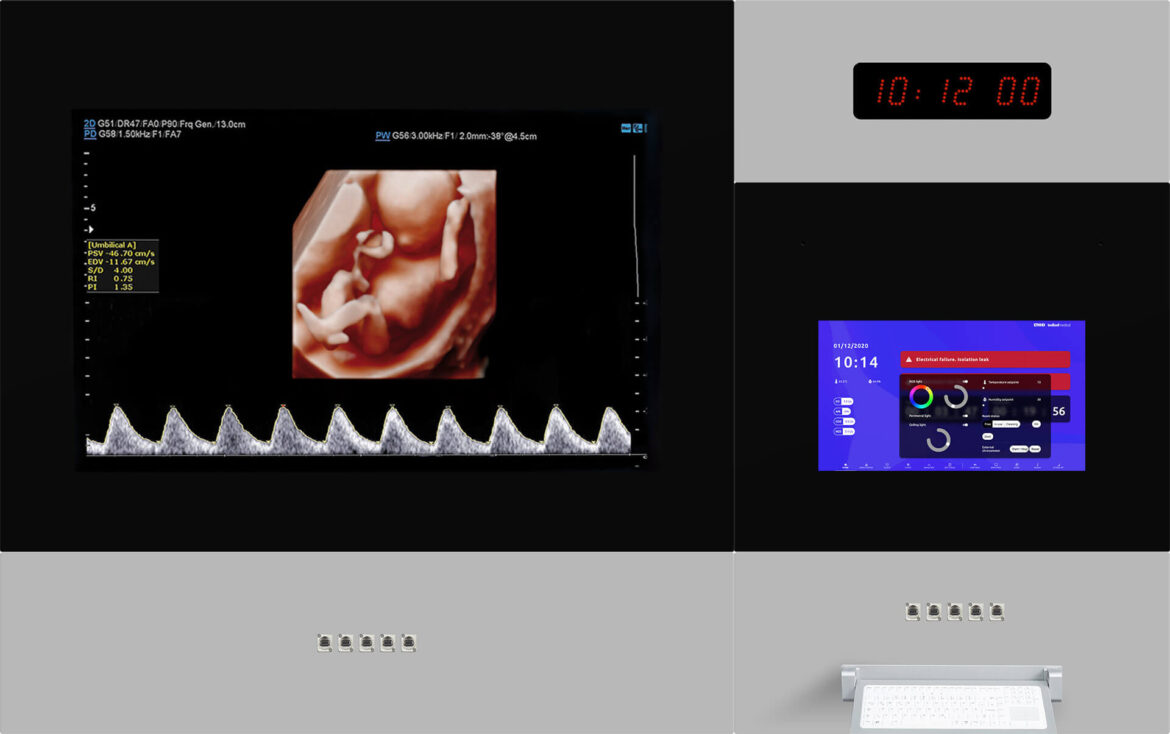


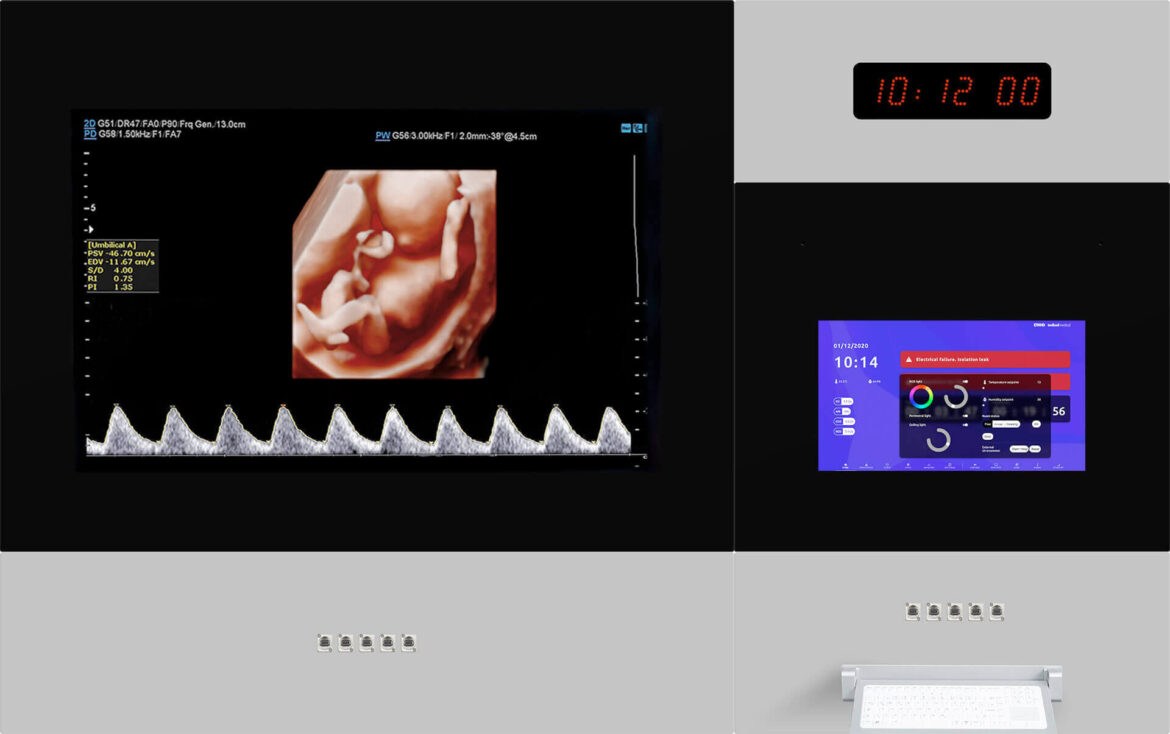
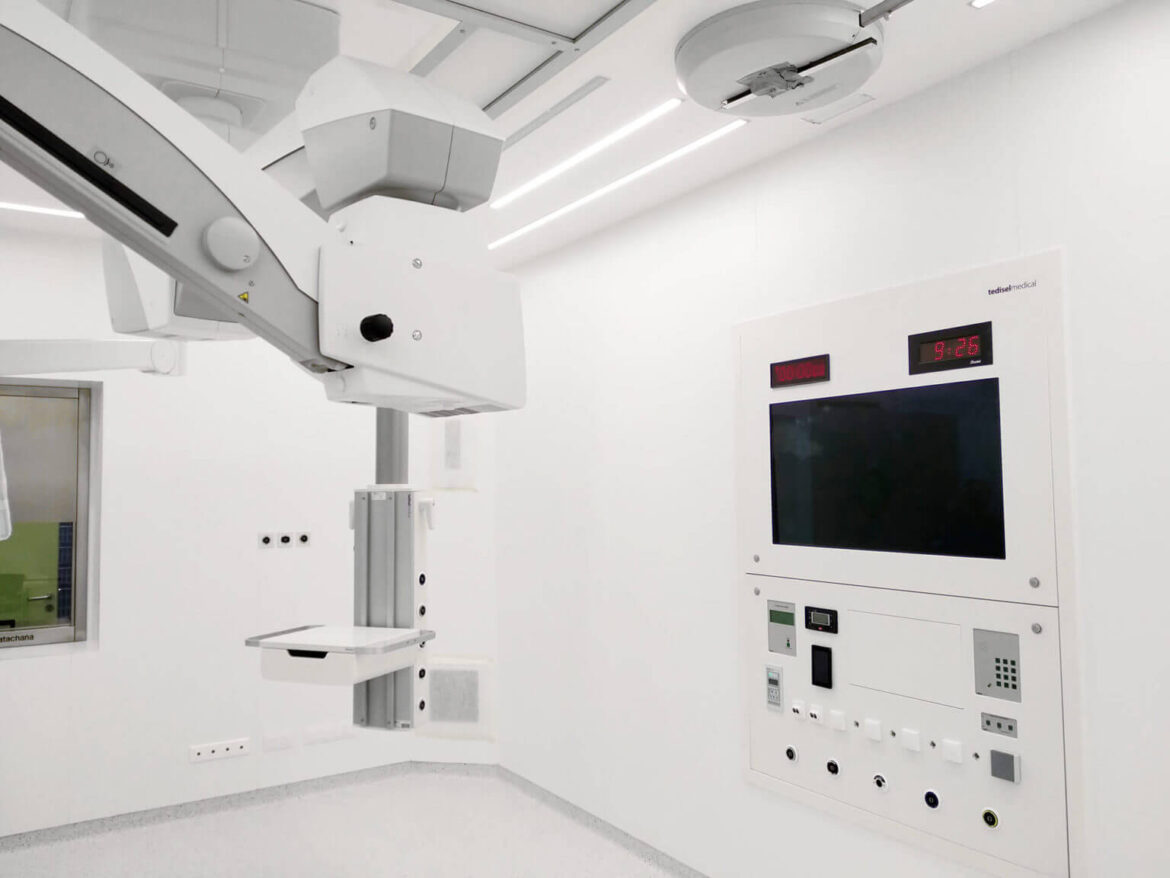
Sistemas de información sanitaria: nuestro panel de control DIAMOND con integración del software de control HERMES
DIAMOND Technical panel + Hermes Software


Purpose and uses of an information system

The main purpose of health information systems is to inform and intervene. The information should focus on assisting decision-making in health care settings. 

The information system not only generates a multitude of data, but is also able to provide the right information to the right person in a timely manner.  For this, it is necessary that all information is well organised, accurate and accepted by the different actors in the system. 

Each system responds to a specific need. However, in general, they are useful for:


  • Evaluating health programmes that promote the principles of equity, effectiveness and efficiency, in addition to health planning. 
  • Manage health services in pursuit of utilisation and rationalisation of available resources. 
  • Investigate and create aetiological hypotheses.
  • Understand the health status of the population through epidemiological surveillance of diseases and risk factors. 


Benefits of implementation

The implementation of these systems additionally offers a number of benefits for healthcare workers, as they: 

  • Promote the efficient use of economic resources. 
  • Improve clinical patient care, reducing potential errors that may occur.
  • Speed up the flow of information, making it more reliable and complete.
  • Allow healthcare professionals to make appropriate decisions.


In this case, one of the great advantages of these systems is the possibility of organising and storing information to facilitate full access to it. This means a significant improvement in productivity, thus avoiding the repetition of tests due to lack of information. 


HERMES® Control software

At Tedisel, we believe in the importance of good information management in order to improve the quality of healthcare.

That is why we offer the Hermes® Control software

A digital brain that allows to centralize all the controls to obtain data and analysis of the operating rooms or surgical areas.
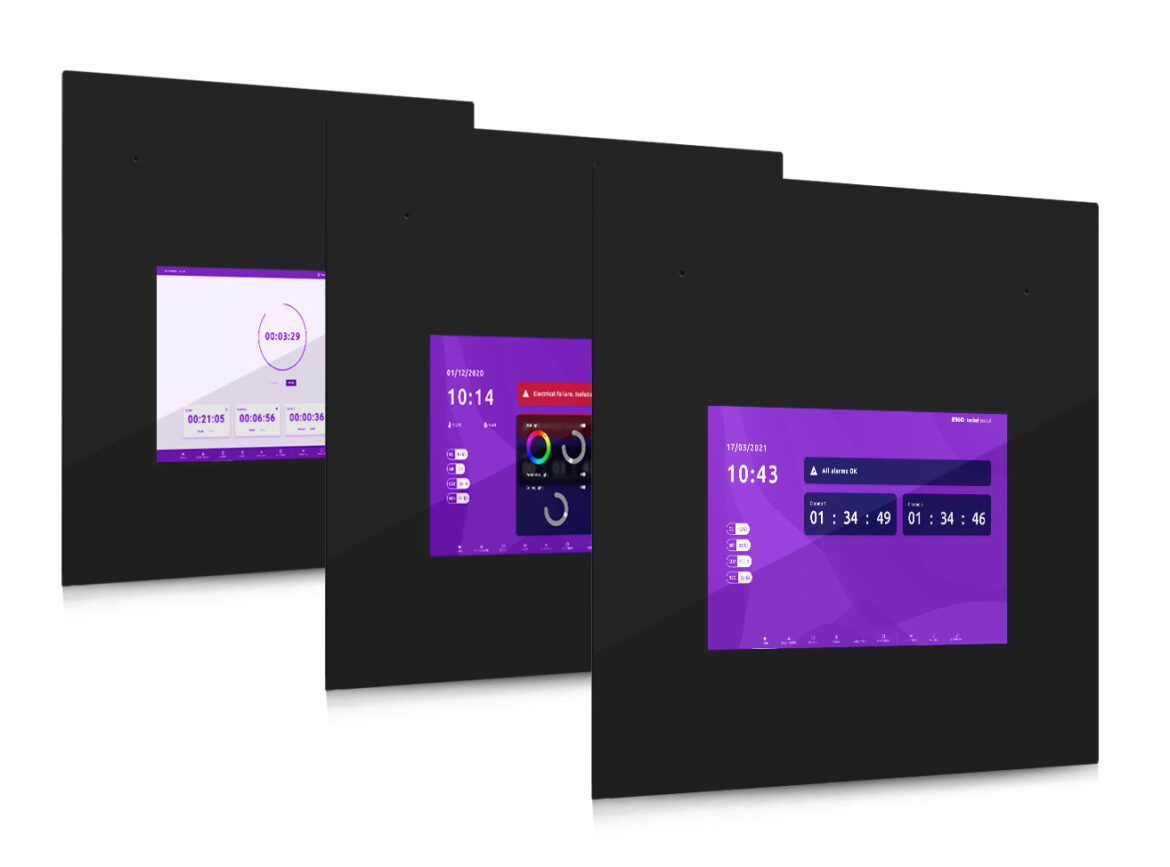
 

Sistemas de información sanitaria: la utilidad de nuestro software de control HERMES®

This is already present in several hospitals around the world and allows: 


Intelligent data analysis
It monitors the operating theatre and provides it with all the necessary data for optimal and economical use.

Centralised overview
It allows you to manage the operating room controls and displays from one place.

Easy operation
With its intuitive interface, all functions can be accessed at the touch of a button.


“Health information systems are a great help in the planning and management of information in healthcare establishments. They also make it possible to economise on economic resources for the smooth running of the hospital by carrying out studies on the quality and efficiency of the care provided. “
 

Read more
29Nov

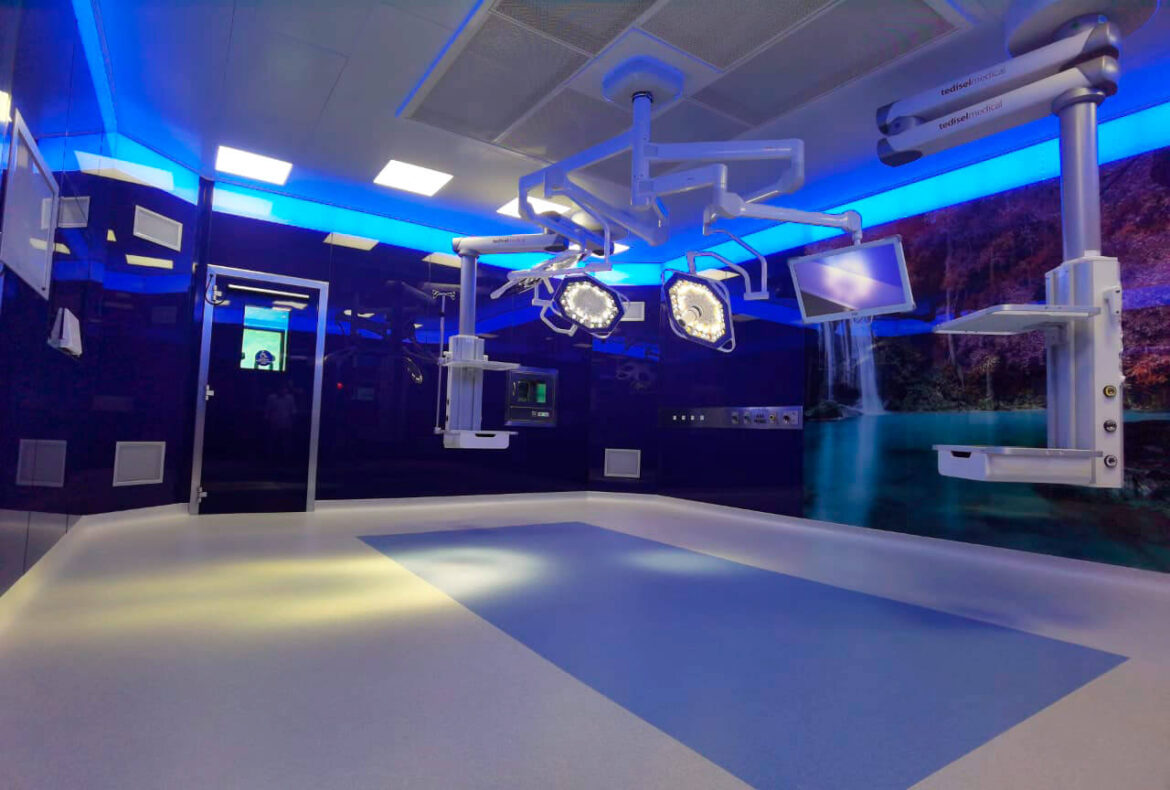
Tedisel Medical in operating theatres

November 29, 2022 tedisel Medical equipment, Operating Rooms, suspended columns, technical panel

The main function in health care once a patient is admitted to an operating theatre is to give him all the care, containment and attention he needs during the course of the surgery and the first hours of recovery.  


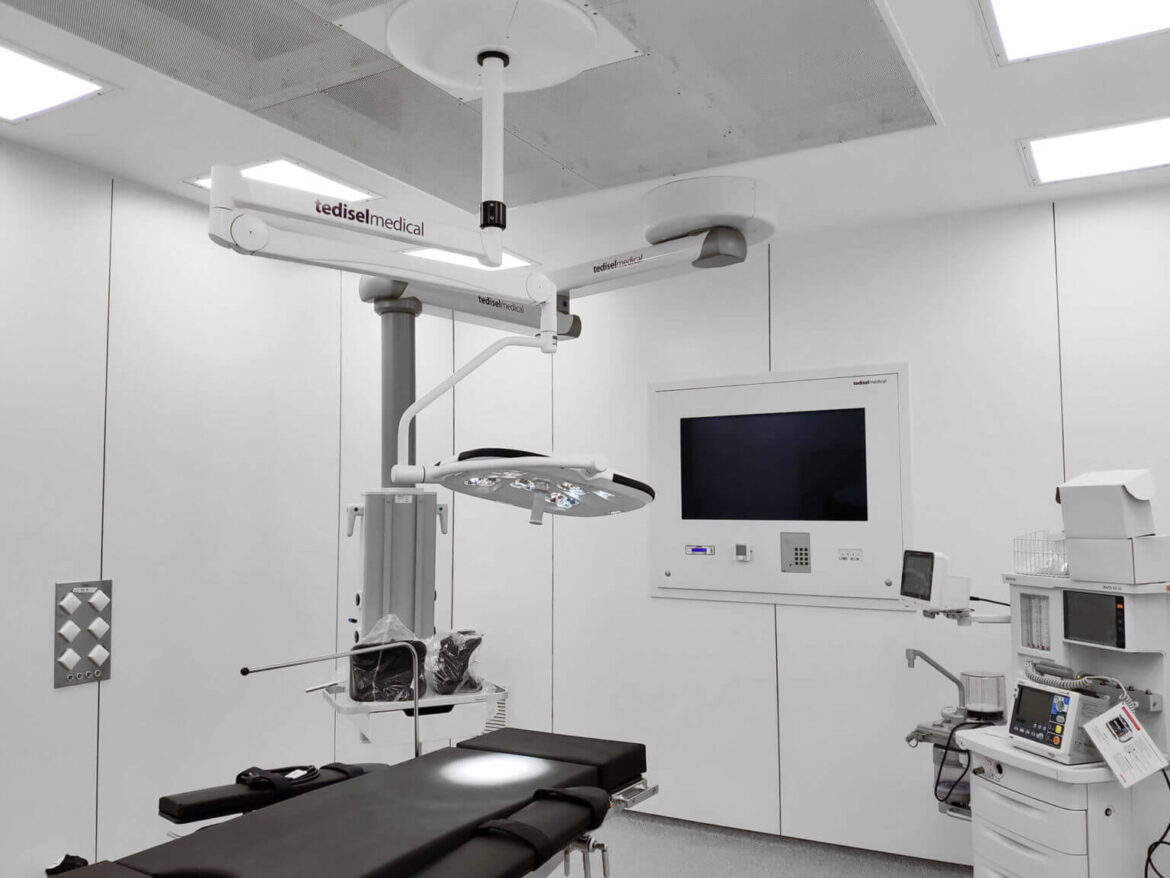
In this article, we talk about the main functions of an operating theatre, its elements and Tedisel Medical’s participation in them.


Introduction to operating theatres

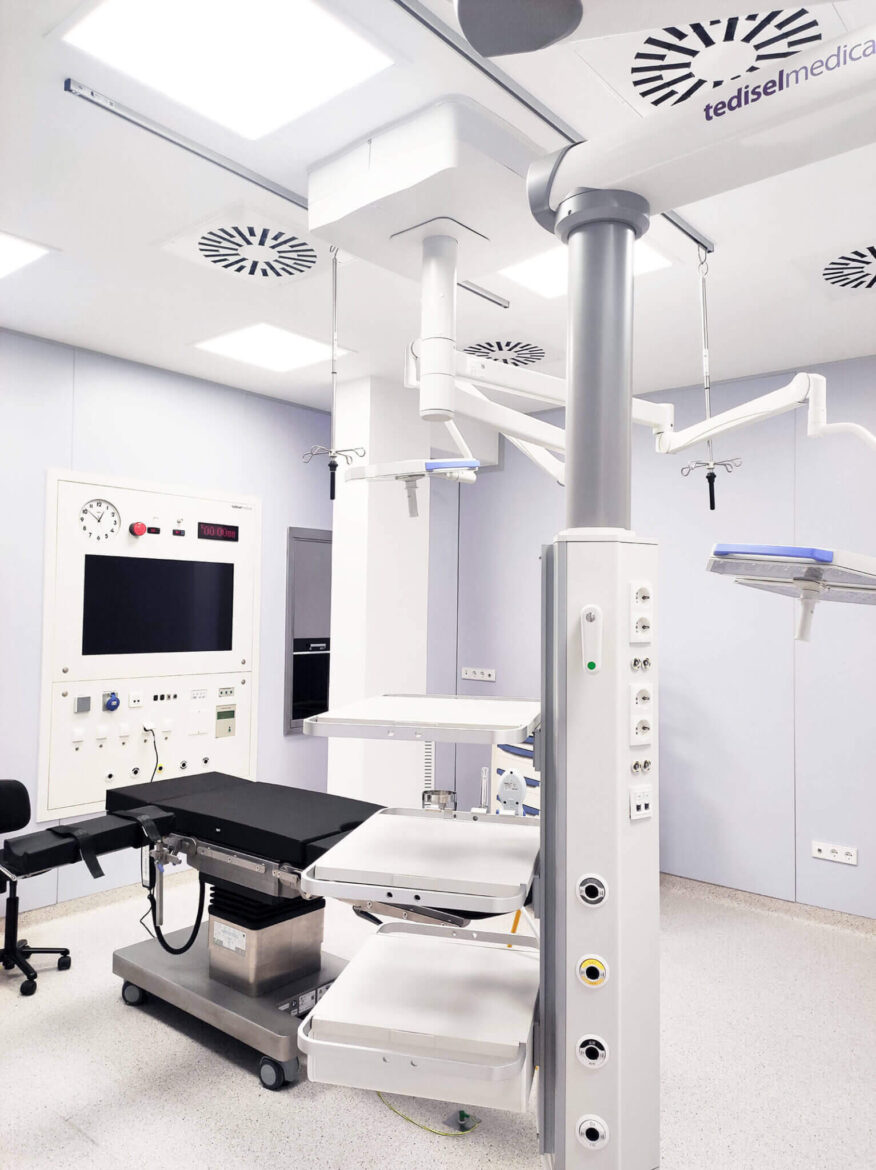
Operating theatres are surgical intervention areas located in a hospital, specially equipped for the practice of medical operations to patients, both in emergency and programmed actions. For this reason, they must be operational 24 hours a day, seven days a week.   

It is essential that the space that makes up the operating theatre is strictly enclosed, independent from the rest of the hospital area by a series of separators that allow for global and individualised patient care.  A team of healthcare professionals will be in charge of preventing any type of spread or infection to other areas of the hospital.


Equipment of a modern operating theatre
Centro Médico PROCREAR. Reus (SPAIN)


Equipment of a modern operating theatre

The amount of equipment, tools and materials in operating theatres depends on the type of intervention planned. However, there are groups that should be present at all times. 

These medical equipment are indispensable devices for all types of hospital environments, and crucial to safeguard the operation, and the life of the patient in hospitals. Among them are the following:

  1. ECG machine
  2. Stress systems
  3. Electrosurgical units 
  4. Surgical lamps
  5. Diagnostic ultrasound
  6. Surgical tables and patient beds 
  7. Sterilisers
  8. Defibrillators
  9. Patient monitors
  10. Temperature and humidity meters
  11. Air heater
  12. Table control


The success of operations: lighting

The most important thing in order to haver a complete operating theatre is to be fully integrated with the best equipment. However, there are a number of requirements and conditions that must be met in order to achieve excellent productivity and safety for both patient and practitioners. 

The success of surgical interventions depends on the environment in which the professionals work. In this sense, the lighting system is a fundamental factor in improving conditions in such critical work. 

This lighting system is made up of various types of lamps, where we can highlight mainly the ceiling installation lamps and even floor lamps. 

Thanks to them, it is guaranteed that proper visibility is maintained throughout the operating theatre, without generating any type of glare, and avoiding eye fatigue for optimum medical performance. 


The most important thing in order to haver a complete operating theatre is to be fully integrated with the best equipment
Al Ihsan Hospital. Bandung (INDONESIA)


Equipment integration systems

Taking into consideration equipment integration systems in operating theatres is crucial to obtain a correct connection between various systems, providing efficiency in the work. A technology that allows the automation of the work and conceives a high safety for the patient and the professionals.  


Tedisel Medical. Equipment integration systems
Bless Clinic. Barcelona (SPAIN)


From Tedisel Medical we offer a set of systems that improve the integration of equipment, among them we highlight: 

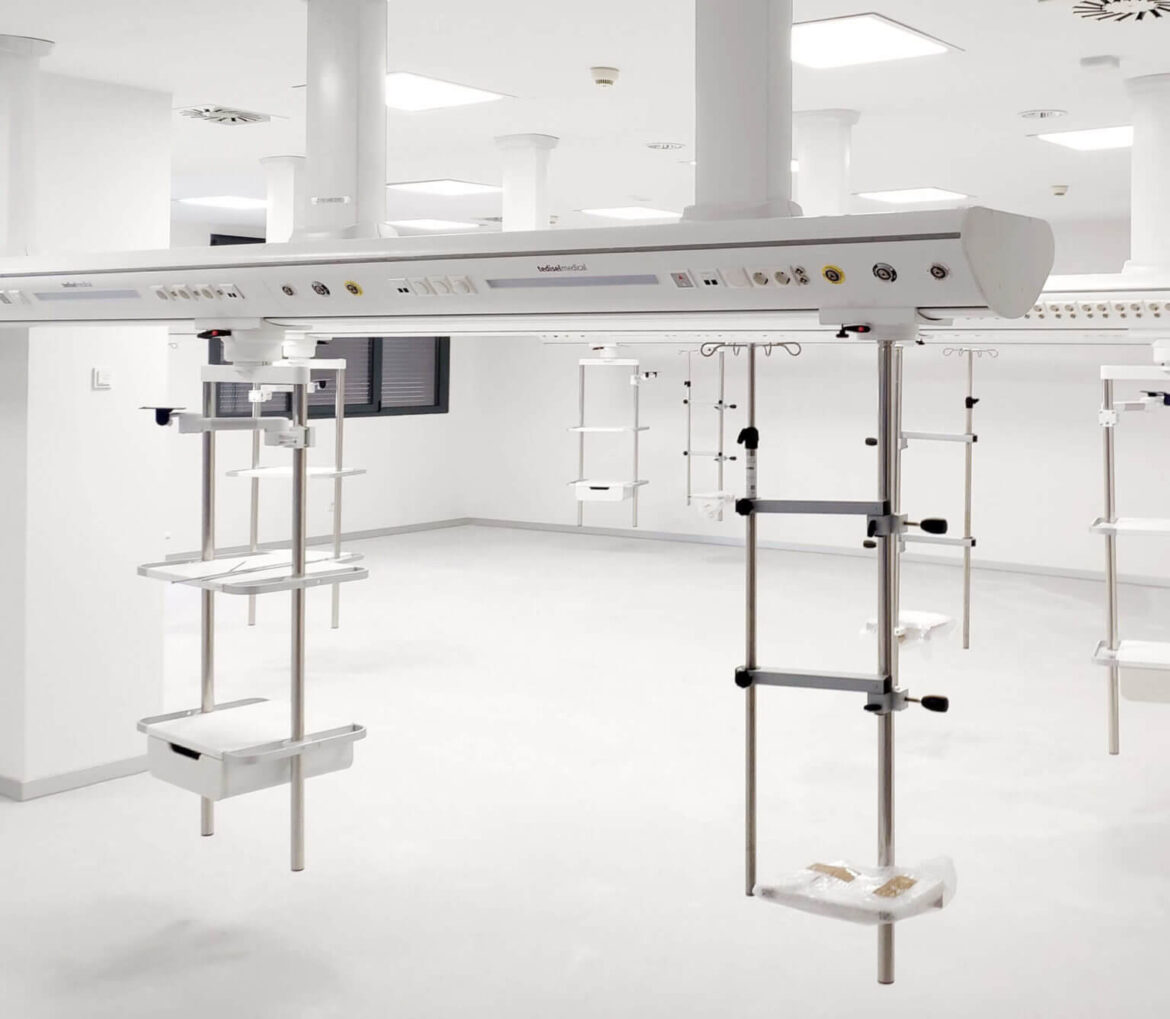
Suspended column systems also optimise space in operating theatres, guaranteeing a rapid response for medical staff and patients, providing ergonomic and safe interventions. In addition, the possibility of integrating a motorised system ensures better vertical movement, which together with its two rails can be used to adapt different types of accessories, such as trays, lamps, medical baskets and more. In addition, it is worth mentioning that there are different arms to provide the maximum mobility required in the operating room, bringing the material and accessories closer to the medical staff and the patient. 

Finally, we also have our control and display panels in Glass and Corian. These models allow the integration of different touch or display screens, electrical components, clocks and many other elements, which allow all the controls, elements and displays necessary for an operating theatre to be focused. In addition, the front doors can be adapted and adjusted to different elements, features and accessories. 


“All these systems allow the reduction of the use of electrical cables in the operating room, optimise space and improve the movement of equipment to meet the needs of the patient. “
 

This encompasses the main objectives of a fully equipped and secured operating room for optimal performance and safety capable of performing surgical operations. 


Read more
14Nov

The importance of technology in healthcare

November 14, 2022 tedisel Critical Areas, Medical equipment, Operating Rooms, Software, technical panel

The revolution we are experiencing in healthcare, especially in the wake of the pandemic, is the result of improvements in technology and digitization, whether for the design of hospitals, operating theatres, new intervention techniques, patient care… 


The commitment to innovation and technology for our well-being

The technology & innovation binomial is behind the paradigm shift in our health and well-being. 

Thanks to their mutual understanding, and with hospital engineering, Big Data, IoMT and 5G as a backdrop, we obtain millions of health care data every day, allowing us to reformulate health policies and make informed decisions. And by equipping healthcare workers with better tools, medical and care errors are being reduced like never before.

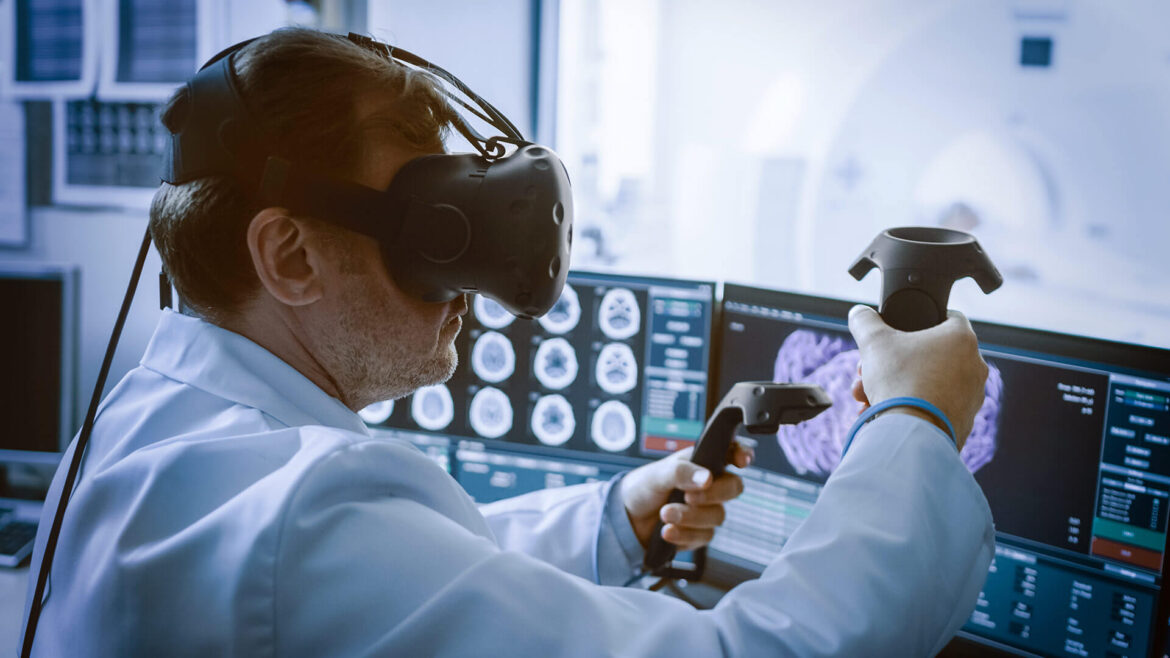
The use of innovative portable medical devices such as calorie or exercise trackers, oximeters, etc., together with the growth of telemedicine applications and platforms, virtual reality in health, robotic surgery or even artificial organs, represent a before and after in medicine.


Growth of telemedicine applications and platforms, virtual reality in health or robotic surgery


The Covid-19 pandemic as a driver of innovation in the health sector

One of the main consequences of the Covid-19 pandemic has been the drive for innovation in healthcare, promoting new and better technologies to tackle any healthcare challenge of this magnitude.

Whether out of obligation, necessity or a desire for cutting-edge innovation in healthcare, the COVID-19 pandemic has highlighted the need for innovative technologies that improve health outcomes, providing rapid solutions even in environments where infrastructure and resources are scarce. 


The telemedicine push

New methods and systems for health management and monitoring were catapulted during the collapse of healthcare facilities in the pandemic. 

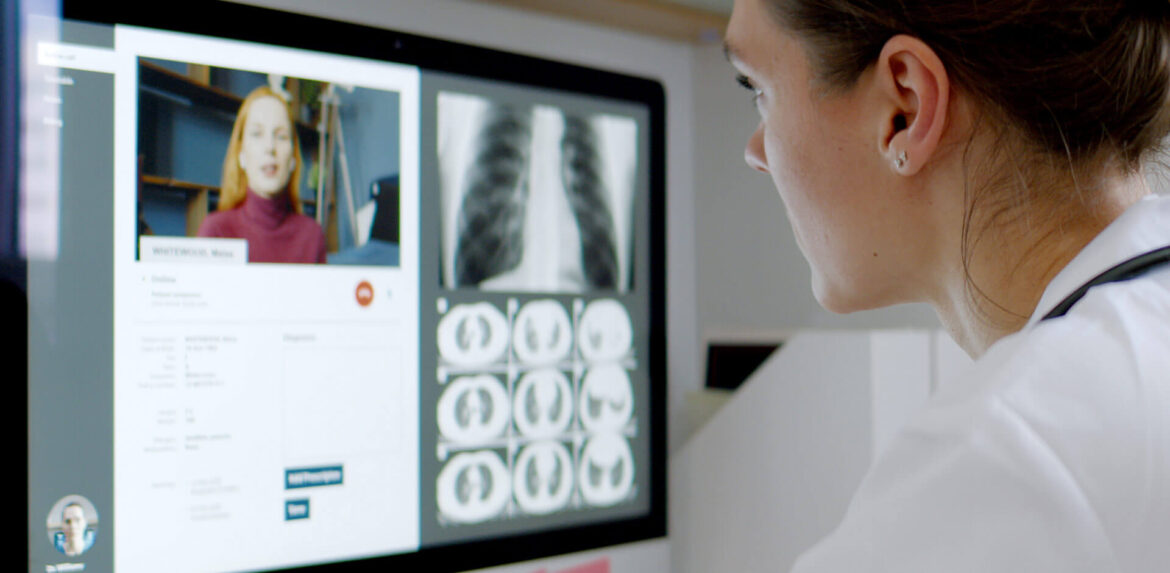
The enormous problems of face-to-face healthcare generated the need to promote telemedicine, an option that has opened up a new landscape of medical care and telematic monitoring. This is the use of ICT (information technology) in remote healthcare, whether to diagnose, monitor or treat the patient.

Videoconferencing, the use of smartphone apps to monitor our health, remote procedures and other telemedicine tools represent significant financial and logistical savings for healthcare systems, facilitating personalised care at any time of day from a single platform. In addition, it reinforces security and the need for real and up-to-date information for patients with complicated health situations.  


“Video consultations, digital telemedicine kits and the use of artificial intelligence for diagnosis are a health trend that is here to stay.”


Telemedicine push


Robotic procedures: greater precision, efficiency and speed

Another of the fastest growing healthcare technology sectors is robotics. Robots have transformed surgery, simplifying times and deliveries or facilitating disinfection, as well as almost completely eliminating human error and allowing real, live interaction. 

Some of the portable medical robots are:

  • Surgical assisting robots: Help surgeons complete complex micro-procedures without making large incisions.
  • Cleaning robots: Disinfect hospitals and their areas. 
  • Diagnostic robots: Store hundreds of thousands of images to help diagnose disease.


“Thanks to artificial intelligence and 5G, robotic technology has entered the healthcare sector to take a fundamental and necessary step forward in hospitals around the world.”


Surgical assisting robots


Robotic intelligence and software advances

Advances in software are one of the mainstays of the increased use of intelligent robotics in hospitals. Proof of this are the Q Panel or Diamond technical panels, which allow centralised control of the operating theatre, or the Hermes software itself, the digital brain to centralise all controls and obtain data and analysis of the operating theatre or critical area.


Paneles técnicos Q Panel o Diamond


If you want to know more about our technical panels, critical area control software and the revolution they are part of together with IoMT in the healthcare sector, click here.

Read more
26Oct

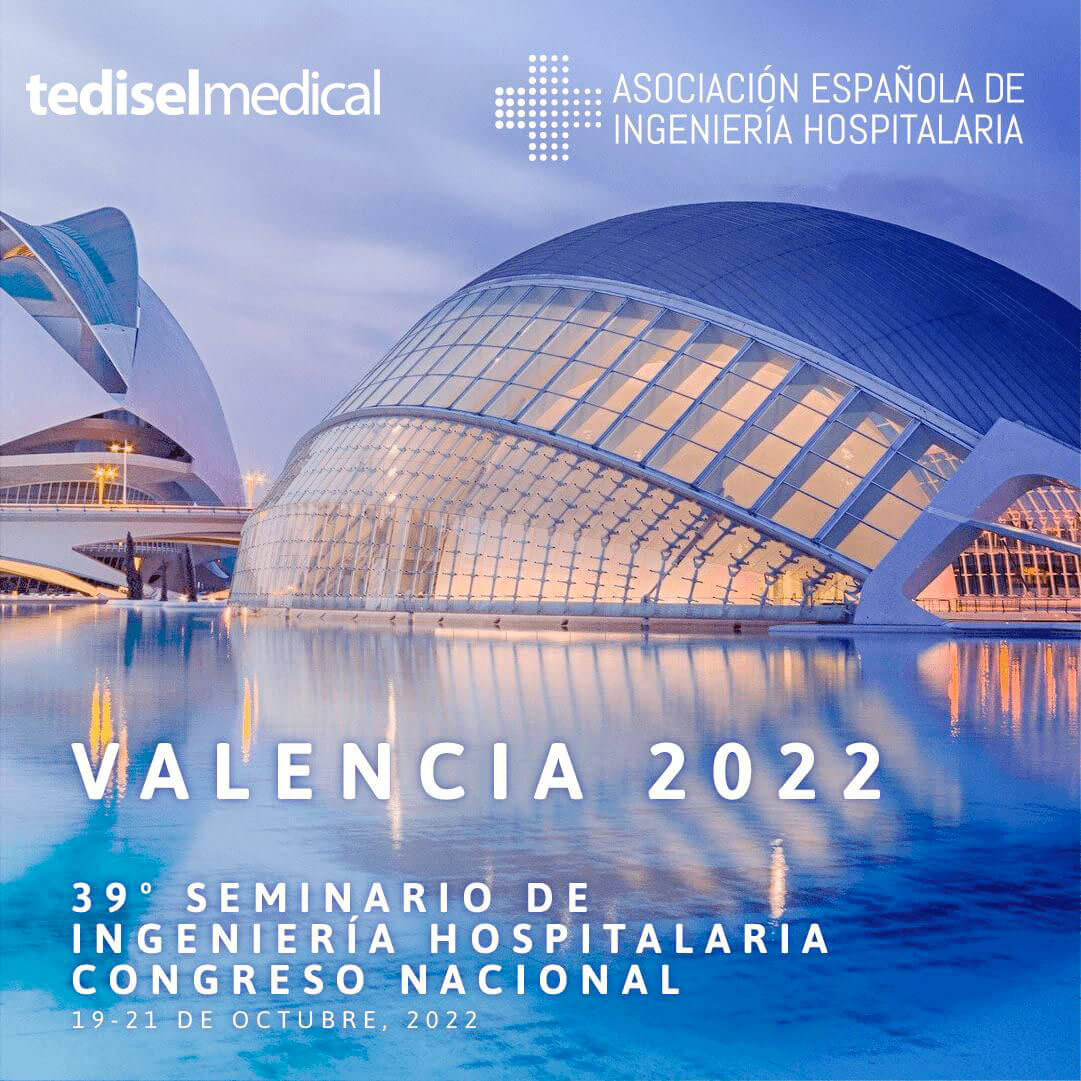
Tedisel Medical, in the 39th Seminar of Hospital Engineering of Valencia

October 26, 2022 tedisel bed head units, Fairs, Medical equipment

Tedisel Medical has been present in Valencia, from 19th to 21st October, to participate in the 39th Hospital Engineering Seminar – National Congress, organized by the Spanish Association of Hospital Engineering (AEIH).


#tediselmedical #seminarhospitalengineering #valenciacongress2022

This event, which took place at the Palacio de Congresos de Valencia, has successfully closed its 39th edition, bringing together again the most prestigious speakers of the sector with lectures and workshops that took place throughout the three days. 


Medicip Health and Tedisel, together in Valencia

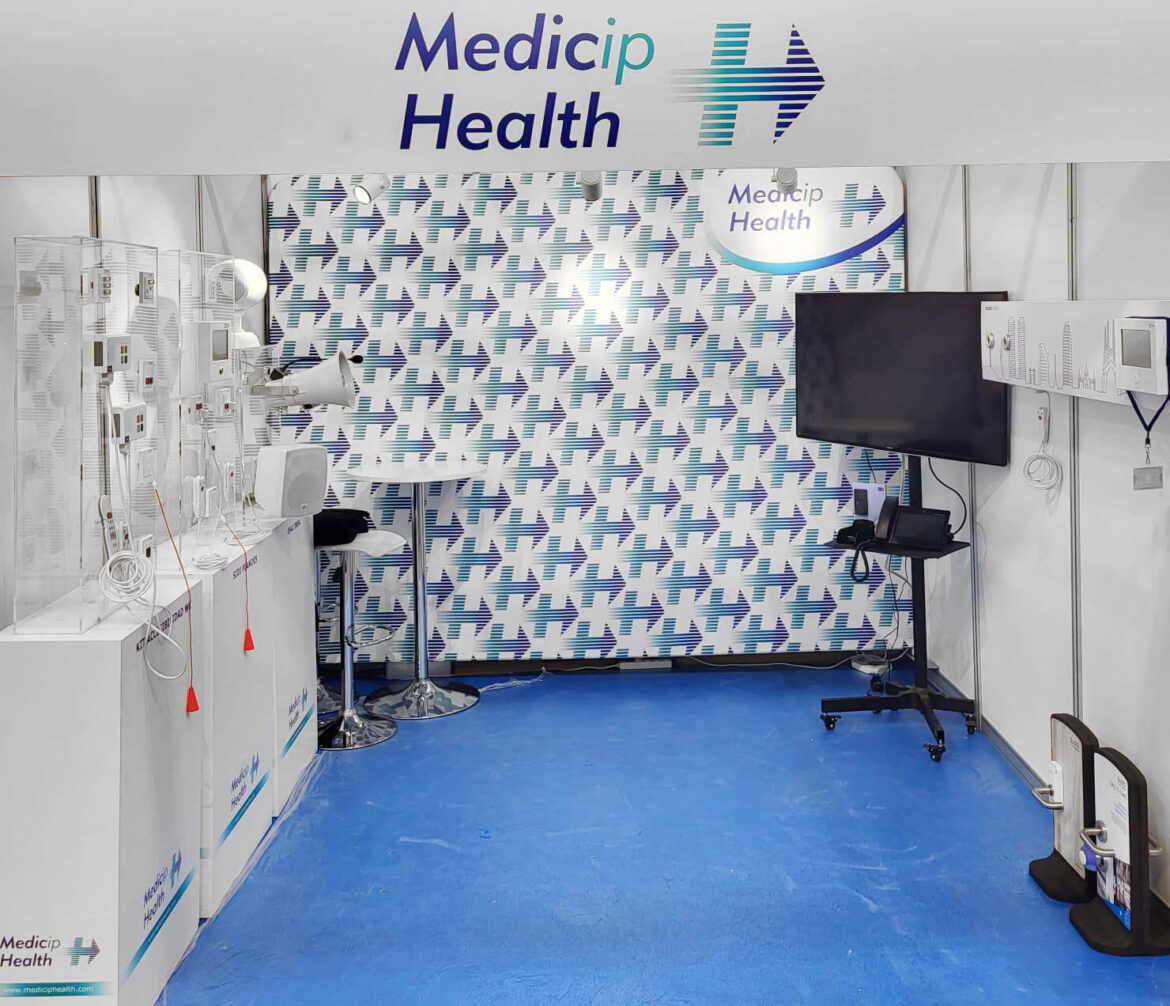
On this occasion, we participated in the Hospital Engineering Seminar in Valencia with our partner Medicip Health. 

Medicip Health is an international Spanish company dedicated to the development, manufacture and distribution of healthcare technology, being a pillar for the digitization of nursing homes and hospitals and the achievement of healthcare excellence. 

At the new stand, Medicip presented the patient-nurse system SIDI FLANDES, one of the most advanced technological solutions for hospitals and clinics, which consists of an advanced software that can be integrated with access control and our secure and reliable EN54 evacuation system.  

In our case, during the three days we exhibited the new AIS bed head unit on the stand, which are fully customisable and integrate perfectly with SIDI FLANDES. We also displayed all the virtues and benefits of the rest of our Tedisel products, like bed head units, suspended systems, pendants, technical panels and Hermes software.


A nationally recognised trade fair

After the successful 38th edition, held in Gijón, the Hospital Engineering Seminar, organised by the AEIH, was held in the city of Valencia with the aim of bringing together professionals from the sector. 

This fair is one of the most important within the healthcare industry as it allows us to learn about the latest ideas in development, technological innovations and opportunities for improvement within the field of engineering dedicated to healthcare. 

This is why this national congress was once again very well attended with a scientific/technical programme in which, as always, renowned national and international personalities took part.

This essential forum on the national healthcare scene has taken on the challenge of playing a key role in the hospital sector. Thus, the meeting was based on two of the objectives, models and tools without which the management of new healthcare models cannot be understood: Innovation and Evolution. 


The importance of attending trade fairs for companies

In Tedisel Medical we are aware of the importance of participating in this type of fairs in the sector. Attending an event of this magnitude with a stand is the perfect opportunity to show the benefits of our products or services to our clients, suppliers, etc. This Seminar, in particular, is always the ideal place for those 


“This event is the most important meeting forum in the hospital engineering sector and allows us to have the opportunity to greet customers and partners, with whom we have been working for many years. It is very important for us to exchange information and serves as a thermometer of the state of the sector.”

_ Luis Guallar. Commercial Director of Tedisel Medical


Thus, attendance at trade fairs, especially in B2B environments, is a crucial element for the communication of companies, and offers multiple possibilities for attendees.

We can highlight that:

  • They are a platform for innovation that helps to be more competitive.
  • It facilitates exposure and personal product presentations
  • It allows to retain and expand the customer base
  • It boosts the increase of exports


In short, participating in trade fairs of this magnitude allows companies to evaluate their competitors by exchanging information and meetings, in order to attract and retain new and potential customers. 


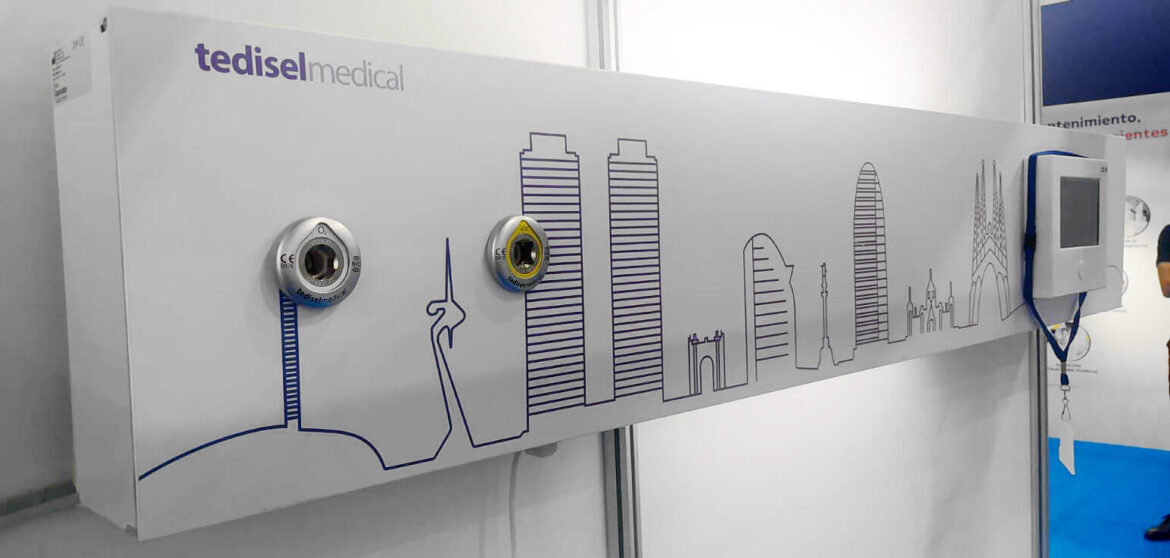
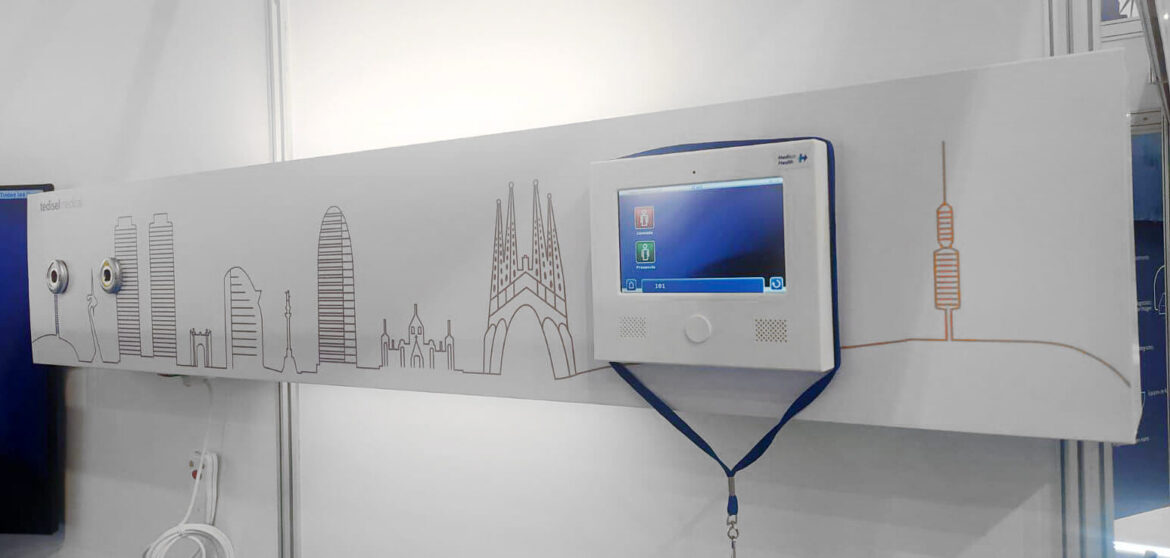
Here you will find some photos of Medicip Health’s stand, where they exhibited their product SIDI FLANDES perfectly integrated with our AIS headboard with the Barcelona skyline design.


#mediciphealth #tediselmedical #stand #valenciacongress#bedheadunits #aisbedheadunit #hospitalengineering #tediselmedical#bedheadunit #customizablebedheadunit #ais #tediselmedical


Read more
19Oct

Technical panels in operating theatres

October 19, 2022 tedisel Critical Areas, Medical equipment, Operating Rooms, technical panel

Technical panels are one of the essential devices in every operating theatre and critical area. And in recent years, advances in design and functionality have led to significant innovation in their use and finishes.


What are technical panels and what are they used for?

Technical panels are a fundamental part of every hospital’s medical equipment. Their ergonomic and customised design allows centralised control of the operating theatre status, as well as supplying electricity.

These equipment, adaptable to the needs of the operating room, have different sizes and a variety of control and communication accessories. 

Although Corian is the ideal material due to its high resistance to chemical products, easy cleaning and disinfection, they can be manufactured in different materials, always offering safety and reliability. 

In addition to its functionality, the high quality and customisable finishes give the wall recessed installation an optimal final result.


Why are they so innovative?

Their modernisation and customisation makes it possible to complete an optimal workplace design, adapting them to the structural conditions, use and individual work processes. 

They are compatible with technical equipment and save costs and time through their installation, durability, reliability and user-friendliness. And thanks to their easy-to-clean surface, infections are prevented. At the same time, the healing of patients is stimulated by promoting a pleasant and comfortable environment for both patients and staff. 

And ultimately, in addition to its excellent functionality, the hospital projects a modern and personalised image.


What models do we have at Tedisel?

At Tedisel Medical we specialise in the manufacture of medical equipment for hospitalisation, critical areas and operating theatres. 

Among our devices and medical equipment, the Q Panel and Diamond panels stand out.

Q Panel is the classic model, famous for its Corian surface and its flexibility in terms of size and integration of components. This model can incorporate a touch screen for Hermes, the digital brain that allows centralising all controls and obtaining data and analysis of the operating room or critical area.

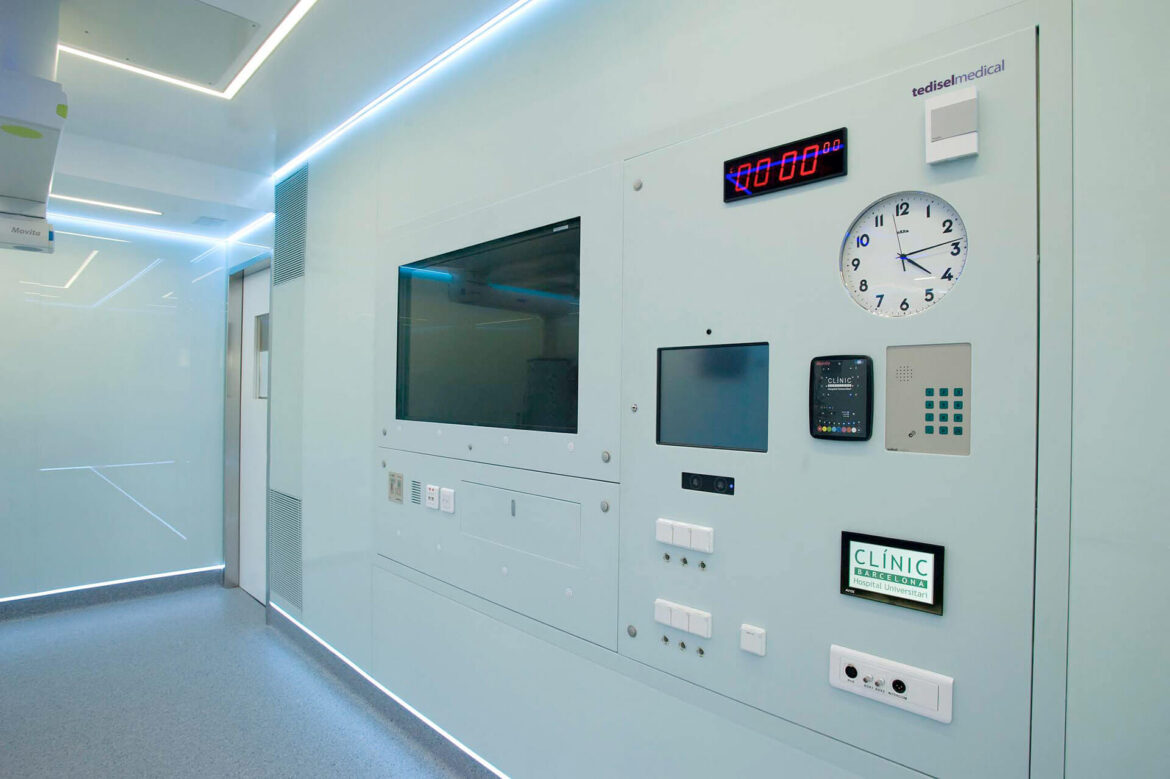
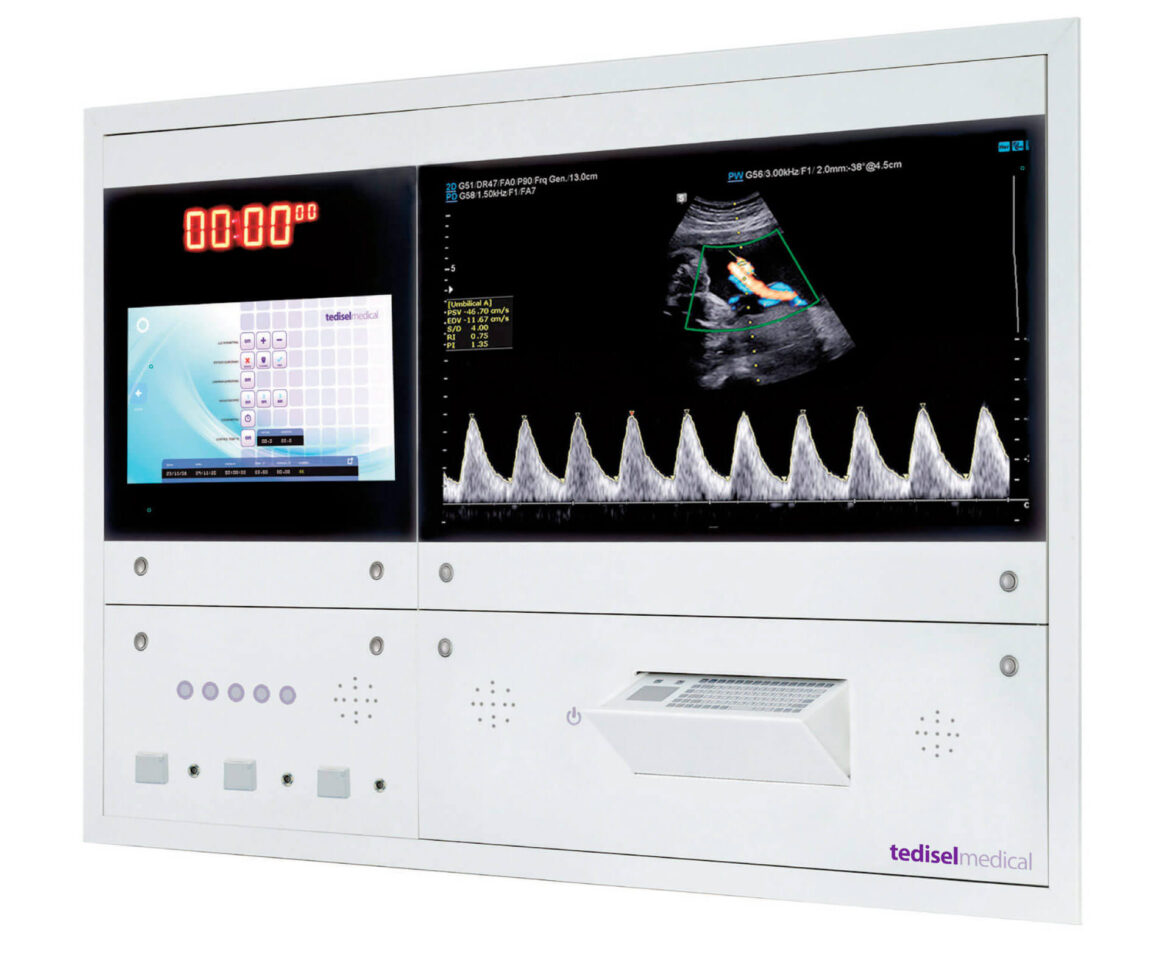
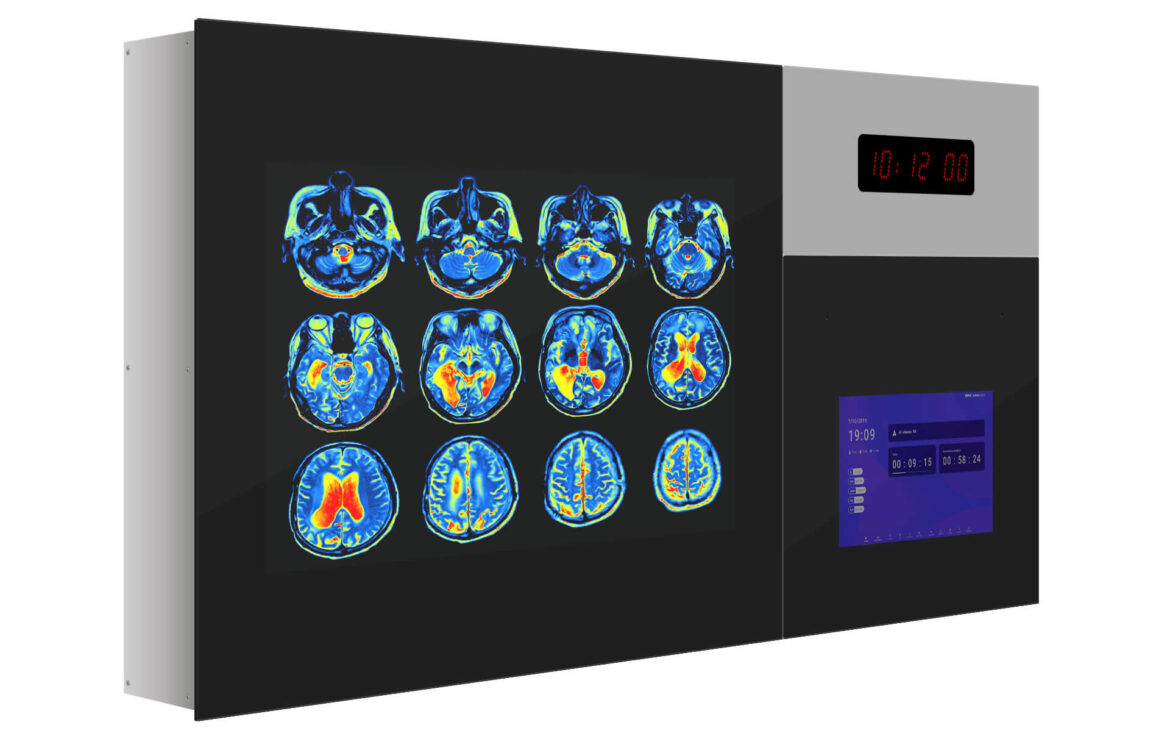
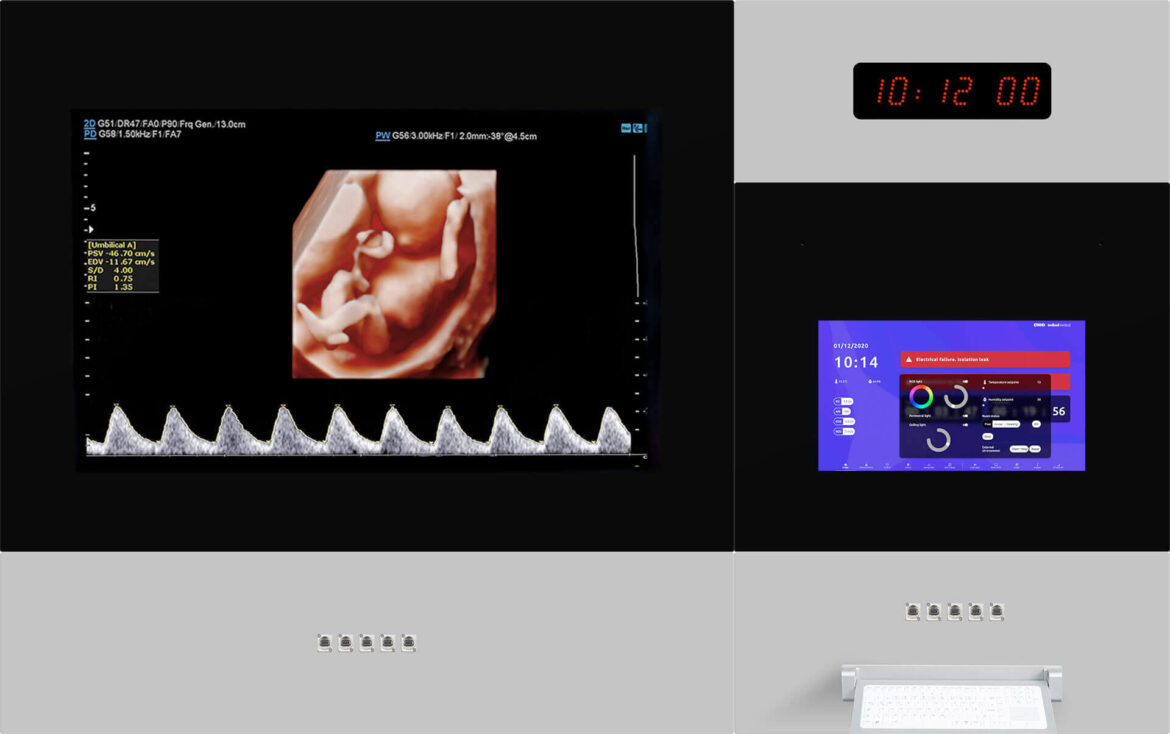
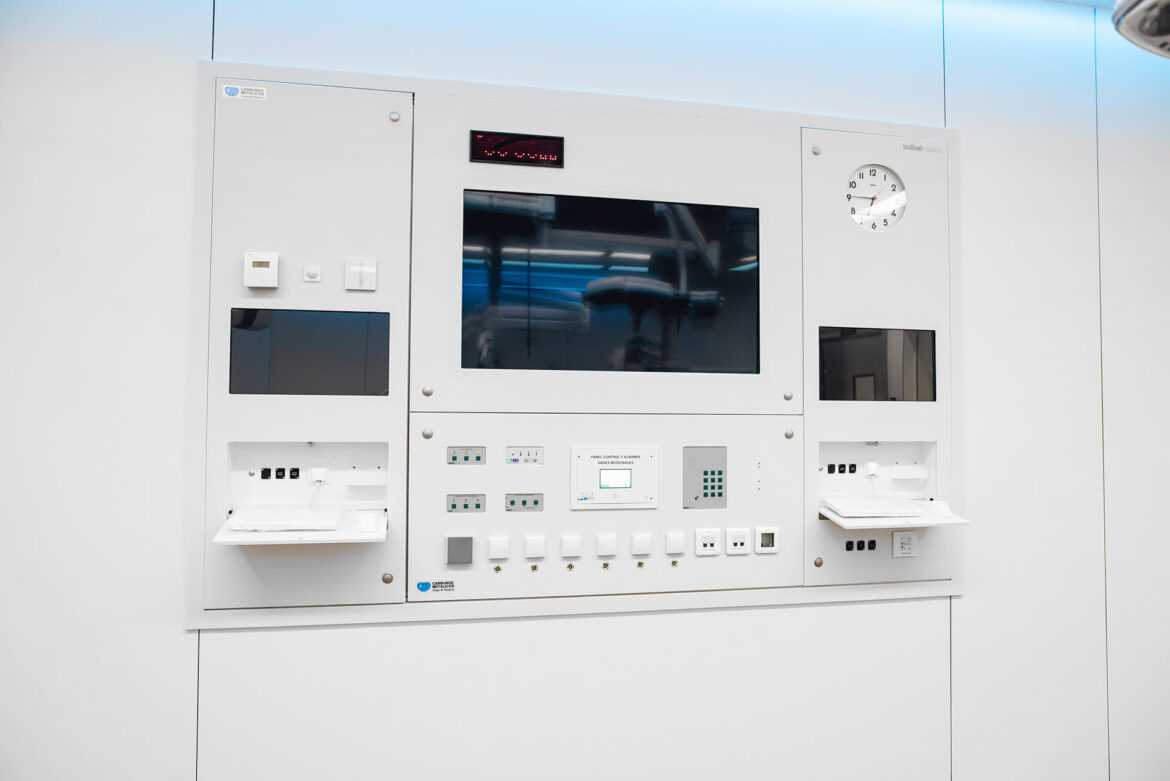
Diamond is a glass control and display panel that stands out for its simplicity and technology. Diamond centralises all the visual elements needed in an operating theatre or critical area and is also compatible with Hermes software. 

One of the main features shared by our range of panels is that they are registrable, i.e. it is not necessary to close the whole operating theatre to perform any maintenance task on the panel. 

In addition, both Q Panel and Diamond allow customisation of panel sizes and finishes according to the hospital’s needs. 


Features, benefits and accessories of our OR Panels


Q Panel

The Q Panel model can incorporate a large display monitor, electrical outlets, clocks, timer and many more components and provisions. It is designed to focus all the controls, elements and displays needed for an operating room, being compatible with PACS, nurse station and software control.

These are some of its features:

  • Made of Corian (other materials on request).
  • Different sizes available on request (up to 4 front doors)
  • Easy access for maintenance
  • Flush or surface mounted system
  • Touch or display screens
  • Loudspeakers


In addition, Q Panel front doors can be adapted and fitted to different elements, features and accessories, such as:

  • Internal PC
  • Foldable keyboard
  • Video and data
  • Electrical sockets
  • Digital and analogue clocks
  • Hands-free telephone
  • Alarm repeaters
  • Gas control
  • Temperature and humidity sensors/display


Diamond

Diamond also supports PACS display, nurse station and software control.

Features include:

  • Displays from 22″ to 55″  
  • FHD to 4K resolution
  • Durable black glass surface
  • Modular structure


As for its complements, the PLUS model is the best option to add accessories such as:

  • Foldable keyboard
  • Integrated PC
  • Video and data sockets
  • Electrical sockets
  • Digital clocks


Why are they important in operating theatres and critical areas?

The combination of functionality and individual design marks the importance of technical panels in operating theatres and critical areas. 

We all know that planning a new hospital or renovating old units requires a perfectly organised planning process. Especially in critical areas and patient rooms.

More and more consideration is being given to the harmonious design of rooms where devices, materials and colours work in unison to create a stimulating environment for healing and, incidentally, to reduce the length of stay of patients. 

That makes all the difference, as does flexibility and functionality. Thanks to these, we can quickly adapt to changing situations or new contexts, as seen with the Covid.19 pandemic. 

This is why good, individualised design and maximum functionality & flexibility are essential for the hospital of today and the future, and one of the parts of the medical equipment that ensures this is the technical panels.


Case studies

In Tedisel Medical we are backed up by our extensive experience promoting projects with technical panels in hospitals both nationally and internationally.

Here are some examples:Hospital de Chaves
Hospital Mora d’Ebre
Hospital Villa Tunari
SutomoPortugal
Spain
Austria
IndonesiaNizwa Hospital
Tan Hung Hospital HCM City
CHR Bertoua Maroua
Project Installation
Lebanon
Vietnam

Cameroon
UAEMiranda de Ebro
Bisperb Jerg Hospital
Sutomo
Demo Karl Storz
CMH Cahore
Spain
Italy
Indonesia
UAE
Poland
Showroom Preno
Hospital Villa Tunari
Nizwa Hospital
Tan Hung Hospital HCM City
Spain
Austria
Lebanon
Vietnam

Read more
27Sep

Combining design in hospital medical products

September 27, 2022 tedisel Medical equipment

The design of medical products and equipment is evolving rapidly, incorporating elements and concepts that respond more than ever to the needs of patients, families and staff. 


“The new paradigm in the healthcare sector is that creating a good environment is key to improving staff and patient performance and making patients feel at home.”


In addition, medical devices should not only help to cure the disease or alleviate its symptoms, but also play a leading role in the challenge of achieving a functional, physical and mental balance of the person (whether patient or staff).


The first and last impression in a hospital

The elements that surround a person who is admitted to hospital have an influence on their mood and recovery. Therefore, the design of furniture and buildings aims at so-called “therapeutic design“, which helps to reduce the anxiety and fatigue of the hospitalised person. 

So what does a patient feel when he or she is admitted to hospital? That is a question that all healthcare personnel – and any manufacturer of medical products – should ask themselves. Because the importance given to these first impressions will also lead to a better subsequent stay, which can mean a shorter recovery time, well-being for the patient, the healthcare staff and the family, and so on. The fundamental idea is that it is not just about stretchers, devices and doctors. 

At Tedisel Medical, to make this concept a reality, we collaborate with companies such as Armisen Care, which designs articulated medical beds, sanitary furniture and technical solutions to care, heal and make life easier. 


Why is design important in medical products?

To provide an effective and optimal product to treat and cure, thus providing quality care and improving people’s lives. This is the main objective of the medical product manufacturer and healthcare centre. 

In recent years, the industry’s main focus has been on improving design in order to offer greater well-being and comfort for both patients and healthcare staff. 

It should not be forgotten that hospitals are a major source of ergonomic stress factors. Therefore, the design must take into account everything related to efficiency, durability, hygiene facilities, precision, ease of maintenance, etc. 

At Tedisel, we seek to reflect the great innovations in equipment in the design of both equipment and space conditioning.


Biophilic design & holistic vision

Another of the great advantages of innovative designs in medical products and devices is the possibility of making them the best complement to the biophilic design of the hospital. 

This means no longer understanding healthcare facilities as unpleasant spaces by emulating nature in hospital buildings and rooms, lowering anxiety levels and, thanks to increased access to natural light, which is their main benefit, regulating the body’s circadian rhythms. Thus, we are aware that a portfolio of medical devices capable of interacting, mimicking and providing a biophilic environment is clearly a growing trend. 

At the very heart of redesigning healthcare is the holistic concept. In our case, it is designing medical products under a conception based on total and global integration against a concept or situation.


What factors are involved in the design of medical products?

Currently, there are four factors that are decisive when designing medical products and how to fit them into each area and/or hospital room. They are the following:

  • Systemic factor: These are the relationships that are generated between the product and all the actors involved. 
  • Emotional / sensory factor: Appeals to the user experience and the emotional contact between patient and product. 
  • Functional factor: Practicality, effectiveness, efficiency, safety and comfort of the product, which after all is the most important and essential.
  • Accessibility factor: Ease of access and handling, how simple and intuitive it is to manipulate the medical device.


How to improve the design of medical products?

The whole process of medical product design and its integration in hospitals brings together various innovative features necessary to support and sustain the different hospital models. 

Hospital design today and in the future aims to make patients and medical staff as comfortable as possible without compromising the effectiveness of services and products. Thus, some tips for improving the design of medical products are: 

  1. Improving efficiency and adapting and customising to the needs of today’s hospitals, but always with the future in mind.
  2. Encourage medical devices to be part of a greater flexibility of spaces, boosting productivity and efficiency.
  3. Improve design so that staff can work better every day.
  4. Comfort is as or more important than the functionality of the product itself.


Hospital de Mataró (Spain). Products of Tedisel Medical: Motor Column, Q Panel.


The main benefits

Increased safety and comfort for the patient and hospital staff, easy maintenance and good hygiene care, simple repairs, better lighting to facilitate work and harmony between staff and patient. These are just some of the benefits of design in medical products. But there is much more.

We must insist that a healing environment is as desirable for patients as it is for healthcare professionals. In this sense, advanced patient workplace and recovery design provides, for example, the possibility to hide or minimise the presence of medical devices, as well as a pleasant room design. 

This optimisation of the design of the hospital room and its devices includes features or interventions such as an efficient ventilation system, a good acoustic environment, adequate lighting, colour concepts and ergonomic design.

These modifications are associated with better clinical outcomes, being a “smart investment“, increasing staff efficiency, promoting healing and saving the hospital money.


Hospital Virgen del Camino (Pamplona – Spain). Products of Tedisel Medical: Abitus.


Read more
05Sep

CE marking and the European regulations for medical products

September 5, 2022 tedisel Medical equipment

At Tedisel Medical we are proud to have one of the leading hospital equipment offerings on the market. Our medical devices are fully compliant with European and international standards for quality management, manufacturing and design, as well as CE marking. 

This CE marking is the gateway to the marketing of medical products in the European Union. 

Let us now see exactly what it consists of and what its characteristics are, in addition to knowing the main regulations that apply to medical devices.


What is the CE marking?

The CE health conformity marking, as we said, is a mandatory requirement for the marketing of medical devices in Europe. It is indicated on their labelling and instructions for use by the CE symbol + notified body number. 

This CE health marking indicates the product’s conformity with the directives that apply to it. Thus, it is illegal in Europe to market and subsequently use products that do not bear this marking. 

By means of the CE marking, the manufacturer of medical devices also indicates and validates that his product complies with the general safety and performance requirements (GSPR) of all relevant European medical device regulations. 

This is one of the most complex certifications as it must comply with all relevant European Directives.


CE-certificate for medical devices – a guarantee

The directives stipulate minimum requirements for the evaluation and certification of products and the CE marking. In this respect, the directive obliges all manufacturers to provide the following guarantees:

  • Information guarantee: A technical documentation of the product must be established. 
  • Safety guarantee: Test the equipment in accordance with the applicable regulations and its classification.
  • Guarantee of compliance with specifications and efficacy: Clinical evaluation and, where appropriate, clinical research to assess the safety and compliance with product specifications.
  • Quality assurance: The company must implement a quality assurance system according to ISO 13485 (we will discuss this in more detail later) with the corresponding follow-up to guarantee its correct implementation.


Steps to obtain the CE marking

STEP 1
To obtain the European certificate of conformity, we must first classify the medical device in order to comply with the specific requirements that apply to it, especially the type of product and risk.

STEP 2
Subsequently, we will prepare the technical file (Technical File): risk management, clinical trials, process validation, etc.

STEP 3

Finally, it is time to present the medical device to a notified body, which will carry out an audit and decide on its CE marking and its marketing in EU countries.


What are the European regulations for medical devices?

EU Regulation 2017/745 on medical devices (Medical Devices Regulation or MDR) is, since it became compulsory in May 2021, the European regulation that regulates that no medical device can be marketed in European territory without the CE marking.

This law covers all the actors in the healthcare scene: manufacturer, distributor, doctor, operator and patient, since only one of them cannot guarantee the safety and efficacy of the products.

Thus, some of the new features introduced by this recent European regulation are:

  • Creation of a new database called EUDAMED as a guarantee of transparency and to enable the authorities, industry, health professionals and the general public to access information on the medical devices available on the European market.
  • Improved traceability of medical devices, through the implementation of a unique identification number (UDI).
  • Strengthening the process of designation and supervision of Notified Bodies.
  • Stricter requirements regarding the pre-clinical and clinical data that medical devices must have prior to obtaining the CE marking.


Regulation and monitoring of the CE marking in Spain

In Spain, the Spanish Agency for Medicines and Medical Devices (AEMPS, part of the Ministry of Health and Social Policy) is the body that certifies that these articles for clinical use comply with the Medical Devices Directive.


The main regulations for medical devices

In any industry, standards are the surest way to safeguard product conformity and harmonise requirements both nationally and internationally. The healthcare sector is perhaps the industry where product conformity is most crucial, both in the design and manufacture of medical devices.

The medical device industry is responsible for the design and manufacture of a wide range of products used to diagnose and treat diseases and improve the health of patients. 

Products range from imaging equipment, headboards, suspensions, technical panels or software to artificial joints and other implants. 

Thus, as medical devices are essential tools for healthcare and as these products have a direct impact on public health and quality of life, their safety is imperative. To achieve the required results and avoid device recalls, companies must follow standards for the manufacture of medical devices. 


The ISO system

While there are several management standards applicable to the manufacture of medical devices, the ISO standard is the most relevant globally for the healthcare environment. With them we can know the quality, design, work capacity or technical and technological development of a manufacturer. The most common are:

  • ISO 13485: This is the quality management system designed specifically for manufacturers of medical products. It is an extension and refinement of the framework established by ISO 9001, which is the general quality management standard, for any industry and sector. Complying with ISO 13485 contributes to overall quality control, traceability, process validation and risk management. It is intended and designed for use in organisations for the design and development, production, installation, service and sales of medical devices. 


A certified organisation demonstrates its ability to provide medical devices and related services that consistently meet customer and applicable regulatory requirements. Manufacturers who achieve ISO 13485 compliance will find it easier to introduce their products into international markets. Compliance can also streamline your processes and ultimately help you run a more efficient, profitable and less risky operation.

  • ISO 14001: This standard is based on sustainability and the implementation of an environmental management system that can help medical device manufacturers reduce waste, conserve energy and reduce their overall carbon footprint. 
  • ISO 45001: This is the standard on specific occupational hazards and occupational safety in the medical device industry.
  • ISO 27001: This is the standard for data security, i.e. cybersecurity.


IEC 60601 standards

IEC 60601 standards are already widely accepted by health authorities in different countries such as the USA, Russia, Japan, Canada, the EU, Australia and Brazil. Therefore, if we want to market such electrical medical devices, it is important to implement these standards, complying with the described requirements in order to be able to market them successfully.

Thus, all electrical medical equipment must operate in accordance with EN IEC 60601-1 in order to comply with the required safety standards. EN 60101-1 determines the general requirements, tests for basic safety and performance of electro-medical devices. 

It is also the first part of a group of standards covering the essential performance, electromagnetic compatibility and safety of medical equipment and systems. In turn, the collateral standard EN 60601-1-2, on basic safety and essential performance of medical equipment and systems in the presence of electromagnetic disturbances emitted by such equipment and systems, is crucial. 

It is this standard that addresses potential problems for manufacturers of electromedical devices due to electromagnetic compatibility of electromedical equipment and systems.


A key certification in the industry

Complying with quality and design standards and regulations requires a great deal of work and makes a difference to the success of medical devices. That is why it is important to have the best hospital equipment. A sector in which, in Tedisel Medical, we have more than 25 years of experience, manufacturing hospital equipment for hospitalisation areas, critical areas and surgical blocks. 

Our international projection stands out for the variety and adaptability of our products, especially for the manufacture of Headboards, Suspended for ICU, Columns, Panels and Software for Operating Theatres.

By using them in the facilities of health centres, we also manage to facilitate the task of audits to obtain the main health certificates. 

In short, at Tedisel we also attach great importance to following good practices and keeping up to date with each of the specific standards and certificates in the health sector in order to offer the best product to our customers.

Read more
28Jul

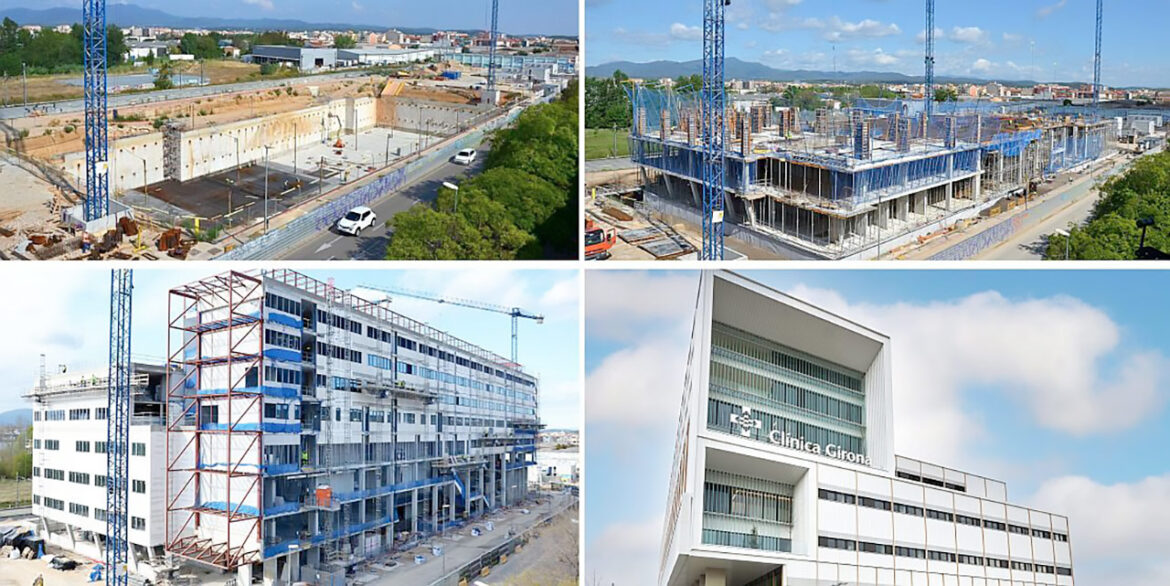
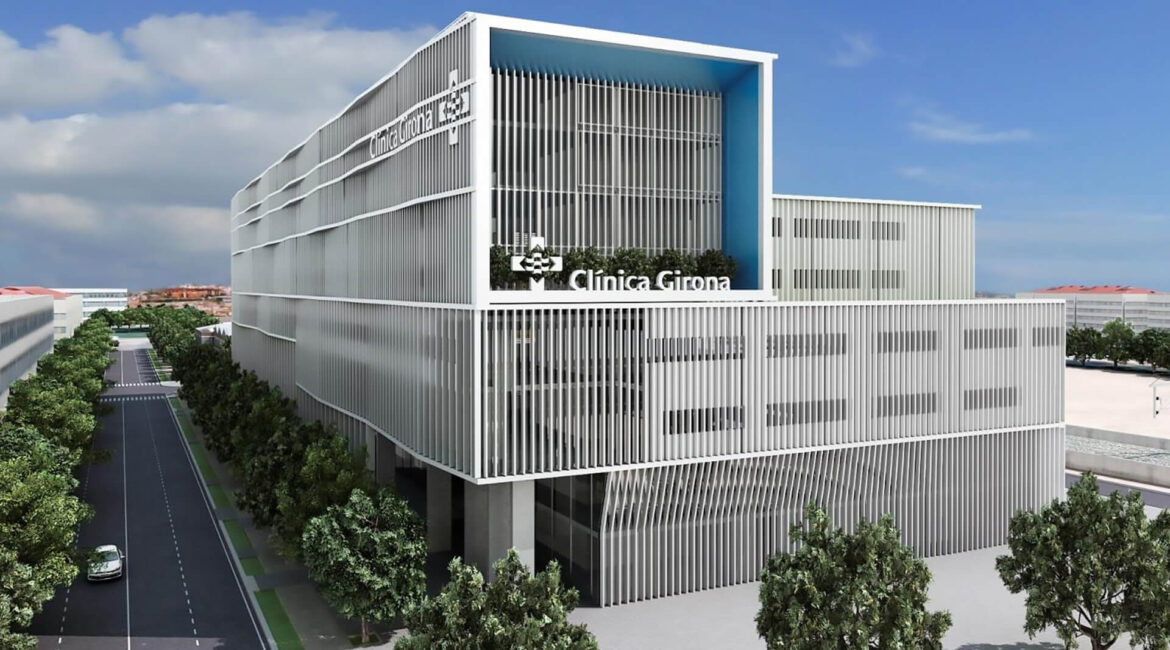
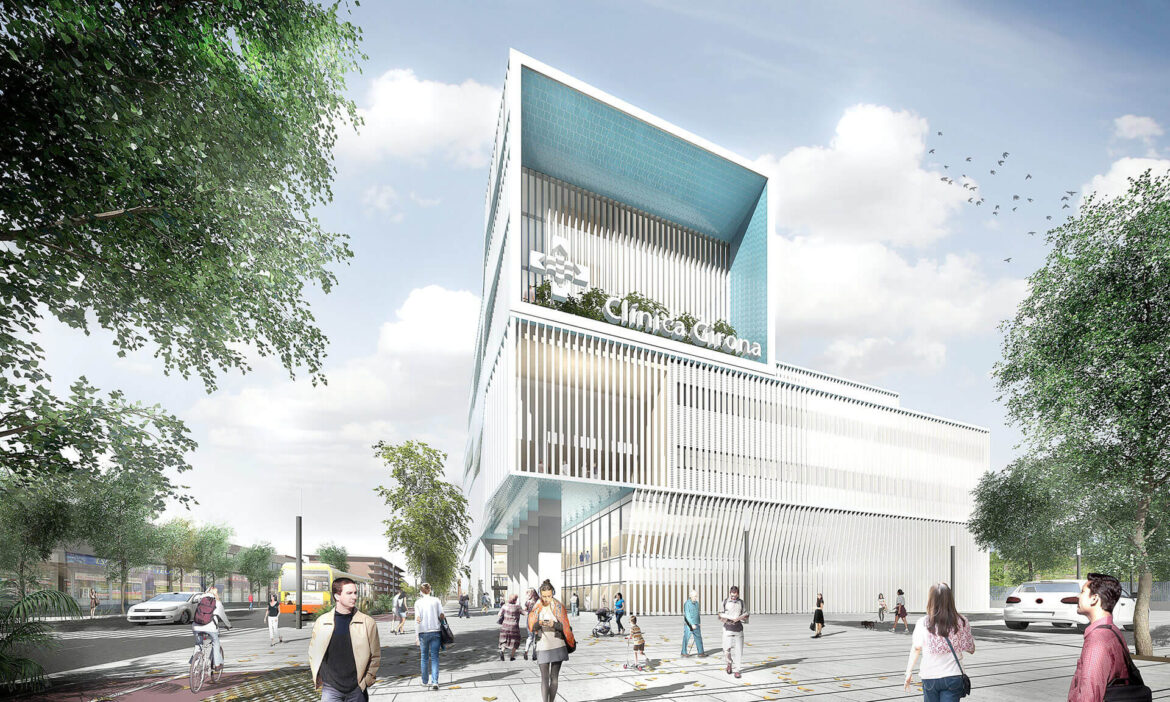
New project in Clínica Girona

July 28, 2022 tedisel Hospitals, Medical equipment

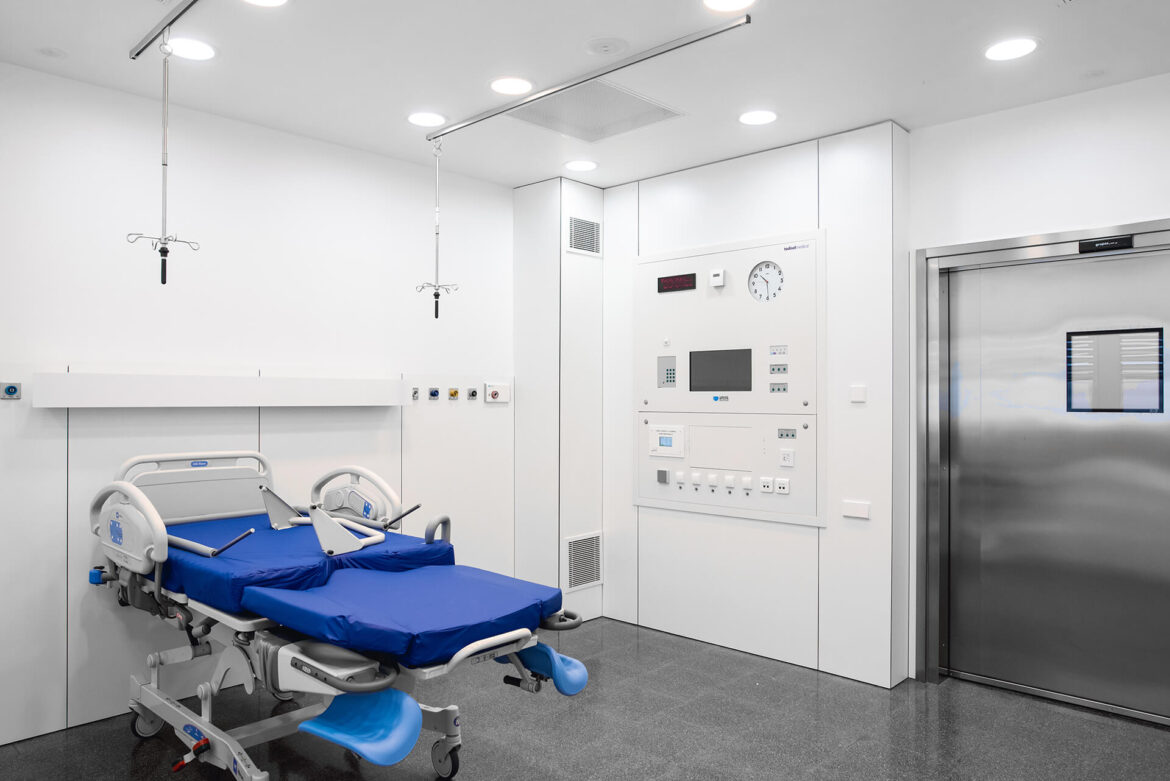
In Tedisel Medical, one of our last projects of installation of hospital equipment for hospitalization areas, critical areas and surgical block has taken place in Clínica Girona.


Clínica Girona: the before and the after

The new Clínica Girona is now up and running and at full capacity. After several years of work and effort, this health centre in the south of Girona, located on carrer Barcelona, has replaced the historic facilities on carrer Joan Maragall, which housed the city’s first clinic in the 1930s. The new building now has 41,000 m2 to provide the best healthcare service in Girona.


A refurbishment for the present and the future

The new private facility of Clínica Girona triples the surface area of the old headquarters, and has required a significant investment. The facility will employ 600 people, including medical and administrative staff and other services. In addition, it will boost the urban development of this sector and revalue the area, as the mayor, Marta Madrenas, pointed out, as it is the southern gateway to the city. 

In short, a clinic with a lot of light, which is committed to the biophilic health model, and with modern, cutting-edge facilities that will help to improve the health of all Girona residents.


Reconfiguring rooms, operating theatres and floors

The new Clínica Girona building is distributed over 11 levels: three underground levels, the ground floor and seven two-level floors. In total, the new facilities have 120 hospital beds, eight high-definition intelligent operating theatres, three delivery rooms, three for endoscopies, eight ICU boxes and 10 for emergencies, a day hospital, oncology and pain medicine area with 20 individual boxes, an outpatient minor surgery room and haemodialysis rooms. 

All of this is supported by permanent diagnostic imaging, clinical analysis and pathological anatomy services. 

In this way, the renovated Clínica Girona has given special emphasis to outpatient surgery, the surgical area, cardiology and diagnostic imaging.


Commitment to the most innovative, high-precision technology for operating theatres

Throughout its history, Clínica Girona has been committed to innovation in hospital machinery and equipment. This has been no exception in the facilities inaugurated. In fact, practically all the equipment and devices are new. 


Tedisel, at the forefront of equipment at Clínica Girona


OPERATING THEATRES – QPANEL

In the case of the operating theatres, the entire room has been centralised using Q-Panel technical panels, designed to meet the hospital’s needs. They have also been installed in the delivery room area with different configurations.


RESUSCITATION ROOMS – ARES

For their part, the resuscitation rooms have been equipped with Ares compact suspended systems to be able to supply patients while optimising space and providing easy and quick access to the patient.


ICU – ATLAS

As for the ICU boxes, various Atlas ceiling suspended systems have been installed to facilitate the mobility of medical staff and improve access for patient care. 


MEDIUM PATIENT CARE – ADONIS

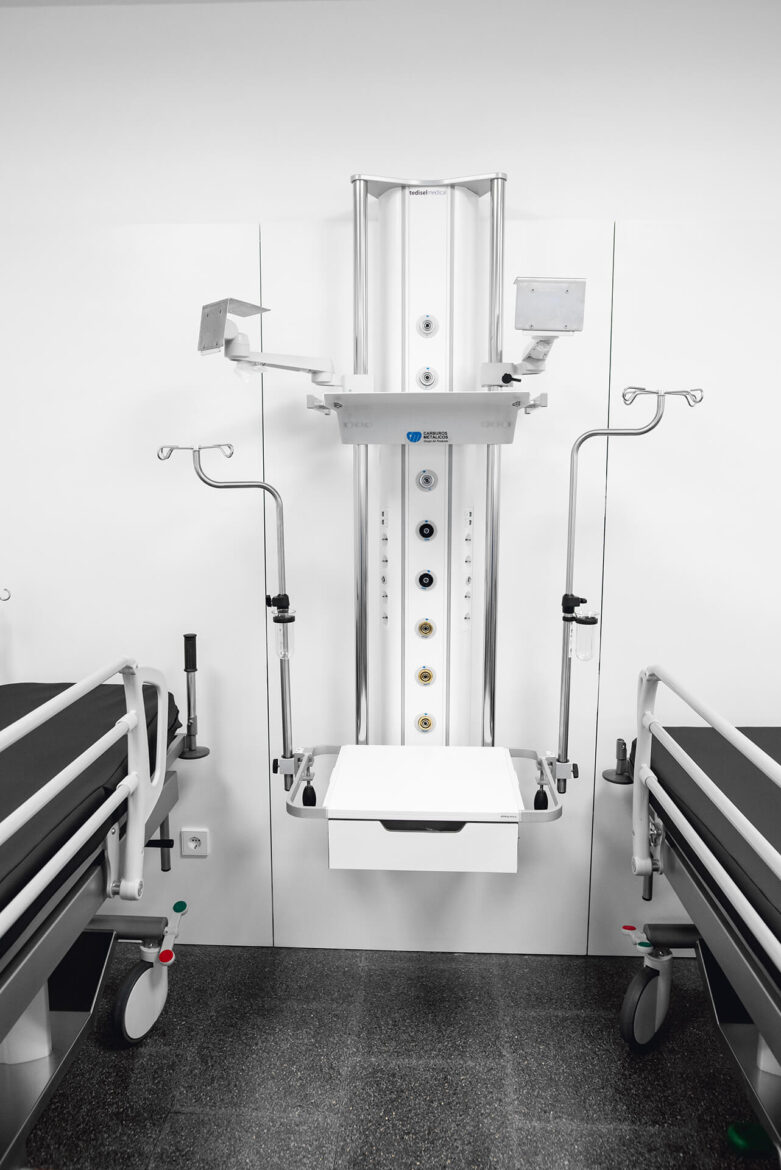
Finally, the facility has a separate large room for medium patient care, where to optimise space and to be able to serve two beds at the same time, the centre has several Adonis wall columns.


Read more
27Jun

Hospital bed head units of today and the future

June 27, 2022 tedisel bed head units, Medical equipment

For some years now, hospital bed heads units, driven by the improvement in hospital equipment, have been providing an optimised, intuitive environment in accordance with the space in which they are located 


That is to say: they are the perfect complement to hospital beds, forming a block that is designed and installed according to the type of patient who is going to use it and the medical speciality, floor or type of hospital. 

In this post, Tedisel would like to talk about the main characteristics of hospital bed head units, their functions, trends in the health sector and what options are available in the market. 


What are hospital headboards?

Hospital headboards, far from what they may indicate at first glance, are not the equivalent of the headboard of a normal, typical household bed. 

They are part of the hospital bed, yes, but with a different function and design. Specifically, they are the structures, usually arranged vertically or horizontally, which are attached to the wall and are placed precisely on the headboard area of the bed or near the side of the bed.


ICARUS Model


What are they for?

We are referring to those elements that, when we have been patients in a hospital, we have used to warn the nurses of anything. These devices light up indirectly in case someone has to enter or leave the room.

Among their main characteristics is the fact that they have numerous sockets, each with different purposes, but especially electrical, data and gas sockets. On the other hand, we must distinguish between headboards designed for common hospitalisations, or those intended for ICU units, resuscitation rooms, post-operative units, etc. In this case, they are usually more sophisticated. 

In any case, they are completely common and necessary elements in hospitals all over the world. 


“Among their main characteristics is the fact that they have numerous sockets, each with different purposes, but especially electrical, data and gas sockets.


N270 Model


Characteristics and trends in headboards

Hospital bedside cabinets act as devices that have been conceived to provide the physician with close and simple access to supplies needed for therapy. As we said, this is the case of gases, vacuum or electrical energy, fundamentally. In addition, the bedside cabinets provide the patient with ‘extra’ services, such as lighting, alarms or communication systems.

These bed heads form an aesthetically and functionally harmonious whole with the bed, one of the most important parts of the patient unit. The function of the bed in the hospital is to accommodate the patient and has characteristics specifically adapted to his or her ailments. It must always be in perfect condition to ensure that the patient is comfortable, as this is where he or she will spend most of the day during hospitalisation.

Whether headboards are intended for Critical Care services (ICU, ICU, etc.), emergency / resuscitation services, wards of intermediate complexity, or other hospital sectors where their services are required, in the last decade headboards have taken on a new dimension at an aesthetic level, as a whole. 

As a result of the greater importance given to the holistic and biophilic experience in hospitals, to the well-being not only of the patient but also of the medical staff, to facilitating their work and the hospitalisation periods of users, headboards have been adapted to blend in with their surroundings. What does this mean? That the type of hospital headboard of yesteryear, useful and efficient but alien to the style of the bed and the room, no longer applies in the new and remodelled hospitals.

Bed heads today are part of a whole: of the bed, of the room, of the type of hospital and of the type of patient. They are oriented and designed specifically for a particular profile, be it paediatric patients, VIP stays, etc. 


AURA Model


An essential piece of hospital equipment

The hospital bedside goes far beyond the mere hook-up of electrical and diagnostic equipment and the basic functions of lighting, voice recognition and oxygen-enriched gas outlet. 

This complex system is continuously being improved to be more omnichannel and adaptive than ever before with a single device. This means that the headboards are intended to facilitate services to all types of patients, from those able to alert the nurse at the push of a button to those who are intubated, sedated or temporarily immobile.

Solutions such as push-button knob, voice activation, etc. are part of the hardware that takes care of the nurse-patient call. Which is ultimately one of the main functions that is not fixed or that can lead to the most uncertainty.


MAYA Model


The most complete catalogue of headboards

In Tedisel Medical we have a wide catalogue of hospital bed heads, integrated wall systems, for all types of patient rooms in hospitals. 

Our headboards follow the trend in the health sector of fully integrating the headboard into the room design. Especially in new constructions and remodelling of health centres, this is what is being sought after, both for aesthetic reasons and for simplicity and ease. In short, headboards are elements that offer a very important service, that influence the well-being and recovery of the patient, and that are increasingly integrated at an aesthetic and formal level. 

Among our headboards, the following stand out:


Aura
Our modular bed head
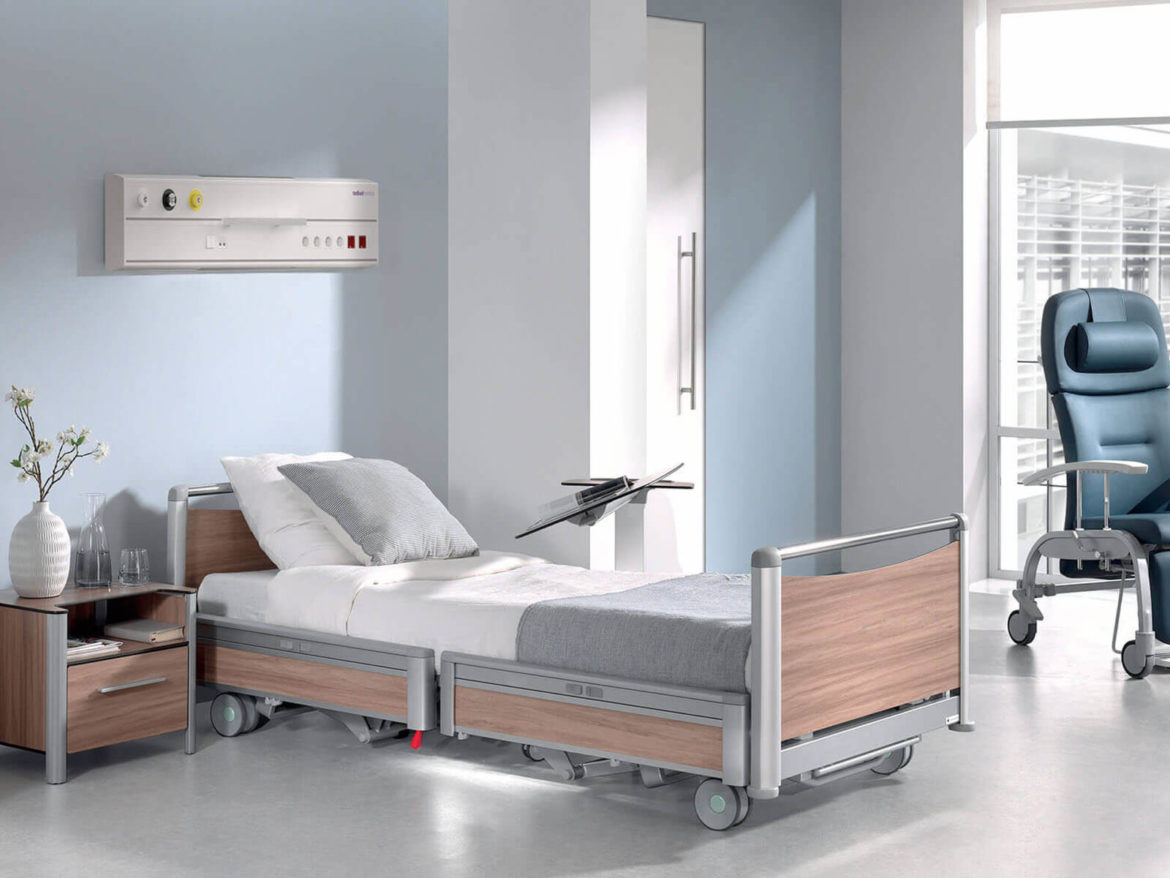
It can be customised to adapt to the needs of different areas: hospitalisation, critical areas, operating theatres, etc. It is the perfect equipment to hold different accessories. From a simple rail to a complete sliding system with infusion pumps and trays.


N270

Monobloc bed head
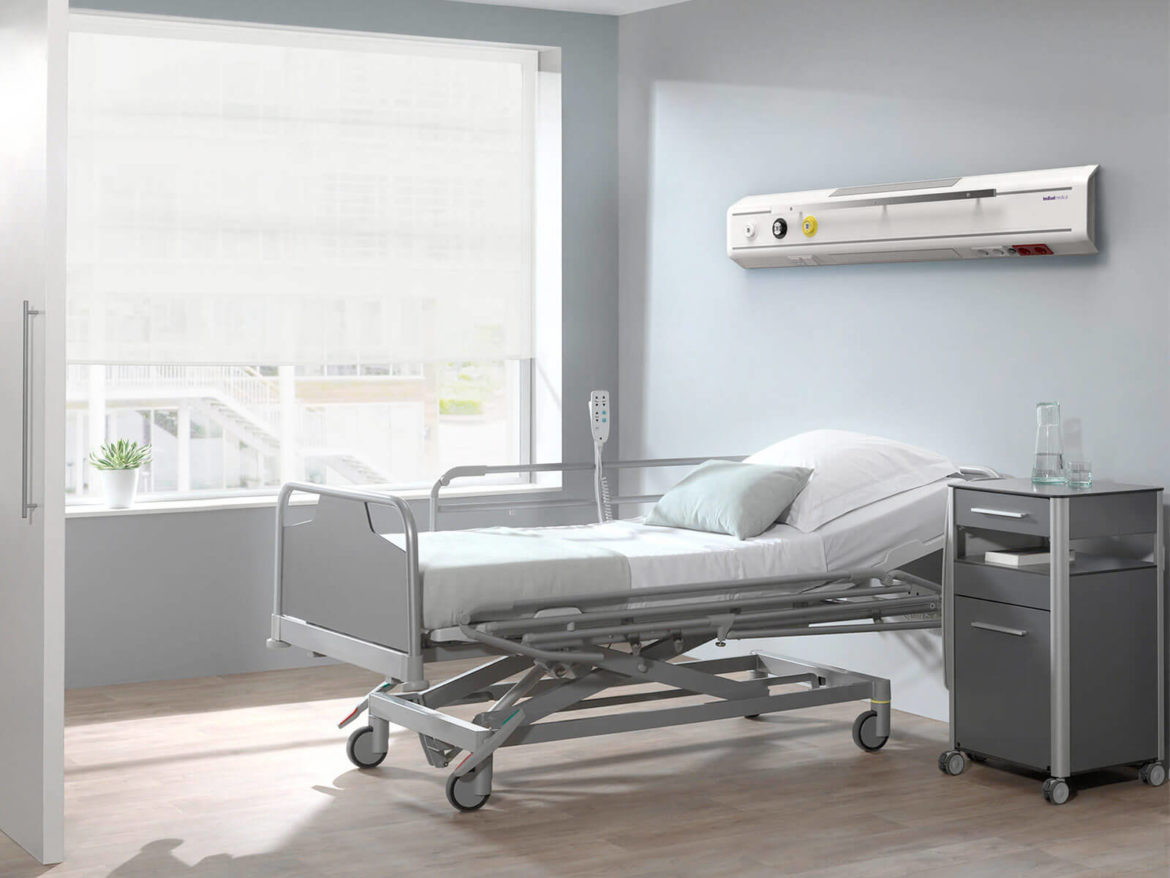
Our best known model in the world, the most sold and installed in thousands of projects; optimal for hospitalisation and general care areas.


Adonis
Known for its design and high load capacity, this is the optimal solution for confined spaces especially in critical areas. It can also serve two beds simultaneously in any area.  Adonis allows multiple configurations, depending on the needs of the area where it is to be installed. Its structure integrates two tubes for the placement of various accessories.


Icarus
It is an attractive and futuristic headboard. Its innovative design is mainly customised for hospitalisation and VIP.


Maya
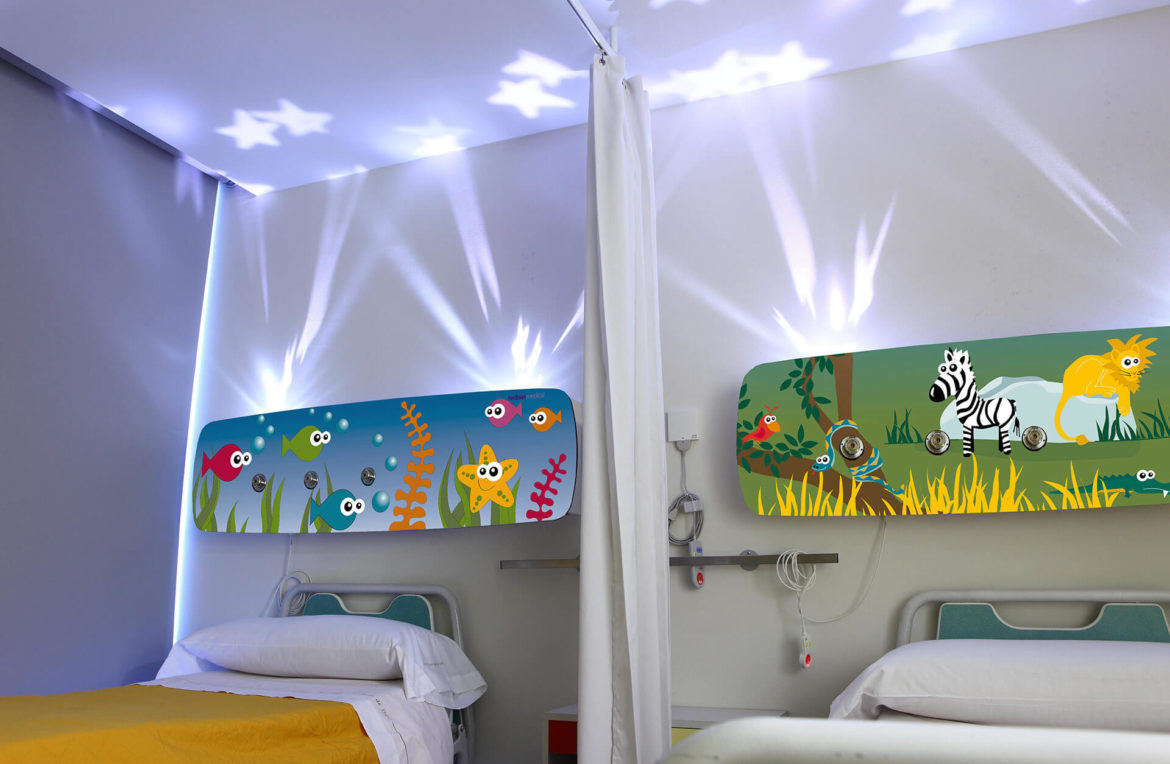
With the little ones in mind, Maya is our paediatric bed head created to provide a cosier and more pleasant space to facilitate the stay of the little ones in hospital. 


Ais
Artistic bed head
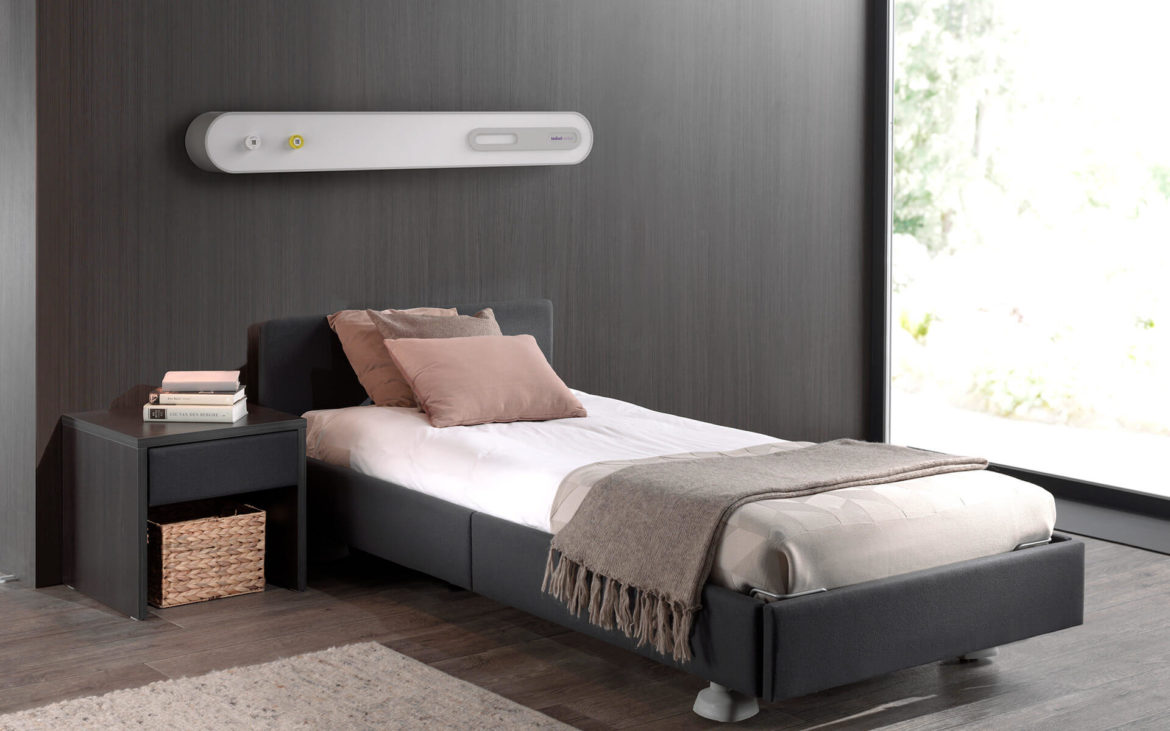
A bed head, which allows you to customise the front to give a more welcoming atmosphere to the area where you want to install it: maternity, paediatrics, hospitalisation, VIP, etc.  Ais, with a minimalist and clean design, allows the placement of accessories by means of a technical rail to the wall.


Our latest project with AIS bed head

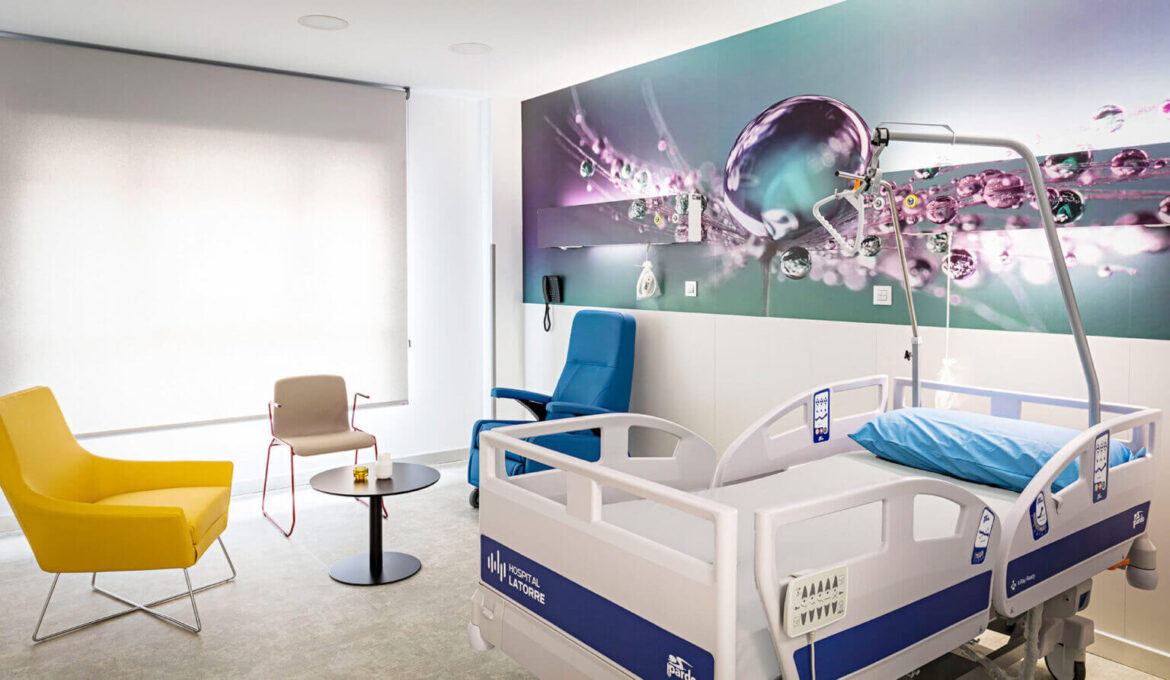
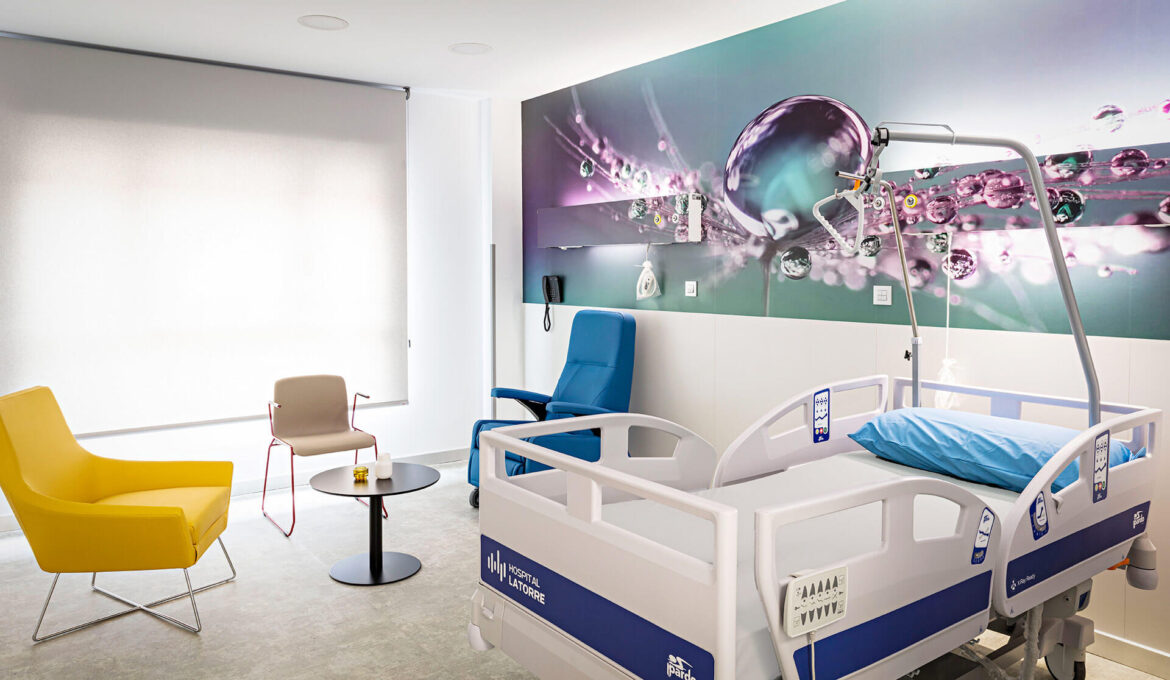
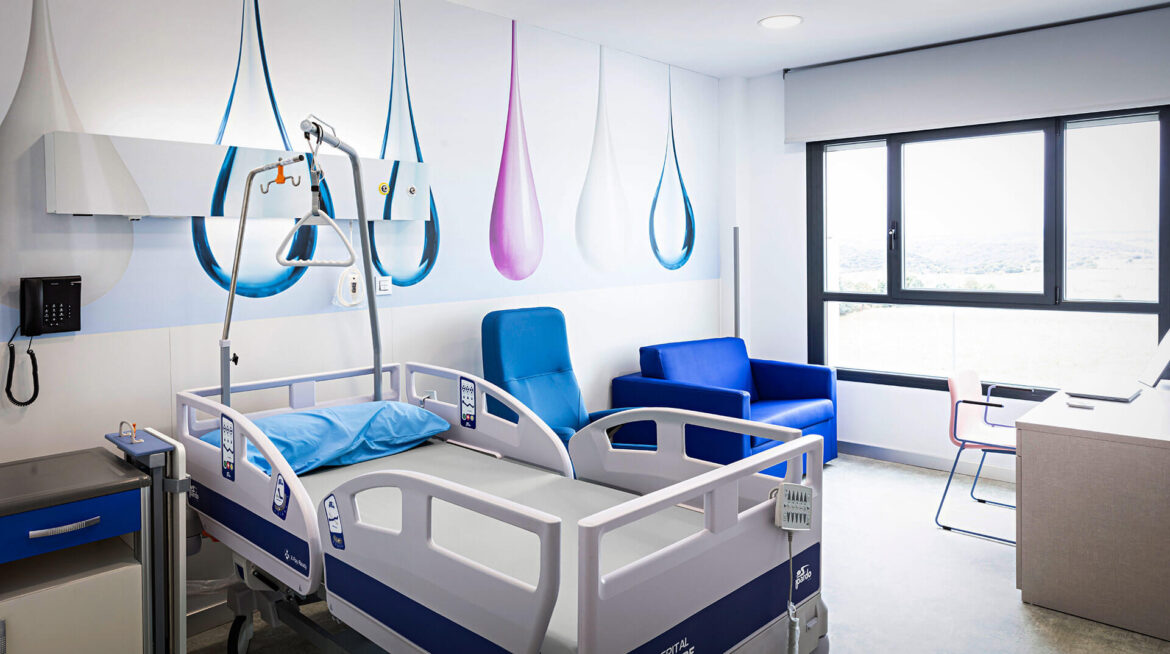
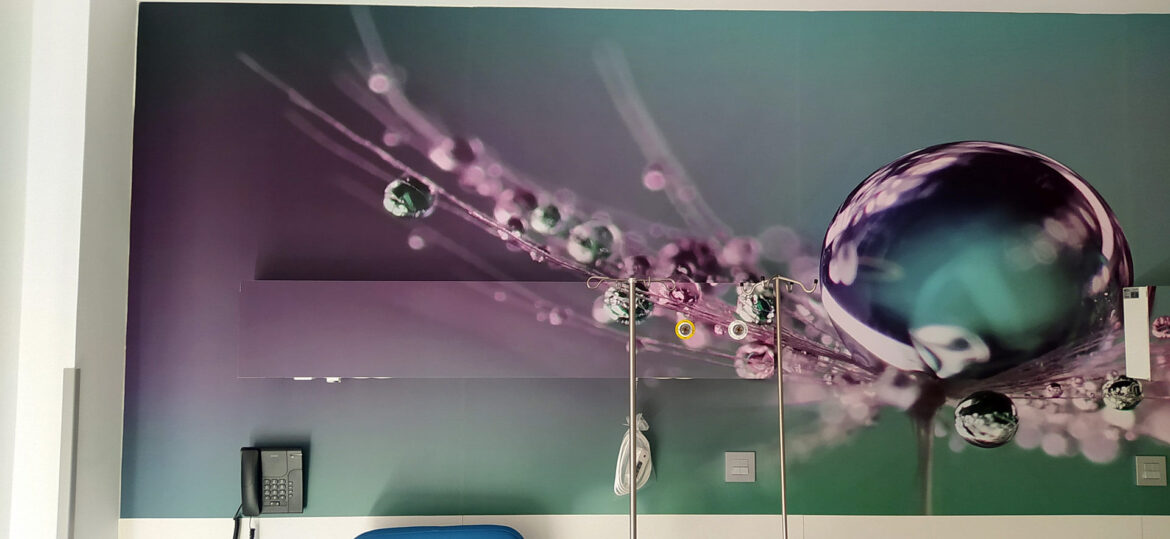
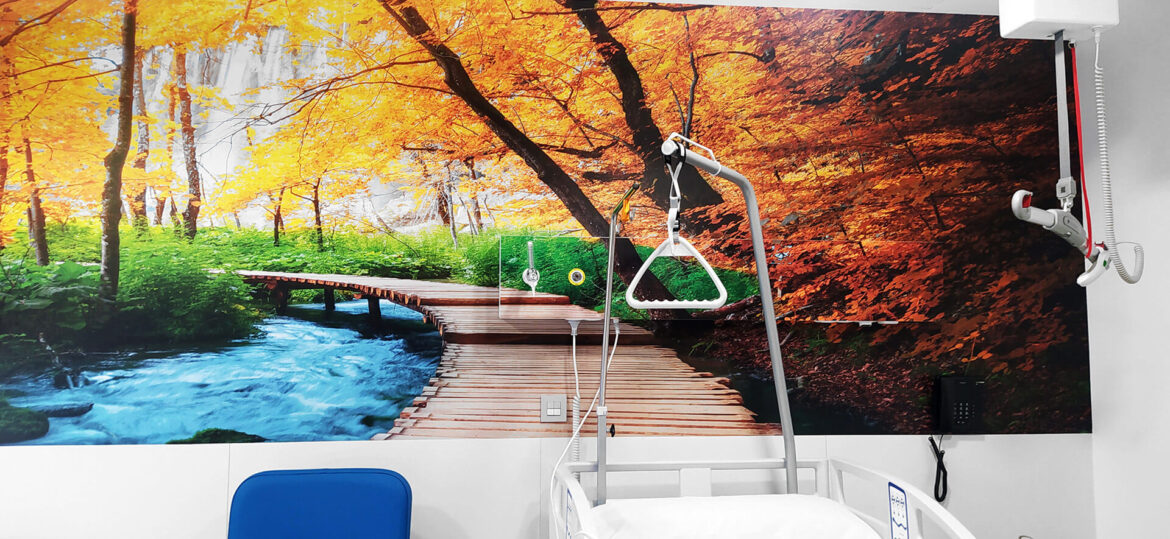
One of our latest projects is the installation of the AIS model in the Latorre Hospital, in Soria. This bed head with customisable front was integrated 100% at design level in the decorative wall vinyl of the room.

The AIS model adds an architectural touch. It allows you to customize the front to give a cosier atmosphere to the area where you want to install it: Maternity, Paediatrics, Hospitalisation, VIP, etc. Among its features, it stands out for its minimalist and clean design, allowing the placement of accessories by means of a wall-mounted technical rail, such as infusion pumps and IV pole holders, trays and drawers, monitor support arms, examination lamps or medical baskets, among others.  


Read more
31May

The use of medical gases in hospitals

May 31, 2022 tedisel Uncategorized

The use of medical gases in hospital centres is a response to a solid implantation and a constant increase in consumption and type of therapies.


What are medical gases? Definition and characteristics

At present, the use of medical gases is on the rise, both in the hospital, pharmaceutical and health fields in general and in the home. To speak of medical gases is to speak of special medicines. This is how they are classified.

By medicinal gas we mean any product consisting of one or more gaseous components and whose purpose is direct contact with the human organism.

The use of gases is indispensable in a hospital for medical care in a multitude of units. For this reason, their use, supply and administration must be effective, efficient and safe. 

It is important to divide what are medical gases, such as oxygen and nitrous oxide, supplied to patients in gaseous form, and gases used as medical devices, for medical care units, as facilitators or adjuncts. The difference is that only medicinal gases considered as drugs exert their action by pharmacological, immunological or metabolic means.


“It is important to divide what are medical gases, such as oxygen and nitrous oxide, supplied to patients in gaseous form, and gases used as medical devices, for medical care units, as facilitators or adjuncts. The difference is that only medicinal gases considered as drugs exert their action by pharmacological, immunological or metabolic means.


Practical applications of gases in hospitals

Medical gases are part of the landscape of any hospital. They constitute elementary and unavoidable tools and devices for the emergency room, operating theatre, ICU, ward, ambulance, etc…. In other words, their application is multiple and for any space.

Within the variety of medical gases needed in healthcare, we can talk about medical air, oxygen, helium, carbon dioxide, nitrous oxide, nitrogen or nitrogen monoxide.

The fact is that, on a regular basis, more and more requirements are arising for their use. Perhaps the most important application is oxygen/medical air for oxytherapy purposes. The important thing here is to know how much of the gas the patient inhales. 

For breathing purposes, gases can be supplied directly from the cylinder or concentrator to the patient, while in hospital facilities the gas is usually piped from tanks, thermoses or cylinders to intakes at each location.

Specialty gases are key to many analytical equipment that study the chemical composition of a blood sample or other biological waste. In addition, in oncology, they can be used to find markers that indicate that a cancerous tumour is growing or under control. Special gases are also very useful for lasers in surgery or other treatments. 

For equipment sterilisation, it is possible to make gas mixtures with ethylene oxide or other components that are toxic. In this respect, a very popular application is proton therapy for cancer treatments. On the other hand, nitric oxide is valid as a relaxing agent to dilate blood vessels, especially pulmonary vessels, in the case of prenatal respiratory failure. 

And helium is mixable in medicinal applications to reduce the density of the oxygen mixture.


“The range of options for the use of medical gases is vast, and is constantly growing as new treatments and advanced technologies emerge.


And if we had to summarise their main uses and applications, it would be:

  • Facilitating respiratory function. 
  • Support in diagnosis, anaesthesia, sterilisation, endoscopy techniques, laparoscopy, laser, Nuclear Magnetic Resonance, ophthalmic surgery and conservation of samples and organs. 
  • Calibration of measuring equipment in clinical laboratories. 


Risks of gases in hospitals

One of the most important factors to take into account when it comes to medical gases and gases used in medical care is their risks. First and foremost, it is essential that the systems used for medical gases comply with the required safety regulations, and that the occupational risk prevention service of the hospital ensures compliance. 

The installations of these gases must be designed and built by experts in the field and must comply with all the required regulations. But that is not all: healthcare personnel must know how to treat them, their characteristics and associated risks, in order to avoid any type of problem in the course of routine healthcare work. 

Due to their physical and chemical conditions and characteristics, they therefore entail a series of risks that must always be monitored.


The most commonly used medical gases in hospitals

As we said, although they have been present in healthcare centres for centuries, the use of medical gases continues to gain more and more strength in the medical field. Research has led to the discovery of new applications in their use, thanks mainly to new technologies. However, there are a number of gases that are the most commonly used in hospitals, for different reasons and for different applications. These are listed below. 


Nitrogen (medical liquid nitrogen)

Nitrogen is a medical gas used for the cryosurgical removal of some cancers and skin lesions. 

It is in liquid form and at very low temperatures, so it is also used to store and freeze tissues, cells and blood at cryogenic temperatures to prevent oxidation of samples. For example, the pharmaceutical industry uses this medicinal gas in the manufacture of medicines. Gaseous nitrogen, the largest component of our atmosphere, is used in medicine mainly to propel surgical tools.


Medicinal Oxygen

This gas makes life possible and is indispensable for combustion, which is why it is one of the most widely used gases in hospitals, mainly as artificial respiration when patients are short of air. 

Odorless, colourless and tasteless, it is used for resuscitation and inhalation therapy. It is also used in anaesthesia before any intervention, in the treatment of burns or in hyperbaric therapy to treat numerous diseases.


Carbon dioxide

Used especially for medical gas insufflation in less invasive surgeries, such as laparoscopy, arthroscopy, endoscopy and cryotherapy, as well as for respiratory stimulation during and after anaesthesia.


Nitrous oxide

Nitrous oxide is very useful in many surgical procedures as an anaesthetic and analgesic. It is known as “laughing gas”.


Medicinal air

In medicine, compressed medical air is used in conjunction with high humidity treatments with atomisers, paediatric treatments and in all types of respiratory therapies where increased atmospheric oxygen content is contraindicated. In other words: medical air is mainly used in ICU and NICU areas because it allows for the mobilisation of compressed air driven respirations, or as a diluent for administered O2, since O2 in concentrations of 100% is toxic to the body. 

It is also used in anaesthesia equipment as a transport element to atomise water, administered to the airways and as a propellant for surgical equipment.


Helium

Helium belongs to the family of inert gases and is the second lightest element. Odorless, colourless, tasteless, non-toxic and non-flammable, it is normally used in a liquid state for tomography cooling systems, as it reaches a low temperature of -259°C. It is also used in the field of medical devices. 

In addition, its application is focused on the diagnosis of diseases through magnetic resonance imaging, since MRI equipment needs liquid helium to maintain a low temperature that allows the superconductivity of the magnets.


Installation, use and concepts to keep in mind

Knowing the most common types of gases, understanding how each is used and for what purpose, and keeping the systems optimised, is a must for hospital and medical staff. But even more important is to understand the particularities of their installation. 

First of all, it is important to know that the gas production and storage plant is owned by the gas supplier, which has important implications for responsibilities and maintenance. They have a consumption that maintenance managers cannot speculate on or reduce for the sake of lower costs. In turn, it demands associated services such as cylinder delivery, traceability, increased maintenance, etc. 

It is a logically vital and priority service, as a hospital can’t function without it. In addition, and this is where the hospital engineer comes into play. Gases require different forms of storage and distribution, whether portable bottles, insulated batteries, cryogenic tanks, self-production for medical use… Therefore, a good hospital design will be crucial to avoid future problems. 


Read more
  • 1…891011
tedisel-medical-reinsberg-group-logo

SANT LLUC, 69-81 08918 BADALONA (BARCELONA · SPAIN)
+34 933 992 058  [email protected]

made_in_barcelona_OK_tedisel_medical
TUV_certificado_ISO

© 2026 Tedisel Iberica SL. All rights reserved.
Privacy Policy. Legal Note. Cookies Policy.